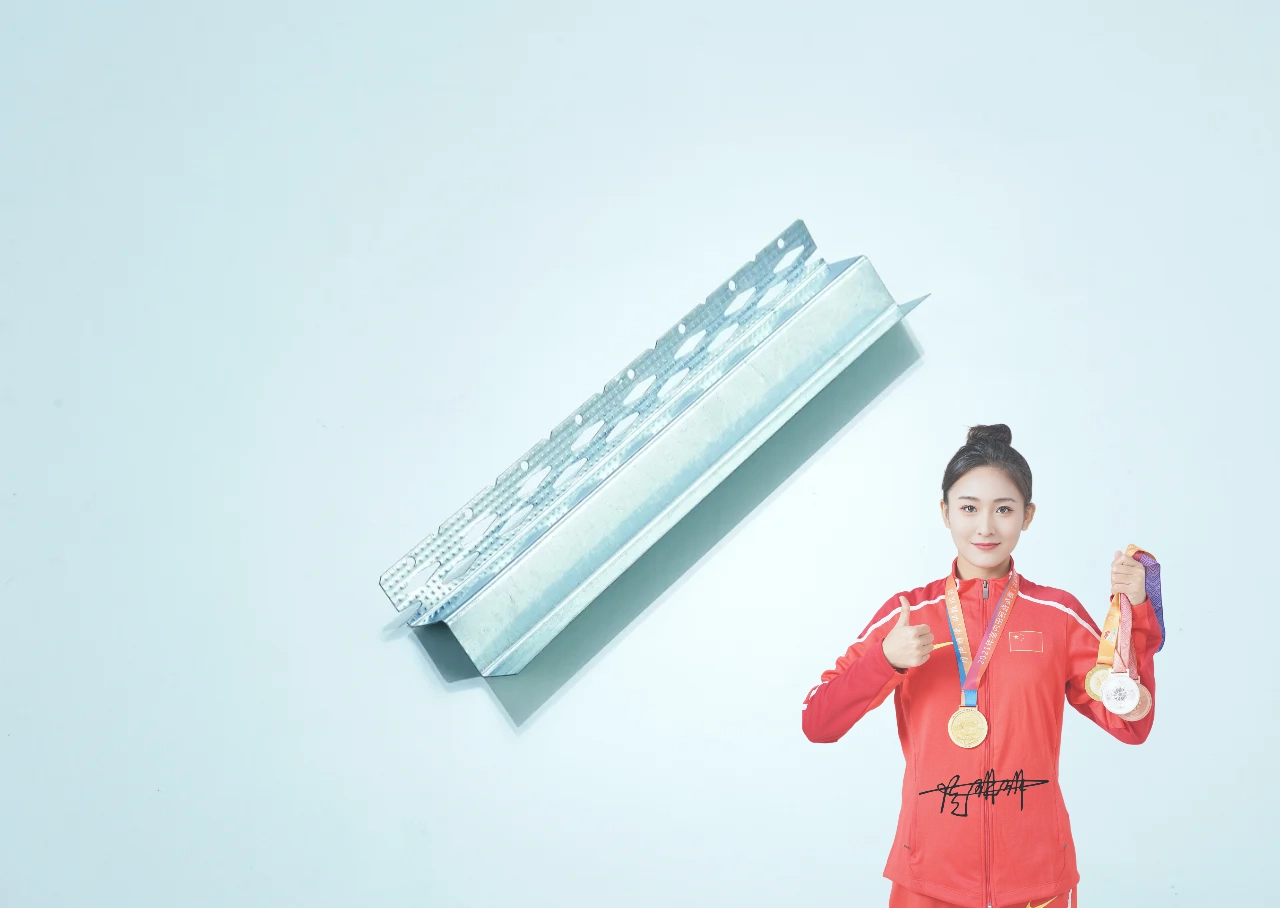
Boost Plaster Adhesion: How Does Embossed Mesh Work?
The Edge in Plaster Reinforcement
Embossed Plaster Mesh is a premium-grade reinforcement material engineered to dramatically improve the adhesion and durability of plaster, stucco, and render across various construction applications. Unlike traditional flat metal plastering mesh, its unique embossed surface provides superior texture, enabling plaster to grip more effectively and bond more securely to the substrate. This innovative plastering mesh is indispensable for both new constructions and renovation projects where robust surface bonding and exceptional crack prevention are paramount.
It's a critical component for achieving long-lasting, high-quality finishes, acting as a crucial bridge between structural elements and decorative coatings. The advanced design of Embossed Plaster Mesh ensures your finishes withstand the test of time, resisting common issues like delamination and cracking.
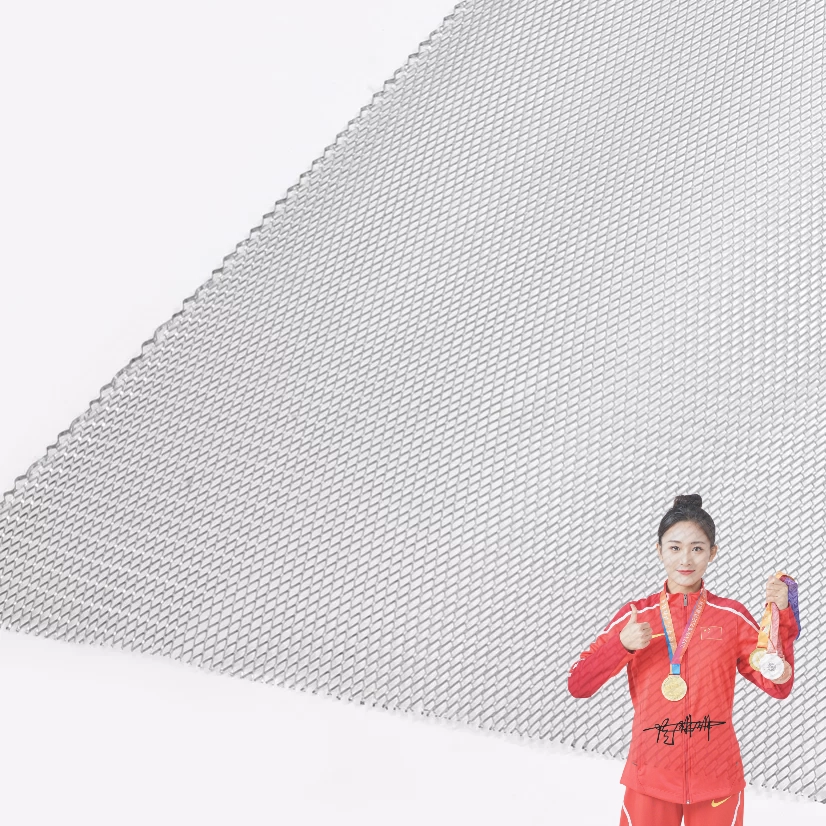
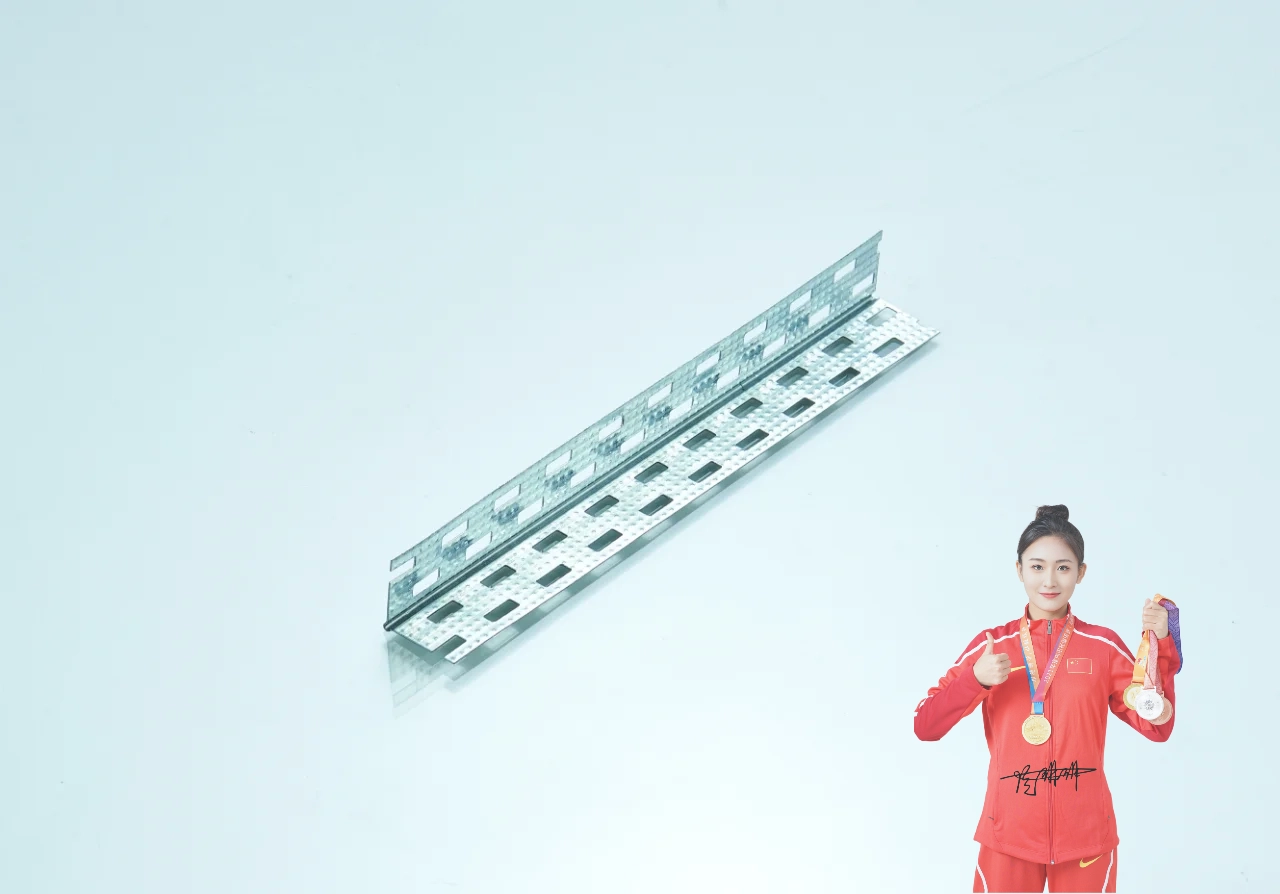
Figure 1: High-quality galvanised steel plastering mesh ready for application.
What is Embossed Plastering Mesh?
Embossed Plaster Mesh refers to galvanised steel mesh sheets—often expanded or welded wire—that feature specially pressed or patterned surface textures. These embossments are expertly engineered to significantly increase the mesh's mechanical keying ability, making it considerably easier for wet plaster to adhere firmly to the surface during application. The outcome is a more durable, stable, and crack-resistant plaster finish that maintains its integrity for years.
The embossing can take various forms—from raised dots and ribbed lines to diamond ridges or crosshatch textures—depending on the specific design and manufacturing technique. This perforated mesh sheet is typically crafted from galvanised steel to provide robust corrosion protection and is readily available in convenient rolls or pre-cut sheets, catering to diverse installation requirements.
Key Features of Embossed Plastering Mesh
· Superior Plaster Adhesion: The embossed surface offers a significantly rougher texture than smooth or flat mesh, profoundly improving the grip between the plaster and the reinforcement layer. This ensures the plaster bonds tightly to the wall or ceiling, greatly reducing the risk of delamination or peeling.
· Enhanced Mechanical Keying: Embossed patterns function as mechanical anchors that effectively trap the plaster, thereby creating a more stable and uniformly finished surface. This feature is critically important in overhead plastering or applications requiring thick layers of render.
· Crack and Impact Resistance: By actively reinforcing the plaster layer and distributing stress uniformly, the plastering mesh helps to prevent shrinkage cracks, mitigate thermal expansion issues, and absorb minor structural vibrations. It also adds significant durability against surface impact.
· Corrosion-Resistant Finish: Fabricated from hot-dip galvanised steel or electro-galvanised wire, this metal plastering mesh effectively resists rust and corrosion, even in highly humid or wet environments, guaranteeing an extended service life in both interior and exterior applications.
· Easy Installation: Despite its reinforced structure, the perforated mesh sheet is remarkably lightweight and flexible. It can be easily cut with standard snips and securely fastened using staples, nails, or screws, depending on the base material.
· Available in Various Formats: Embossed Plaster Mesh is offered in diverse mesh patterns (expanded, welded, or perforated), wire diameters, roll widths, and embossing types to precisely suit a broad spectrum of project requirements.
Product Specifications: Embossed Plaster Mesh
Our Embossed Plaster Mesh is manufactured to rigorous standards, ensuring top-tier performance and reliability for demanding construction projects.
Parameter | Specification |
Material | Hot-dip Galvanised Steel (Q195/Q235) |
Mesh Type | Expanded Metal Mesh (Diamond Pattern) or Welded Wire Mesh |
Wire Gauge / Thickness | 0.3mm - 0.8mm (Custom available) |
Mesh Opening Size | Typically 10x20mm to 20x40mm (LWDxSWD for expanded) |
Roll Width | 600mm, 900mm, 1000mm, 1200mm (Custom available) |
Roll Length | 20m, 25m, 30m, 50m (Custom available) |
Embossing Pattern | Diamond Ridge, Ribbed, Dot-embossed (Custom options) |
Zinc Coating (Galvanisation) | 50-275 g/m² (Hot-dip) / 10-30 g/m² (Electro) |
Tensile Strength | Approx. 350-500 MPa (Material dependent) |
Applicable Standards | ASTM A653/A653M, EN 10346, BS EN 10142 (for galvanised steel) |
Service Life | 15-25 years (dependent on environment and proper installation) |
Common Applications of Embossed Plastering Mesh
The versatility of Embossed Plaster Mesh makes it suitable for a vast array of construction and renovation projects, ensuring enhanced durability and finish quality.
· Wall and Ceiling Plastering: Ideally suited for traditional sand-cement plaster, gypsum plaster, and lime-based systems. The plastering mesh significantly strengthens the plaster coat and substantially improves its adherence to various substrates like brick, concrete, or drywall.
· Stucco and Rendering Systems: Extensively utilized in both traditional and synthetic stucco applications, particularly where additional reinforcement is required on façade surfaces or high-stress areas such as corners, openings, and expansion joints.
· Renovation and Retrofitting: Embossed Plaster Mesh is an excellent choice for retrofitting older buildings where existing substrates may be cracked, uneven, or degraded. It effectively bridges gaps, covers defects, and creates a uniform, stable base for fresh plastering.
· Curved and Decorative Structures: Thanks to its inherent flexibility and conformability, the metal plastering mesh can be readily shaped to fit intricate arches, columns, domes, or other decorative architectural elements. The embossed finish ensures that even these complex surfaces maintain consistent bonding.
· Fireproof and Acoustic Walls: In multi-layered wall systems designed for enhanced fire resistance or soundproofing, the galvanised steel mesh sheets provide crucial support for heavy plaster coatings, preventing surface failure under thermal or acoustic stress.
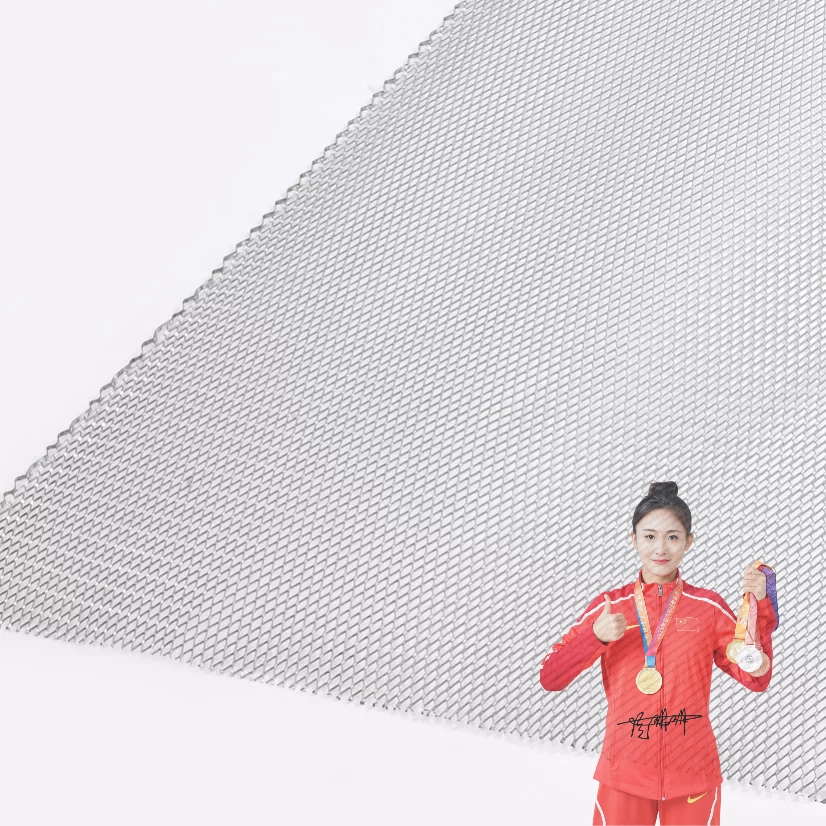
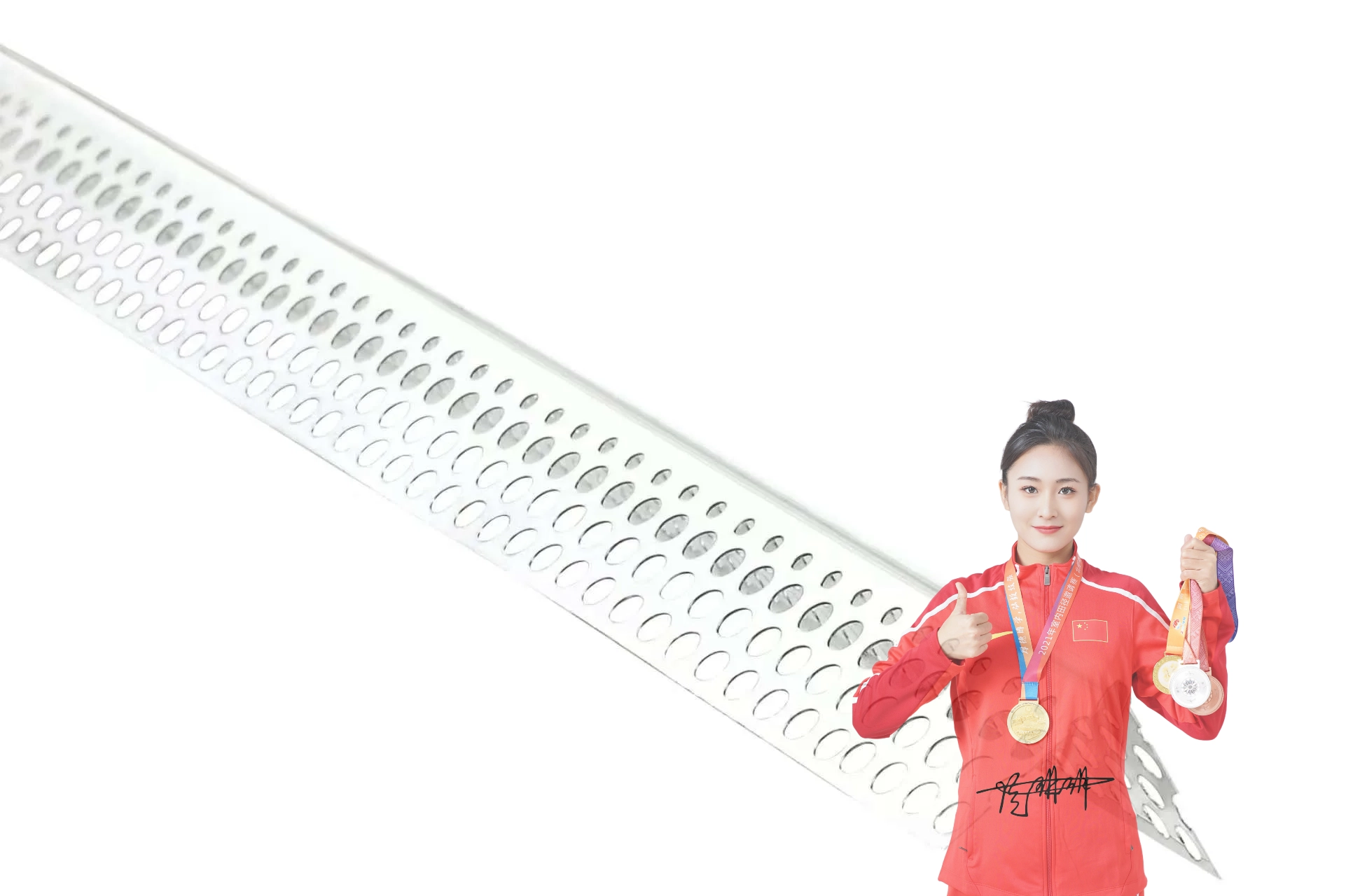
Figure 2: Embossed plaster mesh being applied to a wall for superior reinforcement.
Benefits of Embossed Plastering Mesh
Choosing Embossed Plaster Mesh offers a multitude of advantages that translate directly into superior project outcomes and long-term cost savings.
· Enhanced Plaster Adhesion: The unique embossed surface texture dramatically increases friction and surface area for the plaster to grip onto, significantly improving bonding strength compared to any smooth or flat metal plastering mesh.
· Improved Mechanical Keying: Raised patterns, such as ribs or dimples, act as robust anchoring points embedded within the plaster layer, effectively reducing the risk of delamination and enhancing overall surface integrity.
· Excellent Crack Resistance: By efficiently distributing tension across the plaster surface, Embossed Plaster Mesh helps absorb movement and shrinkage stress—thereby effectively minimizing both hairline and structural cracks.
· Stronger Hold on Ceilings and Overheads: The additional texture provides superior support for plaster when applied to overhead surfaces, effectively preventing sagging or detachment, which is a common challenge with standard meshes.
· Faster and Cleaner Application: With demonstrably improved adhesion, plaster is easier to apply evenly, which translates into a faster workflow, significantly reduced material waste, and a smoother, more professional finish requiring less rework.
· Increased Durability of Plaster Finish: The reinforced structure provided by this galvanised steel mesh sheets extends the lifespan of plastered surfaces, rendering them substantially more resistant to daily wear, environmental stress, and impact.
Manufacturing Process: Precision and Quality
The production of our Embossed Plaster Mesh follows a meticulous, multi-stage process, ensuring consistent quality and superior performance.
1. Material Selection: We begin with high-grade steel coils (Q195 or Q235, as per ASTM A653/A653M or EN 10346), selected for optimal strength and ductility. These coils are typically hot-dip galvanised or electro-galvanised to a specified zinc coating thickness (e.g., 50-275 g/m²) to ensure exceptional corrosion resistance.
2. Slitting: The galvanised steel coils are precisely slit into narrower strips, matching the desired final width of the plastering mesh.
3. Embossing: The steel strips then pass through specialized rollers designed to create the signature embossed patterns (e.g., diamond ridges, ribs, or dots). This critical step increases the surface area and creates the mechanical keying properties essential for plaster adhesion.
4. Mesh Formation (Expanding/Welding):
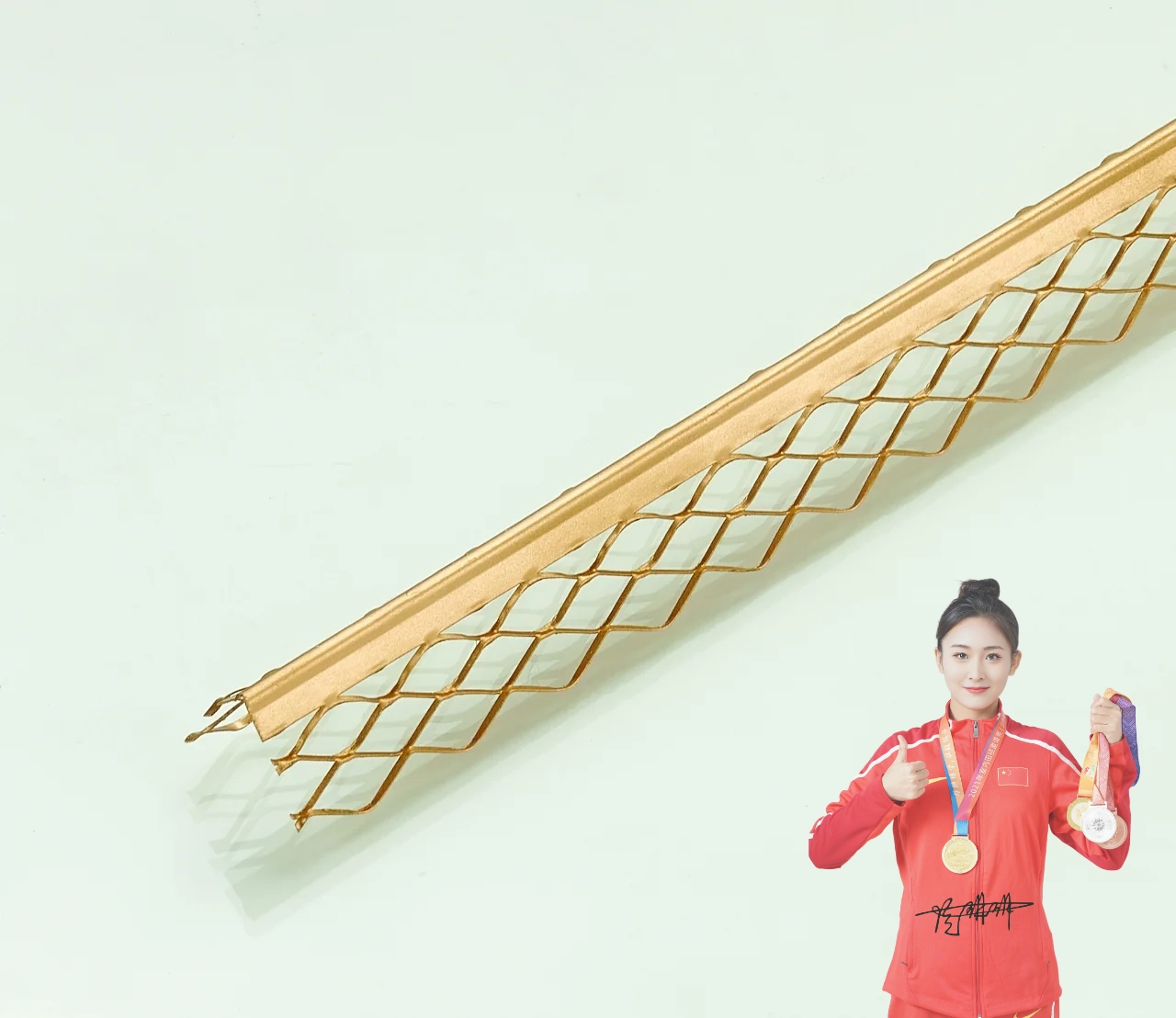
o Expanded Mesh: For expanded perforated mesh sheet, the embossed strips are fed into an expanding machine that simultaneously cuts and stretches the metal, creating a seamless, uniform mesh pattern without welds or interlocks.
o Welded Mesh: For welded variants, individual embossed wires are precision-welded at their intersections to form a grid, offering high tensile strength.
5. Quality Control & Testing: Throughout the process, strict quality control measures are applied. This includes visual inspection for defects, dimensional checks (wire gauge, mesh opening size, width, length), and material testing (zinc coating thickness, tensile strength, yield strength) adhering to standards like ASTM E2201 (for expanded metal lath) and various ISO standards.
6. Finishing and Packaging: The finished metal plastering mesh is then cut to specified lengths or rolled into coils, carefully packaged (e.g., waterproof paper, shrink-wrap, wooden pallets) to prevent damage during transit. Applicable industries include general construction, interior finishing, façade systems, and restoration. The anticipated service life is typically 15-25 years, contingent on environmental conditions and correct installation practices.
Technical Terminology & Usage Scenarios
Understanding key technical terms ensures proper application and maximum benefit from Embossed Plaster Mesh.
· Mechanical Keying: Refers to the physical interlock created between the plaster and the textured surface of the mesh. The embossments on our plastering mesh provide numerous anchor points, preventing plaster from sliding or detaching.
Scenario: Essential for overhead plastering on ceilings or thick render applications on exterior walls, where gravity or weight could otherwise compromise adhesion.
· Substrate: The underlying surface to which the metal plastering mesh and plaster are applied (e.g., concrete, brick, wood, drywall).
Scenario: When plastering over disparate substrates (e.g., old brick meeting new concrete), the mesh creates a uniform bonding surface, minimizing stress concentrations.
· Delamination: The separation of a layer (e.g., plaster) from the underlying surface. The enhanced adhesion of Embossed Plaster Mesh directly combats this.
Scenario: In high-traffic areas or environments with fluctuating temperatures, the mesh prevents plaster from peeling away, preserving the integrity of the finish.
· Thermal Expansion/Contraction: The tendency of materials to change volume with temperature variations. The mesh helps distribute these stresses, preventing cracks.
Scenario: On exterior façades exposed to direct sunlight and cold nights, the mesh mitigates the impact of material movement on the plaster finish.
· Galvanisation: The process of applying a protective zinc coating to steel to prevent rust and corrosion. Our galvanised steel mesh sheets ensure longevity.
Scenario: Ideal for damp environments like basements, bathrooms, or exterior walls, where moisture exposure is a constant concern for metal.
Vendor Comparison: Embossed vs. Flat Plastering Mesh
While various types of plastering mesh exist, the unique design of Embossed Plaster Mesh offers distinct advantages over standard flat options.
Feature | Embossed Plaster Mesh | Generic Flat Metal Mesh |
Plaster Adhesion | Excellent (High mechanical keying due to embossed texture) | Moderate (Relies on surface roughness, less physical interlock) |
Crack Resistance | Superior (Even stress distribution, strong bond prevents cracks) | Good (Provides general reinforcement, but less effective against micro-cracks) |
Overhead Application | Very Good (Strong physical grip reduces sag and delamination) | Challenging (Higher risk of sag/delamination, requires more care) |
Installation Speed | Faster (Plaster grips immediately, less rework) | Standard (May require more initial effort to achieve proper bond) |
Long-term Durability | High (Reduced plaster failure, longer service life of finish) | Moderate (Finish may degrade faster if bond weakens) |
Cost-Effectiveness | High Value (Higher initial cost offset by fewer repairs and extended life) | Lower initial cost, but potentially higher long-term maintenance |
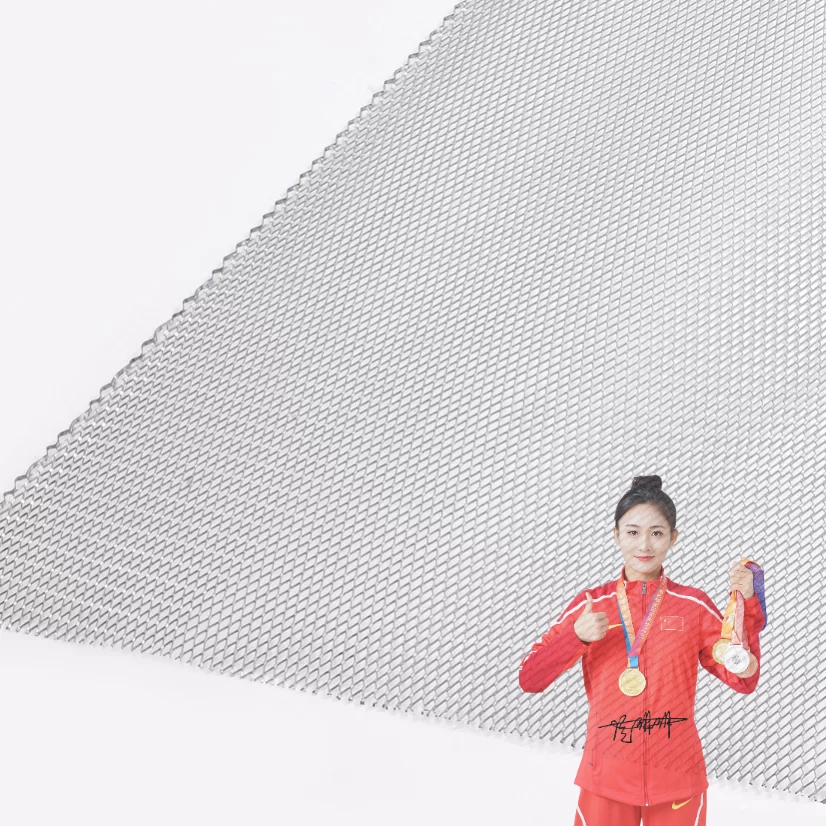
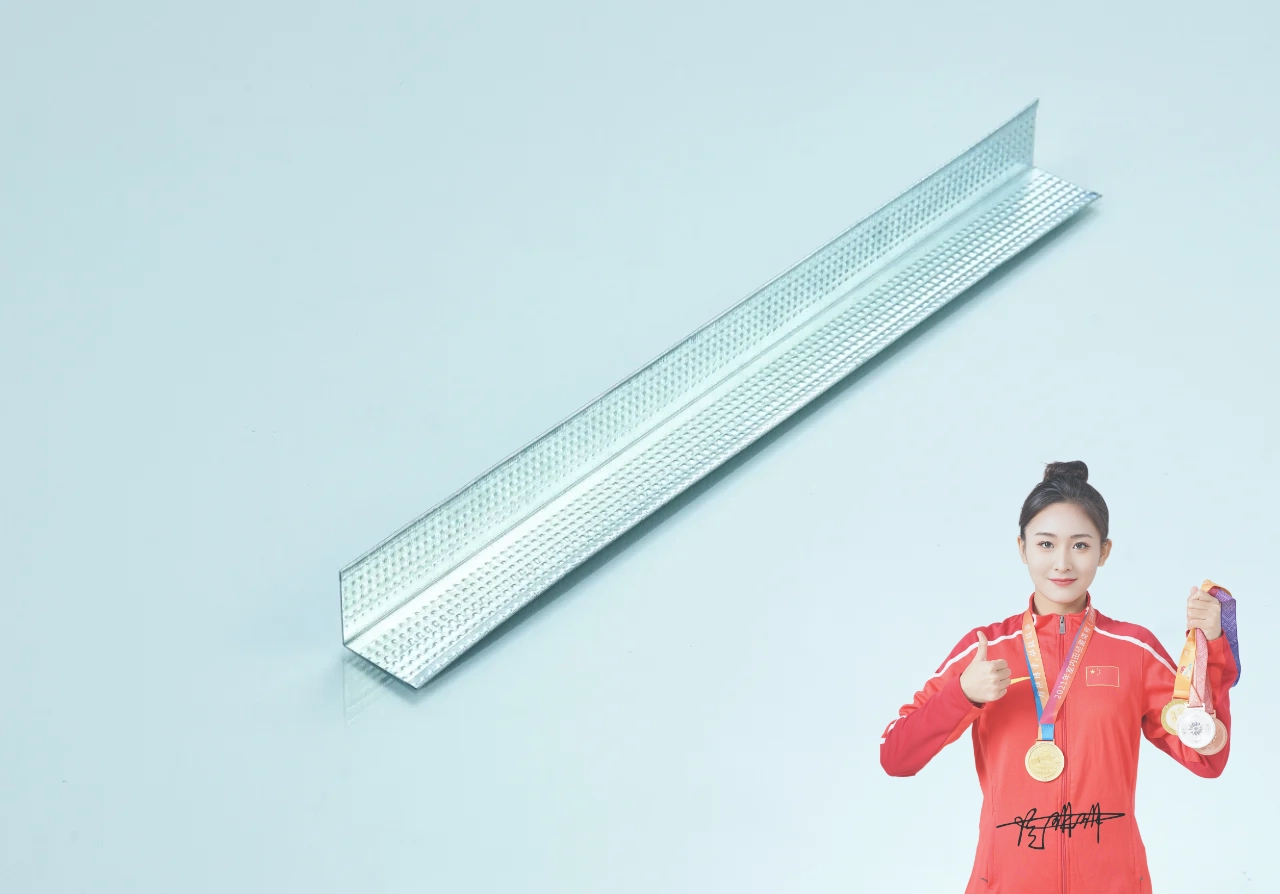
Figure 3: Close-up of the embossed texture, showing enhanced plaster grip.
Customization Options
We understand that every project has unique specifications. Our Embossed Plaster Mesh can be tailored to meet your exact needs.
· Mesh Type: Choose between expanded metal or welded wire configurations, each offering distinct strength and flexibility profiles.
· Wire Gauge/Thickness: Specify the desired wire diameter (e.g., 0.3mm to 0.8mm) for varying levels of rigidity and reinforcement.
· Coating: Options include hot-dip galvanisation for maximum corrosion resistance or electro-galvanisation for lighter applications, with varying zinc coating weights.
· Embossing Patterns: Select from existing patterns (diamond ridge, ribbed, dot-embossed) or discuss custom patterns to suit specific aesthetic or bonding requirements.
· Dimensions: We offer custom roll widths (e.g., 600mm to 1200mm) and lengths (e.g., 20m to 50m) to minimize waste and streamline installation for large-scale projects.
· OEM Packaging: Custom branding and packaging solutions are available for distributors and large-volume orders.
Certifications, Test Data, and Authoritative Standards
Our Embossed Plaster Mesh adheres to stringent international and national quality standards, ensuring reliability and compliance.
· ISO 9001:2015 Certified: Our manufacturing facilities operate under a certified Quality Management System, guaranteeing consistent product quality.
· ASTM Standards: Products comply with relevant ASTM standards such as ASTM A653/A653M (Standard Specification for Steel Sheet, Zinc-Coated (Galvanized) or Zinc-Iron Alloy-Coated (Galvannealed) by the Hot-Dip Process) and ASTM E2201 (Standard Guide for Expanded Metal Lath).
· EN Standards: We meet European norms like EN 10346 (Continuously hot-dip coated steel flat products) and BS EN 10142 (Continuously hot-dip zinc coated low carbon steel sheet and strip).
· Internal Test Data:
o Tensile Strength: Typically ranges from 350 MPa to 500 MPa, depending on the base steel grade, verified through laboratory testing.
o Zinc Coating Adhesion: Tested to ensure robust bonding of the galvanised layer, preventing flaking or peeling.
o Corrosion Resistance: Salt spray tests conducted per ASTM B117 standards to confirm prolonged protection against environmental degradation.
Real-World Case Studies
Discover how Embossed Plaster Mesh has delivered superior results in diverse construction projects.
Case Study 1: Historic Building Renovation, Downtown District
A historic building in a bustling downtown required extensive plaster renovation. The existing brick walls were uneven and showed signs of settlement cracks. Traditional flat metal plastering mesh was trialed but failed to adequately bond with the varied substrate, leading to premature hairline cracks. Upon switching to our Embossed Plaster Mesh, contractors reported significantly improved plaster adhesion, even over the most challenging areas. The embossed texture provided the necessary mechanical keying, resulting in a smooth, crack-free finish that met heritage preservation standards and exceeded client expectations. The project saw a 20% reduction in plaster rework time.
Case Study 2: High-Rise Residential Tower Façade
For a new high-rise residential complex, a robust external stucco system was required to withstand extreme weather conditions. The primary concern was preventing delamination and large-scale cracking due to thermal cycling and wind stress. Our galvanised steel mesh sheets with a specific diamond-ridge embossing pattern were chosen for all external render applications. After two years of exposure, regular inspections confirmed zero instances of delamination and minimal hairline cracking, far outperforming conventional mesh solutions and ensuring the long-term aesthetic and structural integrity of the façade.
Installation Guidelines
Proper installation is key to maximizing the performance of Embossed Plaster Mesh.
1. Prepare Substrate: Ensure the substrate is clean, dry, and free of loose debris. Repair any major structural defects prior to mesh application.
2. Cut Mesh: Cut the perforated mesh sheet to fit the working area precisely using appropriate tin snips or shears.
3. Orient Mesh: Ensure the embossed side of the plastering mesh is facing outward, away from the substrate, to allow for maximum plaster adhesion and mechanical keying.
4. Fix Securely: Fix the mesh securely to the substrate using appropriate fasteners (staples, nails, or screws) at regular intervals (typically 6-8 inches or 15-20cm on center), ensuring it lies flat against the surface.
5. Overlap Edges: Overlap adjacent sheets of mesh by at least 1 inch (25mm) to prevent cracking along seams and ensure continuous reinforcement.
6. Apply Plaster: Apply plaster directly over the mesh in layers as required, ensuring the mesh is fully embedded within the first coat.
7. Finish: Smooth and finish using standard plastering tools once the plaster begins to set, following standard industry practices.
Why Choose Our Embossed Plastering Mesh?
We are dedicated manufacturers and suppliers of high-quality Embossed Plaster Mesh that consistently meets or exceeds industry standards for strength, corrosion resistance, and surface performance. Our advanced embossing process guarantees a consistent texture and uniform quality across every roll and sheet. Whether you're a contractor, builder, or distributor, you can confidently rely on our product for:
· Better bonding and superior finish quality: Achieves professional, long-lasting results.
· Reduced risk of plaster failure: Minimizes costly callbacks and repairs.
· Lower maintenance and repair costs: Ensures long-term value for your projects.
· Faster installation and smoother application: Boosts efficiency on site.
We also offer comprehensive custom embossing types, flexible OEM packaging options, and adaptable order quantities to effectively meet the diverse needs of our global customer base.
Customer Feedback
"We used their Embossed Plaster Mesh on a large commercial project and the results were outstanding. The plaster keyed perfectly, even on challenging surfaces. Our team reported a noticeable improvement in application speed and finish quality."
— Mark T., Senior Project Manager, Apex Construction Group
"For our renovation business, durability is key. The galvanised steel mesh sheets from this supplier have proven to be exceptionally reliable, preventing cracks and ensuring our work lasts. The embossed design truly makes a difference."
— Sarah L., Owner, Heritage Restoration & Plastering
Frequently Asked Questions (FAQ)
Q1: What makes Embossed Plaster Mesh different from standard flat mesh?
A1: The primary difference lies in the embossed surface texture. This creates a far greater mechanical key for plaster to grip onto, significantly improving adhesion and crack resistance compared to the smoother surface of flat metal plastering mesh.
Q2: Can this plastering mesh be used outdoors?
A2: Yes, our Embossed Plaster Mesh is made from galvanised steel, providing excellent corrosion resistance, making it ideal for both interior and exterior applications, including stucco and rendering systems.
Q3: What kind of plaster is compatible with Embossed Plaster Mesh?
A3: It is compatible with a wide range of plaster types, including traditional sand-cement plaster, gypsum plaster, lime-based systems, and synthetic stucco formulations. Its enhanced mechanical keying benefits all these materials.
Q4: How does it contribute to crack prevention?
A4: The mesh's strong bond and even distribution of stress across the plaster layer helps absorb movements and shrinkage, significantly minimizing the formation of both hairline and structural cracks in the finished surface.
Delivery, Warranty, and After-Sales Support
We are committed to providing exceptional service from order to installation and beyond.
· Delivery Time: Standard orders are typically processed and shipped within 10-15 business days. Expedited shipping and larger volume orders can be arranged upon request. We ensure careful packaging to prevent damage during transit.
· Warranty: Our Embossed Plaster Mesh comes with a 5-year limited warranty against manufacturing defects and premature corrosion under normal use and proper installation. Full warranty details are available upon request.
· After-Sales Support: Our dedicated customer support team is available to assist with any technical queries, installation advice, or post-purchase concerns. We are committed to ensuring your complete satisfaction with our products.
Authoritative Sources
1. ASTM International. ASTM A653/A653M - Standard Specification for Steel Sheet, Zinc-Coated (Galvanized) or Zinc-Iron Alloy-Coated (Galvannealed) by the Hot-Dip Process.
2. ASTM International. ASTM E2201 - Standard Guide for Expanded Metal Lath.
3. European Committee for Standardization. EN 10346 - Continuously hot-dip coated steel flat products.
4. The Plastering Handbook: A Guide to Best Practice. Construction Skills Certification Scheme (CSCS) UK.
5. Galvanizers Association. Hot Dip Galvanizing: A Guide to the Process and Its Applications.