Hit enter to search or ESC to close
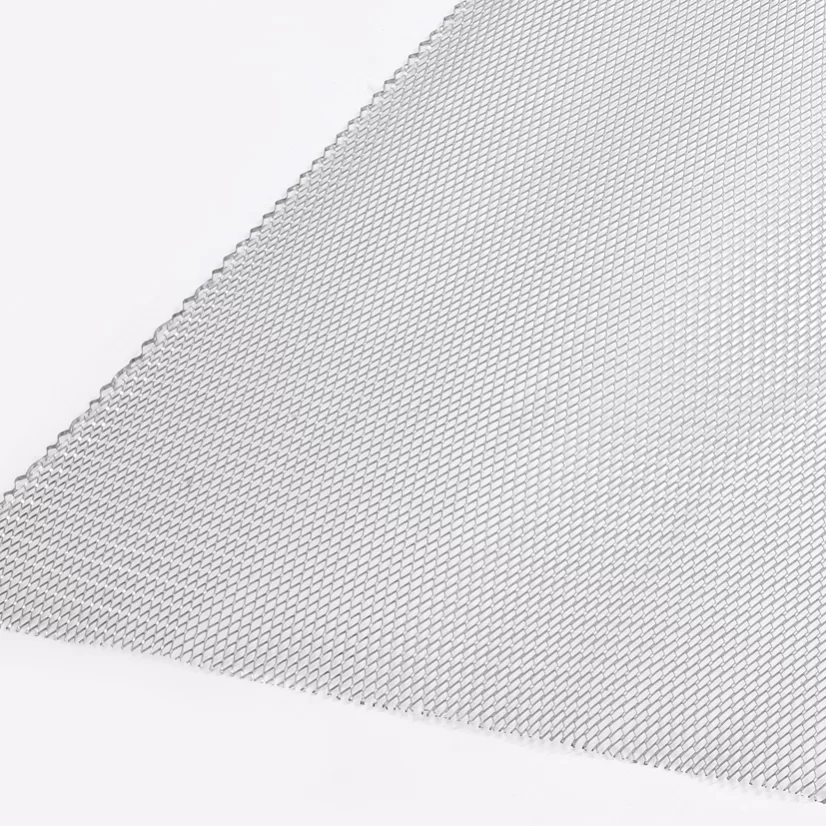
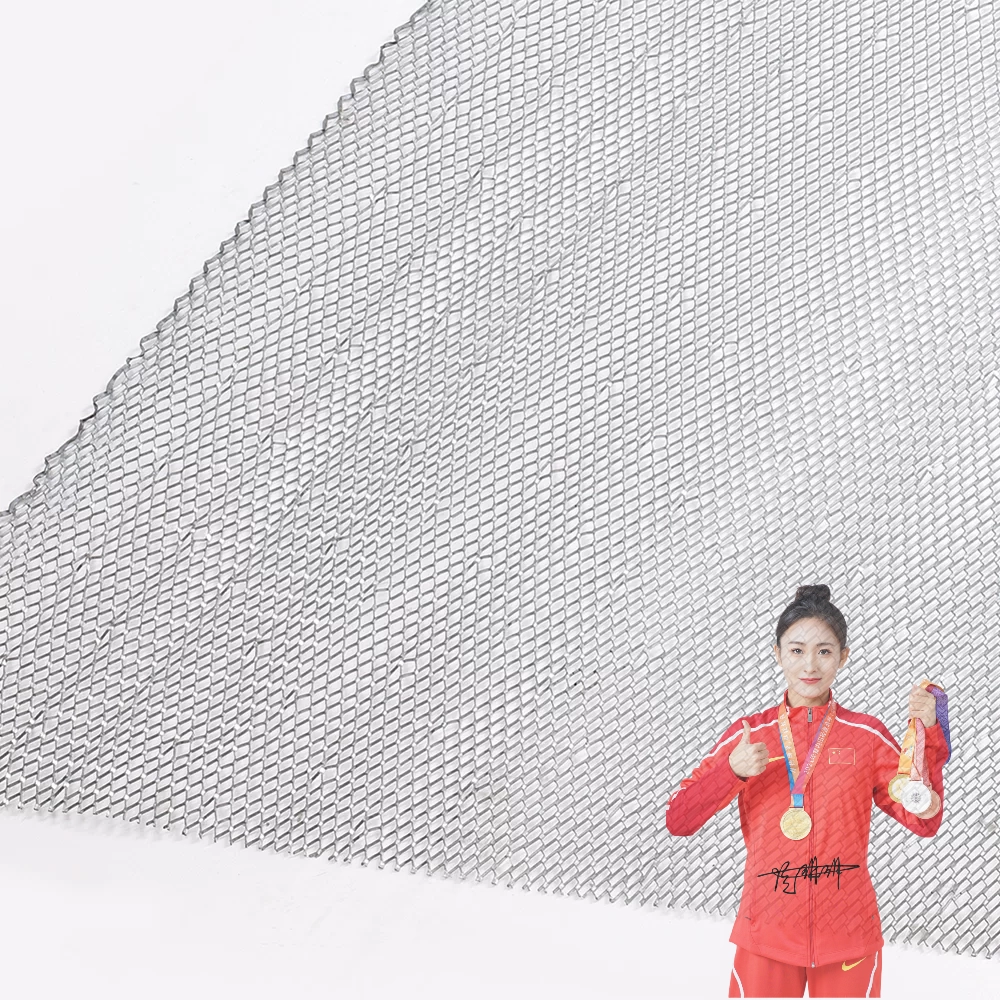
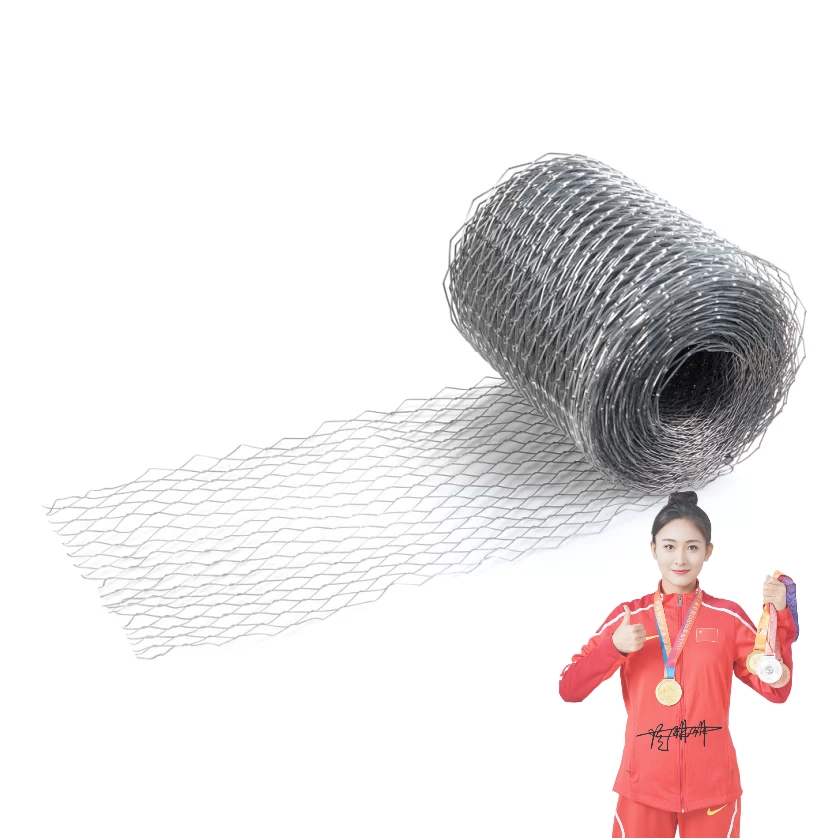
Embossed Plaster Mesh is a premium-grade reinforcement material designed to improve the adhesion and durability of plaster in a wide variety of construction applications. Compared to traditional flat metal mesh, the embossed surface provides additional texture, allowing plaster, stucco, or render to grip more effectively and bond more securely to the substrate. This innovative mesh is ideal for both new constructions and renovation projects where surface bonding and crack prevention are critical.
Embossed plaster mesh refers to galvanized metal mesh—often expanded or welded—that features specially pressed or patterned surface textures. These embossments are engineered to increase the mesh's mechanical keying ability, making it easier for wet plaster to adhere to the surface during application. The result is a longer-lasting, more stable, and crack-resistant plaster finish.
The embossing can be in various forms—raised dots, ribbed lines, diamond ridges, or crosshatch textures—depending on the design and manufacturing technique. This mesh is usually made from galvanized steel to prevent corrosion and is available in rolls or pre-cut sheets for different installation needs.
1. Superior Plaster Adhesion
The embossed surface provides a rougher texture than smooth or flat mesh, which greatly improves the grip between the plaster and the reinforcement layer. This ensures that the plaster bonds tightly to the wall or ceiling, reducing the risk of delamination or peeling.
2. Enhanced Mechanical Keying
Embossed patterns act as mechanical anchors that trap the plaster, creating a more stable and uniform finish. This feature is particularly important in overhead plastering or applications where thick layers of render are required.
3. Crack and Impact Resistance
By reinforcing the plaster layer and evenly distributing stress, the mesh helps to prevent shrinkage cracks, thermal expansion issues, and minor structural vibrations. It also adds durability against surface impact.
4. Corrosion-Resistant Finish
Made from hot-dip galvanized steel or electro-galvanized wire, the mesh resists rust and corrosion even in humid or wet environments, ensuring long service life in both interior and exterior applications.
5. Easy Installation
Despite its reinforced structure, the mesh is lightweight and flexible. It can be cut with standard snips and fastened using staples, nails, or screws, depending on the base material.
6. Available in Various Formats
Embossed plaster mesh is available in different mesh patterns (expanded, welded, or perforated), wire diameters, roll widths, and embossing types to suit a range of project requirements.
1. Wall and Ceiling Plastering
Perfect for use in traditional sand-cement plaster, gypsum plaster, and lime-based systems. The mesh strengthens the plaster coat and improves its adherence to brick, concrete, or drywall substrates.
2. Stucco and Rendering Systems
Widely used in stucco applications (both traditional and synthetic), especially where extra reinforcement is needed on façade surfaces or high-stress areas such as corners, openings, and expansion joints.
3. Renovation and Retrofitting
Embossed plaster mesh is ideal for retrofitting older buildings where the existing substrate may be cracked or uneven. It bridges gaps, covers defects, and creates a uniform base for fresh plastering.
4. Curved and Decorative Structures
Due to its flexibility and conformability, the mesh can be shaped to fit arches, columns, domes, or other decorative elements. The embossed finish ensures even these complex surfaces maintain consistent bonding.
5. Fireproof and Acoustic Walls
In multilayered walls designed for fire resistance or soundproofing, the mesh helps to support heavy plaster coatings and prevent surface failure under thermal or acoustic stress.
1. Enhanced Plaster Adhesion
The embossed surface texture creates more friction and surface area for the plaster to grip onto, significantly improving bonding strength compared to smooth or flat mesh.
2. Improved Mechanical Keying
Raised patterns like ribs or dimples act as anchoring points within the plaster layer, reducing the risk of delamination and increasing overall surface integrity.
3. Excellent Crack Resistance
By distributing tension evenly across the plaster surface, embossed mesh helps absorb movement and shrinkage stress—effectively minimizing hairline or structural cracks.
4. Stronger Hold on Ceilings and Overheads
The additional texture provides better support for plaster when applied to overhead surfaces, preventing sagging or detachment.
5. Faster and Cleaner Application
With improved adhesion, plaster is easier to apply evenly, resulting in faster workflow, reduced waste, and a smoother finish with less rework.
6. Increased Durability of Plaster Finish
The reinforced structure extends the lifespan of plastered surfaces, making them more resistant to daily wear, environmental stress, and impact.
Installation Guidelines
Cut the mesh to fit the working area using appropriate snips or shears.
Fix it securely to the substrate using staples, nails, or screws. Overlap edges by at least 1 inch (25mm) to prevent cracking along seams.
Ensure the embossed side is facing outward for maximum plaster adhesion.
Apply plaster directly over the mesh in layers as required.
Smooth and finish using standard plastering tools once the plaster begins to set.
We manufacture and supply high-quality embossed plaster mesh that meets industry standards for strength, corrosion resistance, and surface performance. Our advanced embossing process ensures consistent texture and uniform quality across every roll. Whether you're a contractor, builder, or distributor, you can rely on our product for:
Better bonding and finish quality
Reduced risk of plaster failure
Lower maintenance and repair costs
Faster installation and smoother application
We also offer custom embossing types, OEM packaging, and flexible order quantities to meet the needs of global customers.