Hit enter to search or ESC to close
Meifei Building Materials (Hebei) Co., LTD specializes in high-quality Brick Mesh designed to enhance the strength and durability of masonry structures. Our welded wire reinforcement solutions are engineered to meet the rigorous demands of modern construction, providing superior crack resistance and load distribution in brickwork applications worldwide.
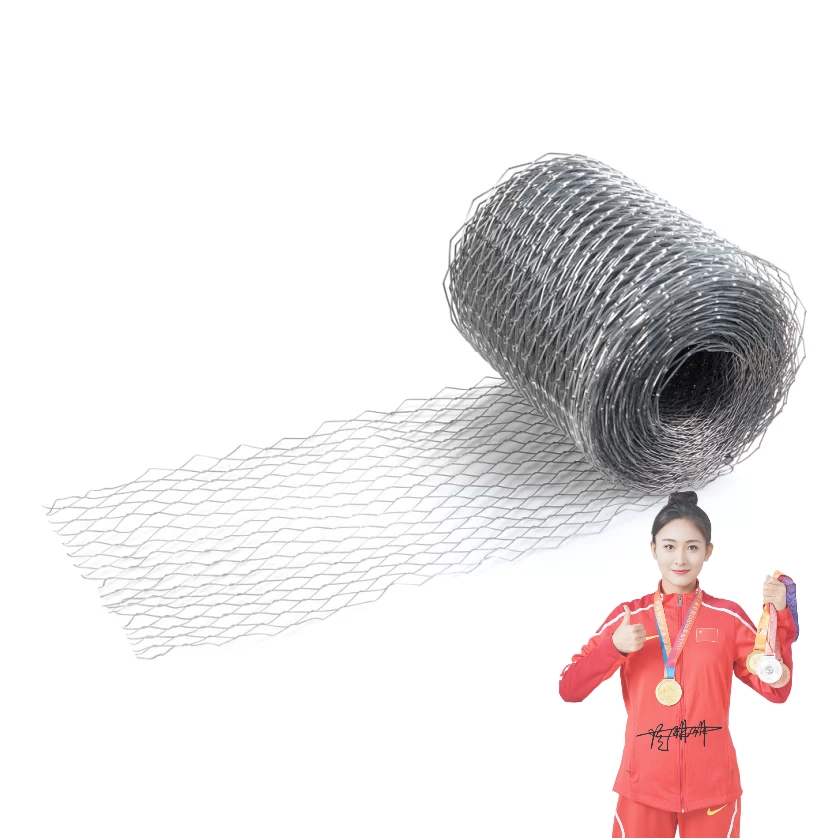
Meifei’s Brick Mesh is crafted from high-tensile steel wires, precision-welded to form a robust grid that integrates seamlessly into mortar joints. This reinforcement significantly improves the structural integrity of brick walls, partitions, and facades, preventing common issues such as cracking due to settlement or thermal movement. The uniform mesh design ensures optimal bonding with mortar, enhancing the overall stability of masonry while maintaining workability during installation.
Our Brick Mesh is widely used in residential, commercial, and infrastructure projects, including retaining walls, boundary fences, and decorative brickwork. Its corrosion-resistant coatings, such as galvanization, ensure long-term performance even in harsh environments, making it a reliable choice for both interior and exterior applications.
Meifei has refined our Brick Mesh to meet international construction standards, offering contractors and builders a dependable solution for reinforced masonry. Backed by our commitment to "Integrity First, Quality Foremost," we continue to innovate, ensuring our products deliver unmatched durability and performance in every project.

Brick mesh serves as a critical reinforcement component in contemporary bricklaying and masonry work, designed to enhance structural integrity and prevent common failure points in brick constructions. This welded wire reinforcement material integrates seamlessly into mortar joints, creating a hidden skeletal framework that significantly improves the durability and longevity of brick walls, partitions, and other masonry elements.
The primary function of brick mesh lies in its ability to distribute structural stresses evenly throughout the masonry work. As buildings naturally settle and experience thermal expansion and contraction, brick mesh acts as a stabilizing agent that minimizes cracking and maintains wall stability. The steel wire grid, typically made from galvanized or stainless steel for corrosion resistance, bonds with the mortar to create a unified structural system that outperforms unreinforced brickwork in both tension and compression.
Installing mesh reinforcement on brick surfaces requires careful preparation and proper technique to ensure optimal adhesion and structural performance. The attachment method varies depending on whether the mesh is being applied to an existing brick wall or incorporated into new masonry construction, with each approach requiring specific materials and installation practices.
For new brickwork, the mesh integrates directly into the mortar joints during the bricklaying process. Workers carefully unroll and position the welded wire mesh horizontally between brick courses, typically every 2-4 layers depending on structural requirements. The mesh must lay flat within the fresh mortar bed, completely embedded with adequate mortar coverage on all sides to prevent corrosion while maintaining proper bond strength. Special attention ensures the mesh doesn't shift during bricklaying and remains properly aligned at wall intersections.
When reinforcing existing brick surfaces, contractors typically use mechanical fasteners combined with a base coat. After cleaning and preparing the substrate, they secure the mesh with corrosion-resistant masonry nails or specialized clips driven into the mortar joints at regular intervals. An alternative method involves applying a scratch coat of mortar or adhesive first, then embedding the mesh into this layer before it fully sets. The mesh must maintain consistent tension without sagging or gaps, with all edges properly secured at corners and openings.
Proper overlap of mesh sections (typically 2-3 inches) creates continuous reinforcement, while maintaining the manufacturer's recommended coverage rates ensures structural effectiveness. The installation concludes with full embedding of the mesh in the base coat material, creating a unified reinforced surface ready for finishing treatments. Careful attention to these installation principles guarantees the mesh performs its reinforcing function throughout the structure's lifespan.