Understanding GI Expanded Metal Mesh: Small Steel, Big Impact
At first glance, gi expanded metal mesh might seem like just another industrial material — but it packs serious punch in construction, safety, and environmental projects worldwide. Why does it matter? Well, in an era where durability, sustainability, and efficient use of resources top everyone’s list, this galvanized iron (GI) product offers clever engineering and countless practical advantages. Knowing its core benefits sheds light on how industries from infrastructure to disaster relief are quietly leveraging this versatile material to solve global challenges.
The Global Context: Why GI Expanded Metal Mesh Is More Relevant Than Ever
When you consider the construction and manufacturing sectors globally, steel-based materials are front and center. According to the World Steel Association, world crude steel production crossed 1.9 billion tonnes in 2023 — most destined for infrastructure that must withstand weather, impact, and wear. GI expanded metal mesh fits snugly in this narrative as a cost-effective, resilient solution. It solves problems like structural reinforcement, anti-slip surfaces, and improved ventilation with a unique open-weave pattern that uses less metal but stays strong.
Oddly enough, in disaster-prone regions around Asia and Africa, this mesh supports quick rebuilding methods — for example, temporary shelters rely on it for securing walls and barriers without sacrificing breathability. With the UN pushing sustainability goals (like SDG #9, Industry Innovation and Infrastructure), products like gi expanded metal mesh align with that mission beautifully. They provide scalable, reliable frameworks amid increasing urbanization and climate challenges.
What Exactly Is GI Expanded Metal Mesh?
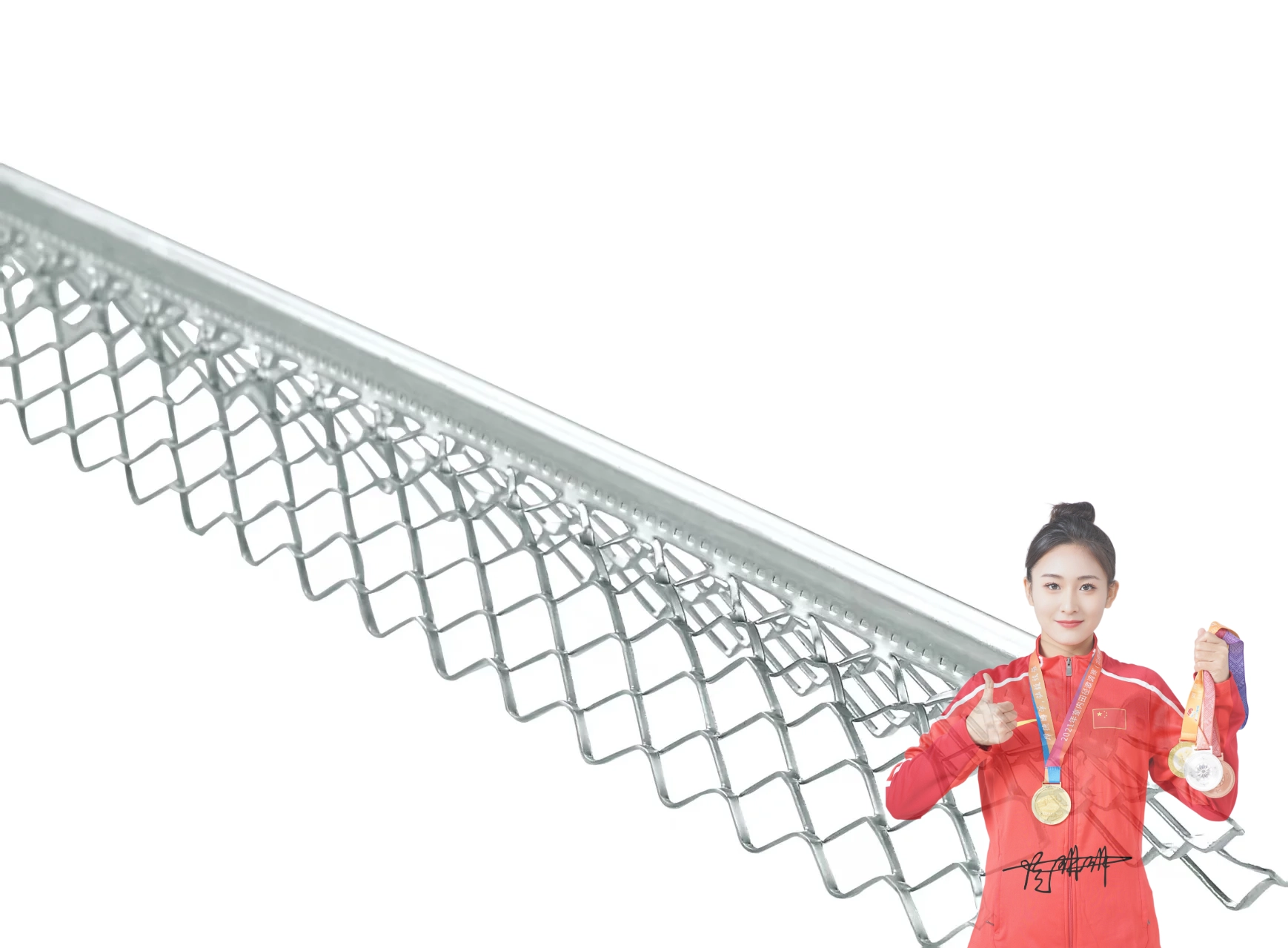
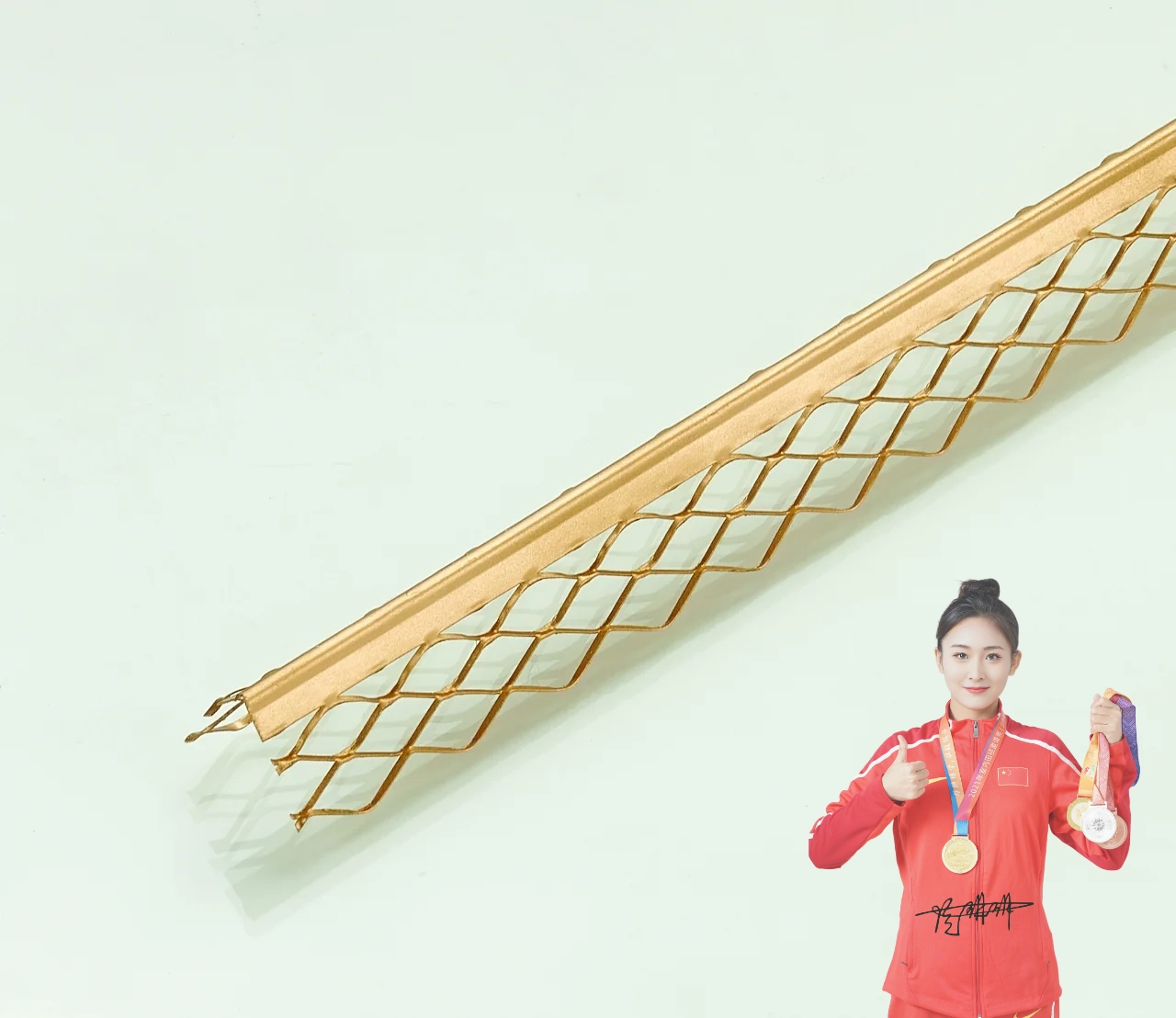
Simply put, gi expanded metal mesh is a sheet of galvanized iron that has been mechanically slit and stretched to form diamond-shaped openings, kind of like a metallic net. The galvanization (zinc coating) layer prevents rust, extending life — which is why it’s so popular in outdoor or harsh environments. It’s not just about the mesh pattern, though; the expanding process removes waste metal, making production more efficient and the final product lighter yet stiff.
This material connects deeply with modern industry needs: it’s cheap, durable, and lightweight, enabling safer walkways, ventilation panels, and barriers without costly solid steel sheets. Humanitarian efforts also find it useful when ventilation and protection are equally critical, like in refugee housing or emergency walkways.
Core Components That Define GI Expanded Metal Mesh
Durability and Corrosion Resistance
The zinc coating on GI mesh significantly slows oxidation, making the mesh a top pick where rain, humidity, or salt air are unavoidable. Many engineers I’ve spoken with highlight how this property often extends the lifespan of GI mesh by 3–5 times compared to bare steel.
Weight and Strength Balance
The expanding process oddly enough reduces raw material waste and creates a lightweight profile without sacrificing tensile strength. This balance enables easier installation, lowers transportation costs, and decreases structural load—a big deal on large buildings and walkways.
Versatility and Scalability
You can customize the aperture size, wire thickness, and sheet size, tailoring each batch for specific uses — from fine security fencing to wide walkways. It’s like a tailored suit of steel: fits the need perfectly.
Cost Efficiency
Compared to solid metal sheets or welded wire mesh, gi expanded metal mesh often wins hands down on price per square foot — and its installation requires less labor time. Frankly, it’s no wonder contractors favor it for both big projects and smaller jobs.
Safety and Grip
The open diamond pattern creates natural anti-slip surfaces, critical in factories, catwalks, and stair treads. This is especially important in wet or oily environments.
Real-World Applications of GI Expanded Metal Mesh
- Infrastructure Projects: In Europe and North America, it forms the backbone of highway guardrails, ventilation grilles, and reinforced floors.
- Disaster Relief: NGOs in Southeast Asia use gi expanded metal mesh extensively for quickly assembled shelters providing airflow while maintaining security.
- Industrial Zones: Factories worldwide rely on it in platforms, machine guards, and fencing due to its longevity and safety properties.
- Agricultural Use: It’s used for fencing and cages that provide durability without preventing sunlight or airflow for animals and crops.
In India’s rapid urban development zones, this mesh has even found use as decorative yet functional façade cladding, blending aesthetic needs with functional benefits.
Mini Takeaway:
GI expanded metal mesh wields significant global impact by balancing strength, affordability, and versatility — proving critical in sustainability and safety efforts worldwide.
Advantages and Long-Term Value of Using GI Expanded Metal Mesh
- Cost Savings: Reduced material waste during manufacturing plus quicker installation equals tangible savings on projects.
- Sustainability: Zinc coating prevents frequent replacements, cuts raw steel demand, and enables reuse.
- Improved Safety: Enhanced grip on surfaces helps prevent workplace accidents.
- Adaptability: Easy to incorporate into diverse designs leads to innovation across sectors.
There’s an emotional side to this too: providing durable, safe frameworks builds trust among workers and communities alike, a quiet reassurance that sometimes gets overlooked in purely technical talks.
Take a Detailed Look: Typical GI Expanded Metal Mesh Specifications
| Specification |
Standard Range |
Typical Use |
| Metal Type |
Galvanized Iron (GI) |
Corrosion resistance for outdoor & industrial uses |
| Thickness (Gauge) |
14 - 22 Gauge |
Walkways, fencing, security panels |
| Mesh Opening Size |
12mm x 24mm to 50mm x 100mm |
Ventilation, light passage, grip surfaces |
| Sheet Width |
1m to 1.2m |
Fits standard structural frames |
| Coating Thickness |
30-60 microns zinc layer |
Enhanced rust prevention |
Comparing Trusted Vendors of GI Expanded Metal Mesh
| Vendor |
Customization Options |
Lead Time |
Price Range |
Region Served |
| Alpha Metals |
Mesh size, thickness |
2 weeks |
$$ |
North America, Europe |
| Global Steel Works |
Custom sheets & sizes |
1 week |
$$$ |
Asia, Africa |
| EcoMesh |
Limited (standard sizes) |
3 weeks |
$ |
Worldwide |
Emerging Trends and Innovations in GI Expanded Metal Mesh
Green construction is pushing the envelope, and gi expanded metal mesh isn’t staying still. Newer coatings aiming to reduce environmental impact (such as advanced cold galvanizing sprays) are on the rise. Oddly enough, some firms experiment with hybrid materials — combining GI mesh with composites for better strength-to-weight ratios.
Digital design tools now allow for precision customization, letting architects experiment with more organic façade patterns that integrate ventilation and safety seamlessly. And with increasing automation on factory floors, the production of expanded metal mesh is becoming more consistent, reducing waste further. The future feels both leaner and stronger.
Challenges and Solutions: What Holds Back GI Expanded Metal Mesh
Despite advantages, there are limitations: The mesh size limits some heavy-load structural applications, and zinc coatings can wear under extreme abrasion or chemical exposure. Plus, quality varies widely across vendors — meaning spec compliance must be checked carefully.
Experts recommend rigorous onsite testing and sometimes pairing GI expanded metal mesh with protective paints or polymer coatings for tougher conditions. Supplier audits and certifications (ISO 9001, ASTM standards) can help ensure reliable quality and performance.
FAQ: Your Top Questions About GI Expanded Metal Mesh
- What is the typical lifespan of gi expanded metal mesh outdoors?
- When properly galvanized with a quality zinc coating, the mesh can last 15–25 years outdoors, depending on exposure. Regular maintenance helps extend this life.
- Can GI expanded metal mesh be customized for different project needs?
- Yes. Vendors usually offer variations in sheet size, mesh opening, and thickness. Custom orders might require longer lead times but provide exact specifications.
- Is gi expanded metal mesh suitable for humid or coastal environments?
- Absolutely. The galvanization provides corrosion resistance ideal for humid and salty air conditions. For extreme environments, additional protective coatings may be suggested.
- How quickly can gi expanded metal mesh be installed?
- Installation times vary by project size but typically, the lightweight sheets and modular design speed up installation compared to solid steel sheets.
- Where can I buy authentic gi expanded metal mesh?
- Several reputable manufacturers worldwide offer it — including suppliers specializing in industrial and construction materials like gi expanded metal mesh. Always check certifications and reviews before purchase.
Final Thoughts: The Long-Term Promise of GI Expanded Metal Mesh
GI expanded metal mesh holds a uniquely practical charm — being both simple and transformative. Its broad global applications, combined with unmatched cost efficiency and sustainability credentials, make it an enduring material choice. Whether you’re building safer urban walkways, assisting disaster relief efforts, or improving industrial facilities, this mesh quietly empowers innovation and resilience.
Curious? Visit our website: https://www.cornerbeadmfr.com to explore high-quality gi expanded metal mesh, and see how it can meet your project needs.
References
- World Steel Association
- UN Sustainable Development Goal #9
- Wikipedia - Expanded metal