Why Hexagon Perforated Sheet Metal Matters Worldwide
Hexagon perforated sheet metal might sound like a mouthful of industrial jargon, but it's quietly reshaping countless sectors across the globe. From architectural designs to air filtration systems, this seemingly simple material innovation packs a punch. Its patterned perforations bring not only aesthetic value but engineering and environmental benefits that address real-world challenges — especially in infrastructure resilience and resource efficiency.
Understanding what hexagon perforated sheet metal is and why it’s gaining traction worldwide lets manufacturers, architects, engineers, and even humanitarian groups make smarter choices. With swelling urban populations and environmental concerns, materials that offer efficiency plus versatility are in high demand. Plus, grasping its nuts and bolts (pun intended) can unlock new applications you might not expect.
Hexagon Perforated Sheet Metal in a Global Context
In an era when the construction industry alone accounts for 39% of global carbon emissions (source: IEA), innovations that reduce waste and enhance material performance carry heavyweight significance. Hexagon perforated sheet metal fits this bill. By providing controlled airflow, increased strength, and lighter weight alternatives, it helps reduce material consumption and energy use.
The United Nations’ Sustainable Development Goals also highlight resilient infrastructure and sustainable industrialization as key objectives (UN SDG 9). Hexagon perforated metals, widely used in filtration, facades, and protective barriers, respond to these aims by offering durable, recyclable options without compromising performance.
But it’s not all rosy. Challenges like supply chain interruptions or inconsistent production quality still lurk in this niche market. The demand for improved uniformity in perforation and consistent tensile strength means innovators have their work cut out for them.
What Exactly Is Hexagon Perforated Sheet Metal?
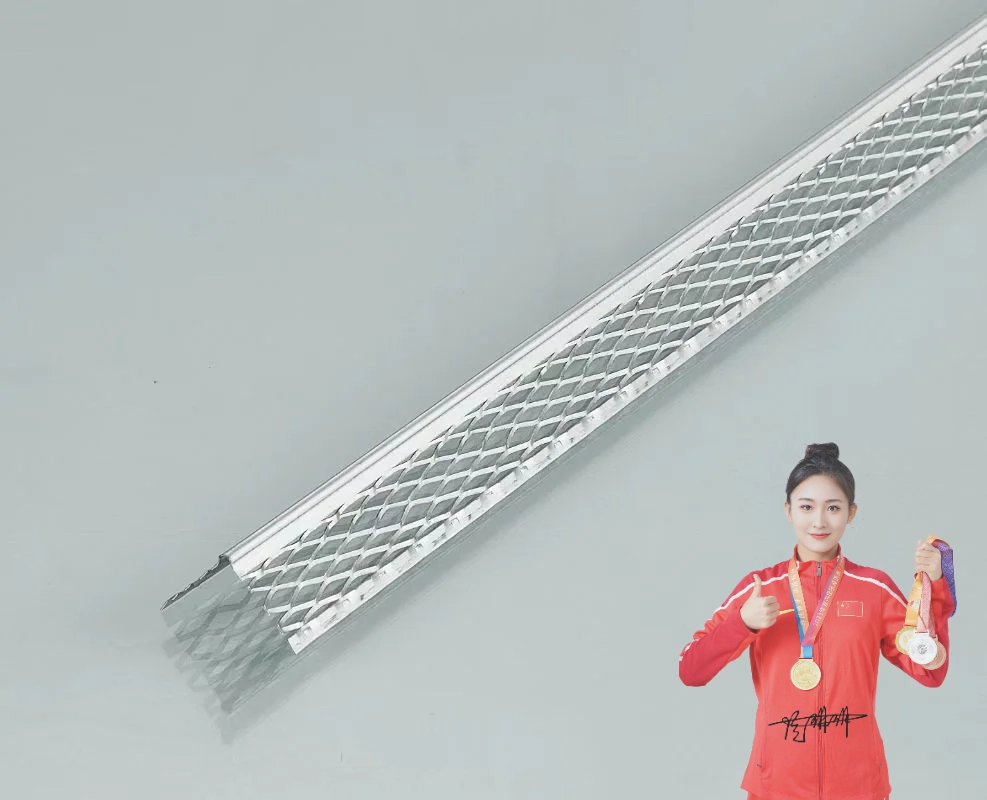
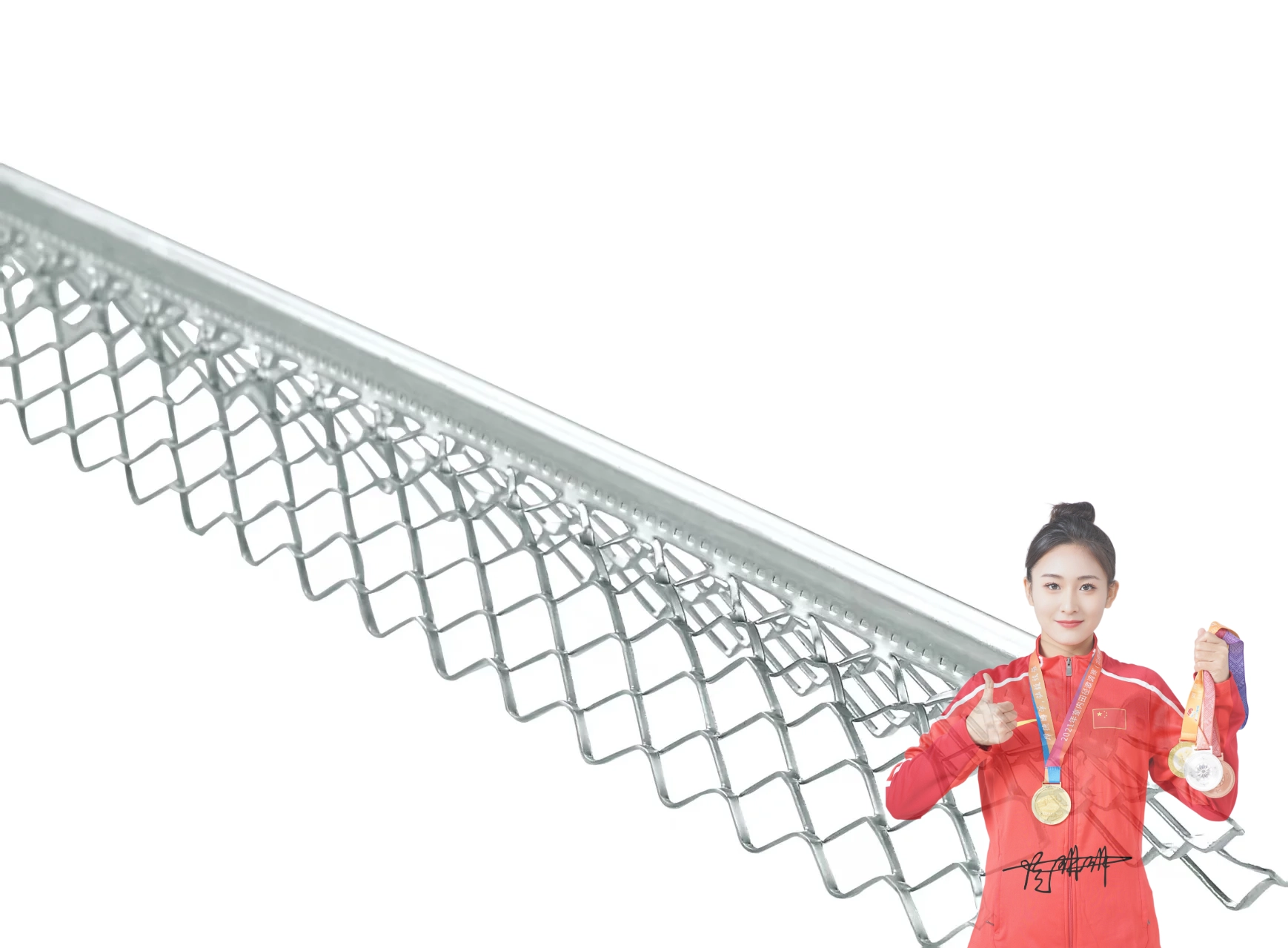
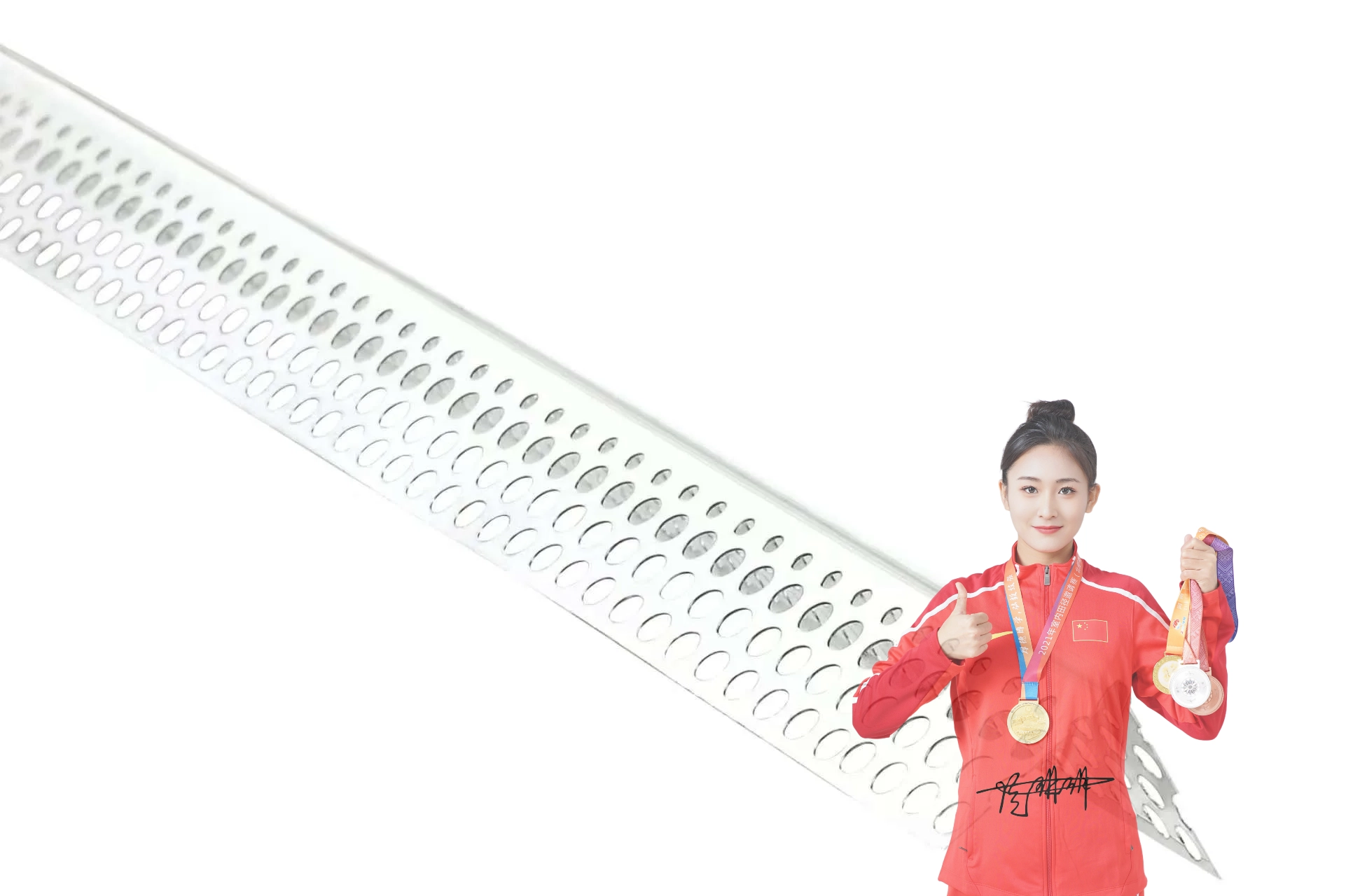
In plain terms, it’s sheet metal that’s been punched or stamped with tiny hexagonal (six-sided) holes arranged in a precise pattern. Unlike traditional round or square perforations, these hexagons optimize space filling — think of a honeycomb lattice — which boosts structural integrity while allowing airflow or light through the surface.
This shape creates a strong yet lightweight mesh applicable across many industries. From modern building facades that breathe and reduce HVAC loads, to industrial sieves or acoustic panels, the hexagonal pattern is both functional and elegant.
Oddly enough, this concept also spills over into humanitarian efforts: temporary shelters enhanced with perforated panels can increase ventilation while keeping privacy, critical in disaster zones.
Core Features That Make It Tick
Durability and Strength
Engineers love how the hex shape distributes stress evenly — similar to how a bee’s honeycomb handles weight. This means less metal needed without losing strength. In tough environments, this can translate to longer equipment life and fewer maintenance headaches.
Ventilation and Filtration Capabilities
The perforations allow air or fluids to pass through efficiently — perfect for air conditioning grills, sound proofing panels, or water filtration systems. This adaptability makes the metal sheet indispensable.
Customization and Scalability
Manufacturers can tweak hole size, thickness, and metal type—whether stainless steel, aluminum, or carbon steel—to fit precise application needs. This flexibility keeps costs manageable while meeting various industry demands.
Cost Efficiency
Using less raw material without sacrificing performance is a win for budgets and sustainability alike. Plus, industries can reduce energy consumption in HVAC or production by incorporating these panels.
Specifications at a Glance
| Specification |
Details |
| Material |
Stainless Steel, Aluminum, Carbon Steel |
| Thickness |
0.5 mm – 3.0 mm |
| Hole Size |
2 mm – 15 mm (hexagonal) |
| Open Area Percentage |
20% – 50% |
| Finish |
Powder coating, Galvanized, Anodized |
| Max Sheet Size |
1500 mm x 3000 mm |
Mini takeaway: Hexagon perforated sheet metal combines strength, airflow, and design versatility, making it a top choice for modern industries.
Who’s Using Hexagon Perforated Sheet Metal?
Globally, heavy industries, architects, and mechanical engineers have adopted this product for everything from filtration systems in Southeast Asia to cultural landmark cladding in Europe. For instance, industrial plants in Germany favor this material to enhance air and liquid filtering while reducing noise. Meanwhile, in fast-growing urban centers in Africa, local governments have employed these panels to construct ventilated security fencing.
In humanitarian relief, NGOs use hexagon perforated paneling for sturdy, breathable shelters, improving living conditions in temporary camps — a subtle but impactful contribution.
Vendor Comparison: A Quick Snapshot
| Manufacturer |
Material Options |
Customization Level |
Typical Lead Time |
Price Range |
| HexaMetal Co. |
Stainless Steel, Aluminum |
High (custom hole sizes) |
2-3 weeks |
$$$ |
| Global Perforators |
Carbon Steel, Aluminum |
Medium (standard sizes) |
1-2 weeks |
$$ |
| PerforaTech |
Stainless Steel only |
Low (catalog items) |
5 days |
$ |
Mini takeaway: Selecting a vendor depends on your project’s budget, customization needs, and timeline. Each option has trade-offs.
Long-Term Benefits You Can’t Ignore
Hexagon perforated sheet metal isn’t just a functional choice; it’s also sustainable. The metal is recyclable, and by optimizing thickness and open area, manufacturers reduce waste and cut down on energy during production. This shows up in the final product’s life cycle — less material, less weight, less carbon footprint.
Emotionally, knowing the material protects assets or communities adds peace of mind. For example, its use in architectural facades doesn't just look cool; it improves building ventilation to help occupants feel better and reduce cooling costs.
What Does the Future Hold?
Emerging trends point towards integrating smart coatings — self-cleaning, anti-corrosion layers — into hexagon perforated sheets. Also, additive manufacturing (3D printing) might soon allow more complex perforation patterns tailored per application, beyond simple hexagons.
Plus, as governments push green procurement policies, expecting stricter environmental compliance, manufacturers who innovate on material sourcing and production transparency will have the edge.
Common Challenges and How to Tackle Them
In real terms, uneven hole placement or inaccurate perforation size can reduce the strength or utility of the sheet metal. To combat that, laser cutting and CNC machines are increasingly used instead of conventional stamping, though costs might rise.
Also, shipping large sheets can be costly and prone to damage—there’s always a trade-off. Modular packaging and strict handling protocols help reduce these risks.
FAQs on Hexagon Perforated Sheet Metal
1. What industries most commonly use hexagon perforated sheet metal?
You’ll find it in construction (facades, screening), automotive (grilles, sound absorbers), appliances (filters), and even in humanitarian shelters. In each, its unique shape delivers airflow and strength benefits.
2. Is this material eco-friendly compared to solid sheet metal?
Yes. It uses less metal overall because of the open pattern, reducing raw material consumption. Plus, the metal itself is often recyclable, making it a greener choice.
3. Can the hole size be customized for specific ventilation or filtration needs?
Absolutely. Most vendors offer a range of hole sizes, and many can tailor orders to precise dimensions depending on the application.
4. How durable is hexagon perforated sheet metal in outdoor conditions?
When fabricated from stainless steel or treated with protective coatings, it resists corrosion and can last decades, even in harsh environments.
5. Where can I find a trusted supplier for custom hexagon perforated sheet metal?
You could start by checking manufacturers with solid portfolios and transparent certification, such as the ones compared earlier. Also, visiting hexagon perforated sheet metal suppliers’ websites can offer insights on capabilities and materials.
Wrapping Up: Why It’s Worth Your While
Hexagon perforated sheet metal is more than just holes in metal—it’s a carefully engineered material that responds to global needs for efficiency, sustainability, and durability. Whether you’re crafting a building facade that breathes, designing industrial filtration systems, or even helping temporary shelters to provide better air flow, this product helps you do it smarter.
For those curious to learn more or source quality hexagon perforated sheets, visit our website to explore options that fit your project’s unique needs.
References:
1. International Energy Agency (IEA) - Low Carbon Transition in Buildings
2. United Nations Sustainable Development Goals (SDG 9) - Industry, Innovation and Infrastructure
3. Wikipedia - Perforated Metal