Why Mesh Stainless Steel Sheets Matter in Today's World
When you first hear "mesh stainless steel sheet," you might think of some niche industrial product tucked away in factories. But honestly, it's far more. These sheets, which combine strength and versatility with corrosion resistance, are quietly solving problems across industries globally. From protecting infrastructures in harsh environments to enabling safer construction in disaster zones, understanding mesh stainless steel sheets means understanding how resilient materials shape our modern world. Plus, when sustainability and durability are in the mix, it’s a win-win that the world desperately needs.
Global Context: Why Mesh Stainless Steel Sheets Are a Growing Priority
Globally, construction and manufacturing sectors consume billions of tons of metal products annually. According to the United Nations Environment Programme (UNEP), sustainable material choices are ranking higher on industry checklists as countries strive to meet climate goals.1 What does this mean for mesh stainless steel sheets? Their corrosion resistance means longer lifespans, less waste, and fewer replacements. Plus, organizations working in disaster relief often need materials that are both lightweight and sturdy—enter these mesh sheets. They’re crucial for everything from filtration systems to protective barriers, especially in regions susceptible to extreme weather events.
Oddly enough, despite being a “metal mesh,” this material often performs better environmentally than traditional solid sheets. It combines strength with ventilation, uses less raw material, and often requires less energy to produce — all aligning with ISO’s guidelines on sustainable manufacturing.2 But more on that soon…
What Exactly Is a Mesh Stainless Steel Sheet?
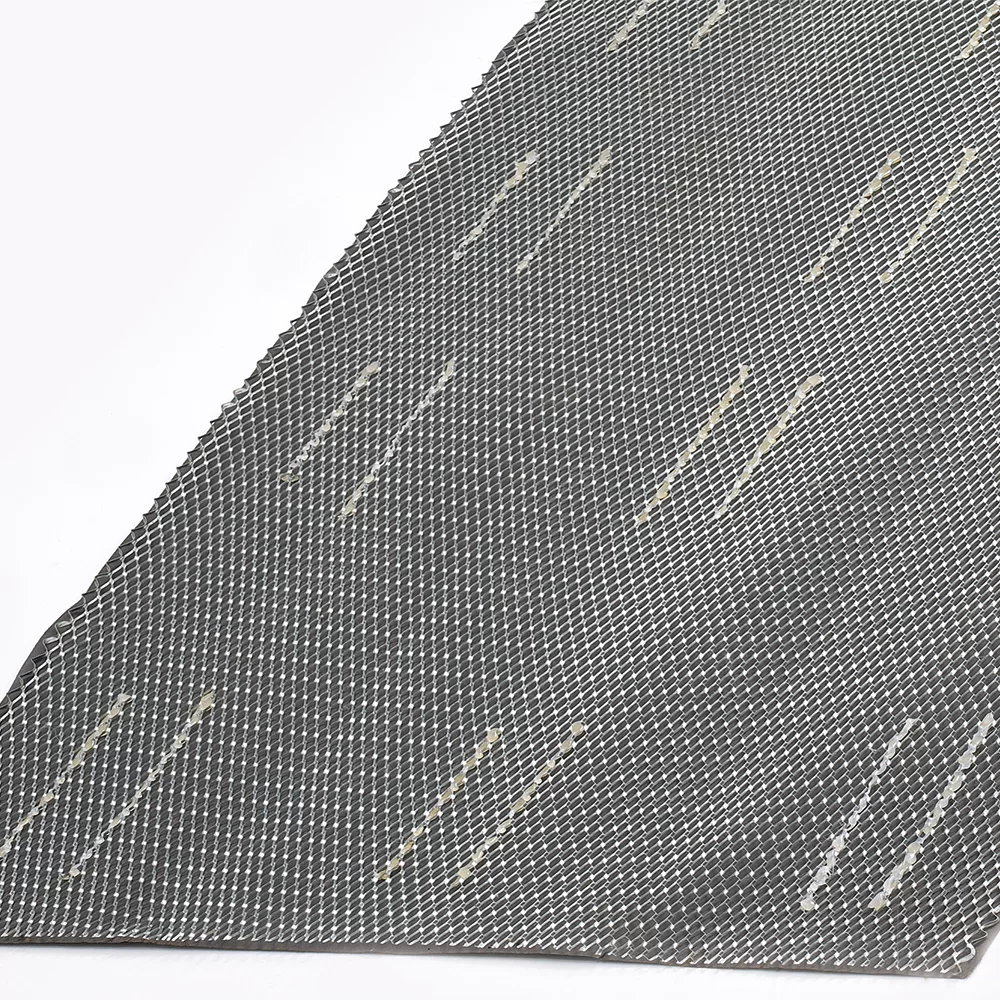
Simply put, a mesh stainless steel sheet is a flat metal sheet woven or expanded into a net-like pattern. This pattern creates a grid of openings that can vary from fine to coarse, depending on the intended use. Think of it as a screen with the toughness of stainless steel. That means it’s not only rust-resistant but also incredibly durable.
This mix of characteristics explains why industries love it: it supports airflow, filters particles, and withstands wear and tear much better than many alternatives. From industrial sieves to architectural designs, its applications run deep. And humanitarian agencies increasingly rely on it for water filtration and construction in remote or emergency scenarios.
Key Aspects That Define Mesh Stainless Steel Sheets
1. Durability
One of the undeniable virtues here is the combination of stainless steel’s corrosion resistance with the mesh’s ventilation features. This means these sheets last longer, even in humid, salty, or acidic environments, which practically rules out early rusting or failure.
2. Versatility in Design
You can get mesh stainless steel sheets in various grades (like 304, 316), mesh sizes (micro to large apertures), and thicknesses. This flexibility means they fit needs ranging from architectural facades to industrial filtering systems.
3. Cost Efficiency
While initially pricier than plain steel mesh, the longevity reduces maintenance and replacement costs. So, in the long run, many engineers I spoke to claim it’s a wiser investment.
4. Safety and Security
The toughness of stainless steel provides secure barriers or protective layers against physical impacts or environmental hazards — think protective fencing, machine guards, or secure ventilation.
5. Environmental Benefits
Stainless steel is 100% recyclable. Plus, its sheer durability means less material gets sent to landfills. The mesh style also means less raw metal is used per sheet, an oddly eco-friendly touch for steel products.
Quick Takeaway:
Mesh stainless steel sheets blend strength, adaptability, and eco-conscious design. These qualities make them go-to materials across industries demanding reliability and sustainability.
Real-World Applications: From Factories to Field Relief
You’ll spot mesh stainless steel sheets everywhere once you know what to look for. In Asia’s booming manufacturing hubs, they’re key to filtration systems, separating particulates in chemical plants. In Europe, historic building renovations sometimes use mesh sheets for facade protection without altering look or airflow. And in Africa, NGOs use them to filter drinking water in disaster-hit areas, a literal lifesaver.
Industrial zones in North America rely on these sheets for machine guards, ensuring worker safety without cutting airflow or visibility. The oil and gas industry in the Middle East prefers them for durability in corrosive environments. And surprisingly, architects in Australia have been experimenting with stainless steel mesh as sunscreens or exterior shading that look stunning and reduce cooling energy.
Product Specification at a Glance
| Specification |
Details |
| Material Grades |
304 / 316 / 310 Stainless Steel |
| Mesh Aperture |
From 0.5 mm to 20 mm openings |
| Sheet Thickness |
0.3 mm to 5 mm |
| Finish |
Mill finish, Polished, Electro-polished available |
| Standard Sizes |
1,000 mm x 2,000 mm (custom sizes on request) |
Comparing Leading Vendors: What to Expect
| Vendor |
Pricing |
Customization Options |
Lead Time |
Sustainability Certifications |
| StainlessPro Co. |
$$$ |
Full range of mesh sizes and finishes |
2–3 weeks |
ISO 14001 |
| Global Mesh Ltd. |
$$ |
Standard mesh grades, limited finishing |
1–2 weeks |
None |
| EcoSteel Mesh |
$$$ |
Custom sustainable finishes, recycled alloys |
3–4 weeks |
ISO 14001, LEED |
Advantages and Long-Term Value of Mesh Stainless Steel Sheets
Beyond specs and price, the bigger picture is where these sheets truly shine. They minimize downtime by resisting corrosion, cutting replacement cycles. When a project calls for security and ventilation—like server room enclosures or architectural sunscreens—they tread that fine line elegantly. The emotional side? Using something reliable to protect people, infrastructure, and the environment earns trust and peace of mind. It’s that blend of logical durability and emotional assurance that many buyers tell me they cherish most.
The Future for Mesh Stainless Steel Sheets: Where’s It All Headed?
Innovations are on the horizon, especially around sustainability and digital manufacturing. Imagine mesh sheets designed via AI, optimized for weight and strength, or coated with eco-friendly polymers to extend life further. Some vendors are experimenting with integrating smart sensors directly into mesh structures—yes, you might someday get “smart screens” that self-monitor corrosion or air quality.
Plus, the shift towards green energy and circular manufacturing is propelling greater adoption of recycled stainless steel meshes. I suspect this combination of tech and sustainability will reshape how industries think about mesh stainless steel sheets.
Common Challenges and How Industry Tackles Them
No solution is perfect, of course. Sometimes the initial cost or lead time can cause headaches. And handling very precise mesh sizes requires tight quality control—otherwise the “mesh” loses functionality. But companies are investing heavily in automation and testing to reduce defects and boost output speed.
Moreover, adapting to regional regulations and tailoring mesh for legacy systems also take skill, but modular product lines and flexible suppliers help bridge those gaps. It feels like we're moving from “one size fits all” towards “fit for purpose” faster than ever.
FAQ: Answers to Popular Questions About Mesh Stainless Steel Sheet
Q1: What are the main differences between woven and expanded mesh stainless steel sheets?
Woven mesh is created by weaving stainless steel wires over and under each other, making a uniform square or rectangular opening. Expanded mesh is made by cutting and stretching sheets into diamond-shaped openings. Woven offers finer particle filtration, while expanded is stronger and often better for structural uses.
Q2: How long can mesh stainless steel sheets last in harsh outdoor environments?
Typically, high-grade stainless steel mesh (like 316) can last 20+ years outdoors without significant corrosion. Factors like coastal salt spray or industrial pollutants may reduce lifespan, but maintenance and proper grade selection help extend durability.
Q3: Can mesh stainless steel sheets be customized for specific industrial needs?
Absolutely. Vendors commonly offer custom mesh sizes, thicknesses, finishes, and even cut-to-size sheets. This ensures compatibility with unique filtration or architectural applications.
Q4: Are stainless steel mesh sheets recyclable?
Yes, stainless steel is 100% recyclable without loss of quality. This aspect makes mesh sheets an environmentally responsible choice, especially when sourced from suppliers with circular economy policies.
Q5: How does mesh stainless steel sheet compare to regular steel mesh in cost and performance?
Stainless steel mesh typically costs more upfront but outperforms regular steel by resisting corrosion and lasting longer. Over time, this leads to lower maintenance costs and fewer replacements.
Wrapping It Up: Why Invest in Mesh Stainless Steel Sheets?
So, to sum it: mesh stainless steel sheets bring together toughness, adaptability, and a nod to sustainability in a package that fits a surprising range of needs. Whether you’re building advanced filtration systems or looking to future-proof architectural projects, they rarely disappoint. If you want to explore high-quality options for your next project, do check out mesh stainless steel sheet suppliers that blend expertise with customization.
It’s a small material with outsized impact — kind of like the unsung hero we didn’t know we needed.
References
- United Nations Environment Programme (UNEP)
- International Organization for Standardization (ISO)
- Wikipedia: Stainless Steel Mesh