Understanding Metal Lath Plaster: What Makes It Global and Essential
Metal lath plaster might sound like just another building material to casual observers, but in reality, it’s a cornerstone of modern construction and restoration worldwide. Roughly put, it’s a composite system combining metal mesh frameworks with plaster, providing a robust, durable, and versatile finish on interior and exterior surfaces. Why does it matter globally? Because a good plaster system matters everywhere—from the skyscrapers in New York to the emergency shelters in quake-hit Nepal. The key benefits of understanding metal lath plaster today are not just about aesthetics or durability. It’s about global infrastructure resilience, worker safety, sustainability, and even faster deployment of construction projects under tight deadlines and challenging environments. Let’s unpack this layered topic and see why 'metal lath plaster' merits your attention, whether you’re an engineer, architect, or homeowner.
A World Built on Strength: The Global Context of Metal Lath Plaster
Worldwide, construction materials must meet increasingly strict codes and withstand both environmental extremes and human usage — and metal lath plaster has steadily risen in its relevance. According to the International Organization for Standardization (ISO), standardized building materials that combine strength and energy efficiency could reduce global energy use by up to 30% in the next decade. Metal lath plaster fits perfectly within that vision, improving structural integrity and adding fire resistance, crucial in areas prone to wildfires and seismic activity.
But the challenge — one that metal lath plaster helps tackle — is that many regions require cost-effective, durable construction for everything from permanent buildings to temporary shelters. For example, post-disaster relief often faces a severe lack of reliable building options. Metal lath plaster offers a solution that marries speed with strength, a combo desperately needed as urban populations swell.
What Exactly is Metal Lath Plaster?
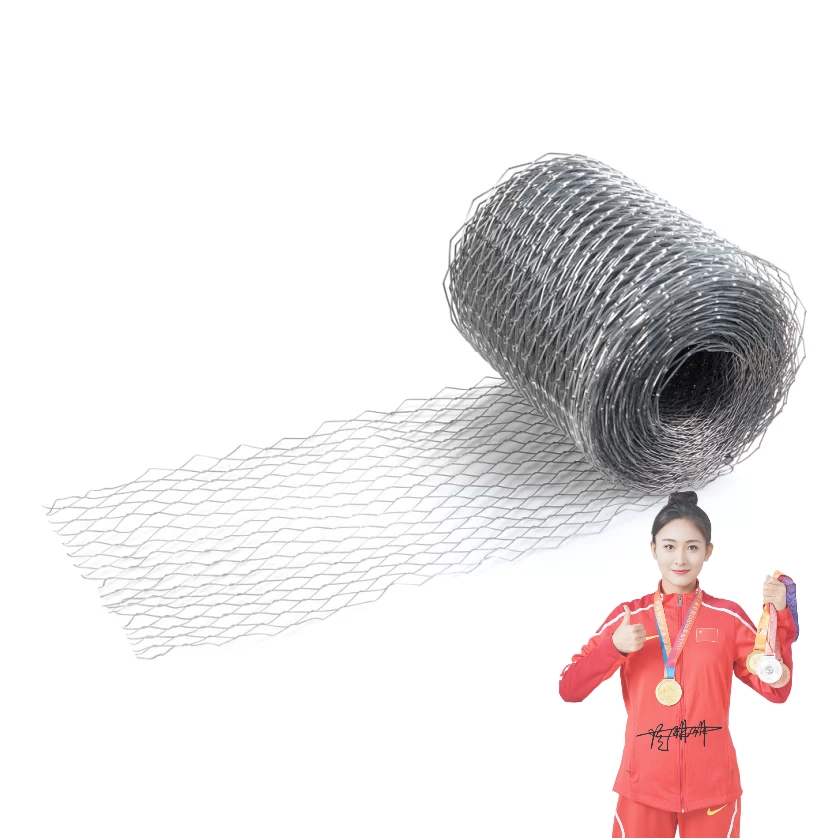
At its core, metal lath plaster is a system where metal mesh (commonly galvanized steel or stainless steel) is nailed or screwed onto a structural frame, then coated with plaster layers—usually cement or gypsum-based. This technique creates a tough, crack-resistant wall or ceiling surface that can adapt well to both load-bearing and non-load-bearing constructions.
Its connection to modern industry? The metal lath framework acts like a skeleton, supporting the plaster base and reinforcing it against impact or environmental stresses, while also allowing for excellent fire resistance and vapor permeability. Humanitarian sectors also find it invaluable: it’s lightweight where needed, easy to ship in sections, and allows quick assembly under remote, resource-limited conditions.
Key Features of Metal Lath Plaster
Durability and Longevity
Metal lath plaster walls can last decades if installed correctly — their strength rivals that of many solid concrete assemblies, but with more flexibility against shifting substrates. It’s the reason old buildings from the early 20th century still shine with intact plaster facades.
Scalability and Adaptability
This system suits small residential projects as easily as massive commercial constructions. Whether enhancing earthquake resilience in Japan or creating firewalls in California, its scalability appeals across industries.
Cost Efficiency
While initial costs may be slightly higher than simple drywall, the long-term savings from reduced maintenance, repairs, and replacements tip the balance. Savings also come from faster build times compared to traditional masonry.
Environmental Compatibility
The metal components are typically recyclable, and plaster formulations are increasingly sourced from eco-friendly materials, aligning with global sustainability goals. Plus, breathable walls promote indoor air quality by preventing mold.
Fire Resistance
Steel mesh inherently resists combustion, and combined with fire-retardant plasters, the system reliably holds back flames — a feature that can save lives and property in fire-prone zones.
Design Flexibility
Surprisingly, metal lath plaster embraces curves or ornate shapes once thought impossible with rigid materials. Designers love this freedom to innovate interior and exterior textures.
Mini takeaway: Metal lath plaster systems thrive because they combine practical durability with surprising design freedom — a winning combo industry-wide.
How the World Uses Metal Lath Plaster: From Skyscrapers to Disaster Zones
In the U.S., metal lath plaster bridges the gap between old and new construction methods, often favored in renovation to preserve historic buildings. Meanwhile, in Europe, the system is part of regulations for thermal performance and fire codes.
In Asia, rapid urbanization sees metal lath plaster adopted for speedy, robust housing. It’s quite common in disaster-relief operations too — for instance, after the 2015 Nepal earthquake, NGOs used prefab metal lath panels lined with plaster to create durable transitional shelters that resisted aftershocks and weather conditions.
Other niche applications include industrial zones, where chemical plants require non-combustible wall systems, and large scale infrastructure projects like subway stations that need wear-resistant surfaces.
Advantages and Lasting Value of Metal Lath Plaster
- Financial Sense: Lower lifecycle costs mean property owners save money over time.
- Environmental Gains: Using recycled steel mesh and natural plasters supports sustainability efforts.
- Social Impact: Its application in safe, affordable housing promotes dignity and well-being globally.
- Reliability: Resistant to cracks, weather, fire — the system boosts occupant safety and trust.
- Innovation Catalyst: Encourages creative architectural solutions and flexible interiors.
In short, it’s a classic case of a solution meeting both emotional values (safety, comfort) and logical needs (performance, durability). That’s why many engineers keep recommending it, despite newer materials on the market.
Looking Ahead: Future Trends in Metal Lath Plaster
While the basics remain unchanged, innovations fuel fresh potential. For example:
- Green Plasters: Integrating bio-based binders and non-toxic additives to reduce carbon footprints.
- Digital Fabrication: CNC-cut metal lath shapes allow for tailored, complex geometries faster than ever.
- Smart Monitoring: Embedding sensors in plaster layers to track moisture or structural shifts for preventive maintenance.
- Automation: Robotics-based plaster spraying and lath installation — cutting labor time, boosting precision.
Oddly enough, these trends mean metal lath plaster could become even more sustainable, cost-efficient, and precise, blending tradition with cutting-edge technology.
Facing Challenges Head-On: Practical Solutions
Despite its strengths, metal lath plaster isn’t without obstacles. Common challenges include:
- Corrosion Risk: If moisture intrusion occurs, steel mesh might rust. Solution? Galvanized or stainless steel options paired with proper moisture barriers.
- Labor Skill Level: Proper plaster application requires skilled tradespeople — training and certification can raise standards.
- Material Sourcing: Availability of quality metal lath or eco-friendly plasters varies geographically. Encouraging local manufacturing can mitigate this.
Industry experts often advise integrating thorough site assessments and quality control among all steps to maximize benefits and minimize risks.
Frequently Asked Questions About Metal Lath Plaster
- What advantages does metal lath plaster offer over drywall?
- Metal lath plaster provides greater durability, fire resistance, and longevity. Unlike drywall, it resists impact damage and is less prone to cracking, making it ideal for heavy-use or historic restorations.
- Is metal lath plaster suitable for exterior applications?
- Yes, metal lath plaster is commonly used outside when paired with weather-resistant plaster mixes. Its metal mesh backing reinforces the plaster, making it resilient to wind, rain, and temperature changes.
- How does metal lath plaster impact building energy efficiency?
- It improves thermal mass and vapor permeability, which helps regulate indoor temperature and moisture, contributing to energy savings and healthier indoor environments.
- Can metal lath plaster construction be eco-friendly?
- Absolutely. Many manufacturers now offer recycled steel lath and environmentally friendly plaster blends, reducing embodied carbon and supporting green building certifications.
- How long does metal lath plaster last?
- With proper installation and maintenance, it can easily last 50-plus years, making it a dependable choice for both new builds and renovations.
Metal Lath Plaster Product Specifications
| Specification |
Typical Value |
Units |
| Mesh Type |
Expanded Galvanized Steel |
- |
| Mesh Size (Openings) |
1" x 2.8" |
inches |
| Plaster Thickness |
3/8 to 3/4 |
inch |
| Fire Resistance |
1–2 Hour Rating |
Hours |
| Weight (Installed) |
~7.5 |
lbs/ft² |
Vendor Comparison: Metal Lath Plaster Suppliers
| Vendor |
Material Quality |
Sustainability |
Price Level |
Global Shipping |
| Corner Bead Mfr |
Premium Galvanized Steel |
High (Recycled Materials) |
Mid-range |
Yes |
| BuildStrong Metals |
Standard Steel Mesh |
Moderate |
Lower |
Limited |
| EcoLath Systems |
Stainless Steel |
Very High |
Premium |
Yes |
Wrapping It Up: Why Metal Lath Plaster Deserves a Spot on Your Project List
Metal lath plaster isn’t just “old-school” plaster with metal thrown in. It’s a carefully engineered system balancing strength, fire resistance, cost, and sustainability — all vital factors for modern construction worldwide. Whether you’re preserving history, building for harsh climates, or pushing green construction frontiers, it’s a solution that doesn’t disappoint.
If you want to explore quality metal lath plaster materials or talk to experts about your next project, visit metal lath plaster. There, you’ll find detailed specs, custom options, and a team ready to help you build better and smarter.
Mini takeaway: With metal lath plaster, you’re investing not just in material, but in long-term strength, safety, and innovation — and that’s always a good thing.
References
- ISO Building Materials Standards
- Wikipedia: Metal Lath Plaster
- World Bank Urban Development Data