What is Metal Mesh Plaster and Why It Matters Globally
If you’re not an architect or builder by trade, the phrase metal mesh plaster might sound a little technical or niche. But in reality, it’s something quietly reshaping construction and relief efforts worldwide — from urban skyscrapers to refugee shelters. At its core, metal mesh plaster is a method of applying plaster onto surfaces reinforced by a metal mesh substrate, drastically enhancing durability, strength, and application speed.
Why does this matter on a global scale? Well, buildings need to stand taller, last longer, and resist damage better — especially in climate-threatened zones. For humanitarian sectors, quick, resilient structures can save lives in emergencies. Understanding metal mesh plaster opens doors to smarter, sustainable, and cost-effective construction methods worldwide.
The Global Context: Why Metal Mesh Plaster is a Growing Solution
Modern infrastructure demands are rising faster than ever. According to the UN's urbanization statistics, over 68% of the world’s population will live in cities by 2050. That’s billions of square meters needing strong walls and surfaces, oftentimes in seismic, humid, or rapidly changing environments.
Traditional plaster methods often fail durability or require frequent maintenance in such conditions. Enter metal mesh plaster — a technology trusted by industries and emergency response organizations alike, from the rainy tropics of Southeast Asia to earthquake-prone zones in Latin America.
Moreover, with sustainability becoming paramount (ISO’s 14001 environmental standards are just one example of this shift), using recyclable metal meshes combined with eco-friendly plasters means reduced waste and longer life cycles for buildings.
Defining Metal Mesh Plaster
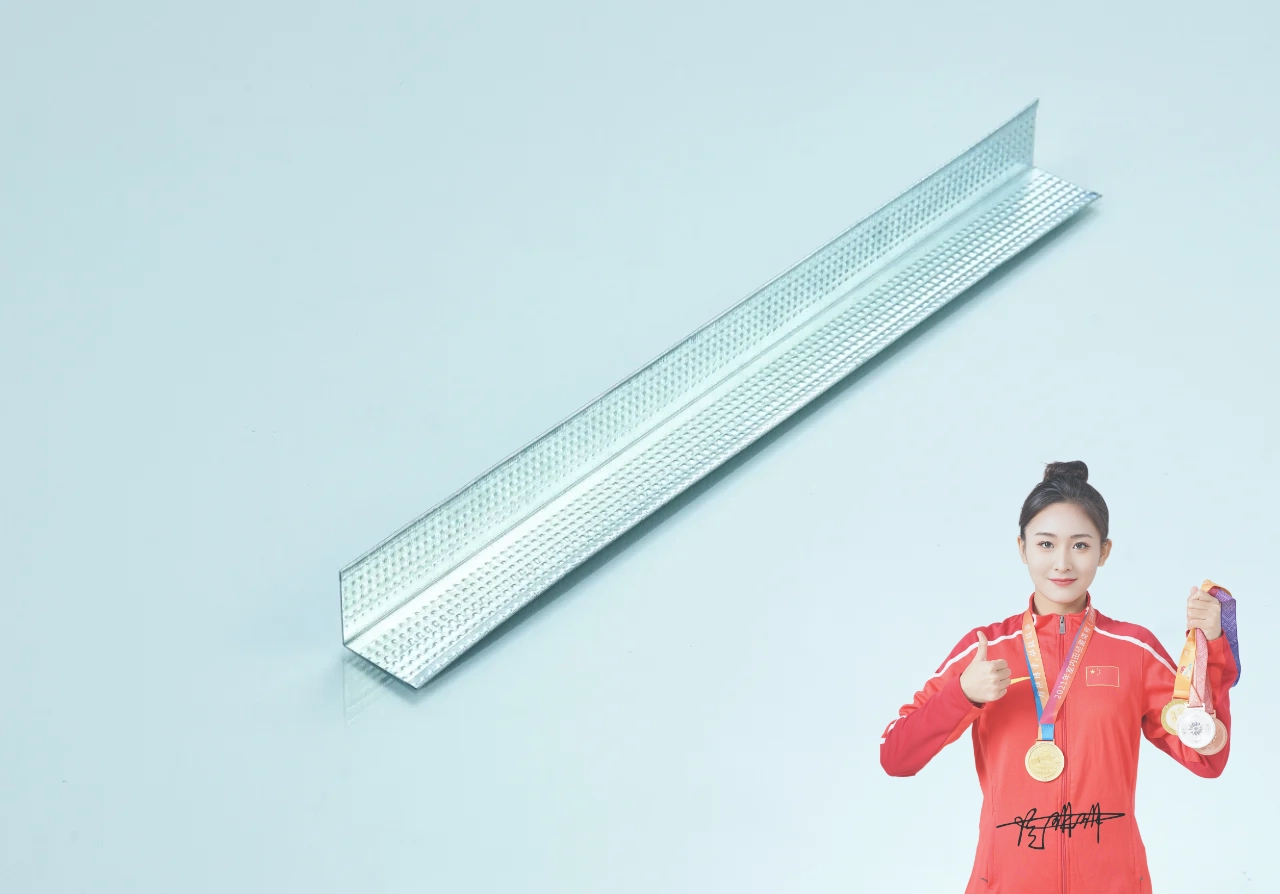
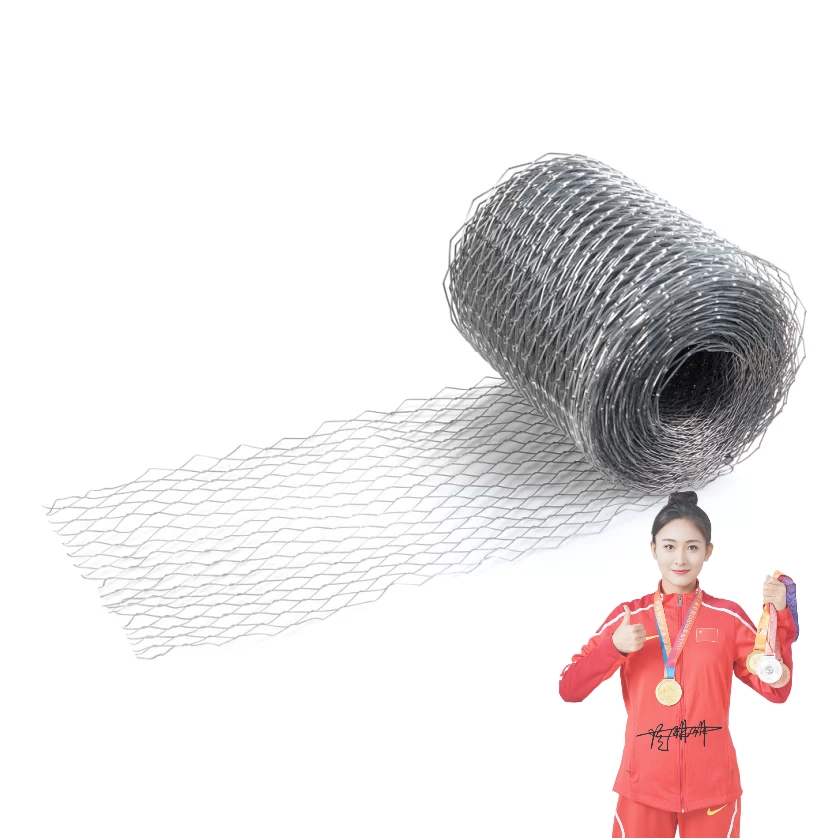
Simply put, metal mesh plaster involves fixing a woven or welded metal mesh (usually galvanized steel or stainless steel) onto a wall or ceiling frame, then applying layers of plaster or mortar over it. This composite creates a robust surface capable of withstanding impacts, cracking, and environmental stress far better than plain plaster alone.
It’s kind of like putting armor underneath a fresh coat of paint, except the armor blends in perfectly and adds breathability to walls. For industries ranging from residential housing to large-scale infrastructure, metal mesh plaster is a silent backbone of structural resilience.
Key Components That Make Metal Mesh Plaster Work
Durability & Impact Resistance
Metal meshes offer a tensile strength that plaster alone can never match. This means walls painted with metal mesh plaster withstand knocks, vibrations, and other mechanical stresses without cracking or crumbling. It remains intact longer, reducing ongoing repair costs.
Application Efficiency and Speed
For contractors, applying plaster over a fixed metal mesh is straightforward — the mesh holds the plaster firmly and expedites drying times. This has made metal mesh plaster wildly popular in projects with tight timelines.
Flexibility and Scalability
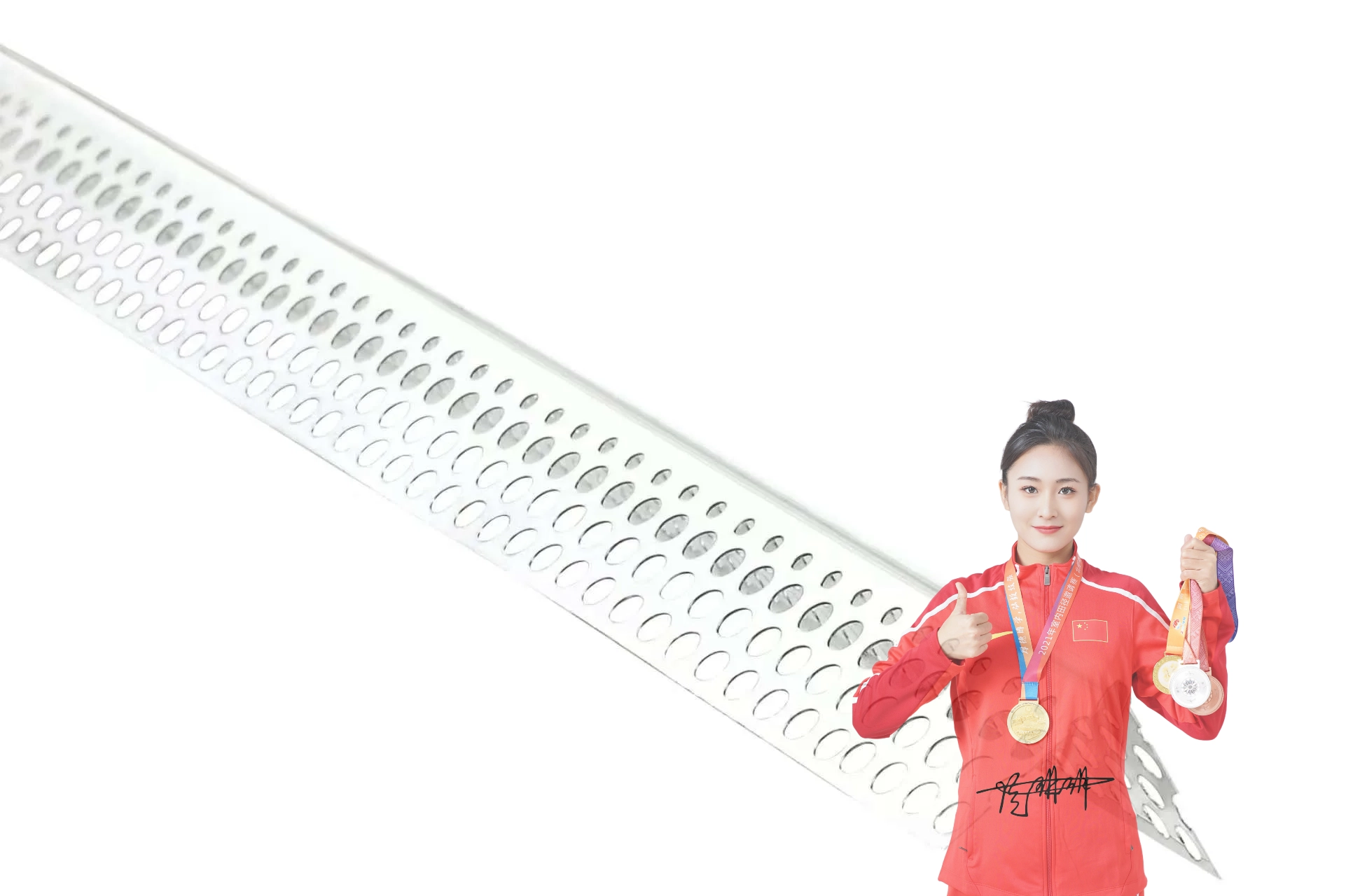
The metal mesh comes in various gauges and patterns, allowing customization for different needs, whether reinforcing curved surfaces or large flat facades. It's scalable from small interior repairs to large building envelopes.
Cost Efficiency
While initial material investment in metal mesh might be higher than basic plastering, the extended lifespan and lowered maintenance make it a winner in total cost of ownership — especially in harsh climates.
Sustainability and Recyclability
Galvanized steel meshes are recyclable, and many modern plasters use low-VOC, low-carbon formulas. Together, they reduce the environmental footprint of the entire construction process.
Practical Applications Around the World
Metal mesh plaster has found a home in many corners of the world:
- Post-disaster rebuilding: After earthquakes in Nepal and Haiti, metal mesh plaster was a go-to for quickly restoring durable walls that provide lasting shelter.
- Industrial zones: Factories in remote parts of Asia use metal mesh plaster to protect buildings against corrosion and vibration damage from heavy machinery.
- Urban housing: In fast-growing cities like Lagos and Bangalore, developers lean on metal mesh plaster to cut finishing times without sacrificing quality.
Its adaptability makes it a favorite of humanitarian organizations, governments, and private builders alike.
Mini Takeaway:
Metal mesh plaster isn’t just a building material — it’s a cornerstone in global resilience, blending durability with sustainability to tackle challenges from climate change to urban sprawl.
Advantages & Long-Term Value of Metal Mesh Plaster
When you consider the long-haul, metal mesh plaster makes a lot of sense:
- Longer lifespan: Walls last decades longer with fewer cracks or failures.
- Cost savings: Less frequent repairs and replacements translate into real money saved over time.
- Environmental benefits: Reduced waste and recyclable materials mean less strain on landfill and ecosystems.
- Emotional security: For families and communities, durable housing means peace of mind, safety, and dignity.
Oddly enough, beyond the technical stuff, this product feels like an investment not just in buildings but in human stability and hope.
Technical Specifications of a Typical Metal Mesh Plaster System
| Parameter |
Specification |
Details |
| Mesh Material |
Galvanized Steel |
Corrosion-resistant, recyclable steel wire |
| Mesh Size |
12 - 25 mm |
Square or hexagonal apertures depending on application |
| Wire Diameter |
0.5 - 1.2 mm |
Thickness affects strength and plaster grip |
| Plaster Type |
Cement-based or lime-based |
Depends on regional preferences and environmental conditions |
| Layer Thickness |
10 - 30 mm |
Applied over mesh for optimal protection |
| Fire Resistance |
Up to 2 hours |
Depends on plaster and mesh combination |
Comparing Leading Metal Mesh Plaster Vendors
| Vendor |
Mesh Options |
Pricing Tier |
Global Reach |
Sustainability Certifications |
| CornerBead Mfr. |
Custom gauge & aperture |
Mid-range |
Worldwide (including emergency relief) |
ISO 14001, REACH compliant |
| BuildStrong Mesh Inc. |
Standard galvanized & stainless steel |
High-end |
Primarily North America & Europe |
LEED certified |
| EcoForm Mesh Solutions |
Eco-friendly coated mesh |
Premium |
Emerged markets & Asia Pacific |
Green Seal certified |
As you can see, the choices depend on project requirements, budgets, and supply chains.
Looking to the Future: Trends in Metal Mesh Plaster
Predictably, the future is leaning green and smart. Innovations like biodegradable or composite mesh materials, combined with AI-driven plaster application systems, are already on the horizon.
Digital scanning for crack detection, drones for plaster inspection, and robotic mesh mounting hints at a future where traditional plastering transforms into a fully automated, precision operation — reducing waste and labor intensity dramatically.
Also, stricter global sustainability laws will push manufacturers to develop meshes with even lower environmental footprints, helping construction meet carbon-neutral goals.
Challenges and Expert Solutions
Sure, like all methods, metal mesh plaster has its quirks. Common problems often relate to improper mesh installation or moisture traps that cause rusting.
Experts recommend thorough surface prep, using galvanized or stainless mesh in corrosive environments, and pairing with breathable plaster compounds. Training applicators on best practices can prevent 90% of defects.
Luckily, suppliers like CornerBead Mfr. offer customized supports and training to smooth installation hurdles.
FAQ: Everything You’re Wondering About Metal Mesh Plaster
- Q: How does metal mesh plaster improve building durability over traditional plaster?
- A: Metal mesh provides tensile strength that helps prevent cracking and impact damage, allowing plaster to withstand vibrations and environmental stresses better than standalone plaster.
- Q: Can metal mesh plaster be used in humid or coastal areas?
- A: Absolutely, but it’s critical to use galvanized or stainless steel meshes and breathable plaster types to prevent corrosion and moisture build-up.
- Q: Is metal mesh plaster environmentally friendly?
- A: When paired with recyclable meshes and eco-certified plaster materials, this method significantly reduces construction waste and can comply with green building standards.
- Q: How long does metal mesh plaster typically last?
- A: If installed and maintained properly, metal mesh plaster can extend the lifespan of walls by 20 to 30 years compared to traditional plaster.
- Q: Can this system be applied in disaster relief contexts quickly?
- A: Yes, the mesh system allows rapid plastering over frames or damaged walls, making it a favorite for post-disaster habitat restoration worldwide.
Wrapping It Up: Why Metal Mesh Plaster Should Be on Your Radar
So, where does that leave us? Metal mesh plaster is not just a technical fix — it’s a leap toward building smarter, longer-lasting structures that respect both human needs and planet limits. Whether you’re an NGO rushing to build shelters or an architect aiming for resilient facades, this method offers a versatile, future-friendly solution.
Feel free to explore more or request expert advice by visiting CornerBead Mfr. — they’re the kind of folks who really get the balance between strength, speed, and sustainability.
Quick Summary:
- Metal mesh plaster combines strength with flexibility, ideal for tough environments.
- It supports sustainable building goals with recyclable materials and long durability.
- Applications span from industrial to humanitarian, showing wide global appeal.
- Technology and training are key to overcoming challenges and maximizing gains.
And just like that — a humble mesh and some plaster quietly building a better tomorrow.
References:
- UN Urbanization Prospects, 2018
- ISO 14001 Environmental Management
- Wikipedia: Plaster (Material)