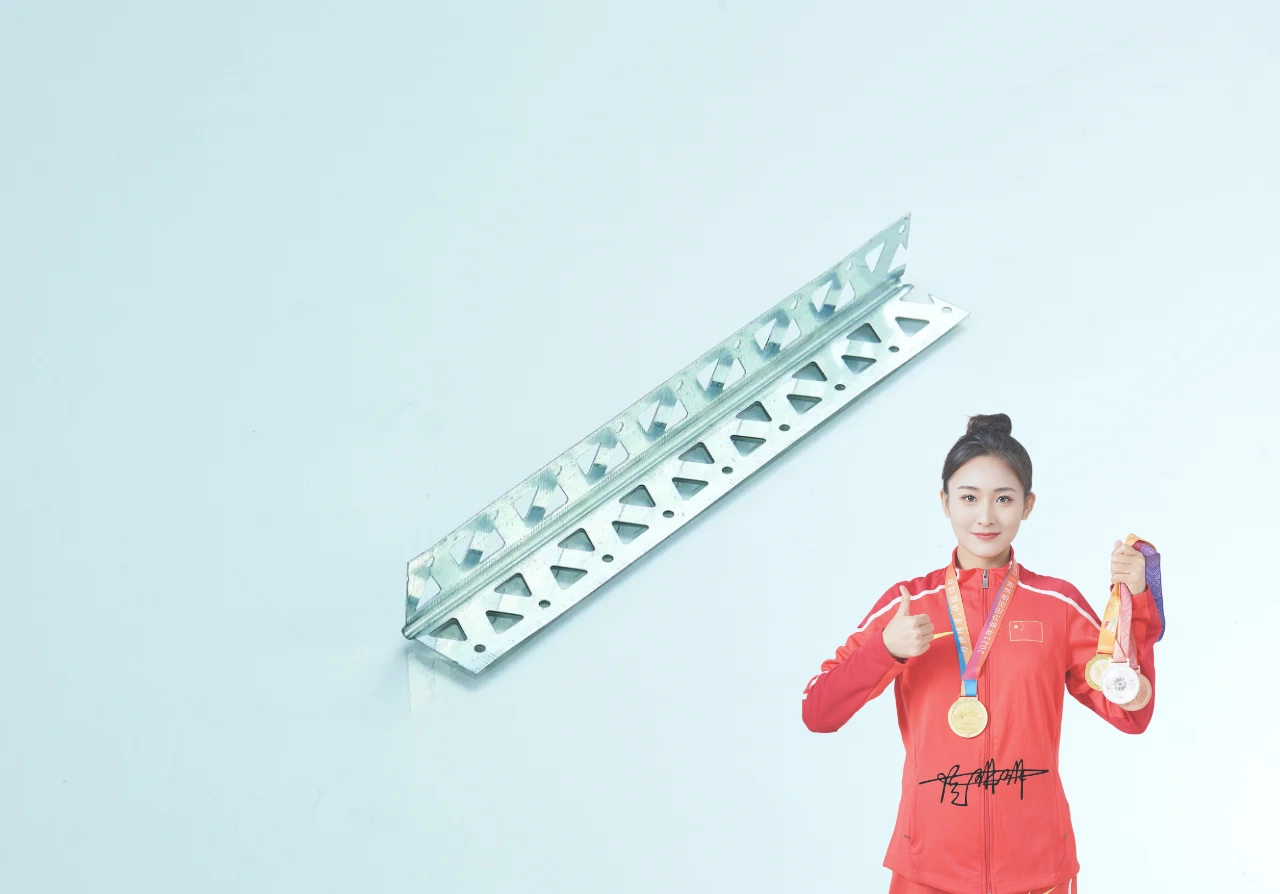
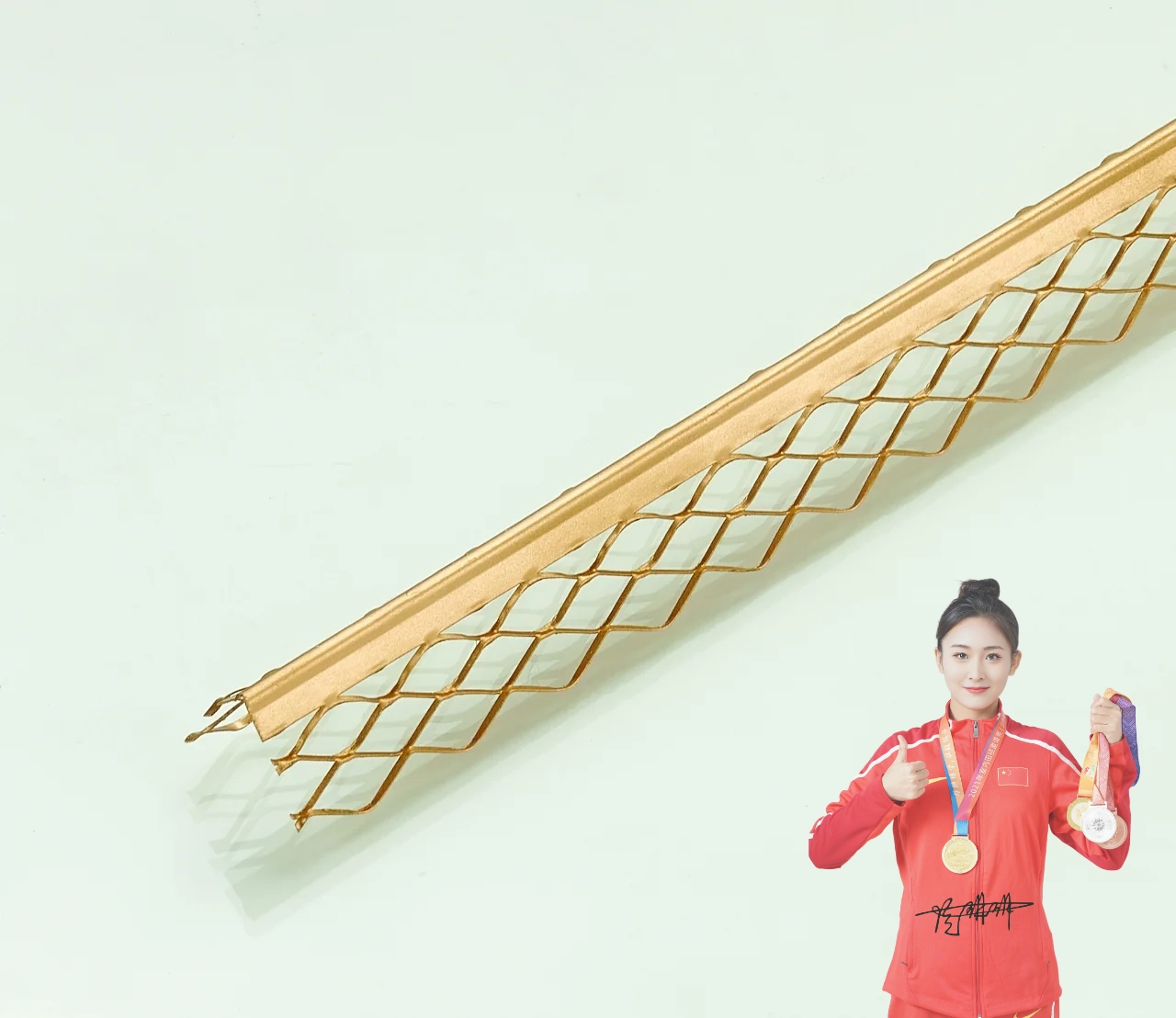
Perforated Mesh Sheet Metal: A Global Game-Changer in Industrial Solutions
If you’ve ever marveled at intriguing industrial facades, air filters, or even architectural accents that blend function with form, chances are perforated mesh sheet metal played a quiet but pivotal role behind the scenes. This seemingly simple yet incredibly versatile material impacts countless sectors worldwide — from infrastructure to environmental protection, from delicately engineered consumer products to large-scale humanitarian projects.
Understanding the key benefits and applications of perforated mesh sheet metal isn’t just about appreciating a material. It’s about recognizing a solution that addresses tangible problems — like durability, ventilation, cost-effectiveness, and sustainability — all while adapting to the demands of a rapidly evolving world economy.
So why should you care? Because this metal mesh is quietly weaving itself into the fabric of industries crucial for our future.
Global Context: Why Perforated Mesh Sheet Metal Matters Now More Than Ever
Globally, construction and manufacturing industries accounted for over 37% of total material resource consumption and waste (source: United Nations Environment Programme, 2021). As urbanization, population growth, and industrial demands surge, so does the need for materials that are lightweight but strong, breathable but protective. Perforated mesh sheet metal offers a unique way to meet these needs.
Think about climate control in buildings, filtration in factories, or protective facades that reduce wind load and glare. Industrial and humanitarian sectors, especially after crises or in emerging economies, rely on solutions that balance economy with performance. For example, organizations tackling infrastructure rebuilding post-disasters increasingly turn to adaptable, easy-to-install materials.
Yet challenges remain: How do we balance environmental concerns with demand? How to ensure materials used worldwide can be sourced, manufactured, and recycled ethically and efficiently? Perforated sheet metals help solve these, tracking along the cutting edge of ISO and ASTM material standards.
Mini Takeaway:
At the heart of many global infrastructure and manufacturing challenges, perforated mesh sheet metal stands out as a practical, adaptable solution that aligns with environmental and economic priorities.
What Is Perforated Mesh Sheet Metal, Really?
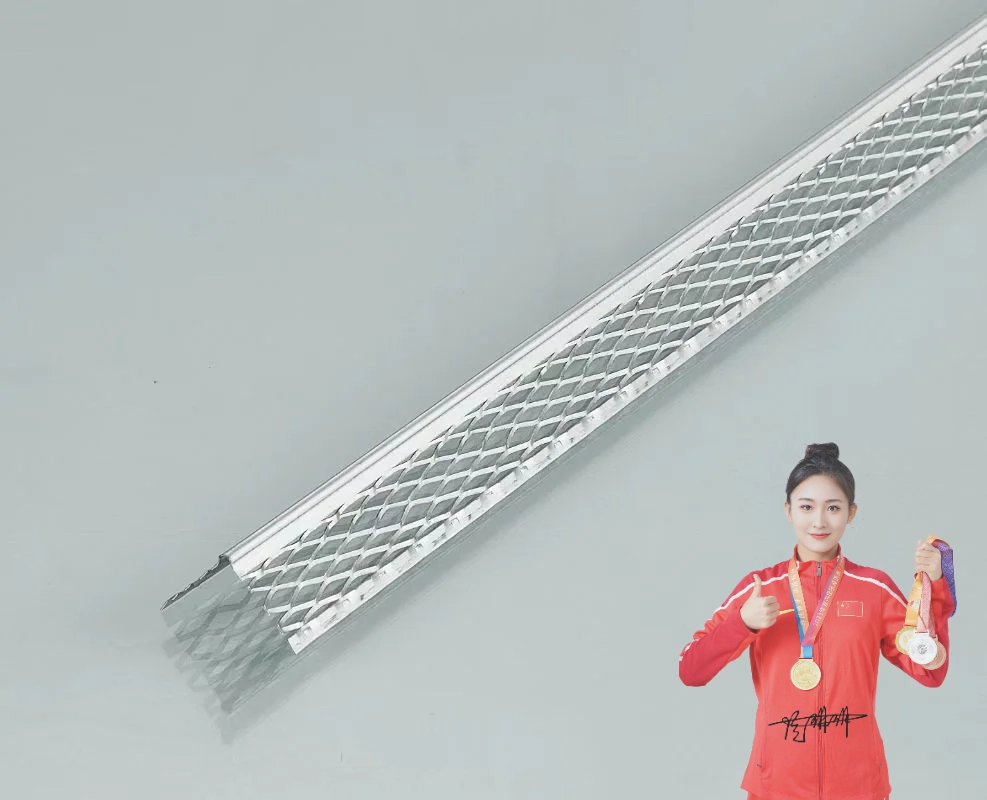
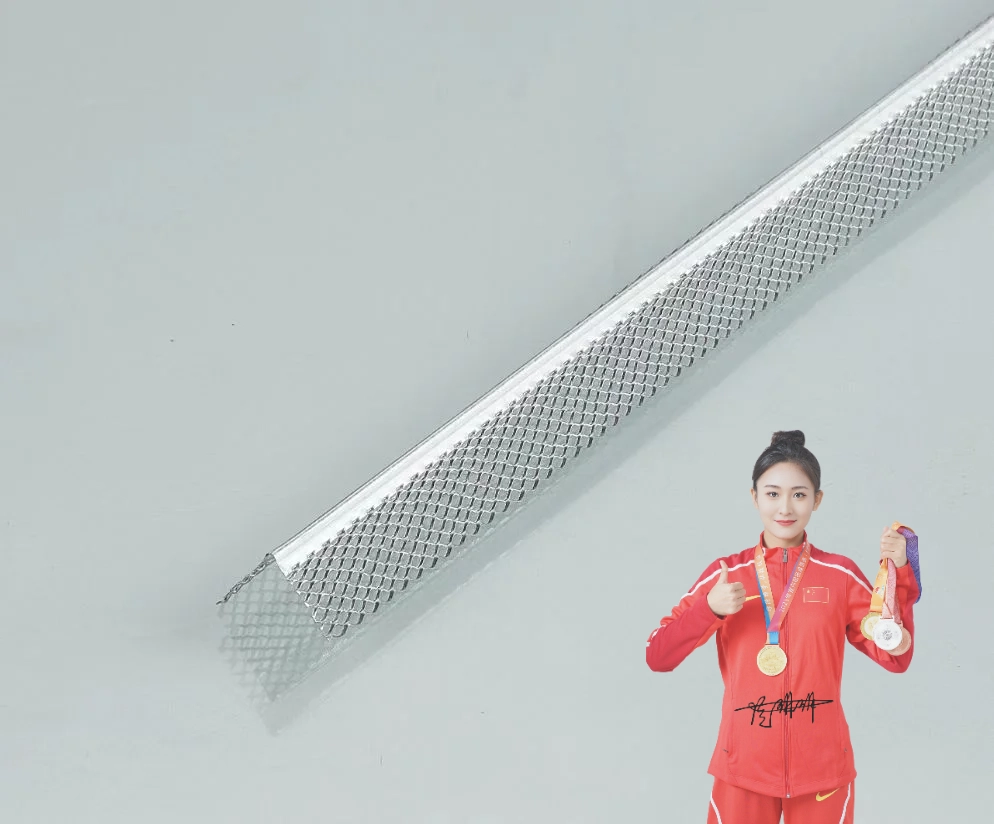
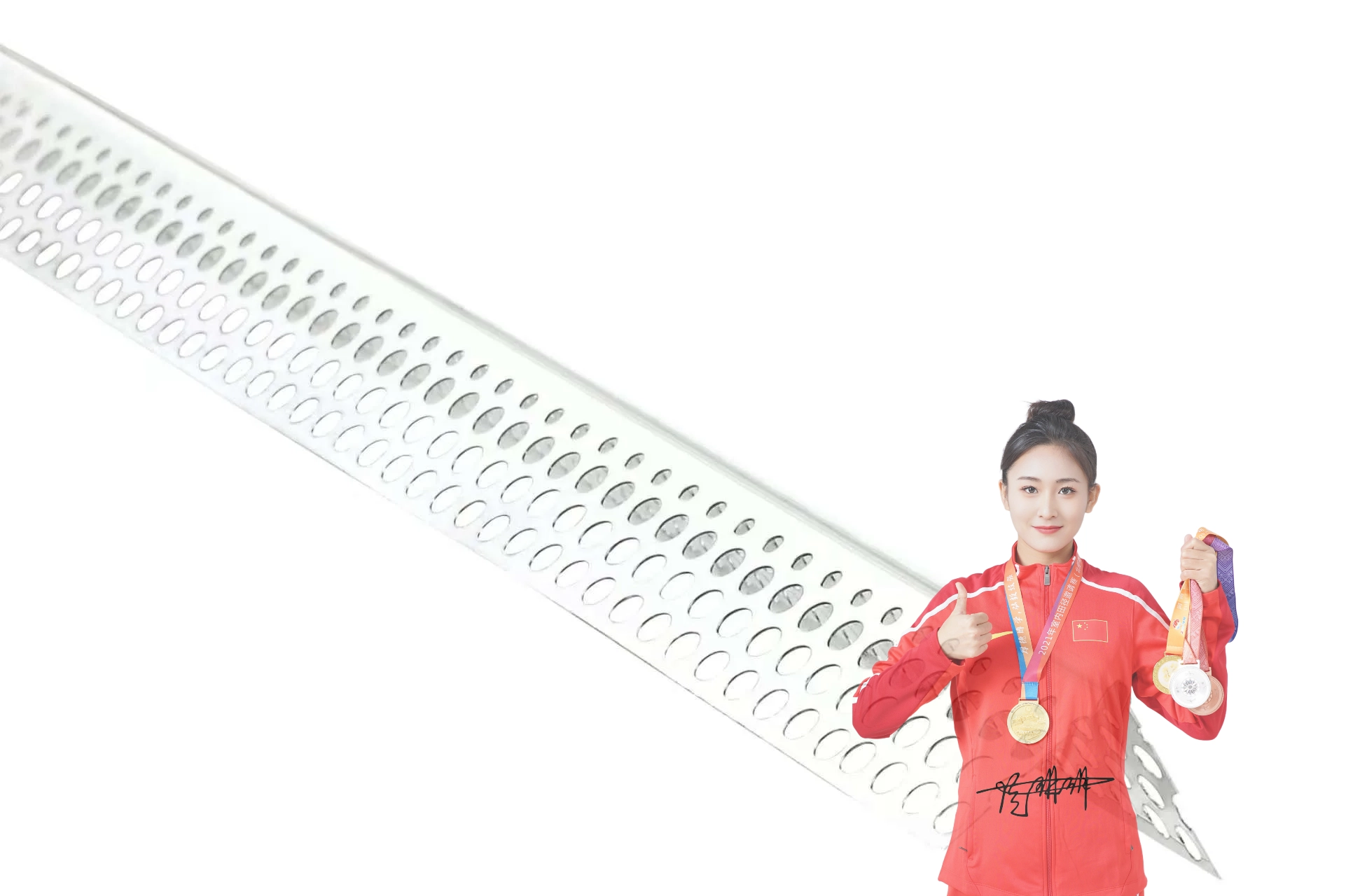
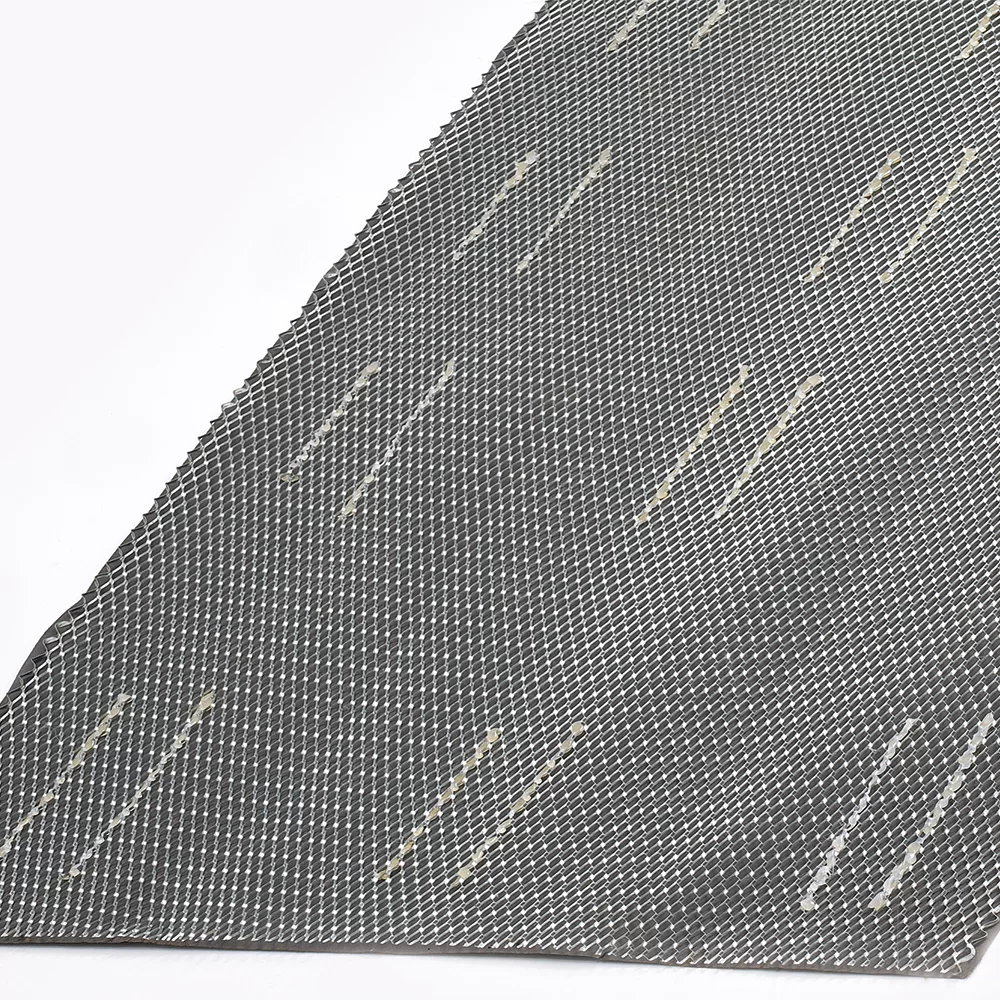
In simple terms, perforated mesh sheet metal is a sheet of metal—steel, aluminum, stainless steel, or even copper—that's been punched or laser-cut with a pattern of holes or slots. These perforations aren’t random; they’re designed to balance structural integrity and utility, letting air, light, or fluids pass while maintaining strength and protection.
In modern industry, this type of metal is a Swiss Army knife. It’s used for everything from acoustic panels that manage sound pollution to protective machine guards on a factory floor. In humanitarian contexts, it even shows up in modular housing and temporary shelters where airflow and robustness are paramount.
Mini Takeaway:
Perforated mesh sheet metal combines basic engineering principles and modern manufacturing to create something greater than the sum of its parts — practical, adaptable, and eternally useful.
Core Components That Define Its Use
1. Durability
Materials must withstand harsh environmental conditions, whether heat, cold, or corrosive chemicals. Stainless steel perforated meshes, for example, provide corrosion resistance that’s invaluable in coastal regions or chemical plants.
2. Scalability
The patterns and size of perforations vary widely. From micro-perforations less than 1mm for filtration tech to large, decorative holes for architectural facades, manufacturers tailor the mesh according to need.
3. Cost Efficiency
Less material means less weight, which translates directly into shipping and installation savings. Plus, these meshes often don’t require expensive coatings or secondary treatments, reducing overhead.
4. Versatility
Perforated sheets are omnipresent: HVAC systems, automotive grilles, farm machinery doors, or sound dampening walls in urban centers. Their ability to be bent, welded, or combined with other materials gives engineers an almost endless playing field.
5. Environmental Impact
Because many perforated sheets use recyclable metals and reduce material consumption by design, their environmental footprint tends to be lower compared to solid sheets with similar specs.
Mini Takeaway:
Durability, scalability, cost, versatility, and eco-friendliness together explain why so many industries are drawn to perforated mesh sheet metal.
Typical Perforated Mesh Sheet Metal Specifications
| Specification |
Common Values |
Comments |
| Material |
Stainless steel, aluminum, carbon steel |
Choice affects corrosion resistance, weight |
| Sheet Thickness |
0.5 mm to 6 mm |
Varies based on strength requirements |
| Hole Diameter |
0.5 mm to 25 mm |
Depends on airflow, filtration, or aesthetic need |
| Open Area Percentage |
10% to 70% |
Higher open area means greater airflow |
| Surface Finish |
Powder coating, anodized, bare metal |
Enhances corrosion resistance, appearance |
Real World Applications of Perforated Mesh Sheet Metal
From the factory floor to city skylines, and relief camps in remote regions, the uses for perforated mesh sheet metal are widespread.
Here are a few contexts where it really shines:
- Architectural Cladding: Cities like Dubai and Singapore use perforated metal in facades that regulate sunlight while adding a modern aesthetic.
- Air Filtration: Manufacturing zones in Europe rely on fine mesh filters for air quality control, aligned with ISO standards.
- Disaster Relief Shelter Components: Quick-assembly housing uses perforated sections to provide ventilation without compromise.
- Agricultural Equipment: Protective guards on harvesters employ durable mesh for safety and performance in rough terrain.
- Automotive and Transportation: Grilles and protective screens benefit from scalable perforation patterns, keeping vehicles cool and protected.
Oddly enough, it’s also surprisingly common in everyday objects — from speaker grills to ventilation covers in public transit systems.
Mini Takeaway:
In nearly every corner of the globe, industries are harnessing the practical magic of perforated mesh to solve complex problems in elegant ways.
What Makes Perforated Mesh Sheet Metal So Valuable for Long-Term Use?
Beyond the obvious functional benefits, there’s a mix of emotional and practical reasons why it retains value for decades. Here’s the lineup:
- Cost Savings: Long life reduces replacement frequency.
- Environmental Sustainability: Uses recyclable materials and less energy in transport and production.
- Reliability & Trust: Proven in extreme conditions, earning confidence in safety-critical industries.
- Enhances Safety & Dignity: Especially in humanitarian contexts, breathable housing materials help maintain wellbeing.
- Innovative Edge: Advances in laser cutting and digital design keep pushing possibilities.
Looking Ahead: The Future of Perforated Mesh Sheet Metal
Digital automation is morphing the way these sheets are designed and produced. We’re already seeing:
- Customized, computer-optimized perforation patterns for maximal airflow and minimal weight.
- Integration with smart materials that react to temperature or light.
- Eco-friendly coatings that reduce environmental impact.
- Greater emphasis on recyclability and circular economy models.
It feels like the sector’s heading toward more sustainable, intelligent, and precise manufacturing — odd to think that punched holes in metal sheets could be at the center of such innovation.
Challenges and How Industry Experts Are Tackling Them
There are still hurdles to overcome. These include:
- Cost barriers for smaller producers. Automated cutting can be pricey up front.
- Material waste during perforation. Though reduced compared to solid sheets, waste still exists.
- Supply chain disruptions. Global shortages affect availability of key alloys.
- Standardization. Ensuring quality across regions with varied manufacturing tech.
Innovative solutions include better CNC programming to reduce scraps, localized micro-factories to shorten supply chains, and collaborative industry consortia developing unified standards.
Vendor Comparison: Leading Perforated Mesh Sheet Metal Suppliers
| Vendor |
Materials Offered |
Customization Options |
Lead Time |
Global Reach |
| MetalWorks Inc. |
Stainless steel, aluminum |
High - custom perforation designs |
2-4 weeks |
North America, Europe |
| PrimePerforate Solutions |
Carbon steel, galvanized steel |
Medium - standard punch patterns only |
1-3 weeks |
Asia, Australia |
| GlobalMesh Corp. |
Stainless, aluminum, copper |
High - both standard and bespoke patterns |
3-5 weeks |
Worldwide |
FAQ: Common Questions About Perforated Mesh Sheet Metal
- Q1: What industries benefit most from perforated mesh sheet metal?
- A: Industries such as construction, automotive, HVAC, agriculture, and even consumer electronics regularly utilize perforated metal for ventilation, filtration, safety, and aesthetic purposes.
- Q2: How do I choose the right perforation pattern for my project?
- A: Consider the function — airflow, light, strength, or decoration — plus environmental factors. Working with suppliers who offer design consultations helps to tailor the perforations to your needs.
- Q3: Can perforated mesh sheet metal be recycled?
- A: Yes, most metals used are highly recyclable. Recycling helps reduce waste and lowers environmental impact significantly compared to non-recyclable materials.
- Q4: How quickly can customized sheets be delivered?
- A: Lead times vary by vendor and complexity but typically range from 1 to 5 weeks, depending on production capacity and shipping.
- Q5: Are there international standards guiding quality?
- A: Yes, ISO 9001 certification and ASTM standards cover manufacturing processes and material quality for perforated metals globally, ensuring consistency and safety.
In Closing
Perforated mesh sheet metal is much more than just punched holes in metal sheets. It’s a multifaceted solution serving a growing and diverse array of needs — from breathable shelter panels for humanitarian relief to elegant, energy-efficient architectural facades in bustling cities.
The long-term benefits: durability, environmental friendliness, cost effectiveness, and customization potential — all wrapped in a product that continues to evolve alongside industry demands. If you want to explore how perforated mesh sheet metal can fit into your next project, I suggest checking out comprehensive supplier resources and customization options online.
One thing is certain: this seemingly simple material punches way above its weight in global upside and innovation — and kind of reminds us that sometimes the smallest holes make the biggest difference.
References
- United Nations Environment Programme – Materials Management and Sustainable Development
- ISO 9001 Quality Management Systems
- Wikipedia: Perforated Metal