Exploring the World of Perforated Metal Sheet Ceilings: What Makes Them So Essential Today?
At first glance, a perforated metal sheet ceiling might seem like just another architectural detail. But on a global scale, these ceilings are quietly transforming the way we think about construction, sustainability, and even health. From modern office buildings in bustling cities to eco-conscious public spaces in remote regions, these solutions are tackling challenges of durability, airflow, and acoustics. Understanding their benefits isn’t just a niche interest for architects — it’s relevant to anyone curious about smarter building design worldwide.
Whether we realize it or not, the materials that shape our environments lead to tangible differences in comfort, energy costs, and environmental impact. And the perforated metal sheet ceiling plays a subtle yet surprisingly powerful role in that conversation.
Mini takeaway: Perforated metal ceilings aren’t just decorative; they're a clever synthesis of technology, sustainability, and practicality shaping the future of indoor spaces worldwide.
Global Context: Why Perforated Metal Sheet Ceilings Matter Today
Globally, the construction industry consumes roughly 36% of total energy use and nearly 40% of CO2 emissions, according to the International Energy Agency (IEA). Designing buildings that balance energy efficiency with user comfort is no small feat. Enter perforated metal ceilings — often a staple in efforts to optimize airflow and natural lighting while reducing reliance on artificial systems.
In fact, the adoption of metal ceilings with perforation patterns is increasing by close to 5% annually in regions like North America, Europe, and Asia-Pacific (source: Global Building Materials Report 2023). The push for greener, more resilient infrastructure has also sparked demand in emerging markets.
One challenge these ceilings effectively address is indoor air quality, a growing concern as urban density rises and ventilation standards tighten. Perforated panels create unobtrusive passages for passive airflow, helping to maintain healthier indoor environments — an important factor during and post-pandemic, for example.
Mini takeaway: Perforated metal sheet ceilings serve as a practical response to pressing global concerns like energy efficiency, indoor air quality, and sustainable building practices.
Understanding Perforated Metal Sheet Ceilings: A Simple Definition
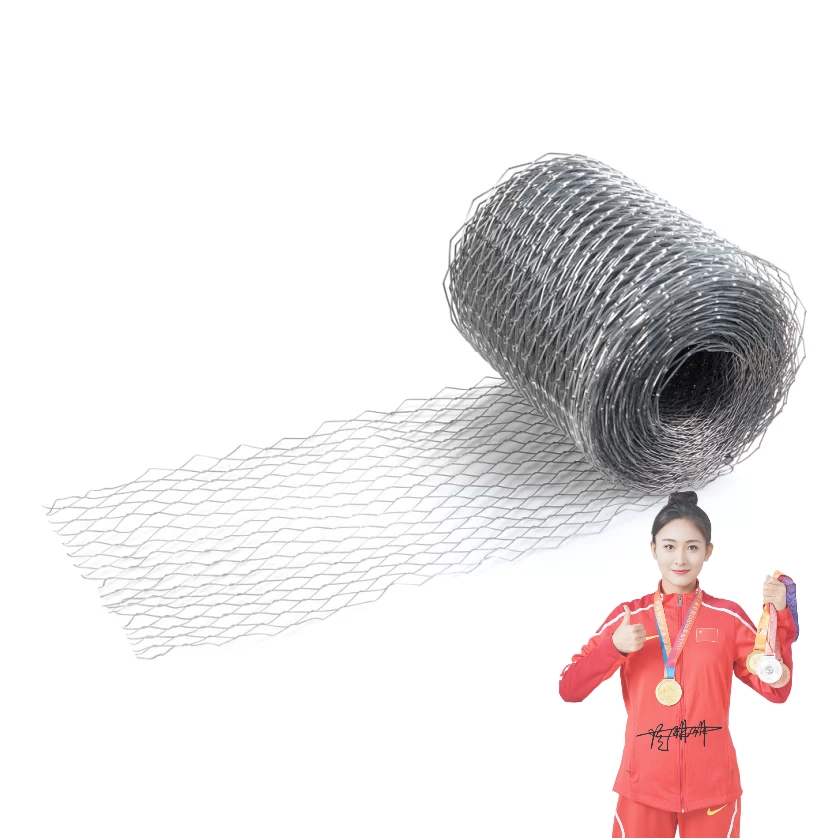
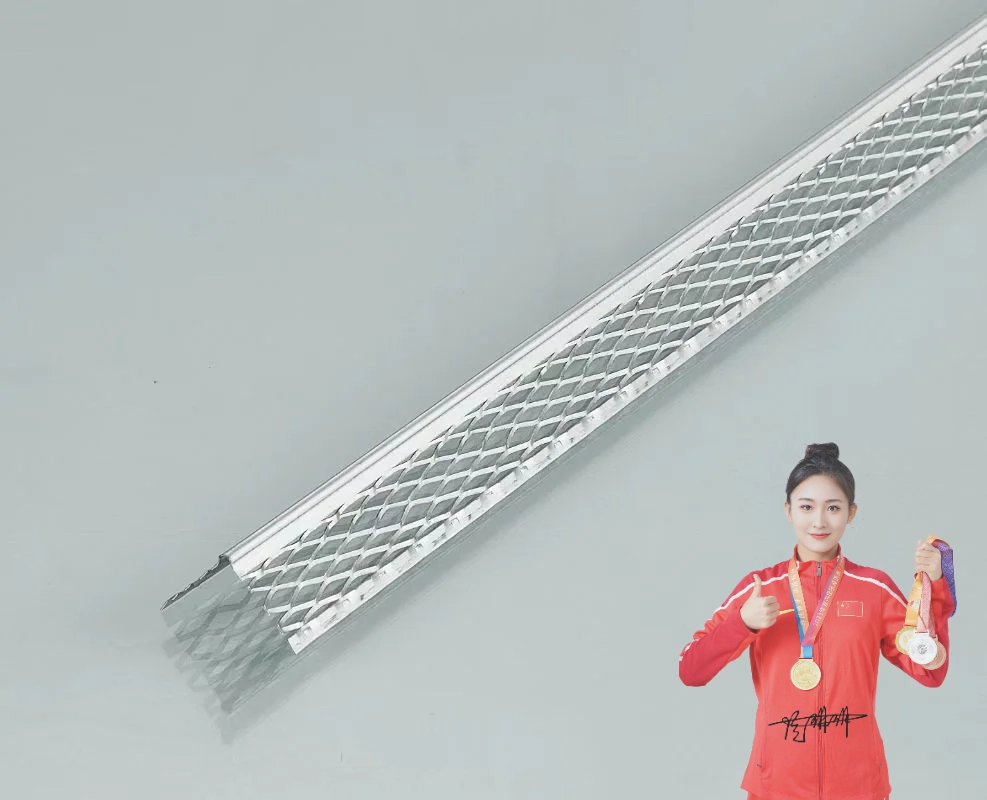
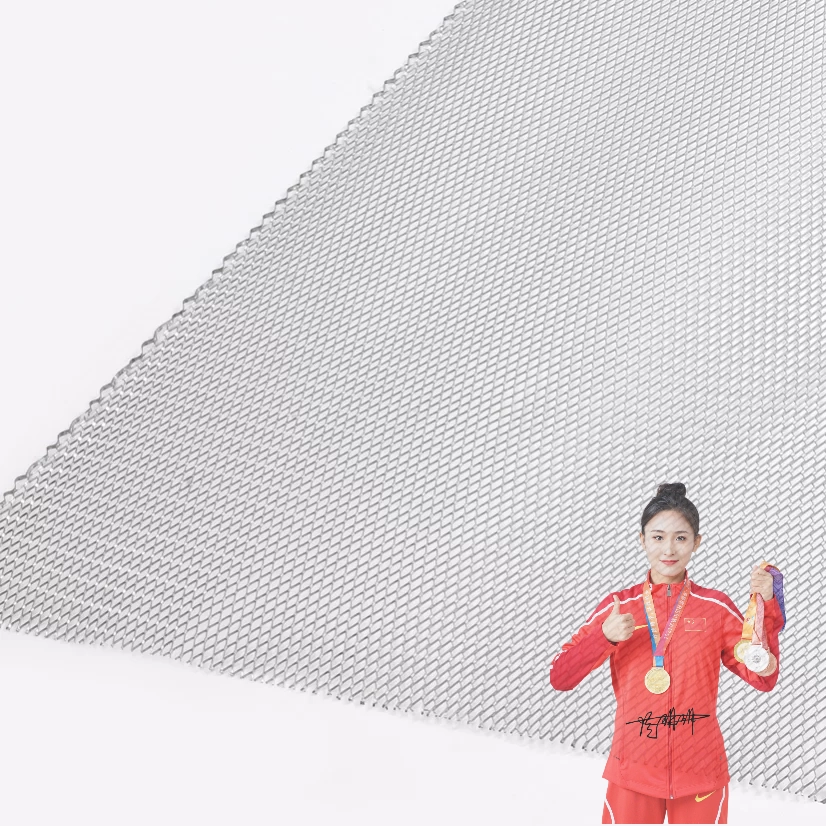
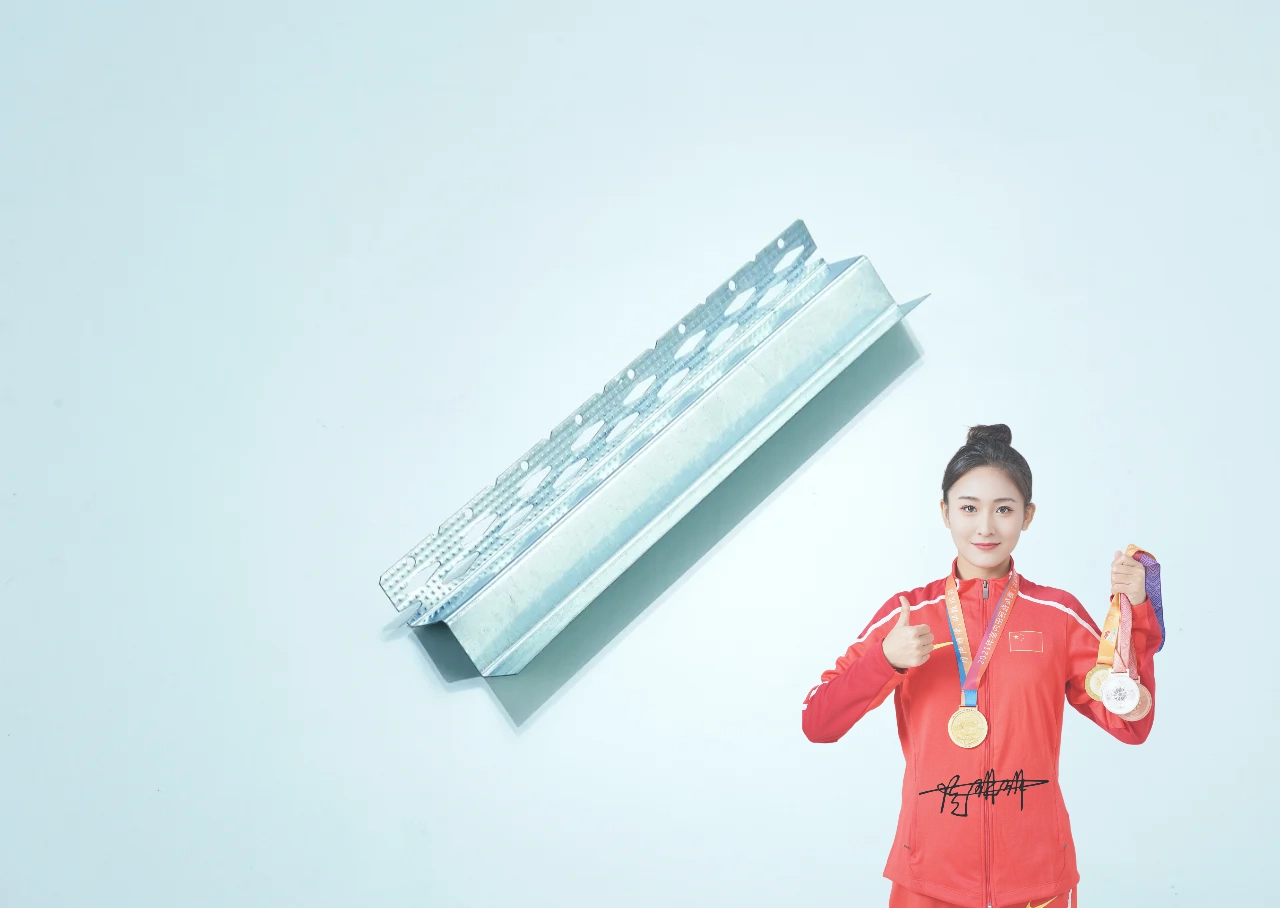
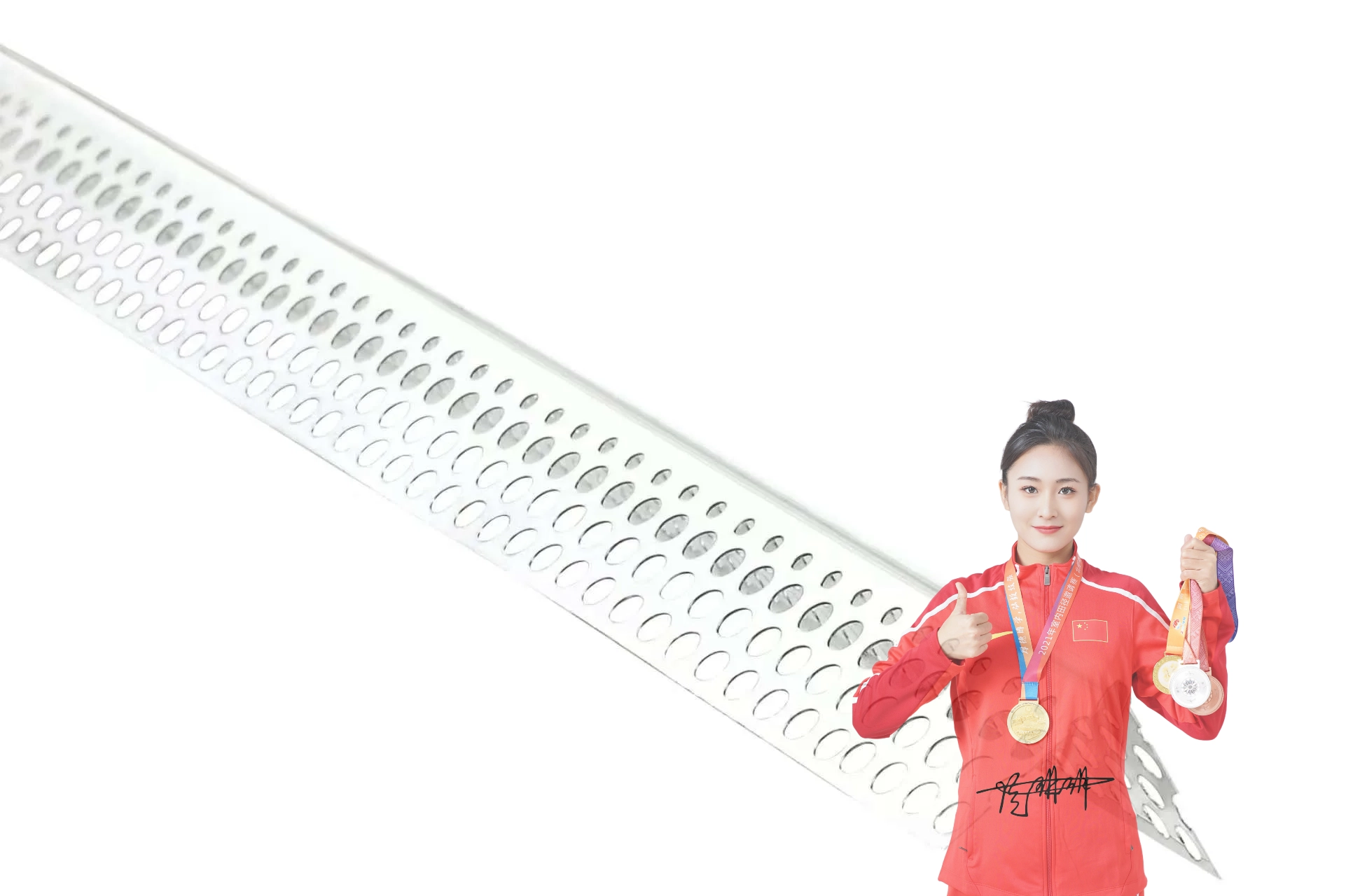
So, what exactly is a perforated metal sheet ceiling? Think of a metal panel — often aluminum or steel — that’s been systematically punched with a pattern of holes or slots. This isn’t merely for looks. The perforations allow light and air to pass through while keeping the material strong. When installed overhead, these ceilings combine structure with functionality, aiding acoustics and ventilation.
Such ceilings are common in venues demanding high performance: hospitals, airports, educational institutions. Interestingly, they link back not just to modern architecture, but also industrial needs where durability and adaptability matter. They play a quiet yet important role in humanitarian shelters or temporary setups, too, offering lightweight, reusable solutions.
Mini takeaway: Perforated metal sheet ceilings are engineered panels featuring patterned holes, balancing aesthetics, ventilation, and durability — suitable for demanding environments.
Core Components: What Makes These Ceilings So Effective?
1. Durability
Many engineers swear by the longevity of perforated metal ceilings. Metals used — often galvanized steel or powder-coated aluminum — resist rust and corrosion. Compared to plaster or gypsum alternatives, these panels last longer especially in humid environments.
2. Airflow & Acoustic Control
The secret sauce lies in selective perforation patterns. They’re designed to regulate sound absorption and allow fresh air, crucial in commercial and industrial settings. Oddly enough, you get a ceiling that ‘breathes’ without sacrificing privacy or appearance.
3. Sustainability
Metal panels are often recyclable, and many come from recycled sources. Plus, the improved airflow reduces reliance on HVAC units, translating to lower energy consumption — a neat win for eco-conscious architects.
4. Customization & Aesthetic Flexibility
Patterns aren’t just functional; they add style. You can find everything from geometric studs to organic curves, which architects love to integrate into avant-garde designs or more conservative corporate spaces.
5. Ease of Installation & Maintenance
Installers appreciate how these lightweight panels snap into place or suspend easily. Cleaning is straightforward too, often just a wipe down rather than expensive upkeep.
Mini takeaway: A mix of durability, airflow management, green virtues, design freedom, and user-friendly setup make perforated metal ceilings quite versatile.
Real-World Applications: From Skyscrapers to Shelters
Perforated metal sheet ceilings appear in a surprisingly wide range of applications:
- Corporate offices: Balancing open-space acoustics and modern design.
- Hospitals & labs: Maintaining sterile airflow patterns with durable surfaces.
- Public transit hubs: Withstanding heavy wear plus effective sound dampening.
- Temporary or relief structures: Lightweight panels that can be swiftly installed and recycled after use.
- Retail outlets: Enhancing both atmosphere and energy efficiency under bright lighting.
For example, after a natural disaster, some NGOs have incorporated perforated metal internally in modular shelters, capitalizing on the panels’ robustness and ventilation properties. In remote mining camps, these ceilings help control dust accumulation while maintaining a comfortable environment.
If you want to geek out, check out how the perforated metal sheet ceiling compares to more traditional false ceiling systems in noise reduction and longevity. You might even find that it’s a smarter investment, especially since its uses keep expanding.
Mini takeaway: From hospitals to temporary shelters, perforated metal ceilings offer flexible, durable, and often cost-effective solutions worldwide.
Quick Specs: A Typical Perforated Metal Sheet Ceiling
| Specification |
Details |
| Material |
Aluminum / Galvanized Steel |
| Thickness |
0.6 mm – 1.2 mm |
| Hole Sizes |
2 mm – 10 mm Diameter |
| Finish |
Powder Coating / Anodized |
| Panel Size |
600 x 1200 mm (standard) |
| Perforation Pattern |
Round, Square, Linear Slots |
Comparing Leading Vendors of Perforated Metal Sheet Ceilings
| Vendor |
Materials |
Customization Options |
Lead Time |
Price Range |
| MetalTech Solutions |
Aluminum, Steel |
High (custom patterns) |
3-5 weeks |
$$$ |
| CeilPro |
Galvanized Steel |
Medium (standard patterns) |
2-4 weeks |
$$ |
| EcoPanels Inc. |
Recycled Aluminum |
High (eco-focused designs) |
4-6 weeks |
$$$ |
Advantages and Long-Term Value of Perforated Metal Sheet Ceilings
Why do building managers and architects keep specifying these ceilings? In short:
- Cost Efficiency: Reduced energy bills because improved airflow cuts HVAC loads.
- Longevity: Harder to damage and easier to maintain than traditional ceilings.
- Health & Safety: Enhances indoor air quality, reducing pests and mold.
- Aesthetic Flexibility: Design freedom for unique spaces.
- Environmental Impact: Usually recyclable and supports sustainability goals.
There’s also a psychological effect; people tend to appreciate environments that feel airy and well-ventilated. Trust me, I’ve noticed working in offices fitted with such ceilings — clients comment on the “freshness” of the room without knowing exactly why.
Future Trends & Innovations in Perforated Metal Sheet Ceilings
Looking ahead, these ceilings will pair increasingly with:
- Smart building tech: Embedded sensors to monitor air quality or temperature.
- Green energy integrations: Panels resting under solar tubes or light redirectors.
- Advanced materials: Lightweight composites combining metals with polymers for added strength.
- Digital manufacturing: Laser cutting and 3D perforation customization improving precision and speed.
There’s a fascinating push toward automation in ceiling fabrication, reducing waste and optimizing acoustics via AI-driven design. It sort of feels like ceilings are becoming a smarter, interactive part of a building’s ecosystem.
Challenges & How Experts Are Overcoming Them
Of course, not everything is rosy. Challenges include:
- Cost: High-quality perforated metal panels aren’t cheap upfront.
- Installation complexity: Requires skilled labor to avoid gaps and leaks.
- Acoustic tuning: One pattern doesn’t fit all sound environments.
- Corrosion risk: Needs suitable finishes in very humid or marine conditions.
Innovation here means better coatings, modular panel designs for easier fit, and customizable acoustic liners. Plus, contractor training programs help cut mishaps in the field.
FAQ: Practical Questions About Perforated Metal Sheet Ceilings
Q1: Can a perforated metal sheet ceiling improve indoor air quality?
A1: Absolutely. The perforations allow for passive airflow and integration with HVAC systems, reducing stagnant air pockets and improving overall ventilation. Many building managers find it easier to meet indoor air quality standards with these ceilings.
Q2: How long does a typical perforated metal ceiling last?
A2: With proper maintenance and suitable finishes, these ceilings can last 25 years or more, often outperforming traditional plaster or wood ceilings, especially in harsh environments.
Q3: Are these ceilings suitable for humid or coastal areas?
A3: Yes, especially if coated with corrosion-resistant finishes like powder coating or anodizing. Selecting the right metal type is essential to avoid rust and deterioration over time.
Q4: How customizable are perforated metal sheet ceilings?
A4: Very customizable. Patterns, sizes, finishes, and panel shapes can be tailored to both functional and aesthetic needs. Some vendors even offer laser-cut custom designs for brand logos or unique motifs.
Q5: Where can I source reliable perforated metal sheet ceilings internationally?
A5: Many established manufacturers work worldwide via distributors. For example, check out perforated metal sheet ceiling providers with ISO certifications for quality assurance and compliance with local building codes.
Conclusion: Why Invest in Perforated Metal Sheet Ceilings?
In real terms, perforated metal sheet ceilings are more than a trendy design choice. Their blend of resilience, sustainability, and comfort addresses many pressing challenges in modern construction. If you’re looking to future-proof a building while boosting aesthetic appeal and environmental performance, these ceilings deserve serious consideration.
Want to explore product options and get professional guidance? Visit our website: https://www.cornerbeadmfr.com and discover smart ceiling solutions tailored to your needs.
References:
1. International Energy Agency (IEA) – Building Sector Energy Data, 2023
2. Global Building Materials Report 2023
3.
Wikipedia: Perforated Metal