Understanding the Sheet Metal Mesh Screen: Why It Matters Globally
If you've ever paused to peek behind a fence, filter visible impurities in water, or wondered how industrial ventilation manages to be both strong and lightweight, chances are you're seeing a sheet metal mesh screen at work. While it sounds technical and a bit dry, this product matters globally in more ways than one — from improving industrial safety to aiding humanitarian infrastructure with reliable, resilient materials. Basically, it’s one of those behind-the-scenes heroes that keeps things running smoothly, be it in factories or post-disaster relief zones.
Understanding its benefits not only helps manufacturers and engineers optimize their processes but also drives innovations for a sustainable and safer future — a tiny mesh with large-scale impact.
Sheet Metal Mesh Screen in the Global Context
Looking around the world, industries sprout everywhere, especially in emerging markets where economic growth is linked tightly to robust manufacturing and infrastructure. Global trade reports from the United Nations Industrial Development Organization (UNIDO) show metal products remain among the core trade elements affecting over 50 million jobs worldwide, underscoring the massive scale and impact these materials have — including sheet metal mesh screens.
The challenge? Achieving strength, flexibility, and durability in harsh environments with cost-efficiency. In mining sites from South Africa to Australia or construction zones in Southeast Asia, equipment failures or poor filtration can cause delays, economic loss, or worse — accidents. Enter the sheet metal mesh screen, which provides a practical buffer between raw materials and machinery, ensuring longevity and safety.
In recent years, increasing industrial automation and environmental regulations have raised standards, pushing screen manufacturers to develop better materials and designs to meet global demands while supporting sustainable practices.
What Exactly is a Sheet Metal Mesh Screen?
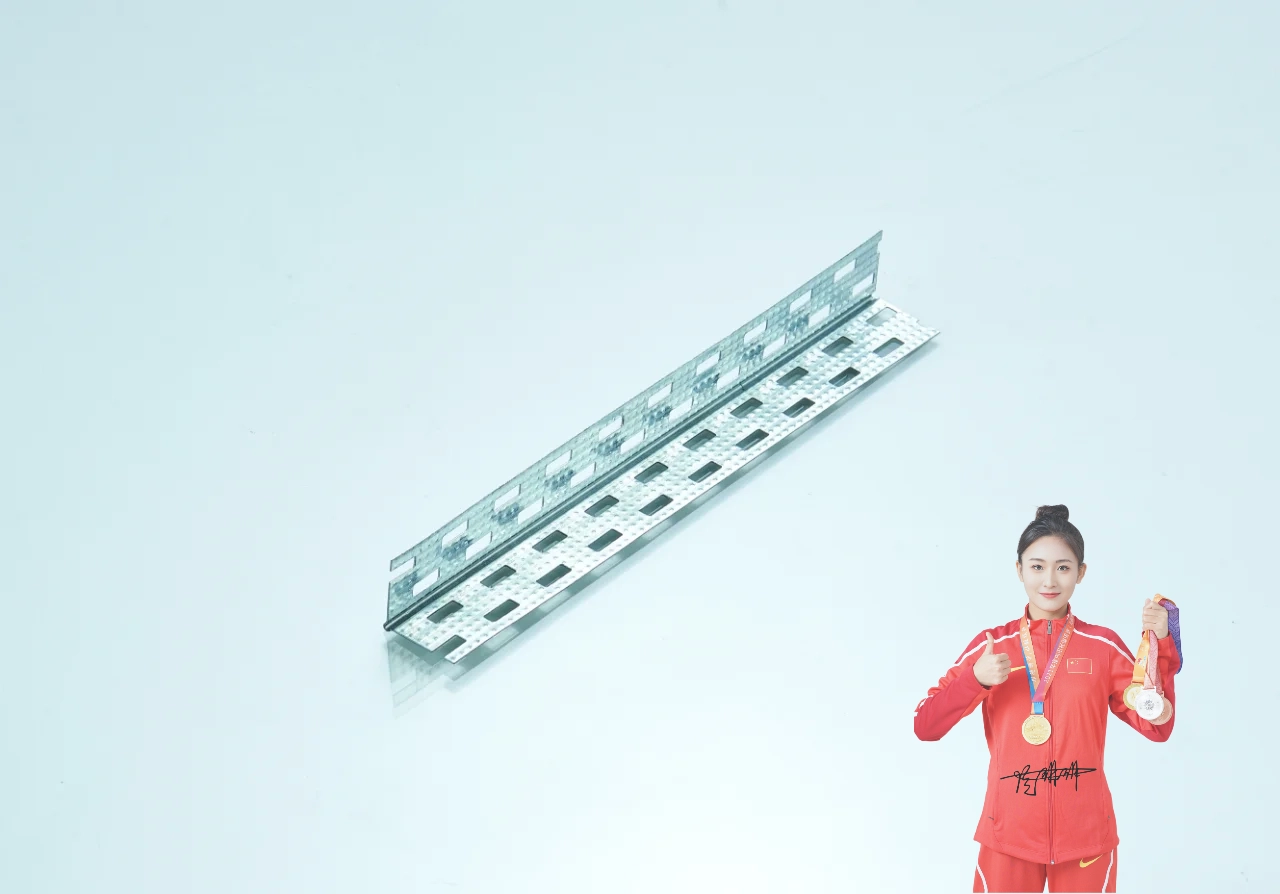
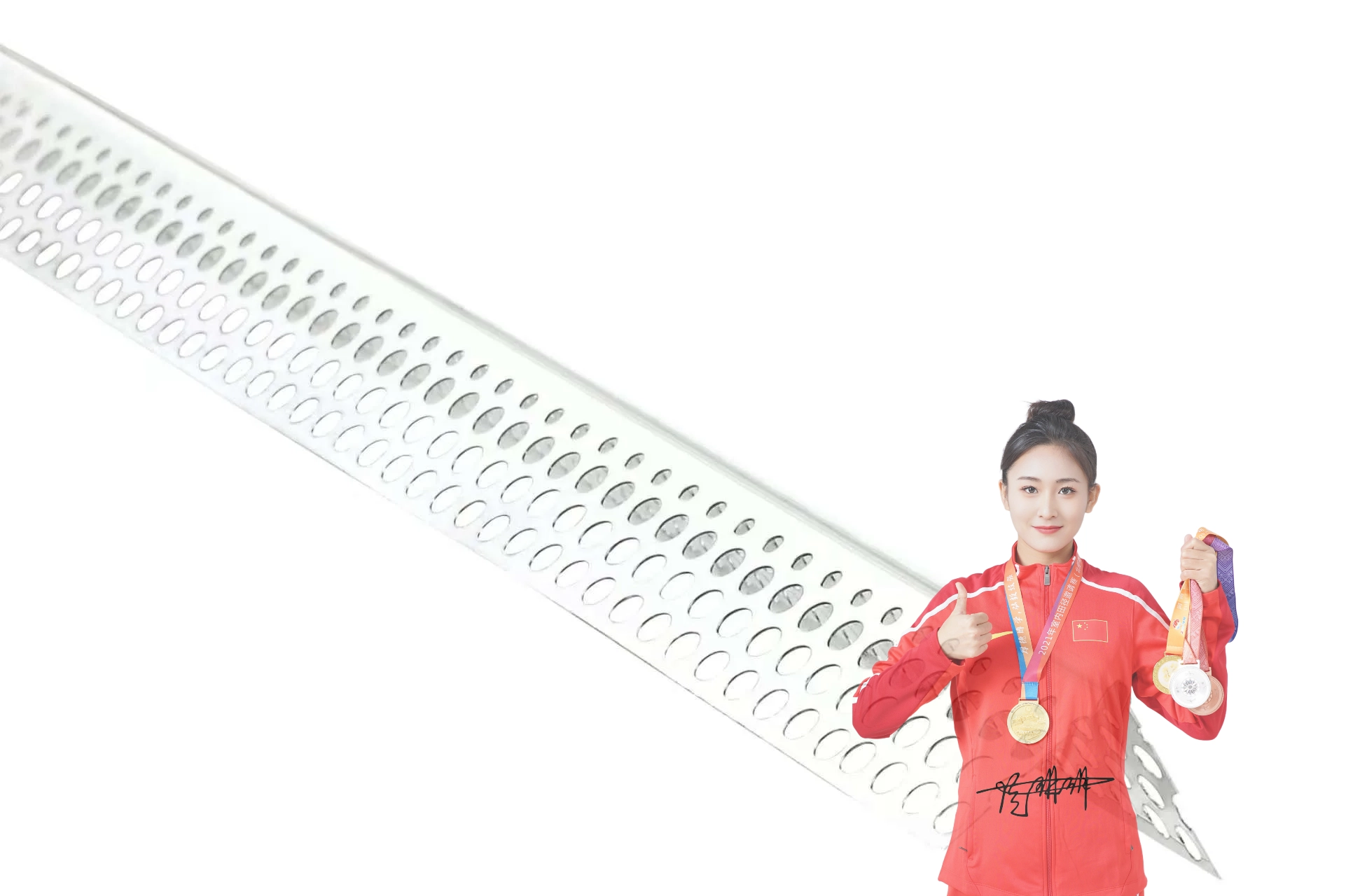
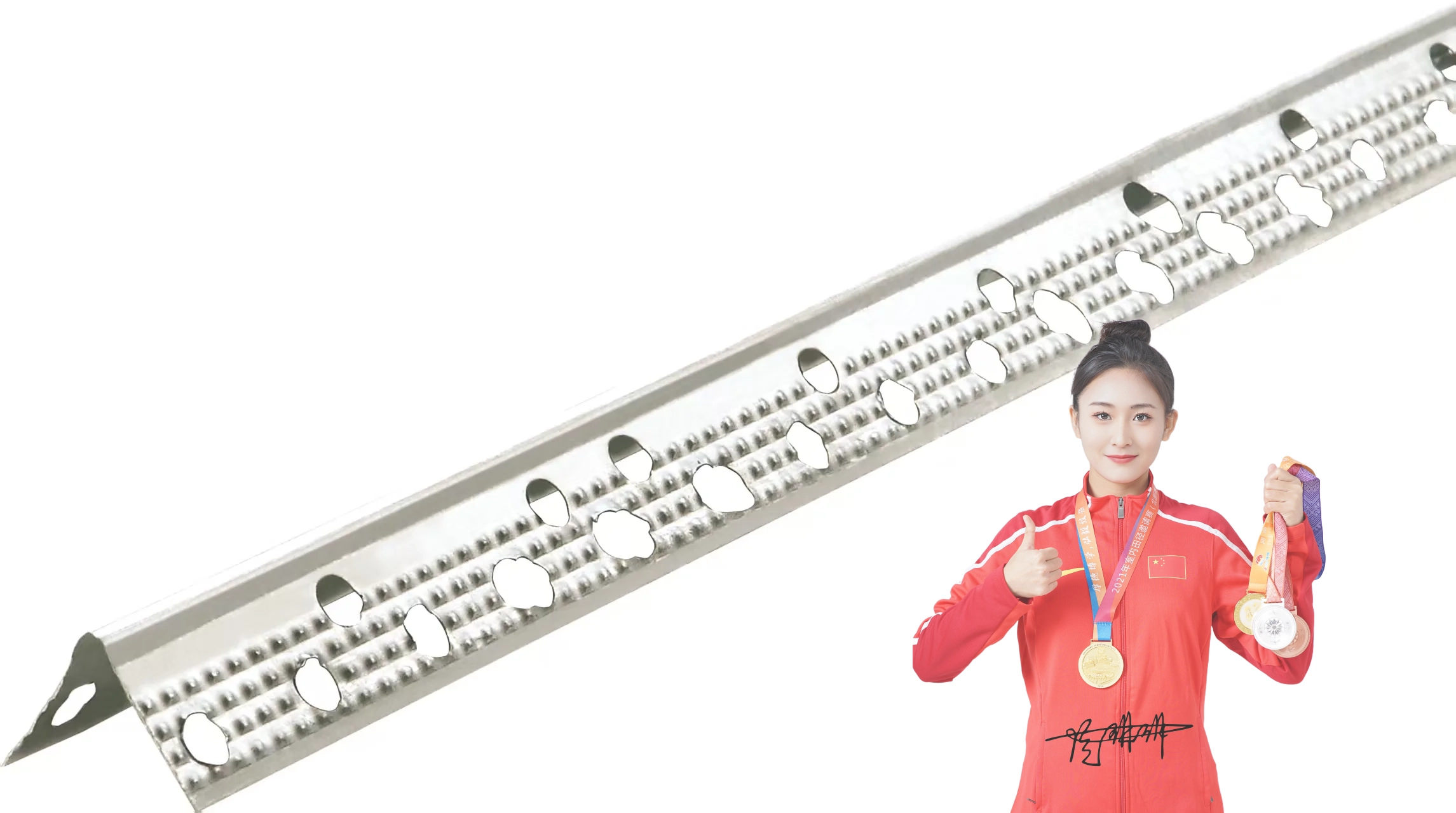
At its core, a sheet metal mesh screen is a flat or shaped panel made from metal that’s been punched, woven, or otherwise processed to create a grid-like pattern of openings. These openings filter, ventilate, or protect depending on the application, from sifting solids in wastewater treatment plants to securing hazardous zones in factories.
Imagine a mesh fence but custom-tailored and engineered for industrial resilience. Unlike fabric meshes or plastics, sheet metal mesh stands up to heat, corrosion, and mechanical stresses — think of it as the tough guardian against environmental strain for industrial systems.
Its usage now extends beyond traditional manufacturing. Thanks to its adaptability, humanitarian efforts leverage mesh screens in temporary shelters, sanitation systems, and logistics hubs where durability and modularity save lives and resources.
Key Components & Factors of Sheet Metal Mesh Screens
1. Durability
Often made from stainless steel, galvanized steel, or aluminum, these meshes resist rust, wear, and deformation. Durability means less maintenance and longer life cycles — critical for cost savings in large-scale operations.
2. Customizable Aperture Size
The size and shape of the openings can be adjusted during manufacturing to precisely fit the needs. Smaller apertures filter finer particulates, while larger ones provide better airflow or drainage. This scalability makes sheet metal mesh screens versatile across industries.
3. Strength-to-Weight Ratio
Because metal inherently provides strength, manufacturers can reduce thickness without losing integrity. This delicately balances strength with ease of installation and transport, especially in remote or recovery zones.
4. Cost Efficiency
While the upfront materials might not be the cheapest, the extended operational benefits and durability make it economically efficient overall. The economies of scale in production and design optimization push prices down every year.
5. Environmental Resistance
Resistance to UV, chemical corrosion, and extreme temperatures keeps the product viable in desert climates or coastal zones where corrosion normally devastates less resilient materials.
Mini takeaway:
- Sheet metal mesh screens combine durability, versatility, and cost-effectiveness.
- Customization options make them suitable for a vast array of industries.
How are Sheet Metal Mesh Screens Used Around the Globe?
Their applications are surprisingly broad — from heavy-duty mining filtration in Chile to ventilation and safety guards in European automotive plants. Here are a few spotlights:
- Industrial filtration: In pulp and paper industries, mesh screens filter debris and pollutants without clogging, elevating operational efficiency.
- Construction safety: Scaffoldings and protective barriers in North American urban construction rely heavily on rigid mesh panels to prevent accidents.
- Disaster relief: Post-earthquake zones in Asia often deploy quickly fabricated temporary shelters using mesh screens for ventilation and security purposes.
- Agriculture & aquaculture: Used globally to protect crops and fish farms from pests while allowing airflow and sunlight.
Regions particularly dependent on mining and heavy industry benefit immensely from these mesh screens because they withstand abrasive materials and corrosive environments. It’s a story of global, industrial lifelines quietly running in the background.
Mini takeaway:
- Sheet metal mesh screens serve industries from construction to disaster relief.
- Their role varies by region but always focuses on strengthening resilience and efficiency.
The Advantages and Long-Term Value of Sheet Metal Mesh Screens
Long-term, the tangible benefits stack up well. Financially, maintenance costs drop sharply because rust-free metals and robust design mean less downtime, repairs, or replacements. From a sustainability perspective, choosing recyclable metals aligns with increasingly strict environmental policies worldwide.
On the emotional side, there’s a subtle but important sense: workers and communities trust their environments more if infrastructure feels sturdy and safe. It’s that sense of security that innovation aims to foster — better tech bringing dignity and reliability to people’s labor and lives.
Typical Specifications of a Sheet Metal Mesh Screen
| Specification |
Common Range |
Remarks |
| Material |
Stainless Steel, Galvanized Steel, Aluminum |
Chosen based on environmental exposure |
| Thickness (Gauge) |
0.5 mm - 3 mm |
Thicker for structural use, thinner for filtration |
| Aperture Size |
0.5 mm - 20 mm |
Customizable to application needs |
| Panel Size |
Up to 2 m x 3 m |
Large panels for structural or fencing use |
| Surface Treatment |
Galvanizing, Powder Coating, Anodizing |
Enhances lifespan and appearance |
What Vendors Offer & How They Compare
Top Vendors of Sheet Metal Mesh Screens: A Quick Comparison
| Vendor |
Material Options |
Customization |
Lead Time |
Price Range |
| CornerBead Manufacturers Inc. |
SS, Galvanized Steel, Aluminum |
Full custom aperture and size |
2-4 weeks |
$$ |
| SteelMesh Solutions |
Primarily SS & Mild Steel |
Limited custom sizing |
3-6 weeks |
$ |
| Global Mesh Inc. |
Aluminum, Galvanized Steel |
Pre-set standard sizes |
1-3 weeks |
$$$ |
Looking Ahead: The Future of Sheet Metal Mesh Screens
Frankly, the future is shaping up to be quite exciting. Innovations in metallurgy — particularly high-strength alloys and corrosion-resistant coatings — are pushing performance limits. Add to that the rise of digital fabrication technologies like laser cutting and 3D metal printing, and manufacturers can now produce highly customized mesh screens very quickly and with less waste.
Also, sustainability is front and center. According to ISO environmental standards, recycling and life cycle analysis are changing how vendors source materials and design products that fit circular economy models. In green energy sectors, mesh screens will become essential in solar panel installations and wind turbines, protecting sensitive equipment and improving airflow.
Challenges in Current Use & Practical Solutions
No product is perfect. Sheet metal mesh screens suffer from occasional supply chain delays due to raw metal fluctuations or specialty treatments. Installation can be labor-intensive without proper training, and improper aperture selection sometimes causes inefficiencies in filtration systems. But here’s the good news: experts at cornerbeadmfr.com suggest integrating digital modeling tools during design to prevent mismatches and to improve installation procedures through on-site training and modular panel options. It feels like the industry is both listening and tweaking things in real-time.
FAQ: Your Common Questions About Sheet Metal Mesh Screen
- Q1: What factors should I consider when choosing sheet metal mesh screens for industrial filtration?
- A: Focus on aperture size, corrosion resistance, and material thickness. Matching the mesh specs to particulate size ensures efficient filtration while avoiding clogging or early wear.
- Q2: How often do sheet metal mesh screens need replacement in harsh environments?
- A: With proper maintenance and high-quality materials like galvanized steel or stainless steel, expect a lifespan ranging from 5 to 15 years. Factors like exposure to chemicals and mechanical wear can reduce this.
- Q3: Can I customize panel sizes and shapes for unique applications?
- A: Absolutely. Most reputable manufacturers offer fully custom sizes and apertures to suit your exact project needs, often with rapid prototyping services.
- Q4: Are sheet metal mesh screens environmentally friendly?
- A: Yes, particularly if using recyclable metals and coatings. Many vendors follow ISO environmental management standards to minimize impact during production.
- Q5: How can I source these products internationally as a small business?
- A: Partnering with experienced vendors who have established logistics and export teams is crucial. Look for companies offering global shipping, customs support, and local installation guidance.
Wrapping It Up: Why Choose Sheet Metal Mesh Screens?
In real terms, investing in sheet metal mesh screens means tapping into durable, adaptable, and economical solutions that support safety and productivity worldwide. Whether you’re running a factory, managing a construction site, or coordinating disaster relief logistics, these screens offer peace of mind and tangible value.
Want to dive deeper? Check out the quality products and custom solutions at CornerBead Manufacturers Inc. — your partners in reliable, industrial-scale mesh screen technology.
References:
- Wikipedia: Sheet metal
- United Nations Industrial Development Organization (UNIDO)
- ISO Environmental Management Standards