What Is a Stainless Steel Net Sheet and Why Should We Care?
At first glance, a stainless steel net sheet might seem like a niche product confined to industrial uses. But dig a little deeper, and you’ll find it plays a surprisingly versatile and vital role across construction, filtration, defense, and even humanitarian operations. In an age where materials need to be stronger, lighter, and increasingly sustainable, knowing about this alloy mesh can feel like having a backstage pass to the future of manufacturing and infrastructure.
Globally, the demand for durable, corrosion-resistant materials is soaring — especially as industries look for components that last longer while cutting maintenance costs. A stainless steel net sheet balances these needs well, and understanding its core benefits can be a game-changer whether you’re an engineer, architect, or procurement specialist.
The Global Relevance of Stainless Steel Net Sheets
Here’s a bit of context: According to the International Organization for Standardization (ISO), stainless steel production has increased worldwide by roughly 30% over the past decade, largely because it’s indispensable in sectors ranging from food processing to petrochemicals. That growth highlights a broader movement toward materials that can withstand harsh environments without succumbing to rust or wear.
World Bank data also points to an uptick in infrastructure projects in Asia-Pacific and Africa, regions where resource efficiency is paramount. Stainless steel net sheets, with their lightweight yet rigid structure, solve multiple challenges including safety, durability, and cost efficiency.
But let’s be honest — problems remain. Environmental degradation, infrastructure wear, and the need for reliable filters in water treatment plants all call for materials that are as tough as they are smart to use.
Mini takeaway: The rise in global infrastructure paired with the push for long-lasting, eco-conscious materials makes stainless steel net sheets a hot commodity worldwide.
Defining Stainless Steel Net Sheets
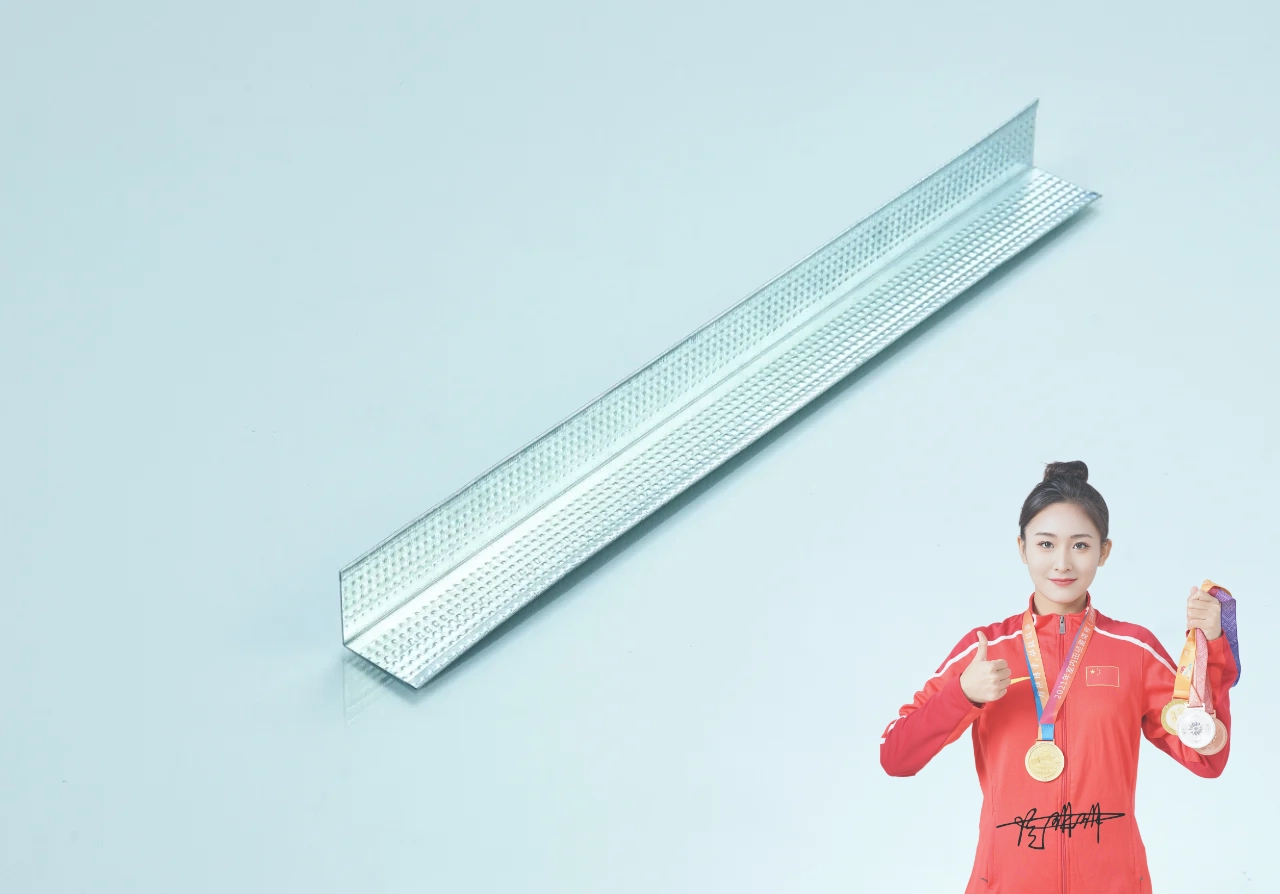
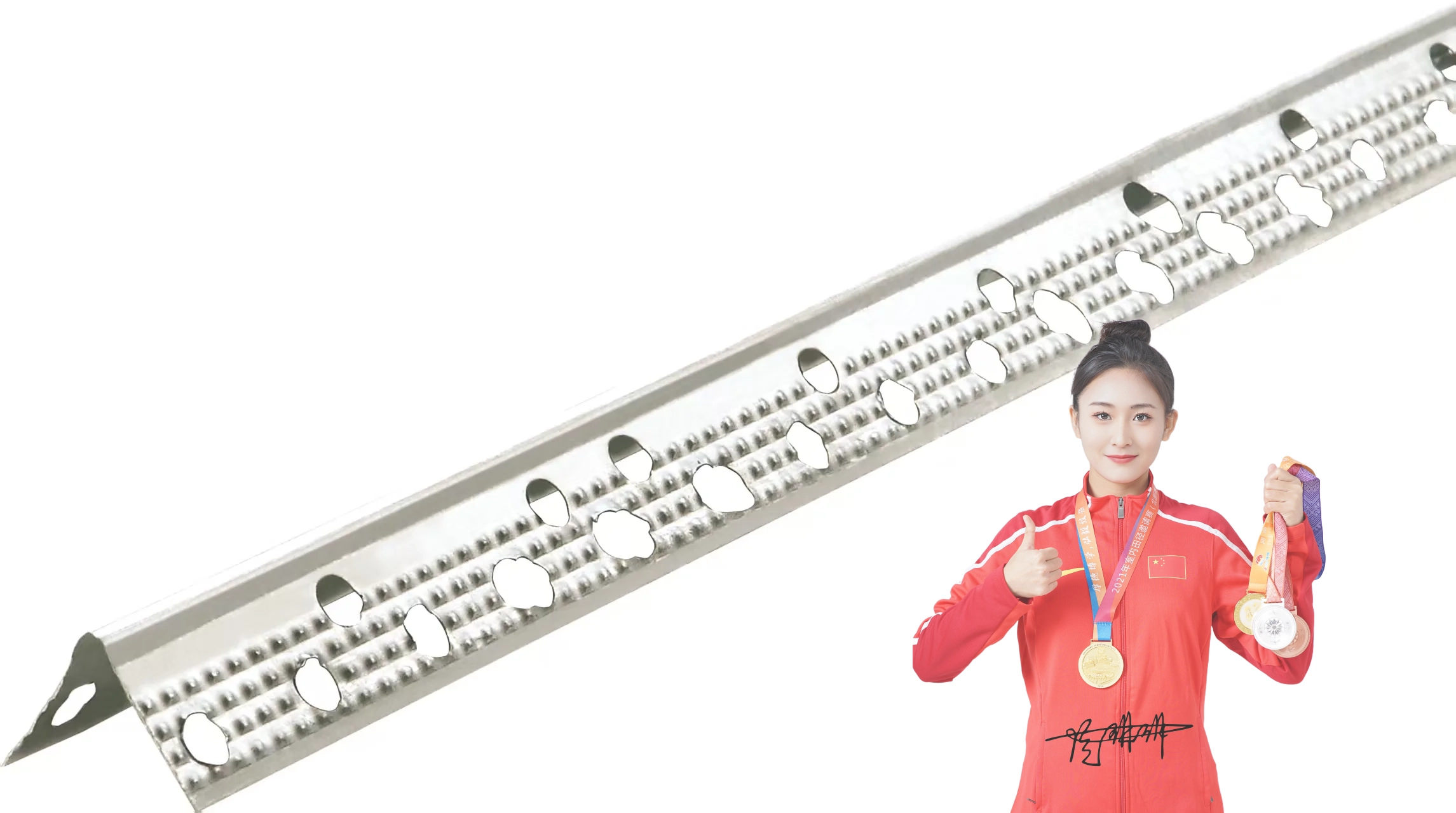
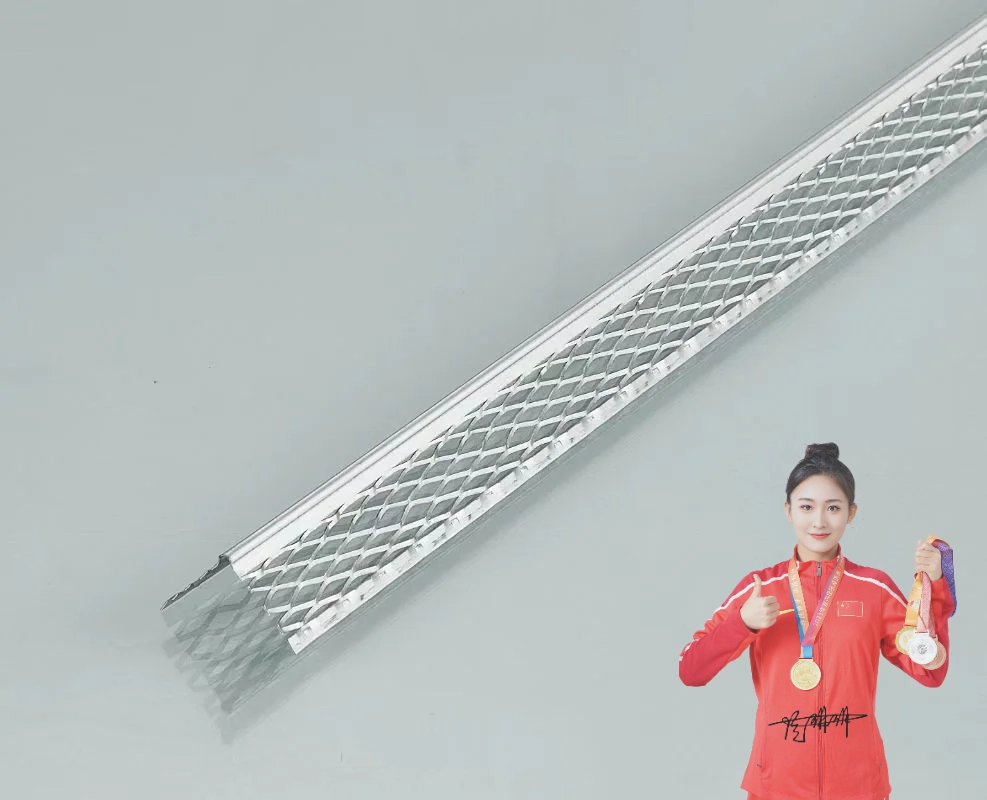
So, what exactly is a stainless steel net sheet? Simply put, it’s a sheet comprised of interwoven or welded wires made from stainless steel alloys. These sheets can come in various mesh sizes, thicknesses, and surface finishes depending on their application. Their main attraction is corrosion resistance combined with mechanical strength — stainless steel’s claim to fame.
These sheets serve as barriers, filters, or protective overlays in industries that demand longevity and hygiene, such as food manufacturing or pharmaceuticals. Oddly enough, their role stretches to areas like humanitarian logistics and disaster response, where sturdy yet lightweight materials can help rebuild or protect vulnerable communities.
Core Components and Key Features of Stainless Steel Net Sheets
Durability and Corrosion Resistance
Stainless steel alloys, most commonly grades 304 and 316, are famous for resisting oxidation and chemical attacks. This means the net sheets last longer, require fewer replacements, and perform reliably even in salty marine conditions or acidic industrial environments.
Scalability and Customization
One neat feature is that these sheets can be tailored — the mesh aperture, thickness, and weave pattern are all adjustable. For instance, tight weaves are perfect for filtration, while larger apertures serve well for fencing or ventilation.
Lightweight Strength
Balancing strength with weight is crucial, especially in transportation or architectural settings. Stainless steel net sheets provide structural integrity without being cumbersome — a perk many engineers highlight on site visits.
Hygiene and Easy Maintenance
The smooth stainless surface is inherently easy to clean and sterilize. Think food processing plants or hospitals where hygiene is non-negotiable.
Environmental Sustainability
Stainless steel is 100% recyclable, making net sheets an eco-friendly alternative to plastics or other metals. With circular economy models gaining traction globally, this recyclability counts heavily.
Stainless Steel Net Sheets: Real-World Applications
The diversity in applications feels almost endless. Here are some you might find interesting:
- Construction & Architecture: Façade cladding, sun-shading veneers, or safety grilles.
- Water Treatment: Filtration screens in wastewater plants, especially in regions working hard to improve sanitation access.
- Defense & Security: Ballistic shields or protective fencing in sensitive installations.
- Food & Pharma: Hygienic sieves and conveyors.
- Disaster Relief: Temporary shelters or ventilation components.
For example, in post-flood recovery efforts in Southeast Asia, humanitarian teams have used stainless steel net sheets to create ventilated storage units, enabling safer food preservation and reducing spoilage.
Stainless steel net sheet manufacturers worldwide often collaborate with NGOs to tweak standard products for these critical needs.
Mini takeaway: Their adaptability and physical properties mean stainless steel net sheets bridge sectors, regions, and industries, providing a reliable material solution.
Advantages and Long-Term Value
One of the harder points to communicate is the emotional and social trust stainless steel net sheets command. They represent safety — a tangible layer of protection for workers, consumers, and families.
From a more logical viewpoint, reduced maintenance costs and longevity mean better ROI for infrastructure projects — a practical benefit any CFO will appreciate. Their recyclability supports companies aiming to improve their environmental footprint.
- Cost-efficiency: Less frequent replacement and low maintenance.
- Sustainability: Fully recyclable, reduces plastic dependency.
- Reliability: Performs under diverse climates and stresses.
- Social Impact: Enables safer, cleaner food, water, and shelter solutions.
Product Specification Table
| Specification |
Details |
| Materials |
Austenitic stainless steel (304, 316) |
| Mesh Size |
1mm - 50mm aperture options |
| Thickness |
0.3mm - 3mm |
| Surface Finish |
Mill, polished, or electro-polished |
| Standard Sheet Size |
1000 x 2000 mm (custom sizes available) |
Comparing Top Stainless Steel Net Sheet Vendors
| Vendor |
Product Range |
Customization |
Lead Time |
Price Range |
| Stainless Pro Mesh |
Wide (1-50mm apertures) |
High (custom alloys & sizes) |
2-4 weeks |
Mid-to-high |
| EcoSteel Nets |
Narrow (filter applications) |
Medium (standard sizes) |
1-3 weeks |
Budget-friendly |
| Heavy Duty Mesh Co. |
Specialized heavy gauge |
Low (mostly standard) |
3-6 weeks |
Premium |
Emerging Trends and Innovations
The stainless steel net sheet market is buzzing with innovation. More manufacturers are experimenting with duplex and super duplex stainless steels, offering even greater corrosion resistance and strength. On the sustainability front, greener production methods like hydrogen-based steelmaking are beginning to impact this segment, promising reduced carbon footprints.
Digitization is also making waves. Smart sensors embedded in net sheets can now monitor strain and environmental conditions — useful in critical infrastructures like bridges or offshore platforms. Automation in mesh weaving means quicker turnaround and more consistent quality.
Overall, the future looks bright, but also quite technical — a melding of traditional metallurgy and digital marvels.
Common Challenges and Expert Solutions
Despite these advances, stainless steel net sheets face hurdles. One frequent complaint is the initial cost premium compared to lower-grade metals or plastics. But, frankly, the lifetime cost savings usually outweigh this.
Another issue is corrosion in extreme chloride environments — even stainless steels can fail without proper grade selection or surface treatment. Waterproof coatings and passivation treatments are common fixes.
Design flexibility remains a bit limited when compared to polymer meshes, but continuing R&D into weaving technologies promises improvements.
FAQ: Practical Questions About Stainless Steel Net Sheets
-
Q: How long do stainless steel net sheets typically last outdoors?
A: When using appropriate grades like 316, net sheets can easily last 20+ years outdoors, depending on the environment and maintenance. Coastal or heavily polluted areas might shorten this lifespan if untreated.
-
Q: Can stainless steel net sheets be recycled after use?
A: Absolutely. Stainless steel is 100% recyclable without loss in quality, making these sheets very eco-friendly compared to non-metal alternatives.
-
Q: What industries benefit the most from stainless steel net sheets?
Common industries include construction, filtration, food processing, security, and disaster relief logistics.
-
Q: Are custom sizes and weave patterns available?
Yes, many manufacturers offer customized mesh sizes, thicknesses, and alloy blends to suit varied applications.
Summing It Up: Why Stainless Steel Net Sheets Still Matter Tomorrow
In the end, stainless steel net sheets combine durability, adaptability, and sustainability in a package that’s more than just “mesh.” They underpin some of the world’s toughest challenges — feeding populations, securing assets, and rebuilding communities torn by natural disasters.
If you want to explore top-grade stainless steel net sheets tailored perfectly to your needs, visit our website: https://www.cornerbeadmfr.com. Take it from engineers and project managers worldwide: this simple yet remarkable material earns its keep again and again.
References
- ISO - International Organization for Standardization
- World Bank - Global Infrastructure Data
- Wikipedia - Stainless Steel