Unpacking Steel Expanded Mesh Sheets: Why They Matter Worldwide
Steel expanded mesh sheets might sound like just another industrial term, but they play a surprisingly big role across construction, infrastructure, and even humanitarian efforts globally. At its core, this versatile product combines strength and flexibility in a way that meets modern demands on durability, cost, and sustainability. Understanding what steel expanded mesh sheets are and how they’re used can unlock smarter sourcing decisions for contractors, engineers, and even NGOs working in challenging regions.
Steel Expanded Mesh Sheets in a Global Context
We’re living in a world where infrastructure resilience and resource efficiency are more crucial than ever. According to the World Bank, global urban populations are expected to increase by 2.5 billion over the next 30 years, fueling a massive construction boom. Meanwhile, organizations like the UN emphasize sustainable building practices as fundamental to meeting climate goals.
Here’s the catch: traditional construction materials often struggle to balance strength, weight, and cost — especially in resource-constrained or disaster-prone areas. This is where steel expanded mesh sheets come in. Their open mesh design offers structural support without excessive material use or weight, helping to address these critical challenges.
Mini takeaway: In real terms, steel expanded mesh sheets help close the gap between growing global infrastructure needs and sustainable building practices.
What Exactly Are Steel Expanded Mesh Sheets?
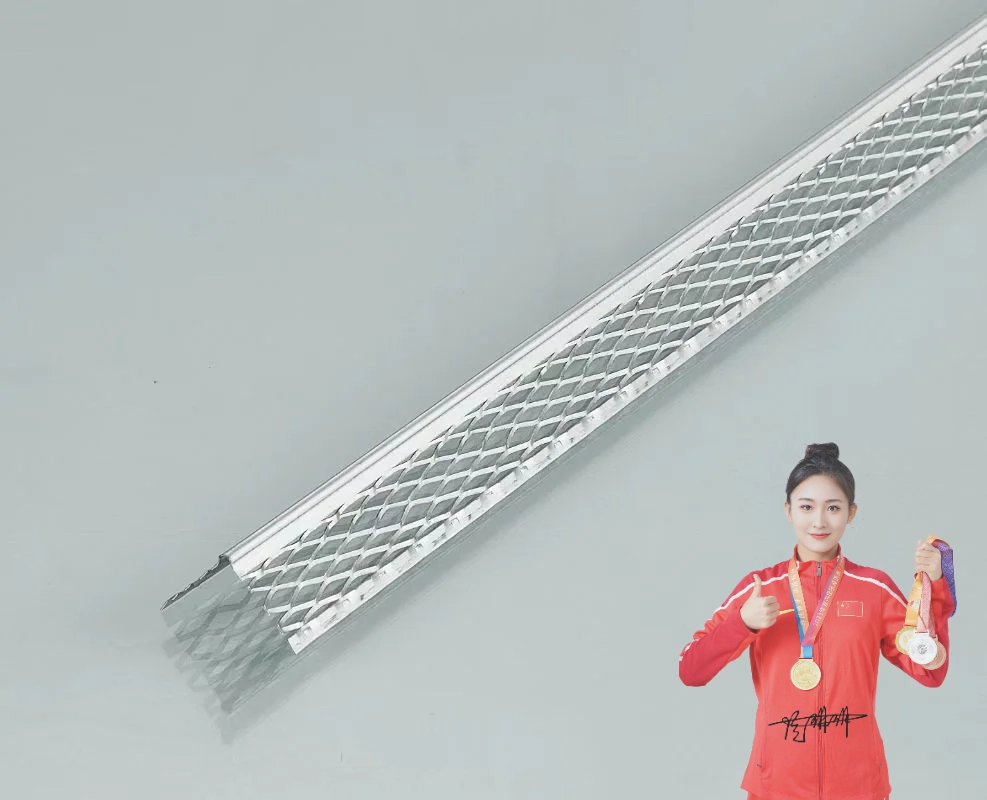
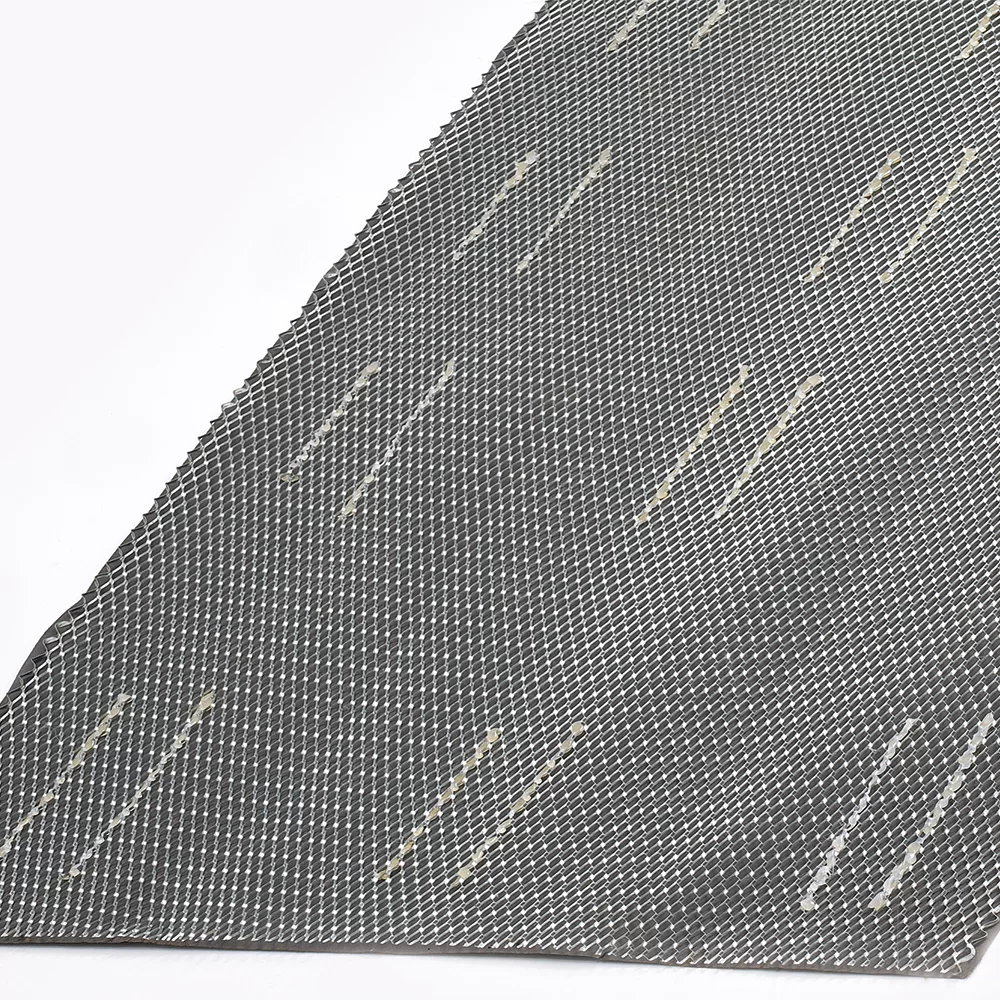
Simply put, steel expanded mesh sheets are flat steel sheets that have been simultaneously slit and stretched to form a diamond-shaped mesh pattern. No welding or weaving is involved — they’re literally “expanded.” This unique structure provides an ultra-lightweight yet incredibly strong material.
Because those diamond-shaped openings allow airflow, drainage, and light passage, these sheets are more than just metal panels. They’re used in facades, walkways, filtration systems, and security fencing — think modern industry meets practical innovation.
Oddly enough, beyond industrial uses, these sheets are gaining traction in humanitarian settings for quick-to-assemble shelters and robust container reinforcements. They offer a balance of protection, ventilation, and ease of transport that’s hard to beat.
Key Features That Set Steel Expanded Mesh Sheets Apart
Durability and Strength
Manufactured from high-grade steel, often galvanized or stainless, these mesh sheets resist corrosion and mechanical stress. I’ve talked to engineers who swear by their toughness — especially in coastal or industrial environments where metal degradation can be a nightmare.
Lightweight & Flexible Design
The expanded design reduces steel mass without sacrificing support. This isn’t your basic steel plate. It feels almost paradoxical how something so lightweight can hold up under serious loads.
Cost Efficiency
Less raw material and lower transportation costs add up quickly. Plus, the rapid installation means less labor and downtime. For projects big and small, that can make a real difference in budget and scheduling.
Ventilation & Safety
The pattern facilitates airflow and visibility while serving as a barrier. That’s ideal in factories, emergency shelters, or even decorative architectural applications where you want security without feeling “closed off.”
Scalability & Customization
Available in various gauges and mesh sizes, steel expanded mesh sheets can be tailored to countless applications. Cut them, bend them, or paint them — versatility is baked in.
Low Maintenance
With corrosion-resistant coatings and simple designs, these meshes require minimal upkeep. In places where maintenance crews are scarce, that can be a godsend.
Mini takeaway:
Steel expanded mesh sheets blend physical toughness with design versatility, making them a go-to solution across industries that demand both strength and adaptability.
Global Applications & Real-World Impact
From Southeast Asian urban centers to remote African mining sites, steel expanded mesh sheets are turning up everywhere. In post-disaster relief operations, for instance, they’re used to reinforce temporary shelters quickly while allowing air circulation — a big deal in tropical climates.
In industrial zones, these meshes protect machinery while providing easy cleaning access. Architectural firms increasingly specify them for facades and sunshades — marrying function with aesthetics. Even governments have adopted them for border fencing and public safety barriers.
| Specification |
Typical Range |
Remarks |
| Material Grade |
AISI 304/316 Stainless, Galvanized Steel |
Corrosion resistant options |
| Mesh Opening Size |
3mm – 50mm (Diamond pattern width) |
Custom sizes available |
| Sheet Thickness |
0.5mm – 6mm |
Determines strength and weight |
| Sheet Dimensions |
Typically 1.2m x 2.4m or custom |
Fits various project scopes |
| Finish Options |
Galvanized, Powder Coated, Painted |
For aesthetics and protection |
Advantages & Long-Term Value of Steel Expanded Mesh Sheets
Skilled designers praise these sheets for their blend of reliability and sustainability. Steel is 100% recyclable, and expanded mesh production avoids waste that typically comes from cutting. So while the upfront cost is competitive, the long-term environmental payoff is strong.
On an emotional level, for example, I’ve heard from shelter coordinators that the airflow and natural light delivered by these sheets help maintain dignity and comfort in tough settings. The feeling of safety without claustrophobia — it matters more than you’d guess.
Logically, you get a product that’s tough, adaptable, and keeps performance high long after installation. It reduces lifecycle costs and supports regulatory compliance in demanding environments, from industrial plants to disaster relief zones.
Emerging Trends & Innovations to Watch
Technology is nudging steel expanded mesh sheets into new territories. For starters, automation techniques now allow ultra-precise cutting and coating, improving consistency and reducing defects.
Sustainability-headquartered policies are pushing innovations like integrating recycled steel content and developing greener coatings. Some companies are experimenting with hybrid materials, blending steel with polymers to offer lightweight but even more corrosion-resistant options.
Finally, digital design tools (think BIM and parametric modeling) are enabling architects and engineers to design custom meshes that precisely meet airflow, security, and aesthetic targets. It’s an exciting time — the basic concept stays the same but the possibilities keep expanding.
Overcoming Common Challenges
No product is perfect, and steel expanded mesh sheets face a few limitations. For instance, sharp edges after expansion can require extra finishing to ensure worker safety. Also, very fine mesh openings might clog in dusty or muddy environments, reducing airflow.
Experts usually recommend coating edges and choosing mesh sizes tailored for operational conditions, or pairing mesh sheets with other filtration or protective layers. Advances in robotic finishing and surface treatments are helping reduce these issues too.
Comparing Popular Steel Expanded Mesh Sheet Vendors
| Vendor |
Material Options |
Customization |
Global Shipping |
Typical Lead Time |
Price Range |
| CornerBead Mfr. |
Galvanized, Stainless 304/316 |
High – custom sheet sizes & patterns |
Worldwide, FOB & CIF options |
2–3 weeks |
Mid-range |
| SteelMesh Tech Solutions |
Stainless, Mild Steel |
Moderate – standard mesh sizes |
Regional mostly (EU, NA) |
1–2 weeks |
Competitive |
| Global Mesh Industries |
Wide steel and alloy options |
Basic – fixed product line |
Limited, mostly regional |
3–5 weeks |
Affordable |
FAQ: Your Burning Questions on Steel Expanded Mesh Sheets
Q1: How do steel expanded mesh sheets compare to welded wire mesh?
A1: Expanded mesh sheets are created by cutting and stretching a single steel sheet, making them one continuous piece without joints. This provides better strength and rigidity compared to welded wire, which can have weak points at welds. Plus, expanded mesh offers lighter weight and better airflow in many cases.
Q2: Are steel expanded mesh sheets suitable for use in corrosive environments?
A2: Yes, especially when made from stainless steel grades like 304 or 316, or when galvanized and coated. These treatments provide excellent resistance to rust and chemical exposure, making them fit for coastal areas, chemical plants, or outdoor applications.
Q3: Can I customize mesh size and thickness for specific projects?
A3: Most manufacturers offer customization of both mesh opening size and sheet thickness. This flexibility allows you to balance ventilation, security, and strength depending on the use case. Just be mindful that extreme custom sizes might affect lead times.
Q4: How do I maintain steel expanded mesh sheets for longevity?
A4: Maintenance is usually low—regular cleaning to remove dirt and checking for damage is sufficient. For coated meshes, inspect the coating integrity periodically and repair or recoat if necessary.
Q5: Where can I find suppliers that ship internationally?
A5: Several companies like CornerBead Mfr. specialize in worldwide distribution and offer tailored logistics options. It’s worth discussing shipping needs upfront as costs and timings vary.
Wrapping It Up: Why Steel Expanded Mesh Sheets Are Worth Your Attention
Whether you’re designing safer industrial spaces, building resilient infrastructure, or planning emergency shelters, steel expanded mesh sheets offer a unique blend of strength, flexibility, and cost-effectiveness. Their global reach and the steady innovation around materials and designs mean they’ll only become more indispensable.
I encourage you to check out suppliers that provide customizable options to fit your exact needs. A great place to start is at CornerBead Mfr. — they offer a solid range and international shipping that can really smooth your project logistics.
In the end, it’s one of those niche products that quietly keeps the wheels turning behind a ton of important projects worldwide.
References
- World Bank: Urban Development
- Wikipedia: Expanded Metal
- ISO Standards on Steel Products