The Essential Role of Steel Mesh for Plastering in Modern Construction
Steel mesh for plastering—an unassuming but vital material—forms the unsung backbone of quality finishes in construction worldwide. It's not just some grid of wires; it’s a solution forged from practical need and innovation that enhances safety, durability, and even aesthetics of buildings. Globally, as urbanization accelerates and infrastructure demands boost, understanding steel mesh for plastering is more than just technical knowledge—it’s knowing how to build smartly, sustainably, and efficiently.
Why Steel Mesh for Plastering Matters on a Global Scale
Plastering is an age-old craft critical to protecting walls and improving both interior and exterior finishes. According to the United Nations, with more than 55% of the world population living in urban areas by 2024, construction quality has never been more vital.[1] Steel mesh for plastering provides a way to reinforce walls, reduce cracks, and improve overall strength of plaster layers. It’s a silent answer to two persistent problems in construction: ensuring durability and preventing water ingress, which are often linked to costly repairs down the line.
Even more — in regions prone to seismic activity or extreme weather, the mesh serves as an invisible shield, holding plaster together and saving lives. It’s in humanitarian relief projects and upscale urban developments alike. So this tiny-grid solution really scales big on impact.
What Exactly Is Steel Mesh for Plastering?
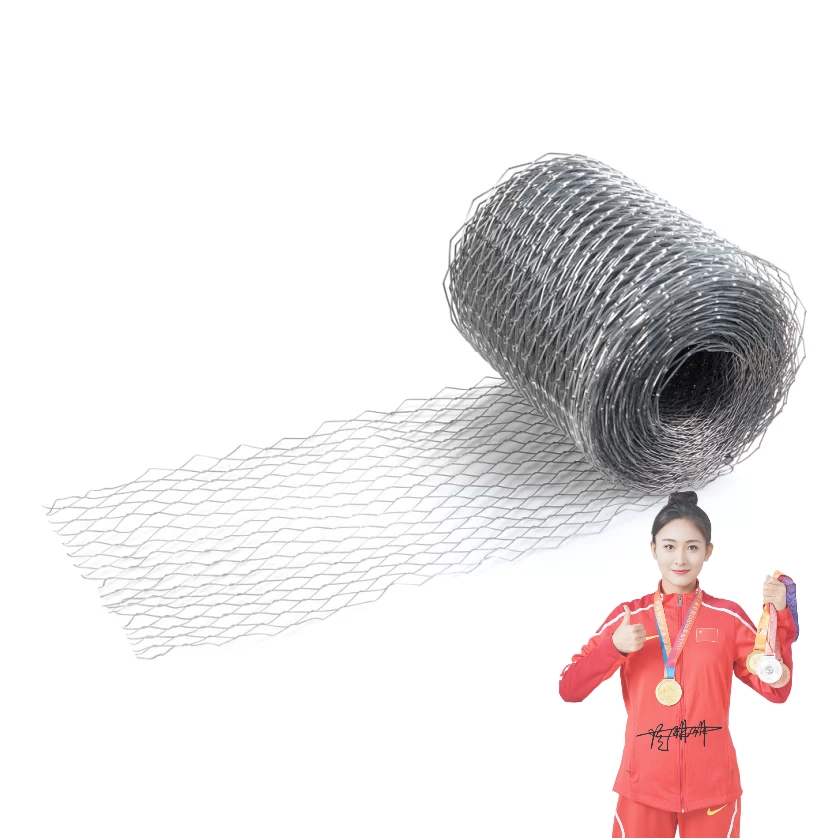
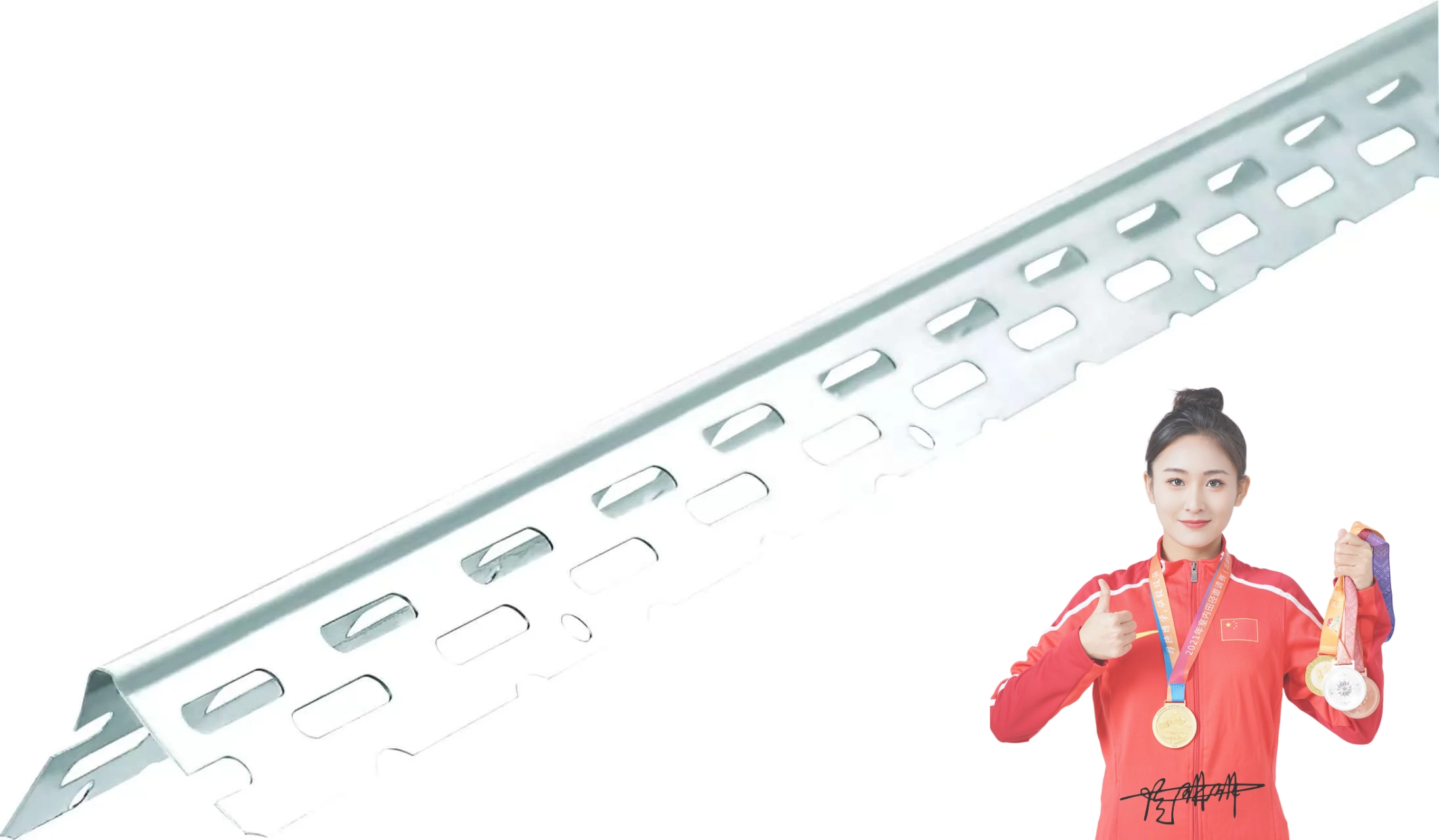
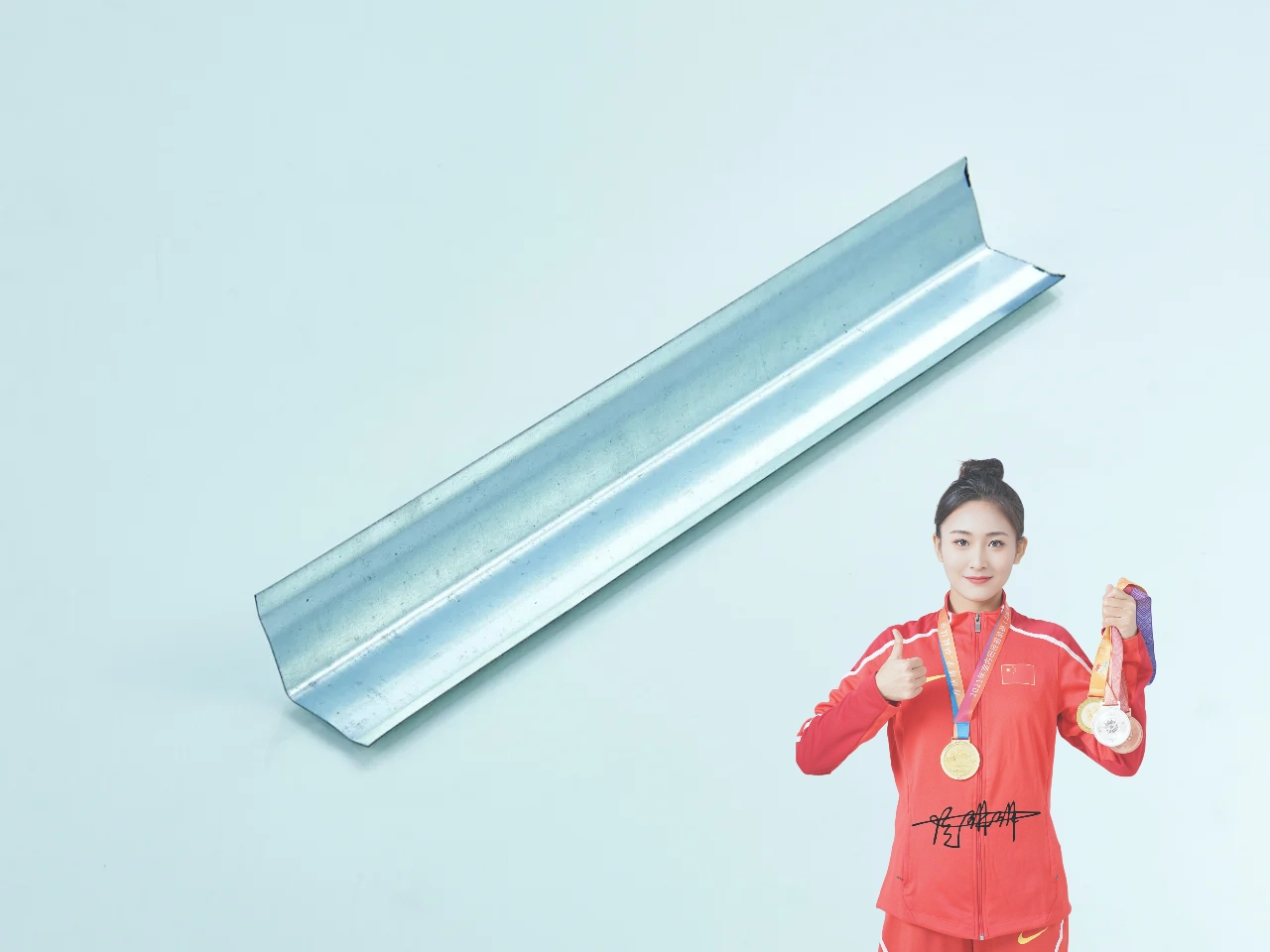
Simply put, steel mesh for plastering is a woven or welded grid of steel wires tailored to be embedded in plaster. It offers a stable framework to key plaster materials onto the wall or ceiling surface. Think of it like reinforcing fabric: the plaster sticks to the mesh, which prevents cracks and deformation as buildings settle or weather shifts.
It’s increasingly connected to modern industry needs—particularly in sustainable building, where minimizing waste and maximizing lifespan are crucial. NGOs use it in quick-build homes after disasters, while large construction firms rely on it for tower blocks and facades, ensuring safety and quality in one neat package.
Key Components and Characteristics:
- Wire Material & Coating: Usually mild steel with galvanization or PVC coating to prevent rust.
- Mesh Size: Typically between 5x5 mm to 50x50 mm depending on plaster type and application.
- Wire Thickness: From 0.8 mm up to 3.0 mm, balancing flexibility and rigidity.
- Panel Size: Standard sheets (e.g., 1m x 2m) cut according to project needs.
- Fixing Methods: Nails, staples, or clips designed for easy wall attachment.
Getting these factors right can mean the difference between a plaster that cracks within months and one that lasts decades.
Core Features That Make Steel Mesh for Plastering Practical
Durability Against Cracks and Weathering
By dispersing stress uniformly throughout the plaster layer, steel mesh prevents the notorious hairline cracks everyone hates to find. In rainy or humid climates, the galvanised steel resists corrosion, ensuring the structure maintains integrity for years.
Cost Efficiency Through Longevity
Rather than re-plastering every few years, the upfront use of mesh often leads to massive savings. It's a small investment now that means fewer repairs later, helping owners avoid headaches and wallet aches alike.
Ease of Installation and Adaptability
Steel mesh sheets are light enough to handle on site and can be cut or shaped to fit oddly sized areas. This flexibility makes them a favorite with contractors who want quick, reliable installation without fuss.
Compatibility with Various Plaster Types
Whether lime, cement, gypsum-based, or modern synthetic plasters, steel mesh adheres effectively, enhancing bonds without chemical reactions.
Environmental Sustainability
Reusable and recyclable, steel mesh aligns well with today’s environmental goals. Many producers optimize fabrication with energy-efficient methods, adding to its green credentials.
Summary Takeaway:
Steel mesh for plastering weaves together performance, economy, and sustainability — the triple win modern builders yearn for.
Real-Life Applications of Steel Mesh for Plastering Around the World
The versatility of steel mesh means it's deployed in vastly different environments:
- Post-Disaster Housing: NGOs integrate mesh into emergency shelters, ensuring temporary dwellings remain structurally sound in unpredictable climates.
- Urban Development in Asia: Rapid urban sprawl in countries like India and China demands fast, resilient plaster systems — mesh plays a vital reinforcement role.
- Heritage Building Restoration (Europe): Delicate historic facades gain structural support without altering appearance, thanks to fine steel mesh grids embedded beneath lime plaster.
- Remote Industrial Zones (Africa, South America): Where maintenance is tough, durable plaster reinforced with steel mesh reduces the need for frequent intervention.
It’s especially interesting how small-scale artisanal builders and big corporate giants converge on this material as their go-to solution — a rare alignment in construction choices.
Product Specification Table
| Specification |
Description |
| Wire Material |
Galvanized Mild Steel |
| Wire Diameter |
1.0 – 3.0 mm |
| Mesh Size |
10 mm x 10 mm (standard) |
| Panel Dimensions |
1 m x 2 m |
| Coating |
Galvanized or PVC coated |
| Weight per Panel |
4 – 6 kg (depending on wire thickness) |
Comparing Leading Vendors of Steel Mesh for Plastering
| Vendor |
Product Range |
Customization Options |
Lead Time |
Sustainability Practices |
| SteelMesh Pro |
Wide (wire diameters 0.8 - 3.0 mm) |
Custom mesh size, coatings |
2 weeks |
Recyclable packaging, energy-efficient plants |
| BuildGrid Solutions |
Standard and premium grades |
Panel size and wire coating |
1 week |
Use of recycled steel, ISO 14001 certified |
| PlastiSteel Industries |
PVC coated mesh |
Limited customization |
3 weeks |
Plastic-free packaging initiatives |
Advantages & Lasting Benefits of Using Steel Mesh in Plastering
Aside from the obvious protection against cracking, I’ve noticed a few practical upsides:
- Cost Savings: Long-term maintenance plummets. You avoid the cycle of repaint, replaster, repeat.
- Social Impact: Safe walls = safe homes. For humanitarian groups, this materially means dignity restored after chaos.
- Sustainability: The ability to recycle steel mesh reduces waste. It’s inherently green compared to synthetic sheet alternatives.
- Reliability: In environments ranging from humid tropical to freezing alpine, steel mesh keeps plaster solid, rarely letting you down.
- Innovation: You get a tech-simple tool that generously enables modern architectural creativity.
Looking Ahead: Innovations and Trends in Steel Mesh for Plastering
The future looks bright—and curious. Emerging trends include:
- Smart Coatings: Antimicrobial and self-cleaning coatings are being tested that could keep facades fresher, longer.
- Lightweight Composites: Hybrid meshes combining steel with polymers to reduce weight yet boost flexibility.
- Digital Fabrication: Automated cutting, welding, and customization make bespoke mesh easier and cheaper than ever.
- Eco-Friendly Steel Production: Pioneering manufacturers are lowering carbon footprints using hydrogen-based reduction methods.
Keep an eye out; these innovations could shift industry standards within a decade.
Challenges Faced and Solutions in Deploying Steel Mesh for Plastering
Not everything is rosy. Challenges include:
- Corrosion Risk: Cheap or uncoated mesh fails fast in wet environments.
- Installation Errors: Poor fixing leads to detachment or uneven plaster thickness.
- Supply Delays: Customized orders sometimes take weeks, slowing projects.
However, experts recommend:
- Strict adherence to high-quality coatings (galvanizing or PVC).
- Training on proper fixing techniques.
- Partnering with vetted suppliers with proven logistics.
Addressing these issues leads to enhanced performance and peace of mind on site.
FAQ: Common Questions about Steel Mesh for Plastering
Q1: How does steel mesh prevent plaster cracking?
A1: The mesh distributes stresses caused by temperature changes or structural movement evenly across the plaster layer. This tension diffusion prevents localized cracking, making plaster more durable.
Q2: Can steel mesh be used with all types of plaster?
A2: Yes. Steel mesh is compatible with cement, lime, gypsum, and synthetic plasters, enhancing adhesion and mechanical strength in each case.
Q3: How long does galvanized steel mesh last embedded in plaster?
A3: With proper galvanization or protective coatings, steel mesh can last 30+ years without significant corrosion, depending on environmental conditions.
Q4: Is steel mesh recyclable after demolition?
A4: Absolutely. Steel mesh can be recycled along with other steel scrap, reducing waste and supporting circular economy initiatives.
Q5: Where can I buy customizable steel mesh panels?
A5: Vendors like steel mesh for plastering providers offer custom sizes and coatings tailored to project needs, often with online ordering and delivery options.
Wrapping Up: Why Steel Mesh Is the Smart Choice for Plastering
Putting it all together, steel mesh for plastering stands as a practical, economical, and environmentally sensible solution for modern builders. It’s about getting the best bang for your buck with resilience, flexibility, and ease of use. If you’re committed to quality and longevity in plastering, this is the ‘go-to’ reinforcement method—and frankly, it just makes good sense.
Curious? Visit our website: https://www.cornerbeadmfr.com to see the latest canvas of offerings, detailed specs, and expert advice.
References & Further Reading
- UN World Urbanization Prospects, 2023 Edition - https://population.un.org/wup/
- ISO 9001:2015 Standard on Quality Management Systems - https://www.iso.org/iso-9001-quality-management.html
- Galvanizing Processes & Corrosion Resistance - https://en.wikipedia.org/wiki/Galvanization