Understanding Steel Net Sheets: Why This Modest Material Matters Globally
Steel net sheet might not be the star of construction gossip around the water cooler, but get this: it quietly plays a mighty role worldwide. Whether reinforcing a skyscraper’s skeleton or shielding the vulnerable in a post-disaster zone, these woven or welded steel meshes punch well above their weight. Their strength, versatility, and affordability have positioned them as essential materials across industries and regions.
With infrastructure needs soaring due to rapid urbanization and ongoing humanitarian efforts, knowing what steel net sheets bring to the table can help engineers, builders, and NGOs make smarter, more sustainable choices. Here's a down-to-earth look at what they are, how they work, and why you might want to care.
Global Context: The Expanding Role of Steel Net Sheets
Steel net sheets have quietly become a foundational material in construction, agriculture, logistics, and disaster relief efforts globally. According to the International Steel Fabricators Association, over 50 million tons of steel mesh products are produced annually, highlighting a consistent demand driven by urban expansion and infrastructure modernization.
Meanwhile, the United Nations (UN) continues to report increasing humanitarian crises requiring rapid deployment of protective and structural materials. Steel net sheets, with their adaptability and strength, offer practical solutions to those challenges — from makeshift barriers to reinforcement grids in emergency shelters.
But the real problem in many regions isn’t just supply—it’s accessibility, cost-efficiency, and durability under diverse environmental stresses. Steel net sheet helps address these by providing a product that’s both resilient and scalable.
Mini takeaway: The steel net sheet industry is not just booming; it's responding to pressing global needs in development and disaster preparedness alike.
What Is a Steel Net Sheet?
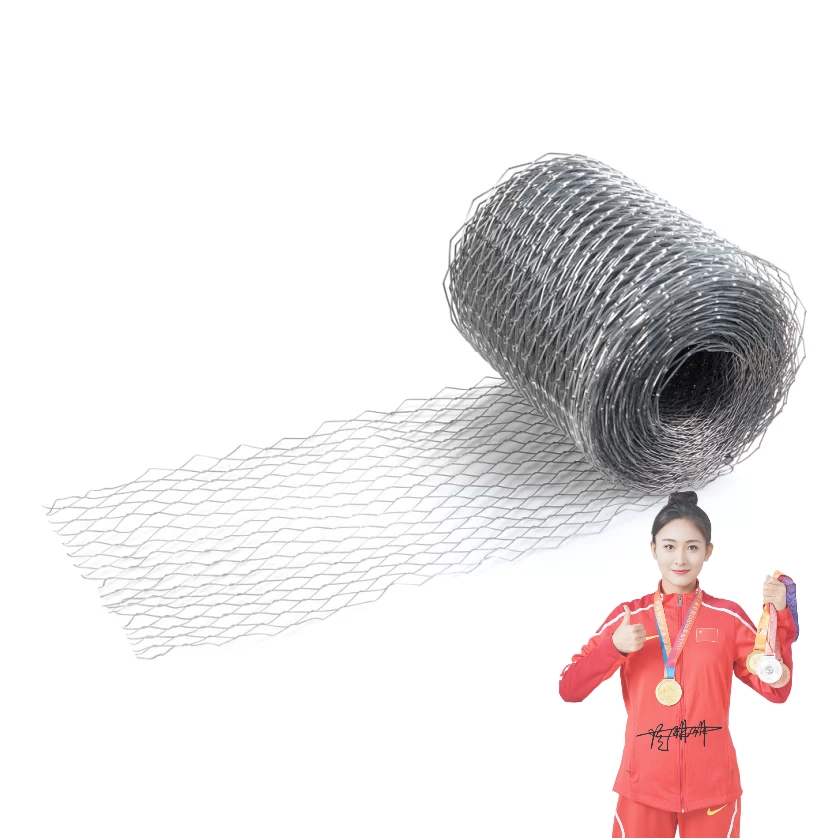
Put simply, a steel net sheet is a grid-like panel made from interlinked or welded steel wires or strips. Think of it as a robust, metallic fabric that can flexibly cover surfaces or create spatial frameworks. In many applications, it acts as a reinforcement or protective layer.
Besides its common use in building and civil engineering—like reinforcing concrete slabs or retaining walls—it’s a key component in various humanitarian projects. For example, these sheets can stabilize ground in refugee camps or create partitions that ensure privacy and safety.
steel net sheet plays a somewhat unsung but crucial role in supporting modern industrial and social infrastructures.
Core Features of Steel Net Sheets
Durability
The backbone of steel net sheets is their solid construction — often galvanized or coated to resist corrosion. This means they hold up in harsh weather, salty coastal air, or industrial pollutants. Durability isn’t a buzzword here; it translates to real-world savings by reducing replacements and maintenance.
Scalability & Custom Sizing
Whether you need a tiny panel for a small-scale project or large rolls spanning several meters, manufacturers can customize steel net sheets by mesh size, wire diameter, and sheet thickness. This adaptability makes sure you’re not wasting material or paying for unnecessary bulk.
Cost Efficiency
Ordinarily, the steel net sheet’s stellar performance would come with a steep price tag, but thanks to modern fabrication techniques and mass production, it’s quite affordable. Compared to alternatives like plastic mesh or fiber reinforcements, steel net sheets offer a significantly longer lifespan for the price — a true bang-for-buck example.
Ease of Installation
Lightweight relative to solid steel plates, these sheets are easy to transport and position, shortening labor time on-site. They also integrate well with welding, bolting, or tying systems without specialized tools.
Sustainability
Steel is 100% recyclable. Many steel net sheets boast high recycled content, supporting circular economy goals. Considering global efforts to reduce construction waste, these panels stand out as smart material choices for eco-conscious builders.
Mini takeaway: In essence, steel net sheets offer a balanced trifecta of strength, affordability, and adaptability.
Real-World Applications: Who’s Using Steel Net Sheets and How?
The versatility of these sheets is impressive. Here are some concrete examples:
- Construction & Civil Engineering: Reinforcing concrete floors, walls, and roadworks worldwide, especially in Asia and Europe where urban growth demands rapid construction.
- Agriculture: Enclosures and fencing to protect crops and livestock— especially in regions like Australia and North America.
- Disaster Relief & Humanitarian Aid: In earthquake-ravaged Nepal or flood zones in Africa, steel net sheets form emergency barriers or reinforce temporary shelters, supporting safety and dignity.
- Industrial Zones: Machinery guards and storage racks benefit from the sturdy mesh, a staple in manufacturing hubs like Germany’s Ruhr region.
- Transportation & Logistics: Cargo containment grids in shipping containers utilize steel net sheets to secure shipments securely across oceans.
Mini takeaway: The steel net sheet is the quiet Swiss Army knife—used everywhere from farms to factories, from disaster zones to development sites.
Advantages & Long-Term Value of Steel Net Sheets
When you factor in immediate usability and lasting value, steel net sheets shine pretty brightly:
- Cost Savings: Lower maintenance and replacement frequency translate into significant budget relief over years.
- Sustainability: Recyclable nature aligns with international standards like ISO 14001 for environmental management.
- Social Impact: By enabling safer, reliable structures in disaster-prone areas, these sheets indirectly save lives.
- Reliability: Steel’s inherent strength means fewer surprise failures. For engineers, that’s the difference between peace of mind and ongoing headaches.
- Innovation & Trust: Suppliers now incorporate better coatings, lighter alloys, and smart markings to simplify installation & inspection.
Emotionally, knowing your project rests on dependable materials can mean the difference between sleepless nights and confidence.
Future Trends & Innovations Around Steel Net Sheets
The materials industry never really hits pause, and steel net sheets are no exception. Looking ahead:
- Advanced Coatings: Nanotechnology-based corrosion resistance for ultra-long lifespan.
- Green Steel Initiatives: Reduced carbon footprint steel made via hydrogen processes rather than coal.
- Automation & Robotics: Smart factories using AI to fabricate perfectly tailored net sheets faster than ever.
- Digital Integration: Embedding sensors on steel net sheets to monitor structural integrity in real-time.
These innovations promise to make steel net sheet products not only smarter but kinder to the planet.
Challenges + Solutions
Of course, nothing is perfect. Main challenges include:
- Weight: Though lighter than solid plate, steel net sheets can still be cumbersome in large volumes.
- Corrosion Risk: Especially in marine or acidic environments, protective coatings can fail over time.
- Supply Chain Disruptions: Raw material price fluctuations sometimes cause delays or cost spikes.
Expert manufacturers now counter these with improved alloys, modular delivery systems, and integrated quality checks — ensuring your steel net sheet arrives on time and in top shape.
Steel Net Sheet Product Specifications
| Specification |
Details |
| Material |
Galvanized Carbon Steel / Stainless Steel |
| Mesh Size |
10mm x 10mm to 50mm x 50mm (custom sizes available) |
| Wire Diameter |
1.5 mm to 5 mm |
| Sheet Dimensions |
1m x 2m standard; customizable rolls available |
| Coating |
Hot-Dip Galvanized, PVC Coated, or Electroplated |
| Tensile Strength |
450-600 MPa |
Top Vendors Compared: What To Consider When Choosing Steel Net Sheet Suppliers
| Vendor |
Product Range |
Lead Time |
Certifications |
Sustainability |
| Corner Bead Mfr |
Full range including custom sizes |
2-3 weeks standard |
ISO 9001, CE |
Recycled steel content & green initiatives |
| SteelMesh Pro |
Varied mesh sizes, mainly construction focus |
1-2 weeks (depending on order) |
ISO 14001 |
Limited recycled content |
| Global Steel Nets |
Industrial-heavy, high durability focus |
3-4 weeks |
CE, SGS Certifications |
Ongoing sustainability programs |
Frequently Asked Questions About Steel Net Sheets
What factors determine the best steel net sheet for construction?
The choice depends on factors such as mesh size, wire diameter, coating type, and tensile strength required for your project. Environmental conditions like moisture or corrosive agents also influence the selection. For lasting results, galvanized or PVC-coated sheets are preferable for outdoor use.
How long do steel net sheets typically last outdoors?
With proper coatings and maintenance, steel net sheets can last 15-25 years or more. The lifespan varies with environmental factors — salty coastal air accelerates corrosion unless special protective treatments are applied.
Are steel net sheets recyclable and eco-friendly?
Yes, steel is fully recyclable. Many manufacturers use a significant percentage of recycled content. Using steel net sheets supports sustainable building practices aligned with ISO 14001 environmental standards.
Can steel net sheets be customized to specific project sizes?
Absolutely. Manufacturers offer custom mesh sizes, wire thicknesses, and sheet dimensions. This customization helps optimize material usage and cost for various industrial or humanitarian projects.
How can NGOs source steel net sheets for international relief operations?
NGOs can partner with certified global manufacturers who specialize in timely delivery and bulk orders. It's advisable to coordinate with local logistic experts familiar with import regulations, and opt for vendors with proven global distribution networks.
Wrapping Up: Why Steel Net Sheets Deserve Attention
At face value, steel net sheets might seem like just another construction staple, but consider their impressive impact — a versatile, durable, and sustainable material adapting to both burgeoning cityscapes and emergency tents. Its quiet efficiency supports global infrastructure, agricultural safeguards, and humanitarian aid alike.
Choosing the right steel net sheet product and supplier isn't trivial; it affects cost, longevity, and environmental footprint. If you're planning a project — be it urban, rural, or relief-centered — diving deeper into steel net sheet options is well worth your time.
Ready to explore a wide range of high-quality steel net sheets tailored to your needs? Visit our website for expert guidance and product details.
References
- Wikipedia: Steel
- ISO 14001 Environmental Management
- United Nations Humanitarian Aid