Understanding Wire Mesh for Plastering Corners: Why it Matters Worldwide
When it comes to construction and finishing works, particularly in plastering, wire mesh for plastering corners has emerged as a quiet hero. It’s a simple yet fundamental product that supports structural integrity and aesthetic finesse in buildings — whether in sprawling urban centers or remote rural communities. Globally, its use signifies not only better longevity of structures but also enhanced safety, faster construction times, and reduced maintenance costs. Understanding how wire mesh functions in this niche is key for builders, architects, and even humanitarian organizations aiming to deliver safe shelters quickly.
The Global Context of Wire Mesh Use in Plastering Corners
According to the United Nations Human Settlements Programme (UN-Habitat), nearly 1.6 billion people worldwide live in inadequate housing conditions. That's a massive call for durable, affordable, and quick-to-install construction materials like wire mesh designed for plastering corners. Such meshes help eliminate cracks at vulnerable edges and provide a framework for plaster to better adhere, directly addressing common structural failures.
Additionally, ISO standards related to building materials stress the importance of reinforced reinforcement around joints and corners for earthquake-prone regions. Here, wire mesh plays a crucial role. Around 40% of housing projects in developing nations now specify corner reinforcement mesh in their plastering specifications to improve safety outcomes.
However, the challenge remains: how to supply and implement these components cost-effectively and sustainably, especially in fast-growing urban populations or post-disaster rebuild zones. It's precisely where the right wire mesh products can offer both resilience and economy.
What Is Wire Mesh for Plastering Corners?
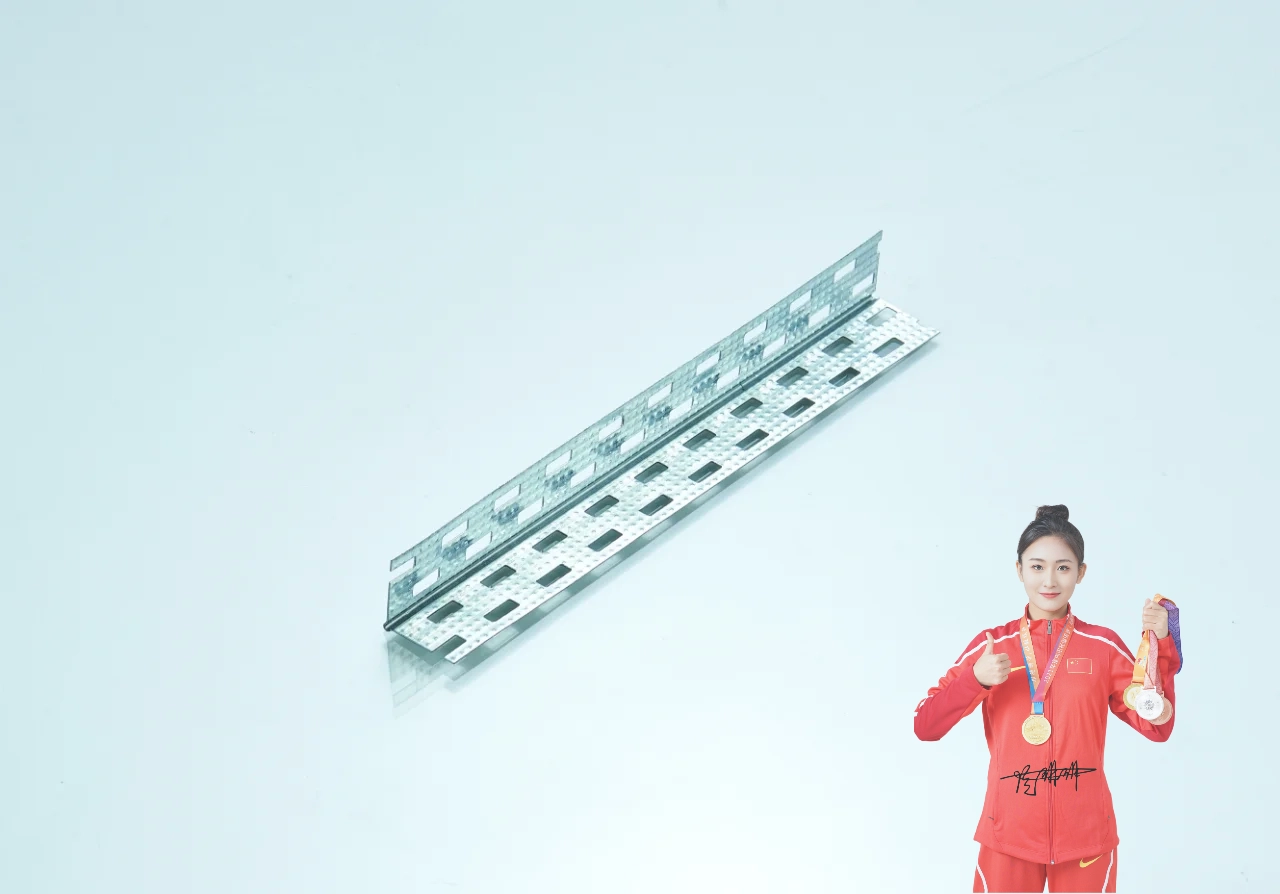
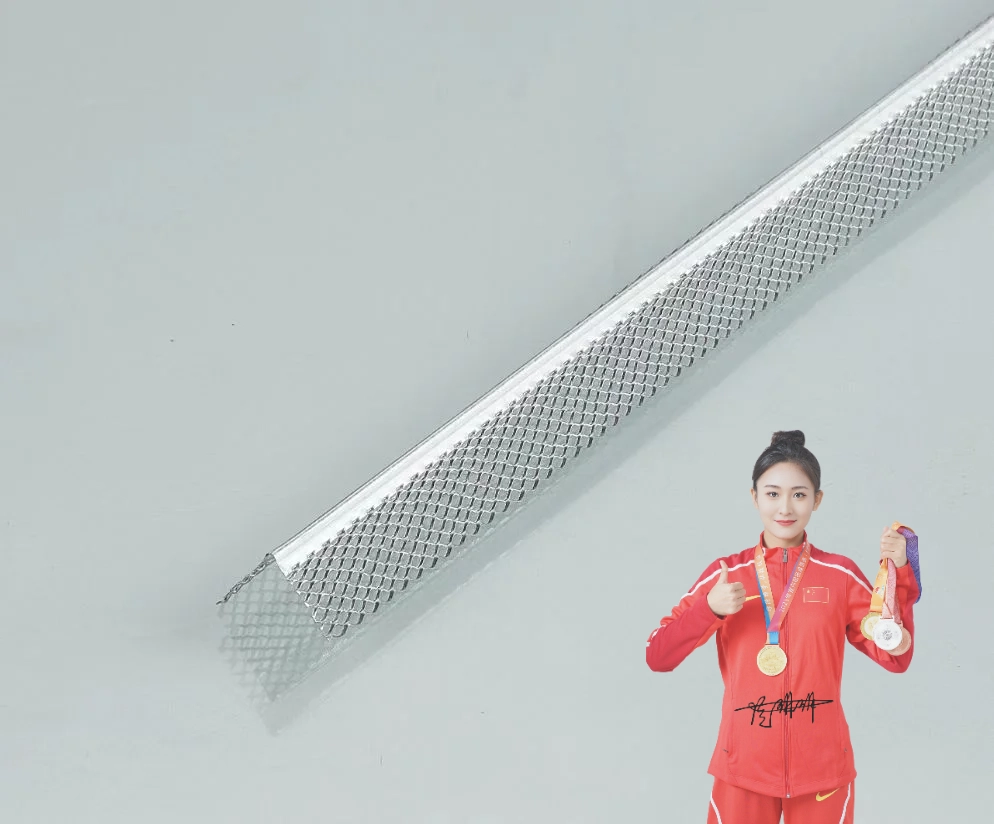
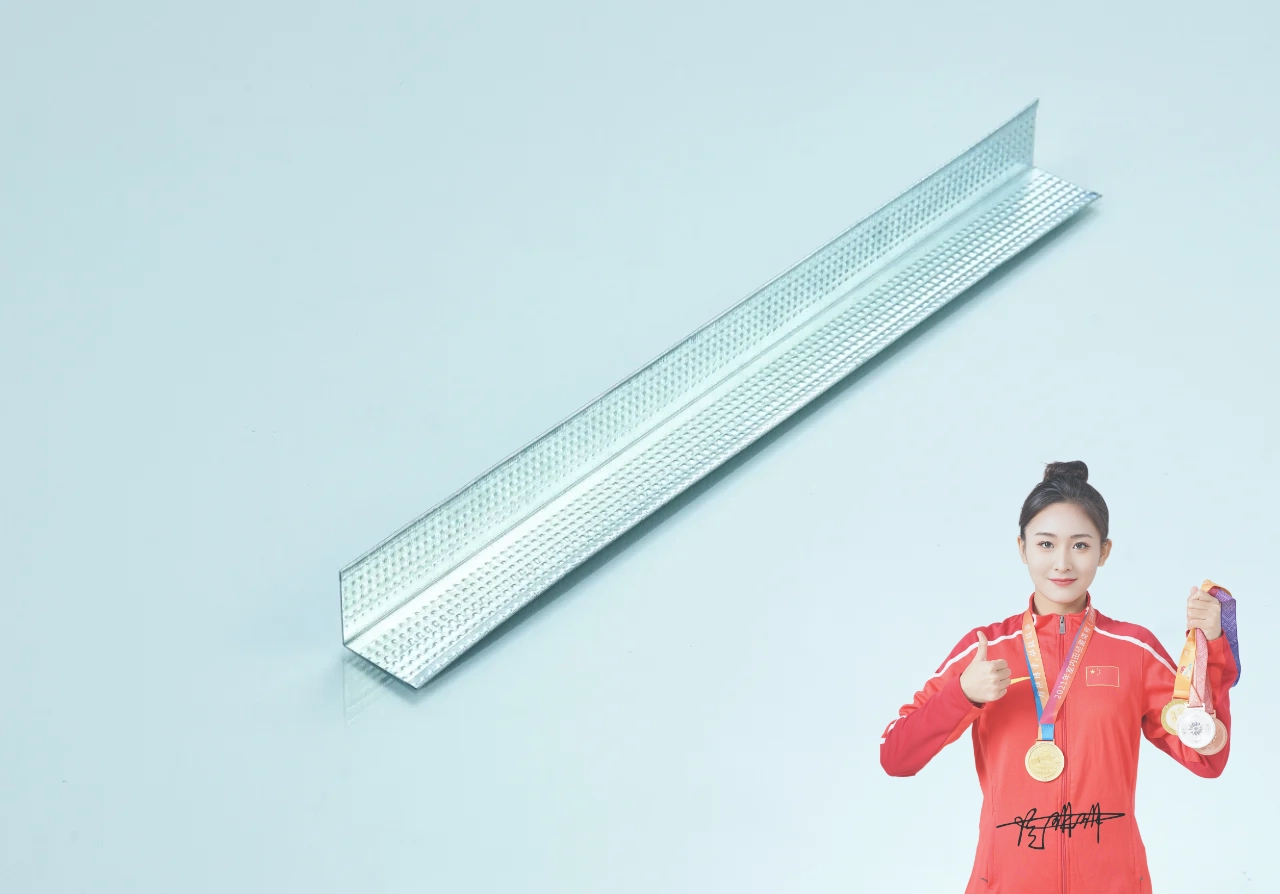
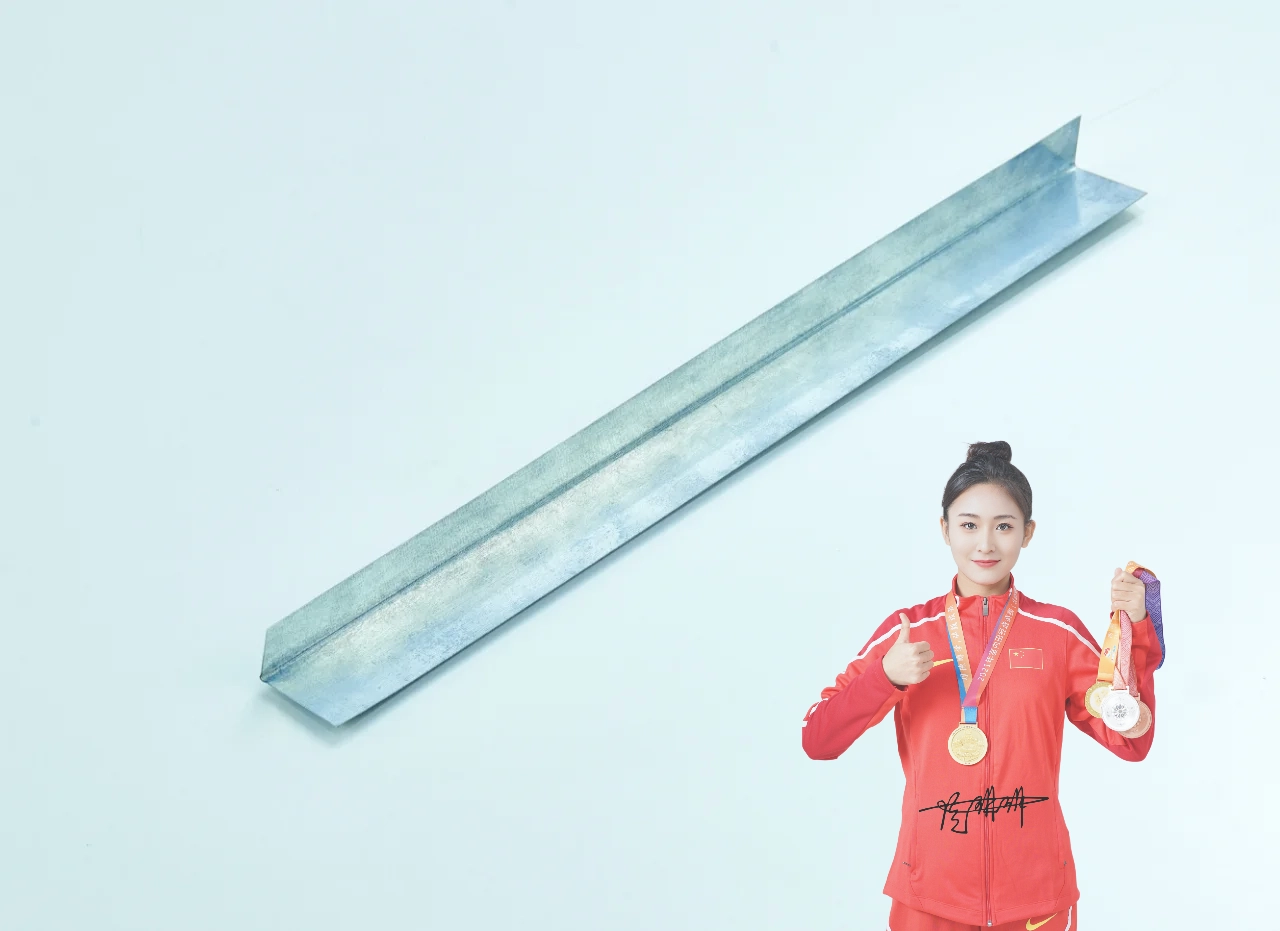
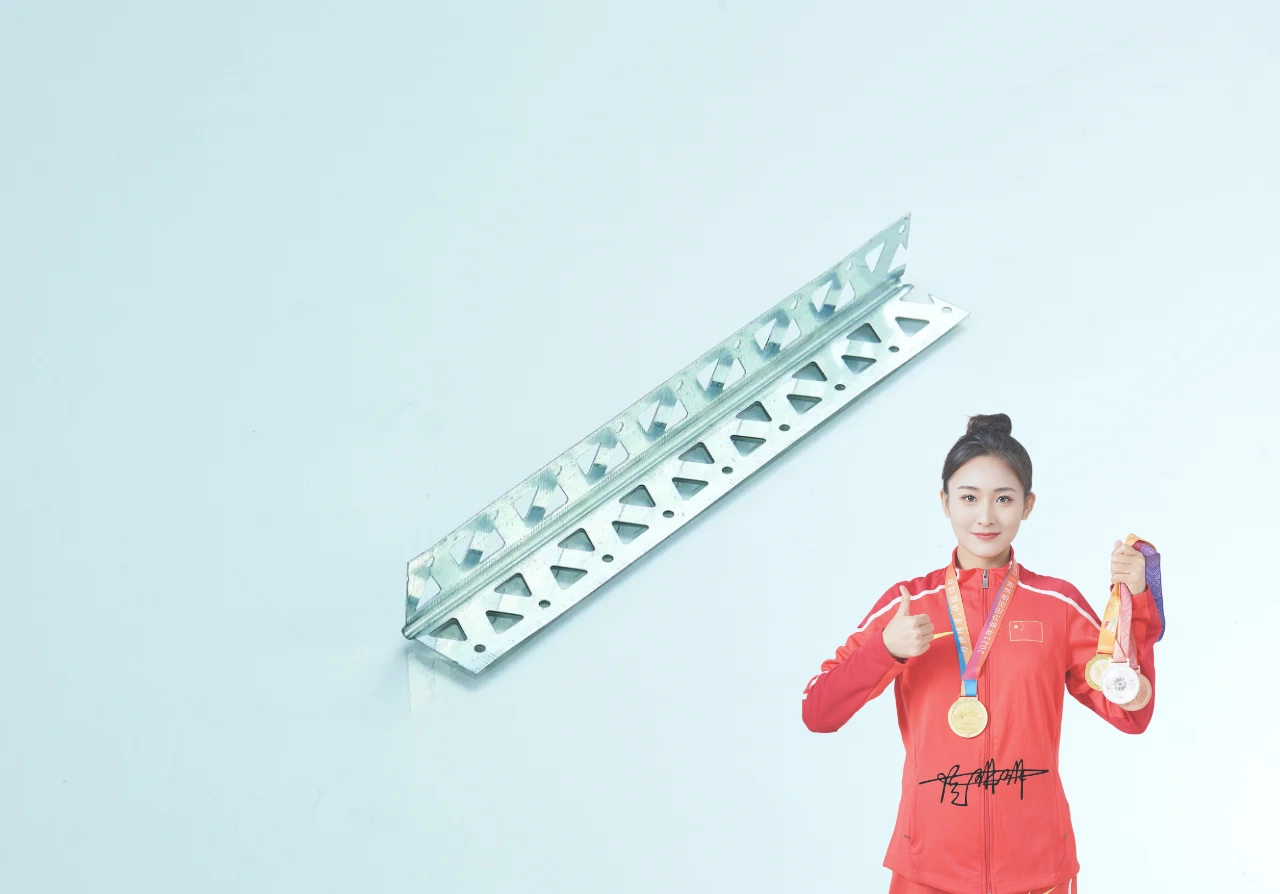
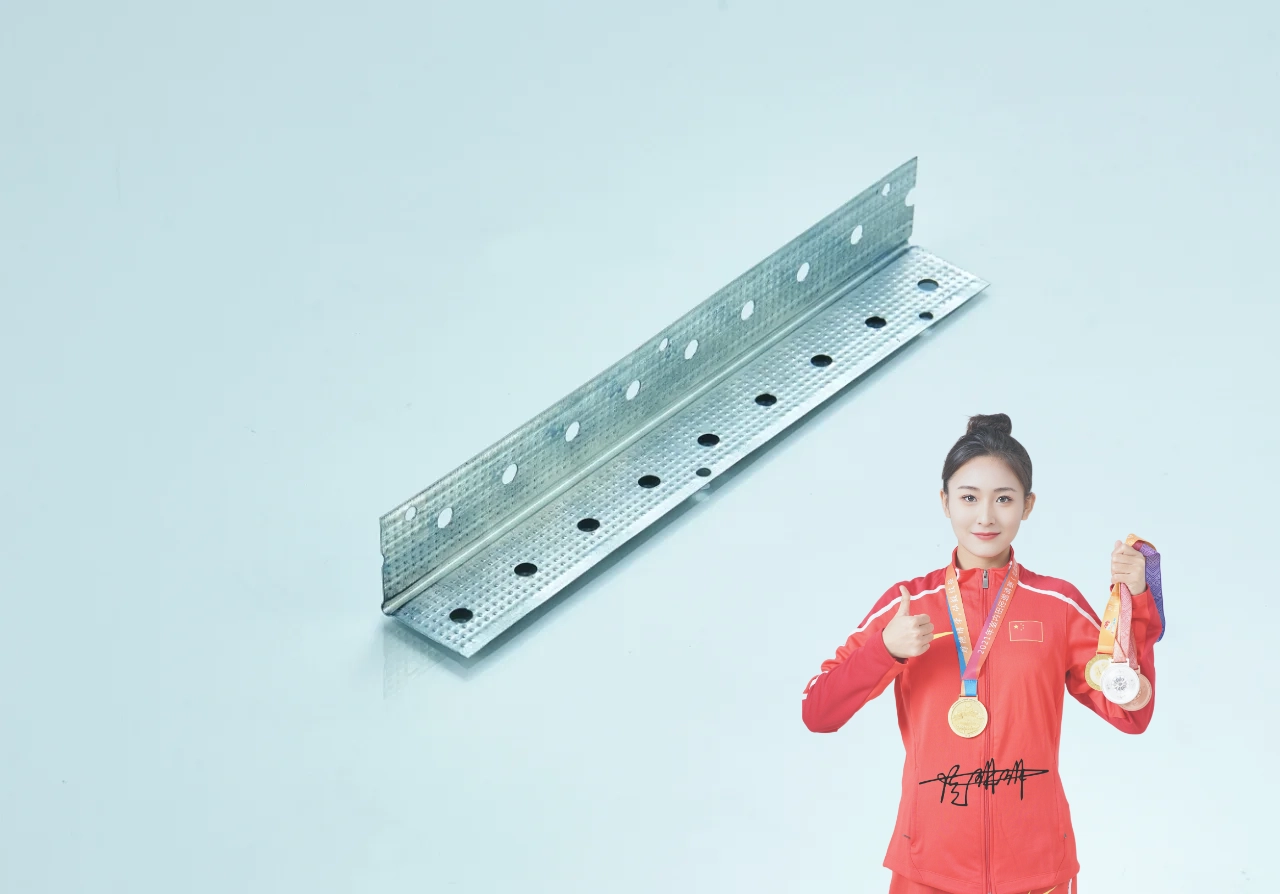
Put simply, wire mesh used for plastering corners is a grid-like metallic fabric made from steel, galvanized iron, or sometimes stainless steel wires. The mesh is crafted to reinforce plaster surfaces on edges where walls meet, preventing common cracking and peeling issues due to stresses or impacts. Unlike general mesh used inside walls, plaster corner mesh is shaped for precise corner fitting — often L-shaped or angled strips — facilitating a strong plaster bond, clean edges, and smooth finishes.
In modern construction, these products integrate traditional craftsmanship with industrial standards to meet both aesthetic and safety needs. For humanitarian needs — say, temporary shelters or rapid housing after natural disasters — quickly deployable corner mesh ensures the plaster won’t flake off, preserving dignity and safety.
Key Components and Features of Wire Mesh for Plastering Corners
1. Durability and Corrosion Resistance
Since corners are stress points, the mesh must resist rust and degradation over time. Galvanized or PVC-coated wires protect against moisture intrusion, especially in humid or coastal climates. The mesh’s lifespan directly affects the structure’s maintenance needs.
2. Mesh Size and Wire Diameter
Common mesh openings vary — typically between 4x4 mm to 12x12 mm — influencing plaster adherence and crack control. Wire thickness usually spans 0.5 mm to 1.2 mm; thicker wires offer strength but may be less flexible.
3. Shape and Flexibility
The mesh often comes pre-bent, shaped into corner angles to match wall edges, easing installation. Flexibility is critical for uneven corners or unusual angles, ensuring seamless plastering without gaps or bulges.
4. Cost Efficiency
Compared to more labor-intensive corner reinforcement methods, mesh strips reduce layers of reinforcement, cut labor costs, and minimize plaster wastage, resulting in overall economical construction particularly when scaled.
5. Compatibility With Different Plaster Types
Wire mesh works across traditional cement plaster, gypsum plaster, or newer polymer-based renders — making it versatile across geographic and climatic applications.
Mini Takeaway:
Wire mesh for plastering corners balances durability, installation ease, and cost-effectiveness — the essential trifecta for fixing one of the most vulnerable parts of plastered walls.
Global Applications of Wire Mesh in Construction and Relief
If you’ve ever walked through a modern hospital, school, or airport, chances are steel mesh reinforced plaster corners were used to ensure those walls don’t crack prematurely. Developed markets, particularly in Europe and North America, widely mandate corner mesh reinforcement due to strict building codes influencing durability and safety.
Meanwhile, in Southeast Asian countries like the Philippines and Indonesia, where natural disasters often damage housing stock, wire mesh for plastering corners finds a critical application in rapid shelter construction. NGOs like Habitat for Humanity also specify these products when reconstructing homes after earthquakes or typhoons — for good reason.
Even in arid regions such as parts of the Middle East and Africa, corner mesh enhances plaster durability by preventing corner chipping caused by thermal expansion and contraction cycles.
Advantages & Long-Term Value
- Cost Savings: Reduces maintenance and repair frequency by preventing corner damage.
- Durability: Resistant to cracking, moisture, and mechanical stress.
- Safety & Aesthetics: Strong corners add to building safety and give a clean professional finish.
- Sustainability: Many manufacturers now produce eco-friendly or recyclable mesh variants.
- Social Impact: Used in affordable housing projects to ensure dignity and security.
Mini Takeaway:
Investing in quality corner wire mesh isn’t just about materials; it’s about building trust in structures and community well-being.
Wire Mesh for Plastering Corners: Product Specification Table
| Specification |
Typical Range / Values |
Notes |
| Wire Material |
Galvanized Steel / PVC Coated / Stainless Steel |
Material affects corrosion resistance |
| Mesh Aperture |
4 mm x 4 mm to 12 mm x 12 mm |
Smaller aperture improves plaster grip |
| Wire Diameter |
0.5 mm to 1.2 mm |
Thicker wires add rigidity |
| Shape |
L-shaped (usually 90°), Flexible |
Preformed or adjustable angles |
| Length (Roll or Strip) |
Up to 3 meters lengths commonly |
Customized lengths available |
Comparing Top Vendors of Wire Mesh for Plastering Corners
| Vendor |
Material Options |
Price Range |
Key Strength |
| CornerBead Mfr |
Galvanized Steel, PVC Coated |
$$ |
High corrosion resistance, custom sizes |
| BuildStrong Mesh Co. |
Stainless Steel only |
$$$ |
Premium strength, ideal for harsh environments |
| EcoMesh Solutions |
Recycled steel, Galvanized |
$ |
Eco-friendly production, budget-friendly |
Emerging Trends & Innovations in Plastering Corner Mesh
Looking ahead, the sector is not standing still. Manufacturers are experimenting with composite meshes blending carbon fiber or plastic polymers with traditional metal wires to reduce corrosion and weight. This is crucial in green building initiatives emphasizing sustainability and lower carbon footprints. Digital scanning and AI-driven fit designs are also on the rise, allowing pre-cut mesh pieces customized for complex building geometries.
Furthermore, automation in installation tools is helping reduce labor costs and improve precision in deploying corner meshes — handy for large scale housing projects or quick rebuilds after calamities.
Common Challenges and How Experts Tackle Them
One hurdle with wire mesh for plastering corners is the occasional mismatch between mesh rigidity and flexible plastering materials, sometimes leading to micro-cracks. Experts recommend choosing mesh with optimal wire diameter and coating to maximize compatibility. Another issue is getting steady supply in remote regions; this is being solved by partnering with local manufacturers and promoting modular, easy-to-ship mesh rolls.
Oddly enough, proper training for workers on mesh installation is often overlooked. But it turns out, even the best mesh fails if installed poorly, so ongoing education programs backed by vendors or NGOs make a big difference.
FAQ: Your Top Questions on Wire Mesh for Plastering Corners
- Q: How does wire mesh improve plaster corner durability?
-
It distributes stress evenly on plaster edges, preventing cracks from impacts or structural movement. The mesh serves as a reinforcement skeleton that holds plaster layers together securely.
- Q: Can I use this mesh on uneven or curved corners?
-
Yes, many mesh strips are flexible or pre-shaped to accommodate non-standard angles, ensuring consistent plaster adhesion even on irregular corners.
- Q: Is galvanized wire mesh better than stainless steel?
-
Galvanized mesh offers excellent corrosion resistance at a lower price point, ideal for most indoor and moderate exterior uses. Stainless steel is premium-grade, preferred in highly corrosive or coastal environments but costs more.
- Q: Where can I find eco-friendly wire mesh options?
-
Vendors specializing in recycled materials — like EcoMesh Solutions — produce meshes from recycled steel with environmental certifications. It’s worth asking suppliers directly about green product lines.
- Q: Is wire mesh compatible with all plaster types?
-
Generally, yes. Mesh is designed to work with cement, gypsum, and polymer plasters. Choosing the right mesh depends on plaster composition and environmental conditions.
Conclusion: Why Wire Mesh for Plastering Corners Should Be Your Next Investment
As seemingly unglamorous as corner wire mesh might appear, its role in construction stability, safety, and finishing can’t be overstated. From high-rise buildings in bustling cities to emergency shelters in disaster zones, it supports a foundational element — the corner. Investing in quality wire mesh, understanding its specs, and sourcing reliable vendors pays off through reduced maintenance, enhanced durability, and greater safety.
Ready to upgrade your plastering approach? Visit our website: wire mesh for plastering corners and explore our range of products designed with modern projects in mind.
References:
- UN-Habitat - Housing and Urban Development
- ISO 6946: Building materials and elements
- Reinforced plaster - Wikipedia