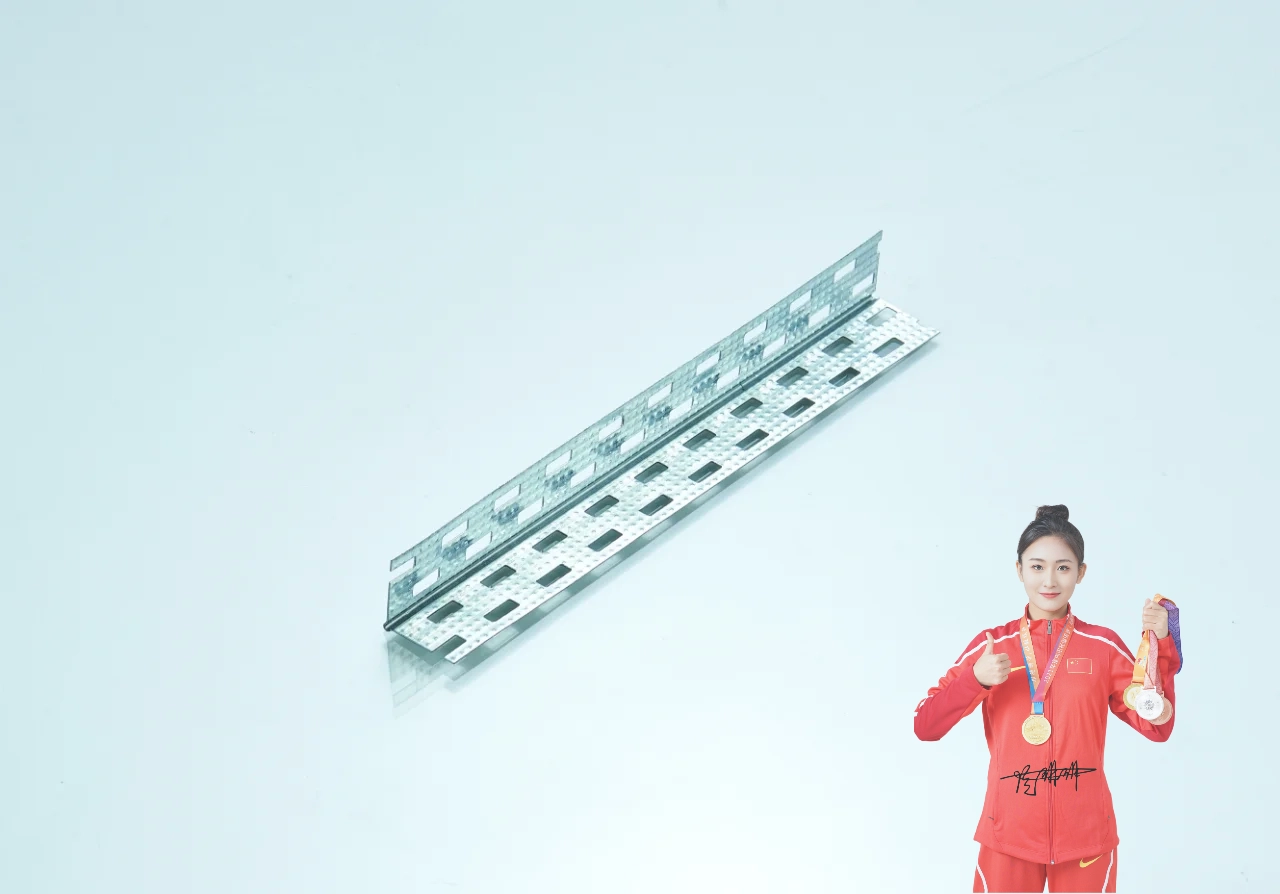
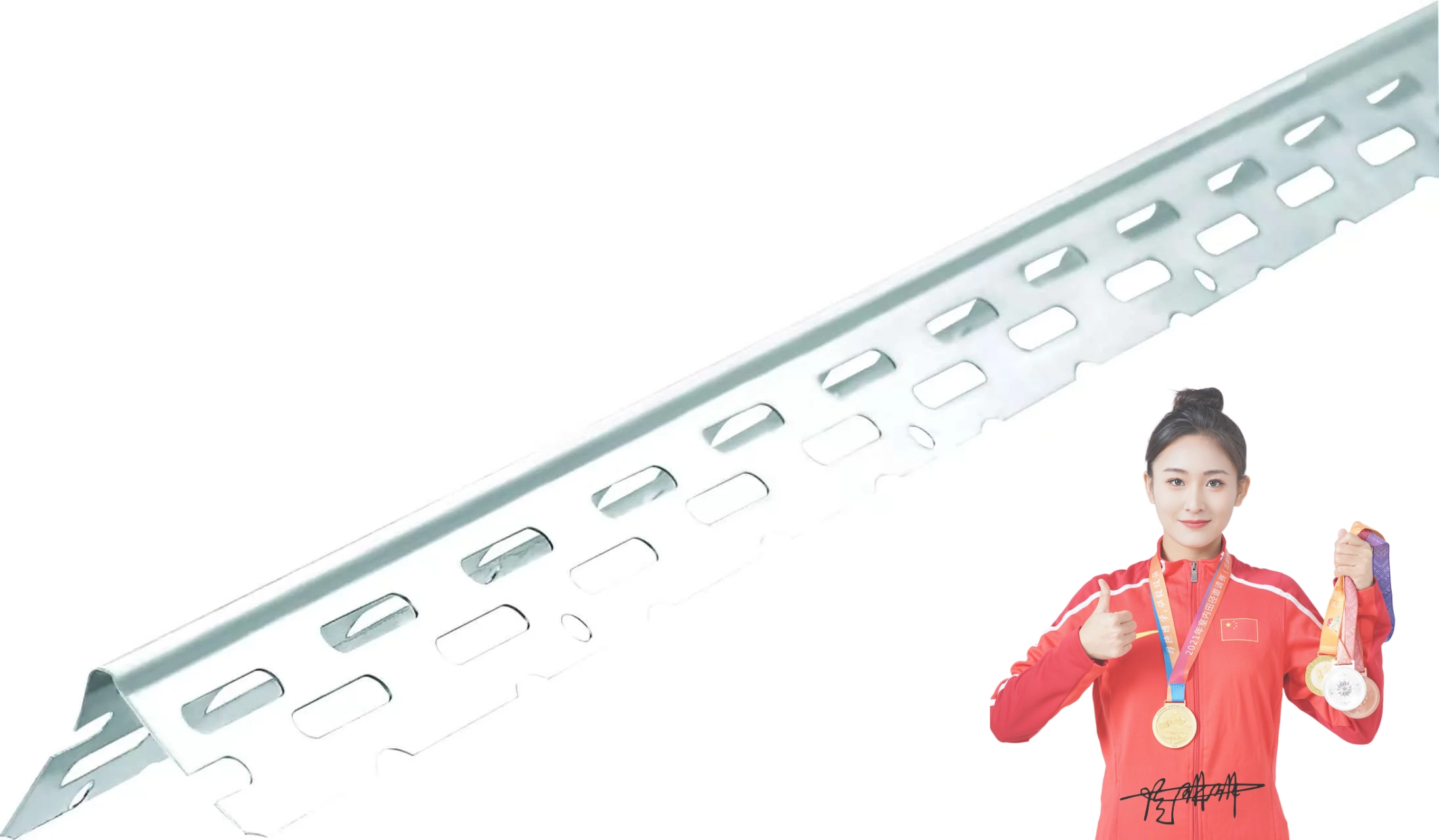
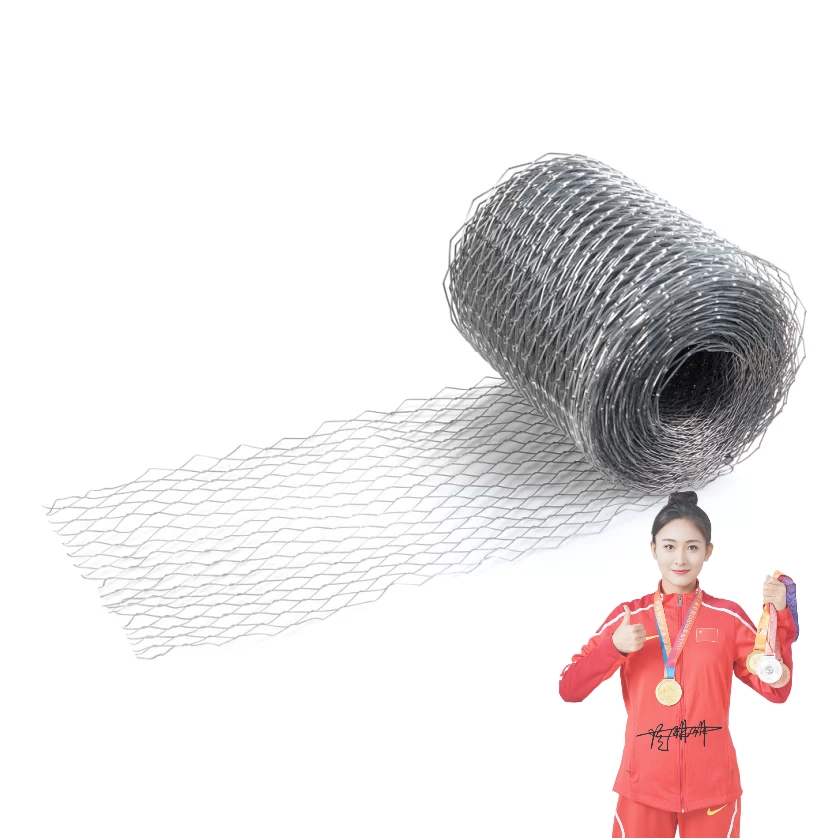
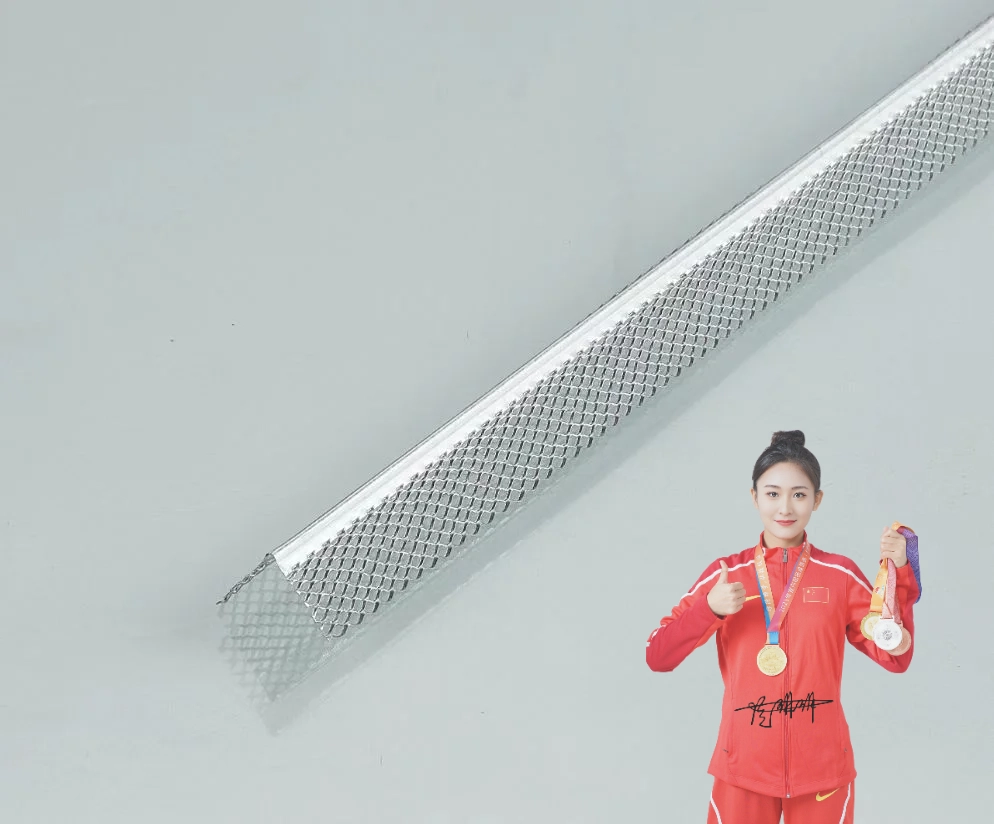
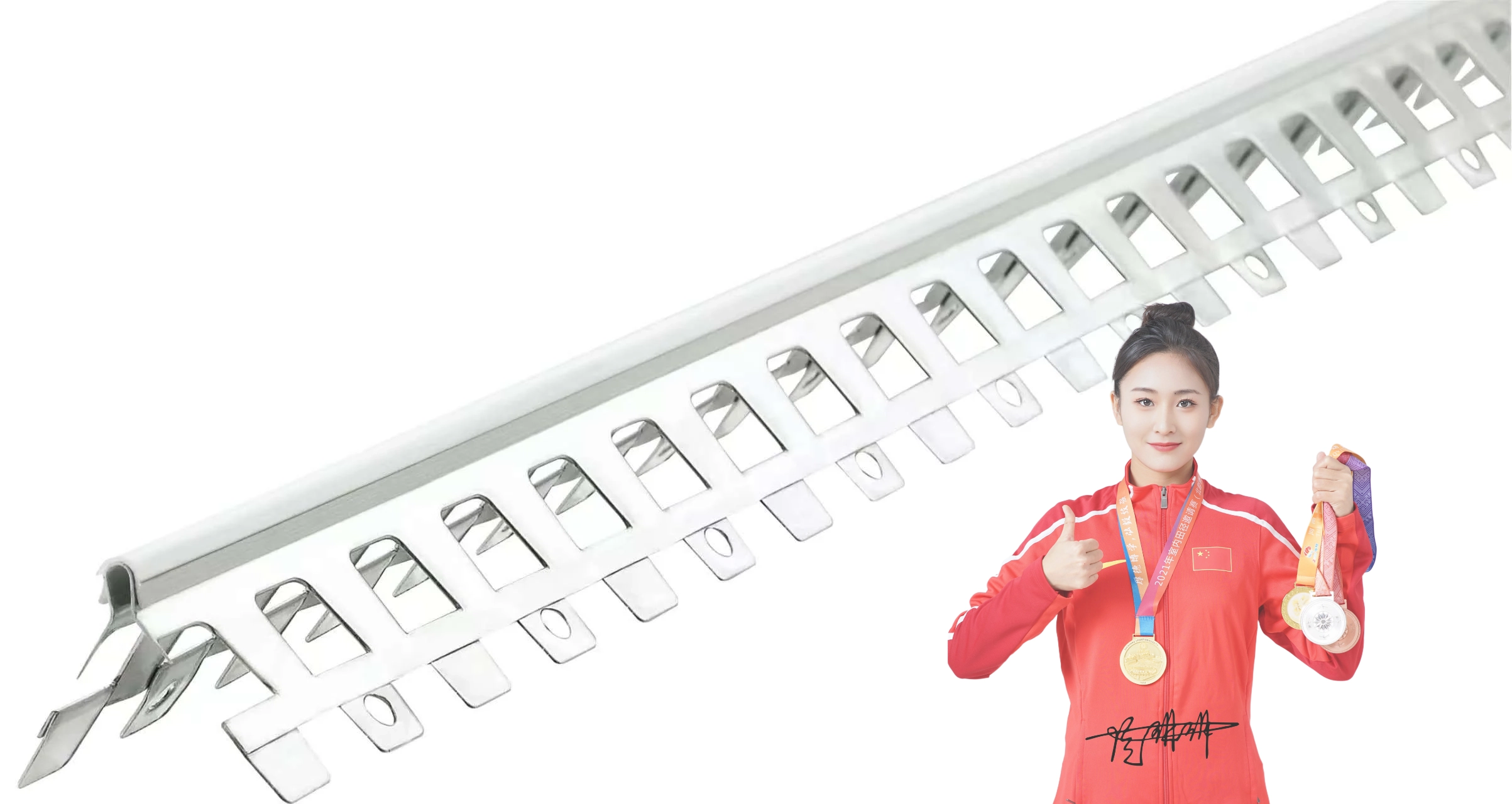
Understanding Brick Vents Mesh: Why It Matters Globally
If you work in construction or civil engineering, the term brick vents mesh might already ring a bell. But for many, it’s a lesser-known yet crucial component that ensures building longevity, sustainability, and indoor air quality. On a global scale, as urbanization accelerates and climate concerns rise, proper ventilation in brickwork—using quality mesh—becomes more than just a detail. It’s a safeguard against moisture damage, mold growth, and energy loss.
Simply put, brick vents mesh supports the vital airflow within cavity walls or brick façades, preventing condensation and preserving the structural integrity of buildings. Understanding this seemingly small part can dramatically reduce maintenance costs and create healthier living conditions worldwide.
Mini takeaway: Brick vents mesh plays a silent but pivotal role in modern building health, with implications from energy efficiency to occupant wellbeing.
Global Context & Industry Relevance
Worldwide, building codes increasingly emphasize sustainable construction materials and energy efficiency. According to the International Energy Agency (IEA), buildings account for nearly 40% of global energy consumption. Proper ventilation, aided by elements like brick vents mesh, is a straightforward way to improve this ratio.
Regions prone to high humidity, such as Southeast Asia or coastal Europe, especially benefit from improved moisture control within brick walls. Oddly enough, even in dry climates, sudden temperature changes cause condensation issues that can be fixed by adequate ventilation. Yet, many projects overlook vent mesh quality, leading to expensive repairs or premature decay.
Did you know? The UN’s sustainable development goals push for resilient infrastructure, where smart building materials like brick vents mesh help mitigate climate-related risks.
What Is Brick Vents Mesh?
In simple terms, brick vents mesh is a protective mesh insert placed behind or within brick vent openings or cavity vents. These vents allow air to flow through cavity walls, but the mesh stops pests, debris, and water ingress without blocking necessary airflow.
This mesh is typically made from stainless steel or durable plastic polymers, balancing durability and flexibility. It’s an unsung hero in damp-proofing and keeping cavities dry. You could think of it like a tiny window screen for walls, only far more rugged and integral to a building’s lifespan.
Core Components and Key Factors of Brick Vents Mesh
Durability & Material Choice
The mesh must resist corrosion, UV damage, and mechanical wear over years. Stainless steel is preferred for coastal or industrial zones, but UV-stabilized plastics also offer decent longevity where corrosion is less aggressive.
Permeability & Ventilation Efficiency
Lorem ipsum compromise between airflow and blockages is crucial. The mesh weave size controls how much air can pass while keeping unwanted pests out. Too fine, airflow suffers; too coarse, and bugs sneak in.
Installation Flexibility
Brick vents mesh comes in various sizes and shapes to fit different vent designs — from slot vents to circular or brick-shaped openings. Easy installation reduces labor time and errors.
Cost Efficiency
Using high-quality mesh upfront often saves money by preventing moisture damage that leads to mold and expensive brick repairs.
Compliance & Standards
Modern construction demands strict compliance with ISO damp-proofing and ventilation standards. Certified meshes ensure reliable performance and avoid legal pitfalls.
Product Specifications at a Glance
| Feature |
Standard Mesh |
Premium Mesh |
| Material |
PVC-coated mild steel |
Stainless Steel 304 |
| Mesh Aperture |
1.2 x 1.2 mm |
1.0 x 1.0 mm |
| Corrosion Resistance |
Medium |
High |
| UV Stability |
Low |
High |
| Typical Life Span |
5-8 years |
15+ years |
Where Brick Vents Mesh Finds Its Place Globally
From bustling European cities to remote Australian outbacks, the use cases vary but the core need remains: protect masonry walls while permitting ventilation.
- Residential Buildings: Most homes with cavity brick walls rely on vent mesh to prevent trapped moisture.
- Commercial Projects: Office complexes and schools implement advanced mesh variants for heavy-duty protection.
- Post-Disaster Reconstruction: In flood-prone Bangladesh, construction NGOs use mesh-enhanced vents to speed up resilient housing rebuilds.
- Industrial Zones: Factories in high-corrosion coastal regions use stainless steel mesh to prevent early erosion.
Oddly enough, even historic building refurbishments now adopt modern brick vents mesh solutions to respect heritage without compromising durability.
Why Smart Use of Brick Vents Mesh Pays Off in the Long Term
Honestly, many engineers overlook the small upfront cost of quality mesh, not realizing it’s a tiny investment for years of prevention. Proper ventilation reduces not just material decay but also improves indoor air quality — a point increasingly valued by tenants and homeowners.
There’s an emotional side too: knowing your home or office is safeguarded from unseen damp threats brings peace of mind. Socially, in crowded urban areas, better ventilation supports public health by limiting mold allergens.
Innovations and Future Directions
Advances in material science are pushing the boundaries. For instance, some companies are now experimenting with antimicrobial coatings on brick vents mesh — this innovation could prevent microbial growth within cavities, adding another line of defense.
Green building trends favor meshes made from recycled plastics, cutting environmental footprint without sacrificing performance. Plus, digital fabrication means more custom-fit, optimized mesh sizes aligned perfectly with new vent designs.
Common Challenges & How Experts Solve Them
Some hurdles remain. The biggest? Ensuring mesh remains intact during construction without damage. Experts recommend pre-installation training for masons and supervisors, combined with quality assurance checks.
Another issue is balancing mesh aperture and airflow—a delicate dance indeed. New testing protocols and standards (like BS EN 1363) help fine-tune those specs.
For tricky renovation projects, flexible mesh that can be retrofitted without major wall opening is a game-changer.
Frequently Asked Questions About Brick Vents Mesh
- Q: How does brick vents mesh improve building energy efficiency?
- A: By facilitating proper ventilation within cavity walls, brick vents mesh reduces moisture buildup that causes insulation degradation, which ultimately improves the thermal performance of the building envelope.
- Q: Can brick vents mesh prevent pest infestations?
- A: Yes, the mesh acts as a physical barrier stopping insects, small rodents, and birds from entering wall cavities while still allowing airflow.
- Q: What materials are best for coastal environments?
- A: Stainless steel 304-grade mesh is typically recommended due to its high corrosion resistance against salty air and humid conditions.
- Q: How often should brick vents mesh be inspected or replaced?
- A: Inspection every 5 years is advisable; replacement cycles vary but premium meshes can last 15+ years if well maintained.
Conclusion & Next Steps
To wrap this up, brick vents mesh isn’t just a tiny fabric in your walls — it’s a cornerstone for resilient, healthy buildings worldwide. The upfront investment pays dividends in durability, air quality, and energy savings. If you’re involved in construction or renovation, explore our brick vents mesh solutions for trusted, tested products that stand the test of time.
Feel free to dive deeper into the specs and vendor options above before making your choice.
Vendor Comparison Table
| Vendor |
Material Options |
Price Range |
Warranty |
Special Features |
| Corner Bead Manufacturing |
PVC-coated steel, stainless steel |
$$ |
10 years |
Custom sizing, eco-friendly options |
| VentMaster Solutions |
Galvanized steel, plastic mesh |
$ |
5 years |
Fast delivery, stock availability |
| EcoVent Mesh Co. |
Recycled polymers, stainless steel |
$$$ |
15 years |
Antimicrobial coating, green-certified |
Personally, I think investing a bit more in high-grade mesh is wise, especially if your project is in a challenging environment or designed for long-term durability. After all, quality brick vents mesh quietly works behind the scenes but carries a lot of responsibility.
References
- Ventilation (Architecture) - Wikipedia
- International Energy Agency: Building Electrification Report
- ISO 6946:1996 Building components and building elements — Thermal resistance and thermal transmittance