Understanding Brick Wall Reinforcement Mesh: Strengthening Structures Worldwide
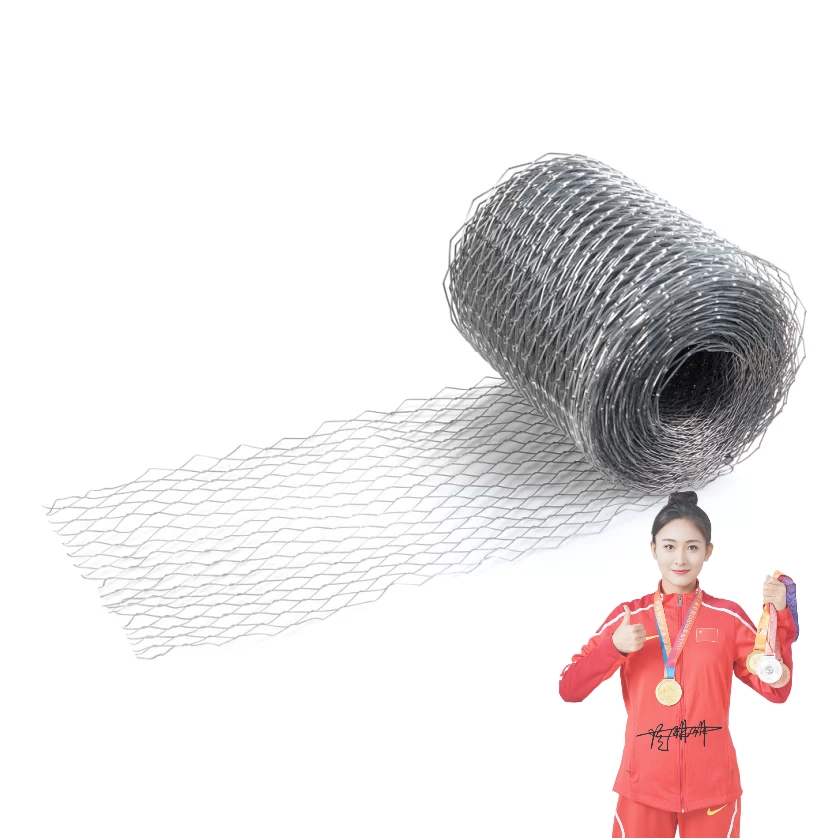
Brick wall reinforcement mesh might not be the flashiest topic you come across daily, but it’s an unsung hero in the construction and disaster resilience world. Fundamentally, this mesh is a kind of galvanized steel or stainless steel grid embedded within brick walls to enhance stability, distribute load evenly, and prevent cracking or collapse. Globally, its importance is growing as urbanization ramps up and climate-related stresses on infrastructure increase. Frankly, understanding how this reinforcement works can save lives, reduce repair costs, and help deliver sustainable buildings — benefits that ripple across industries and humanitarian efforts alike.
Global Context: Why Brick Wall Reinforcement Mesh Matters Now
According to the United Nations, urban populations are expected to grow to nearly 70% by 2050, intensifying the demand for resilient building solutions. Simultaneously, the World Bank reports that natural disasters cause billions in property damage annually, often affecting poorly reinforced masonry structures. Brick wall reinforcement mesh comes into play by addressing these vulnerabilities head-on. You see, the challenge is that traditional brick walls are brittle, prone to cracking under stress — especially seismic or wind loads. Reinforcement meshes help overcome this, extending structural lifespans and improving safety.
Mini takeaway: As global construction booms alongside climate challenges, embedding reinforcement mesh inside brick walls is increasingly critical for stability and safety.
What Is Brick Wall Reinforcement Mesh?
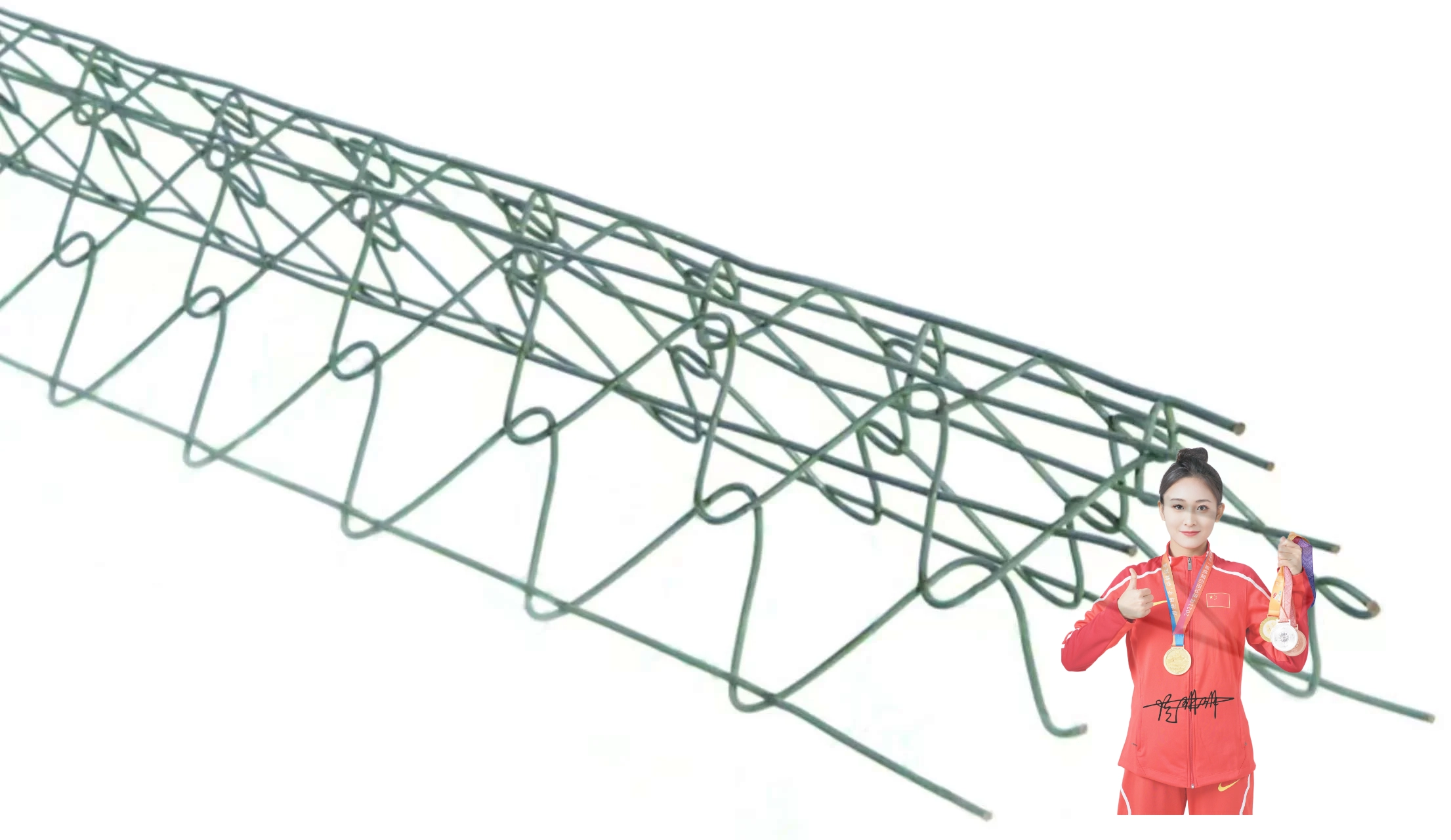
Put simply, brick wall reinforcement mesh is a grid of thin steel wires or rods arranged in a crisscross pattern, designed to be laid within mortar joints or cavity walls during construction. Its role is to hold bricks together more firmly, limit movement, and prevent cracks from spreading. This isn't just about strength for strength’s sake — it's also a practical response to modern building codes, which demand added seismic resistance and durability.
This technology dovetails with advancements in civil engineering and sustainable building — permitting structures to endure in both industrialized cities and fragile regions recovering from disasters. Humanitarian projects often rely on such meshed walls to provide more robust temporary shelters that feel safer and last longer.
Key Aspects of Brick Wall Reinforcement Mesh
1. Durability
The meshes are typically galvanized or stainless steel to resist corrosion, which is essential over decades exposed to air, moisture, or harsh environments. This durability translates into walls that maintain integrity even in aggressive conditions — urban pollution, coastal salt spray, or tropical humidity.
2. Scalability
Because reinforcement meshes come in various sizes and configurations, they easily scale from small residential projects to large commercial and industrial applications. Contractors find them adaptable, cutting and shaping them to fit walls of any height or length without hassle.
3. Cost Efficiency
While reinforcing walls adds initial material costs, it often lowers long-term expenses by reducing repair cycles and mitigating structural failures. Fewer cracks mean less moisture infiltration and energy loss, so upkeep and heating bills tap down over time.
4. Installation Simplicity
Mesh systems install directly into mortar layers or between brickwork units, requiring no specialized tools. This ease speeds up construction and reduces labor hours — a pretty big bonus on tight schedules.
5. Seismic Resistance
One standout feature is improved earthquake resilience. By adding tensile strength where bricks typically fail, the mesh helps absorb and redistribute stress, limiting damage during tremors.
| Specification |
Details |
| Material |
Galvanized Steel / Stainless Steel |
| Mesh Size |
Typically 50 x 50 mm to 150 x 150 mm |
| Wire Diameter |
2 to 5 mm |
| Standard Length Rolls |
30 m typical |
| Finish |
Hot-dip galvanized or epoxy coated |
Where and How Is Brick Wall Reinforcement Mesh Used Globally?
The mesh finds widespread use in:
- Urban construction projects, especially in seismic zones such as Japan or California.
- Post-disaster rebuilding — after earthquakes or hurricanes, organizations utilize reinforced brickwork for more resilient housing.
- Industrial and infrastructure projects, where strong masonry partitions or facades are needed.
- Brick wall reinforcement mesh is also common in refurbishing historical buildings to enhance structural safety without sacrificing aesthetics.
For example, after the 2010 Haiti earthquake, relief agencies emphasized using reinforced brick walls to prevent repeat collapses. Similarly, in remote mining towns in Australia, modular reinforced brick buildings help withstand harsh winds and sudden vibrations.
Mini takeaway: The mesh’s versatility serves diverse regions and sectors — from dense megacities coping with earthquakes to isolated communities rebuilding sustainably.
Advantages & Long-Term Value of Using Brick Wall Reinforcement Mesh
It might seem like a small add-on, but its impact is enormous:
- Cost savings over a building’s lifecycle: reducing structural damage and minimizing maintenance.
- Environmental benefits: fewer repairs mean lower material waste and energy use, supporting green building goals.
- Enhanced safety and occupant confidence: reinforced walls inspire trust, and provide emotional comfort to those living or working inside.
- Longevity and heritage preservation: mesh enables old brick buildings to last decades more with less invasive interventions.
Innovations & Future Trends
Looking ahead, innovations like galvanized meshes combined with biodegradable coatings or embedded sensors are emerging. Such “smart reinforcement mesh” can monitor strain and alert when repairs are needed, integrating well with digital transformation in construction. Sustainability also pushes manufacturers to explore composite, non-metallic reinforcement alternatives that maintain strength but reduce carbon footprints. Oddly enough, 3D printing technologies may one day enable customized meshes designed specifically for each wall’s exact stress profile.
Challenges and Solutions in Application
Challenges remain. For instance, improper installation can negate benefits, and quality control varies across suppliers — which means that sourcing from reputable vendors is key. Also, in humid or salty environments, corrosion is a risk if the wrong grade of steel mesh is used. Solutions include specifying coatings carefully and training construction crews on standardized installation techniques.
| Vendor |
Material Options |
Customization |
Price Range |
Lead Time |
| Corner Bead Mfr |
Galvanized, Stainless |
Custom sizes up to 300m |
$$ - Mid range |
2 weeks |
| SteelGrid Corp |
Stainless only |
Standard sizes only |
$$$ - Premium |
3-4 weeks |
| BuildStrong |
Galvanized |
Limited customization |
$ - Budget |
1 week |
FAQs: Your Top Questions on Brick Wall Reinforcement Mesh
Q1: How does reinforcement mesh improve brick wall durability?
A1: The mesh acts as tensile support within brittle brick structures, reducing crack propagation and distributing loads evenly. This makes walls stronger and extends their usable life, especially under stress like earthquakes or settling.
Q2: Is the added cost of mesh justified for small residential homes?
A2: In many cases, yes. Even small homes benefit from reinforcement as it prevents expensive cracks and water leaks, improving both safety and property value over time. It’s an investment in durability.
Q3: Can mesh reinforcement be retrofitted in existing walls?
A3: Retrofitting is possible but more complex, often involving stripping and rebuilding portions of the wall or adding external reinforcement to improve structural integrity.
Q4: Are there environmentally friendly reinforcement mesh options?
A4: Yes, some vendors offer meshes with eco-friendly coatings or composite alternatives. These reduce corrosion hazards and carbon footprint while maintaining performance.
Q5: How to ensure quality when purchasing mesh?
A5: Choose trusted suppliers who provide certifications on material grade, coating effectiveness, and product testing. Visiting supplier websites like Corner Bead Mfr can help verify these details.
Conclusion: Why Brick Wall Reinforcement Mesh Is More Than Just Steel
To sum it up, brick wall reinforcement mesh isn’t just a construction accessory — it’s a cornerstone of safer, more sustainable buildings around the world. By fortifying brick walls, it addresses pressing challenges brought on by rapid urbanization, natural hazards, and the need for greener homes. The future holds exciting leaps with smart materials and custom designs, but even today, its value is clear and proven.
If you want to explore reliable brick wall reinforcement mesh options or get expert advice tailored to your project, visit https://www.cornerbeadmfr.com. They offer detailed specs, customization, and industry-leading service to help you build stronger, lasting structures.
Oddly enough, the quiet strength of this mesh feels like an insurance policy you can't afford to ignore in modern construction.
References
- UN World Urbanization Prospects
- World Bank Natural Disaster Resilience
- Wikipedia: Masonry