Chicken Mesh for Brick Wall: What It Is and Why It Matters Globally
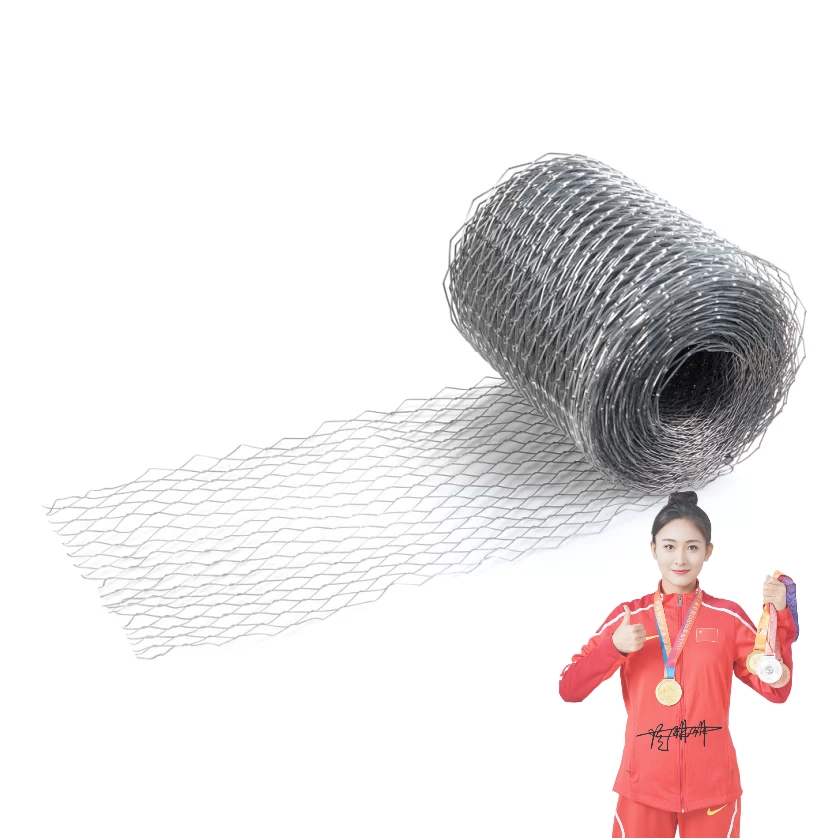
If you’ve ever dealt with brick walls, you might have heard about chicken mesh for brick wall. It’s one of those unsung heroes in construction and renovation that doesn’t get a lot of spotlight but makes a huge difference in the long run. At its core, chicken mesh is a type of wire mesh—think thin, galvanized steel strands woven tightly—that’s used to reinforce brick walls, preventing cracks and improving strength. Why does this matter globally? Well, brick is one of the most common building materials worldwide, especially in regions where raw materials are limited or where cost efficiency rules. Using chicken mesh properly not only extends the lifespan of these walls but also adds to safety, sustainability, and disaster resilience. That’s a pretty solid benefit for countries both developing and developed alike.
Mini takeaway: Chicken mesh is a simple yet crucial reinforcement tool that enhances the durability and safety of brick walls worldwide.
Introduction: A Global Look at Chicken Mesh for Brick Wall
The use of brick as a building material is centuries old but still hugely relevant today. According to UN climate reports, sustainable and locally sourced materials like brick are vital for reducing the carbon footprint of construction worldwide. However, brick walls tend to be brittle under tension and prone to cracking — especially in earthquake-prone or high-moisture environments. This is where chicken mesh comes in. By adding a layer of wire mesh embedded into the mortar, builders around the world gain a low-cost solution for boosting resilience without sacrificing the affordability of bricks.
UN-Habitat and several international NGOs also promote reinforced brick techniques post-disaster, as it aids in quickly stabilizing shelters in vulnerable communities. To put it simply, chicken mesh addresses the challenge of creating safe, affordable buildings from humble bricks in a world facing climate extremes and rapid urbanization.
Mini takeaway: Chicken mesh bridges traditional brick construction with modern needs for durability, safety, and sustainability on a global scale.
What is Chicken Mesh for Brick Wall?
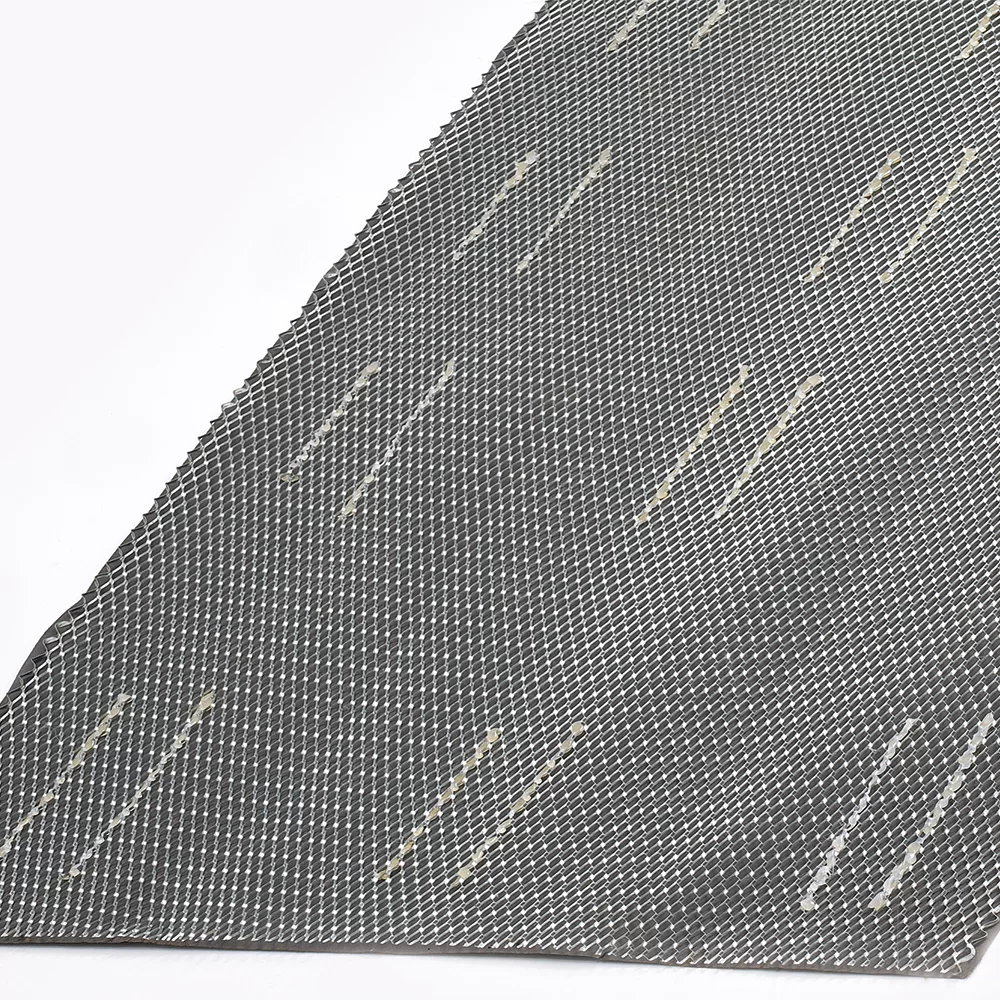
At its simplest, chicken mesh is a thin, flexible wire mesh originally used for poultry fencing—hence the name. When applied in brickwork, it is embedded between layers of mortar to form a reinforcing layer that reduces stress cracks, improves impact resistance, and enhances the bond between bricks and mortar. It’s like adding a lightweight skeleton inside a wall.
While it might seem basic, this mesh plays a vital role in modern construction. In humanitarian circles, for instance, using chicken mesh in temporary housing can provide sturdier walls that withstand harsh weather and seismic shifts better than traditional unreinforced walls.
Mini takeaway: Chicken mesh is essentially wire mesh repurposed as an internal reinforcement for brick walls, making traditional construction stronger and more resilient.
Key Factors in Using Chicken Mesh for Brick Walls
Durability
Chicken mesh is generally made from galvanized steel, which resists rust and corrosion. This durability means it protects walls from cracking and degradation for years—crucial in humid or coastal environments.
Cost Efficiency
Compared to more advanced reinforcements like steel bars or fiber mesh, chicken mesh is inexpensive and widely available. Its cost benefits help keep construction affordable without compromising strength.
Ease of Installation
Because the mesh is flexible and lightweight, workers find it easy to handle and embed in mortar layers, making construction faster on site.
Compatibility
Chicken mesh works well with standard brick and mortar techniques, minimizing the need to change existing construction workflows.
Sustainability
Using chicken mesh can reduce brick wall failures, which in turn lowers maintenance, rebuilding costs, and material waste—contributing positively to environmental goals.
Mini takeaway: Its durability, low cost, and ease of use make chicken mesh a practical reinforcement choice aligned with sustainability goals.
Product Specification — Typical Chicken Mesh for Brick Wall
| Specification |
Details |
| Material |
Galvanized Steel Wire |
| Wire Diameter |
0.8 mm – 1.2 mm |
| Mesh Size |
12 mm x 12 mm (typical) |
| Roll Width |
1m – 1.2m |
| Roll Length |
20m – 30m |
| Coating |
Zinc Galvanization for Corrosion Resistance |
Global Applications & Use Cases
- Disaster Relief Construction: After earthquakes or floods, chicken mesh reinforced walls help NGOs erect more damage-resistant shelters quickly.
- Affordable Housing in Asia & Africa: Countries such as India, Kenya, and Nigeria use it widely to meet housing needs while improving structural integrity.
- Historic Building Restoration: Preservation projects often incorporate chicken mesh to reinforce aging brickwork gently without dramatic intervention.
- Remote Industrial Zones: In mining or agricultural camps, structures must withstand tough environmental conditions; chicken mesh adds resilience without extra weight.
Mini takeaway: Chicken mesh isn’t just theory; it’s widely deployed worldwide wherever brick is used, proving its versatile, practical value across sectors.
Advantages & Long-Term Value
The practical benefits stack up nicely: reinforcing brick walls means fewer cracks, less maintenance, and a longer lifespan. Cost-wise, it makes better sense than costly rebuilds or applying chemical treatments later. Oddly enough, many engineers appreciate how chicken mesh adds not only safety but peace of mind — especially when building homes for families or shelters for displaced people.
There’s an emotional side, too: walls that don’t crumble give residents dignity and security, vital for well-being. Plus, since chicken mesh extends durability, it lowers environmental impact by reducing demolition and reconstruction waste. That makes it a quiet champion of sustainable construction.
Future Trends & Innovations in Brick Wall Reinforcement
Looking ahead, manufacturers are innovating by combining traditional chicken mesh with modern materials. For instance, some are exploring stainless steel alloys or coated meshes that last even longer in extreme climates. Digital construction methods, like BIM (Building Information Modeling), also help optimize mesh placement for max effectiveness.
Furthermore, sustainability trends prompt the use of recycled steel wires or biodegradable coatings to reduce ecological footprints. Not to mention, hybrid reinforcement systems integrating chicken mesh with fibre-reinforced polymers (FRP) are gaining traction for specialized structural requirements.
Challenges & Solutions
Of course, chicken mesh isn’t perfect. Its thin wires can sometimes be prone to damage during transport or installation if mishandled. Also, in very corrosive environments, galvanized layers may wear out faster than expected. However, experts tackle this through quality control and applying supplemental coatings.
Training local builders on proper installation ensures that the mesh is embedded correctly, preventing weak points. Some projects are also testing pre-fabricated mesh panels that improve consistency and save time onsite. So, while the challenges exist, solutions are steadily making chicken mesh even more reliable.
Vendor Comparison: Popular Chicken Mesh Options
| Vendor |
Wire Diameter (mm) |
Mesh Size (mm) |
Coating |
Availability |
| Corner Bead Mfr |
0.9 |
12 x 12 |
Hot-Dipped Zinc Galvanized |
Global |
| SteelWire Corp |
1.0 |
15 x 15 |
Electro-Galvanized Zinc |
North America |
| Global Mesh Ltd |
0.85 |
10 x 10 |
PVC Coated |
Europe, Asia |
Frequently Asked Questions About Chicken Mesh for Brick Wall
- Q: How does chicken mesh help prevent cracks in brick walls?
- A: Chicken mesh acts as a flexible reinforcement embedded in mortar layers. It distributes stress evenly across the wall, reducing the chance of cracks forming due to movements, moisture, or impact.
- Q: Is chicken mesh suitable for all types of brick walls?
- A: It’s best suited for standard clay or concrete bricks in load-bearing or non-load-bearing walls. However, for specialized structures like high-rise buildings, other reinforcements might also be necessary.
- Q: Can chicken mesh be used in humid or coastal environments?
- A: Yes, when galvanized properly, chicken mesh resists rust and corrosion, making it suitable for humid or coastal areas. Additional protective coatings further improve longevity in harsh conditions.
- Q: Where can I source good quality chicken mesh for brick walls?
- A: Vendors like Corner Bead Mfr offer globally available, high-standard chicken mesh for brick wall reinforcement. Always check for proper galvanization and wire gauge.
Conclusion
In real terms, chicken mesh for brick wall may seem like a small detail but is really a cornerstone for safe, sustainable masonry construction worldwide. It’s affordable, easy to use, and durable—making brick walls last longer and withstand stress better. If you’re diving into any brickwork project, considering chicken mesh isn’t just smart; it’s essential.
For expert quality and reliable supply, visit https://www.cornerbeadmfr.com. Reinforce your brickwork with the strength it deserves.
As I’ve noticed over years of construction consulting, simple solutions like chicken mesh quietly underpin massive gains in building safety and sustainability. It’s those little details that make all the difference.
References:
1. United Nations Climate Change Science
2. Wikipedia: Brickwork
3. ISO 6784-1: Masonry - Reinforcement