How to Attach Mesh to Brick: A Practical Guide for Builders and Engineers
At first glance, the question of how to attach mesh to brick might seem niche or trivial. Yet, it plays a vital role globally across construction sectors, from reinforcing masonry walls to weatherproofing facades and even in humanitarian projects. Understanding this process isn't just about sticking a wire to a wall — it’s about ensuring long-lasting durability, safety, and cost-effective structure reinforcement in diverse environments.
The Global Context: Why This Matters
Across the world, the construction industry accounts for roughly 36% of global energy demand and 39% of carbon emissions according to the International Energy Agency (IEA, 2023). Within this sector, attaching meshes to brick surfaces is a key technique to enhance structural integrity and resilience, especially in regions prone to natural disasters like earthquakes or hurricanes. Proper mesh attachment can mitigate wall cracking and improve load distribution — essential factors in both new builds and retrofits.
One challenge often faced by builders, especially in developing nations or post-disaster reconstruction scenarios, is the lack of reliable, easy-to-install solutions for reinforcing existing brickwork. Innovations in mesh materials and attachment methods address this gap by balancing performance, cost, and accessibility. That’s why it’s worth understanding the ins and outs of this seemingly simple yet technically important process.
What Does It Mean to Attach Mesh to Brick?
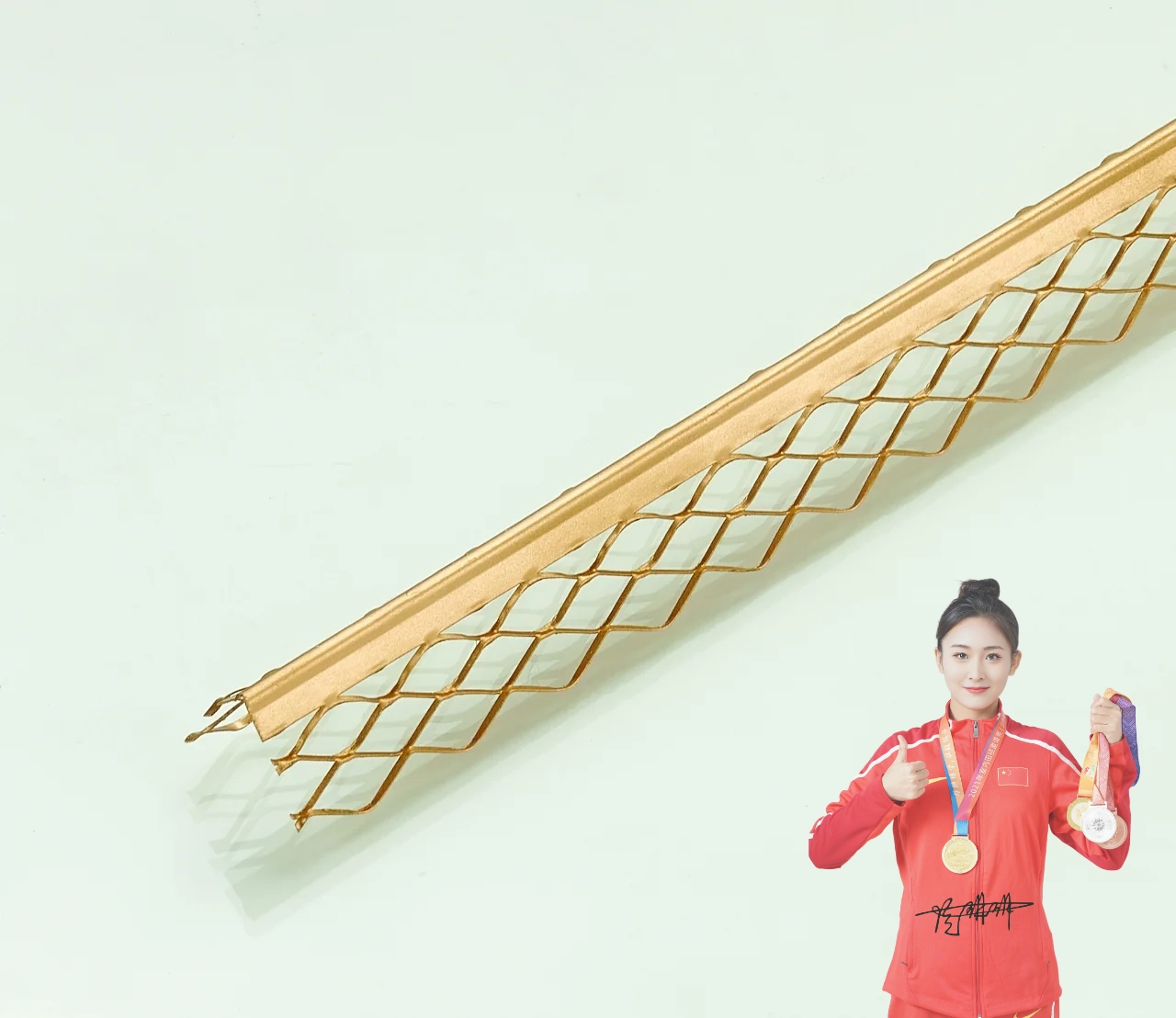
In practical terms, attaching mesh to brick means securely fastening a wire or fiberglass mesh onto masonry walls. This mesh serves various purposes: reinforcing structural integrity, holding plaster or stucco layers, or protecting against cracking and weather damage.
Using meshes in masonry dates back decades but continues evolving with modern materials and fastening technologies. It’s crucial in shaping safer buildings and even helps organizations working on refugee housing or disaster relief to erect durable shelters quickly.
Key Factors When Attaching Mesh to Brick
1. Durability
The mesh must withstand environmental factors—rain, wind, temperature swings—without corroding or detaching. Stainless steel or galvanized meshes often outlast plain steel in harsh climates. Fiberglass meshes, meanwhile, resist alkali corrosion from cement-based plaster.
2. Attachment Methods
The mesh can be affixed using mechanical fasteners like masonry anchors, staples, or nails. Some projects might prefer chemical adhesives or mortar embedding, depending on the brick’s surface and intended finish.
3. Compatibility with Finishes
How the mesh interacts with plaster or stucco layers matters. Mesh with too large an opening might not provide the right base for finishes, while too fine a mesh may add unnecessary weight or complexity.
4. Cost Efficiency
Material choice and installation method influence overall project costs. Galvanized mesh tends to be affordable for standard tasks, while advanced fiberglass offers longer life at somewhat higher upfront prices.
5. Ease of Installation
In scenarios like emergency construction, ease and speed of installation become critical. Lightweight and flexible meshes that attach quickly save time and labor.
Product Specifications Snapshot
| Specification |
Galvanized Steel Mesh |
Fiberglass Mesh |
| Material |
Steel wire coated with zinc |
Alkali-resistant fiberglass strands |
| Corrosion Resistance |
Good (can rust over time if coating damaged) |
Excellent (won’t corrode in alkaline cement matrices) |
| Typical Mesh Size |
12mm - 25mm openings |
4mm - 10mm openings |
| Weight |
Heavy (about 500g/m²) |
Light (around 150g/m²) |
| Common Usage |
Reinforcing exterior plaster |
Preventing cracks in plaster and stucco layers |
Mini takeaway: Choosing the right mesh is half the battle; understanding durability, material properties, and installation ease can save both time and cost.
Where Is Attaching Mesh to Brick Used Around the World?
- Post-disaster reconstruction: Organizations like UNHCR promote methods that include mesh application for rapid, resistant shelter builds.
- Historic façade restoration: In Europe, mesh reinforcement preserves beautiful old brick walls from further degradation.
- Commercial construction: Reinforced plaster with mesh is standard in office and industrial buildings in North America and Asia for enhanced seismic resistance.
- Remote industrial sites: Protective mesh applications can reduce weather damage on brick facilities in harsh climates like Siberia or Northern Australia.
Advantages & Long-Term Value of Using Mesh on Brick
Foremost, attached mesh helps combat cracking — a major issue for masonry surfaces exposed to weather cycles or structural movement. This means fewer repairs, which translates to cost savings and less downtime.
Then there’s the emotional aspect for occupants or users: knowing a building is reinforced instills trust and safety. Plus, sustainable choices like non-corrosive fiberglass mesh promote longer-lasting constructions, reducing waste and environmental impact, a key consideration given ISO’s increasing focus on sustainability standards in construction.
Future Trends in Mesh-to-Brick Solutions
Innovation is definitely ongoing. Think smart meshes embedded with sensors to detect cracks or moisture levels, enabling predictive maintenance. Eco-friendly composites combining recycled plastics with fibers could become mainstream, blending sustainability with performance.
Moreover, automation in installation using drones or robotic arms might expedite attaching mesh on large, hard-to-reach brick surfaces — further improving efficiency and safety.
Common Challenges & Expert Solutions
One big issue is ensuring uniform attachment on uneven brick surfaces—poor fastening can lead to mesh detachment or weak spots. One remedy is flexible meshes designed to conform to irregular wall profiles, paired with adjustable fasteners.
Another challenge is balancing strength with cost; high-performance materials may strain budgets. To counter this, phased applications or hybrid mesh layering strategies are effective — combining affordable base meshes with critical area reinforcements in premium fibers.
FAQ: Frequently Asked Questions About How to Attach Mesh to Brick
- Q: What’s the best method to attach mesh on uneven brick walls?
- A: For uneven walls, use flexible fiberglass meshes combined with adjustable masonry anchors that contour to surface irregularities. This ensures secure bonding and consistent plaster coverage.
- Q: Can I attach mesh directly to old, crumbly brick?
- A: It’s usually best to stabilize the brick first with a primer or repair mortar. Then, mechanical fixing or mortar embedding of mesh will provide better durability and adhesion.
- Q: Are fiberglass meshes more cost-effective long term than steel?
- A: Although fiberglass typically costs more upfront, its corrosion resistance and longer lifespan often mean lower repair and replacement expenses over time.
- Q: How quickly can mesh be attached on large brick surfaces?
- A: Installation speed depends on mesh type and wall condition, but skilled crews can generally cover 50-70 square meters per hour using mechanical anchors.
- Q: Is attachment technique different for interior versus exterior brick walls?
- A: Exterior walls need corrosion-resistant materials and stronger fasteners, while interiors may allow lighter meshes and less robust attachment due to lower exposure.
Vendor Comparison for Common Mesh Products
| Vendor |
Mesh Type |
Price Range (per roll) |
Lead Time |
Warranty |
| CornerBead Mfr |
Galvanized Steel |
$45-$60 |
1-2 weeks |
5 years |
| MeshPro Solutions |
Fiberglass |
$70-$90 |
3-4 weeks |
10 years |
| BuildStrong Co. |
Hybrid Composite |
$85-$110 |
2-3 weeks |
8 years |
Wrapping Up
Learning practically how to attach mesh to brick is more than a technical skill — it’s about investing in the health, safety, and longevity of a structure. From construction to restoration, this process supports sustainable, resilient building practices worldwide. Whether you’re a seasoned engineer or a DIY enthusiast, the right materials and attachment methods can make all the difference.
For detailed resources, product options, and expert tips, I highly recommend visiting CornerBead Mfr’s website. They have a great selection of meshes and attachment hardware tailored for all kinds of projects — and frankly, they know their stuff.
In real terms, mastering mesh attachment is a small step with big impacts.
References & Further Reading
- International Energy Agency - Building Sector Emissions
- Wikipedia: Reinforced Masonry
- ISO Technical Committee on Sustainability in Construction