Understanding the Different Types of Angle Bead: A Practical Guide
Angle beads might sound like a small detail in construction, but frankly, their role is pivotal for durability and aesthetics in any plaster or drywall application. Around the world, different types of angle bead ensure buildings stand the test of time, resist weather, and maintain clean, crisp edges that protect corners from damage. Knowing these types matters—not just for contractors, but also for architects, engineers, and even humanitarian efforts where resilient shelter solutions are needed urgently.
Why Are Types of Angle Bead Important Globally?
Globally, it’s estimated that over 65% of new buildings incorporate plaster or drywall finishes, according to recent data from the International Organization for Standardization (ISO 22196). This means angle beads are everywhere, from high-rise apartments in Asia to community centers in Africa. However, the challenge is that poor corner protection can lead to cracks, water ingress, or unsightly edges—issues that escalate maintenance costs and reduce lifespan.
In disaster-prone areas, the need for strong, reliable corner protection becomes even more critical. Post-earthquake rebuilding, for example, demands speedy construction with materials that still ensure structural integrity. That’s where the choice of angle beads can make a real difference.
What Exactly Are Types of Angle Bead?
Simply put, angle bead refers to the metal or plastic strips fixed to external or internal corners before plastering, drywalling, or rendering. The main purpose? To create a straight, reinforced edge that prevents damage and helps the final finish keep its shape. Types of angle bead vary by material, profile, and special features suited for different environments and applications.
In industries like construction and civil engineering, angle beads are essential for modern building standards. Beyond aesthetics, they serve a humanitarian function by enhancing shelter resilience in harsh climates and challenging conditions.
Key Factors When Selecting Types of Angle Bead
1. Material Durability
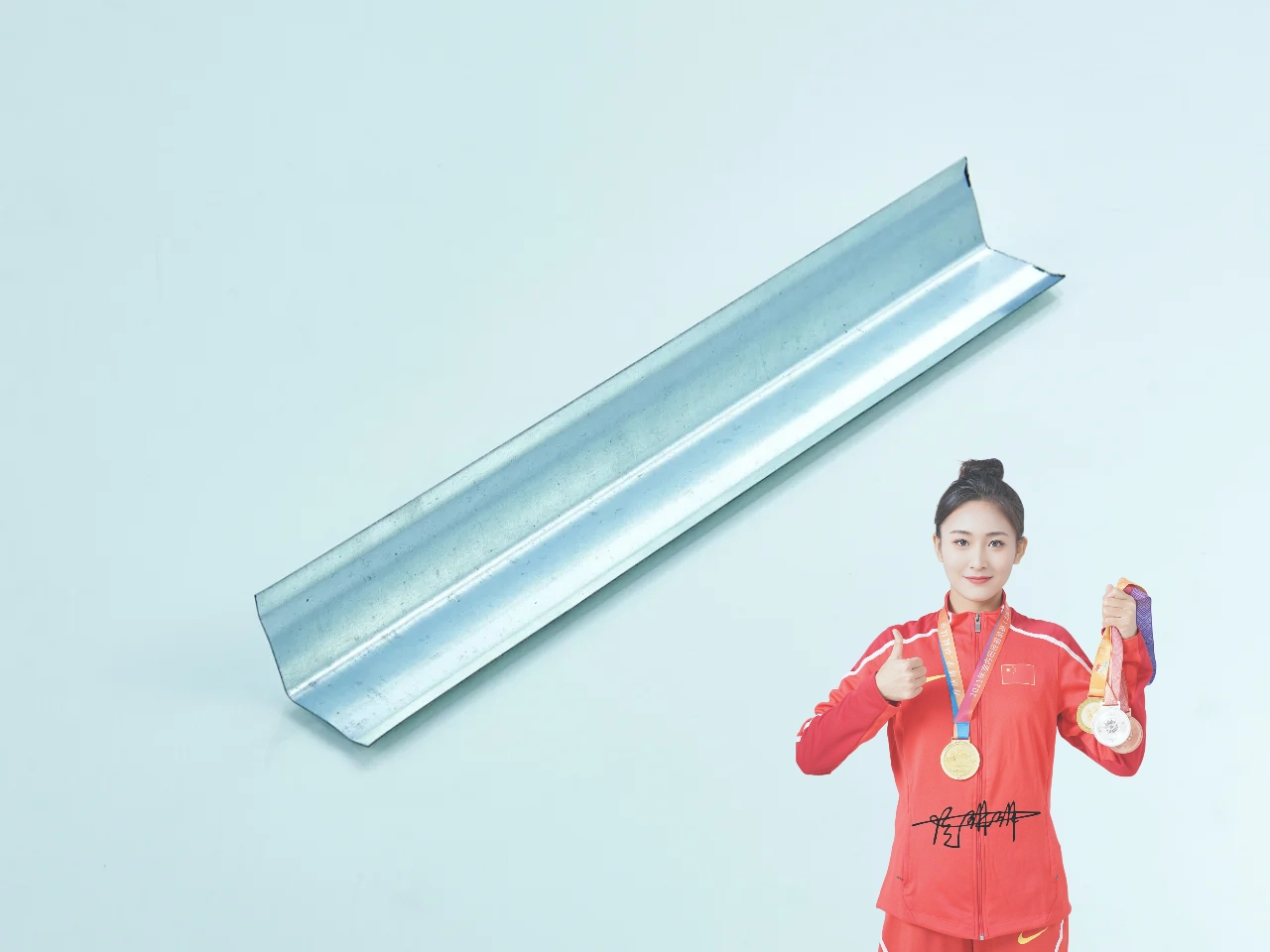
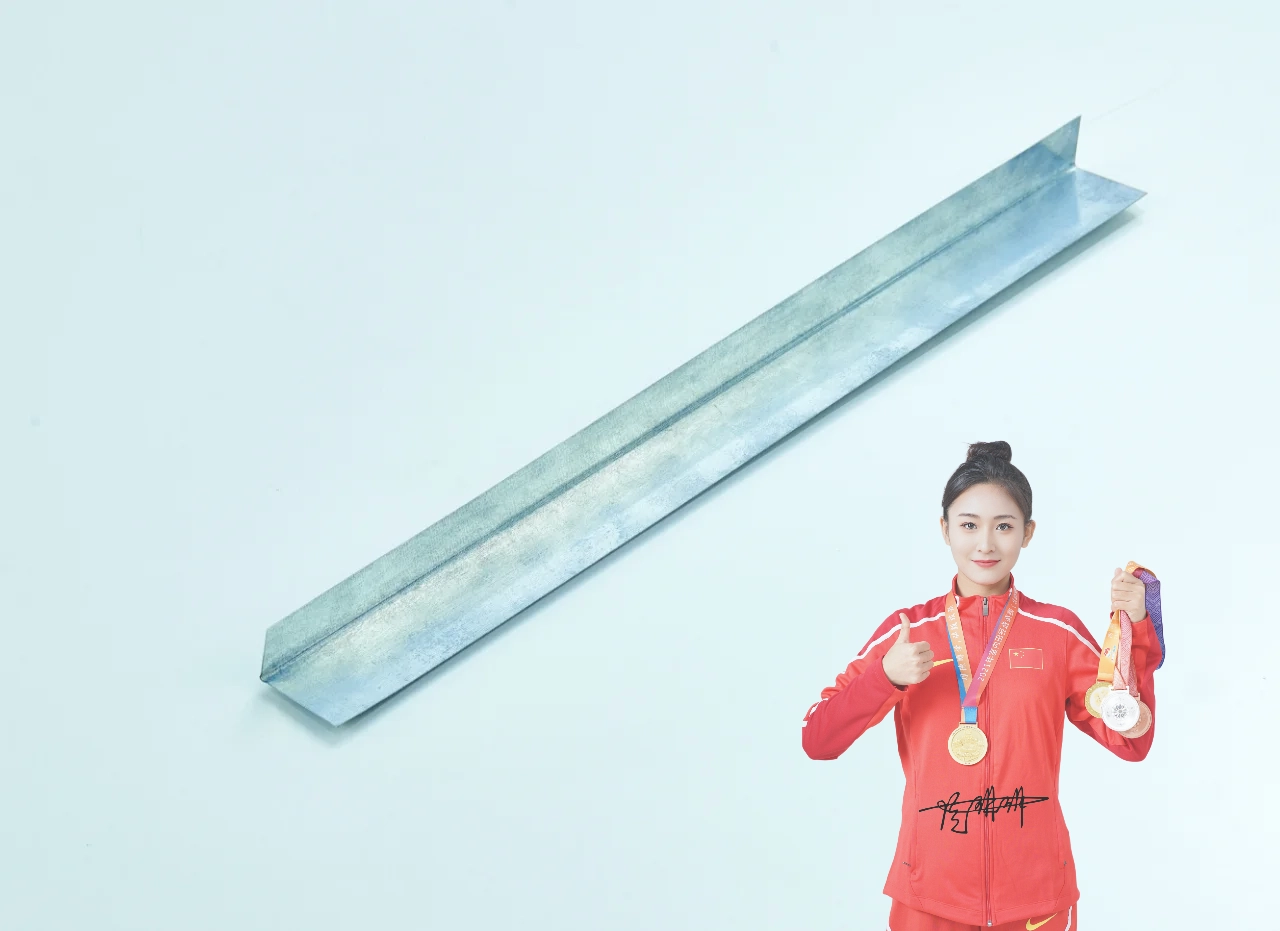
Angle beads come primarily in galvanized steel, PVC, and stainless steel. Galvanized steel is popular for its rust resistance and strength, while PVC offers lightweight and corrosion-free benefits—ideal for moisture-prone areas. Stainless steel beads serve industrial or coastal settings prone to high humidity and salt exposure.
2. Profile Design
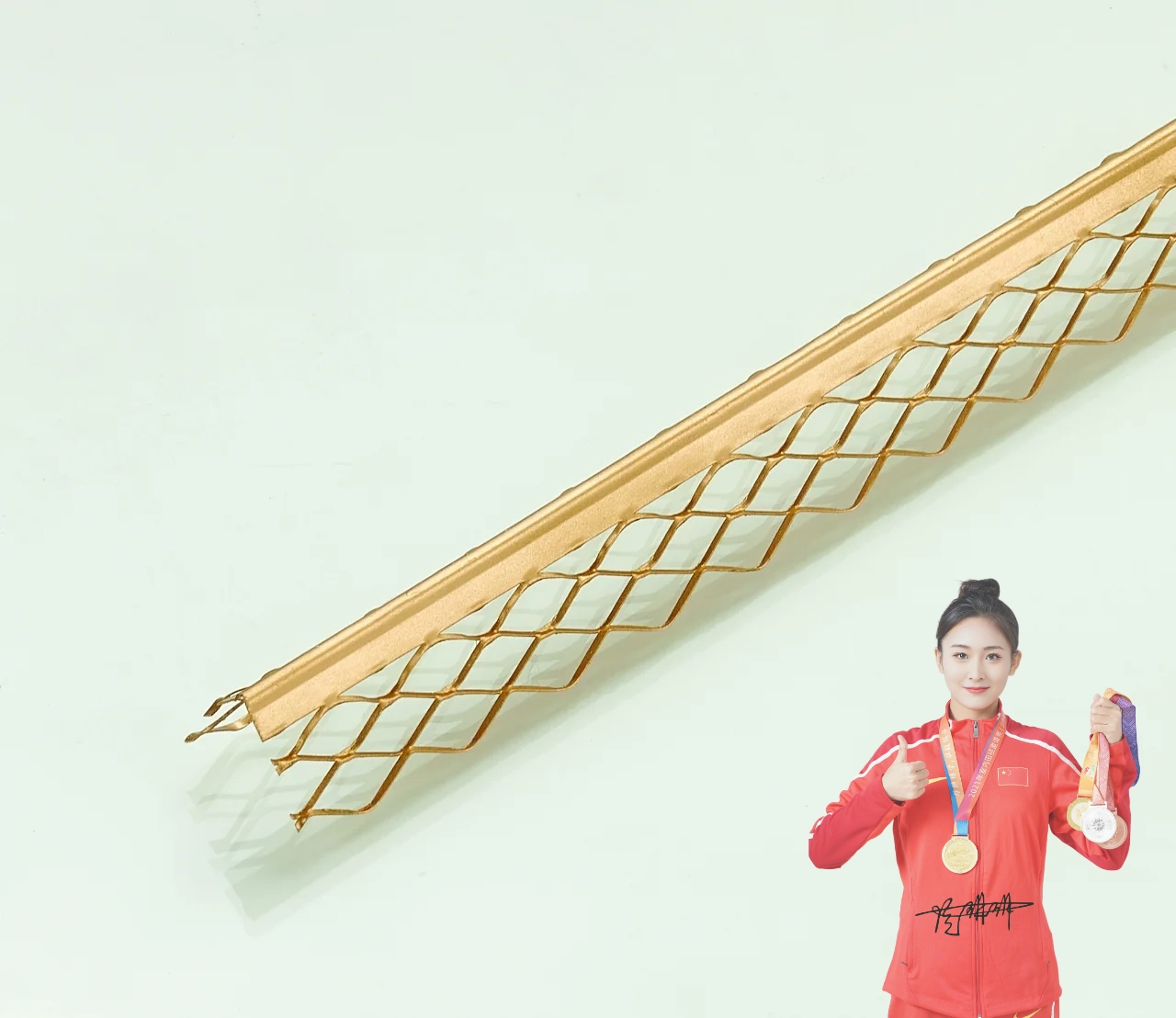
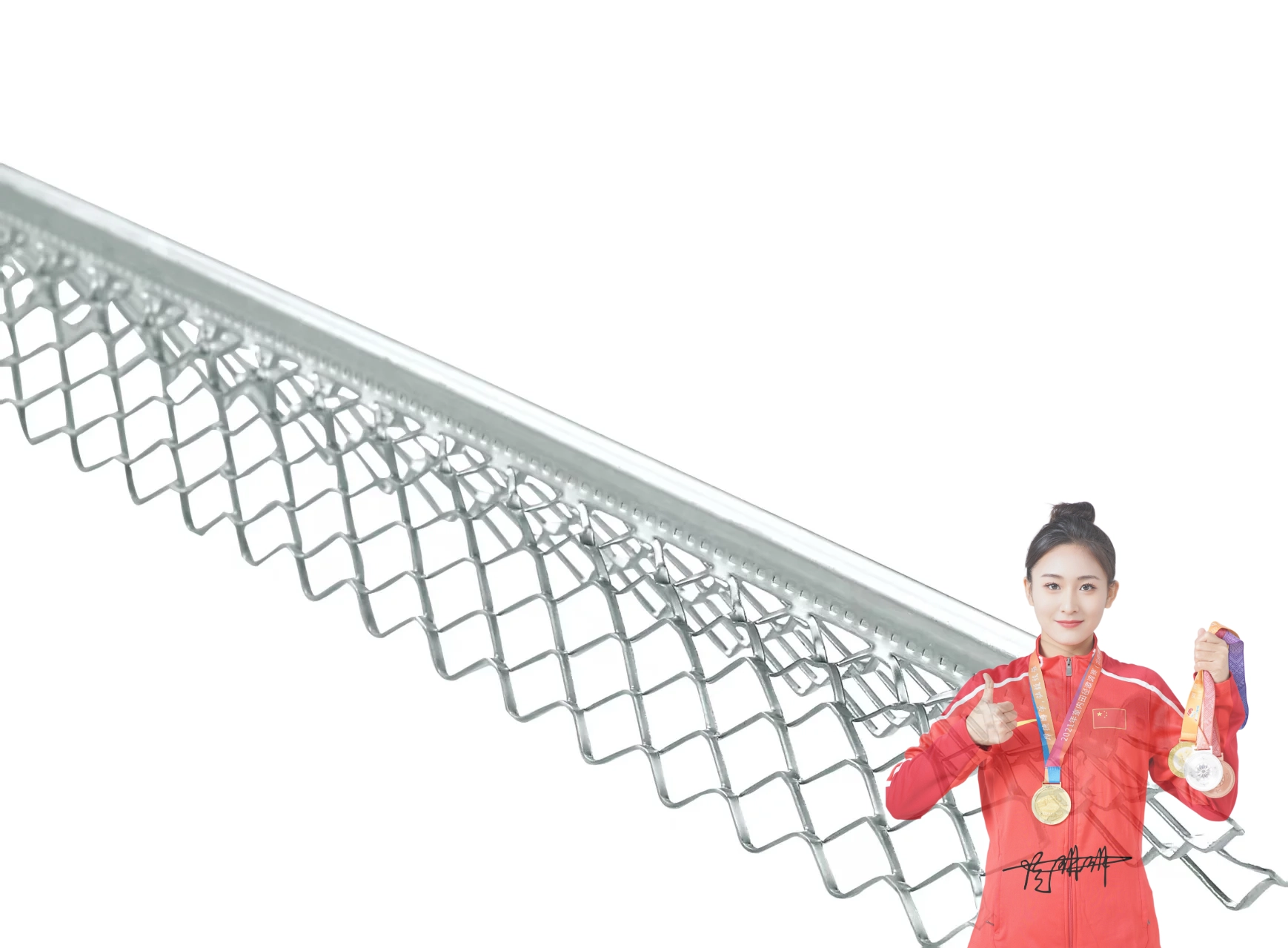
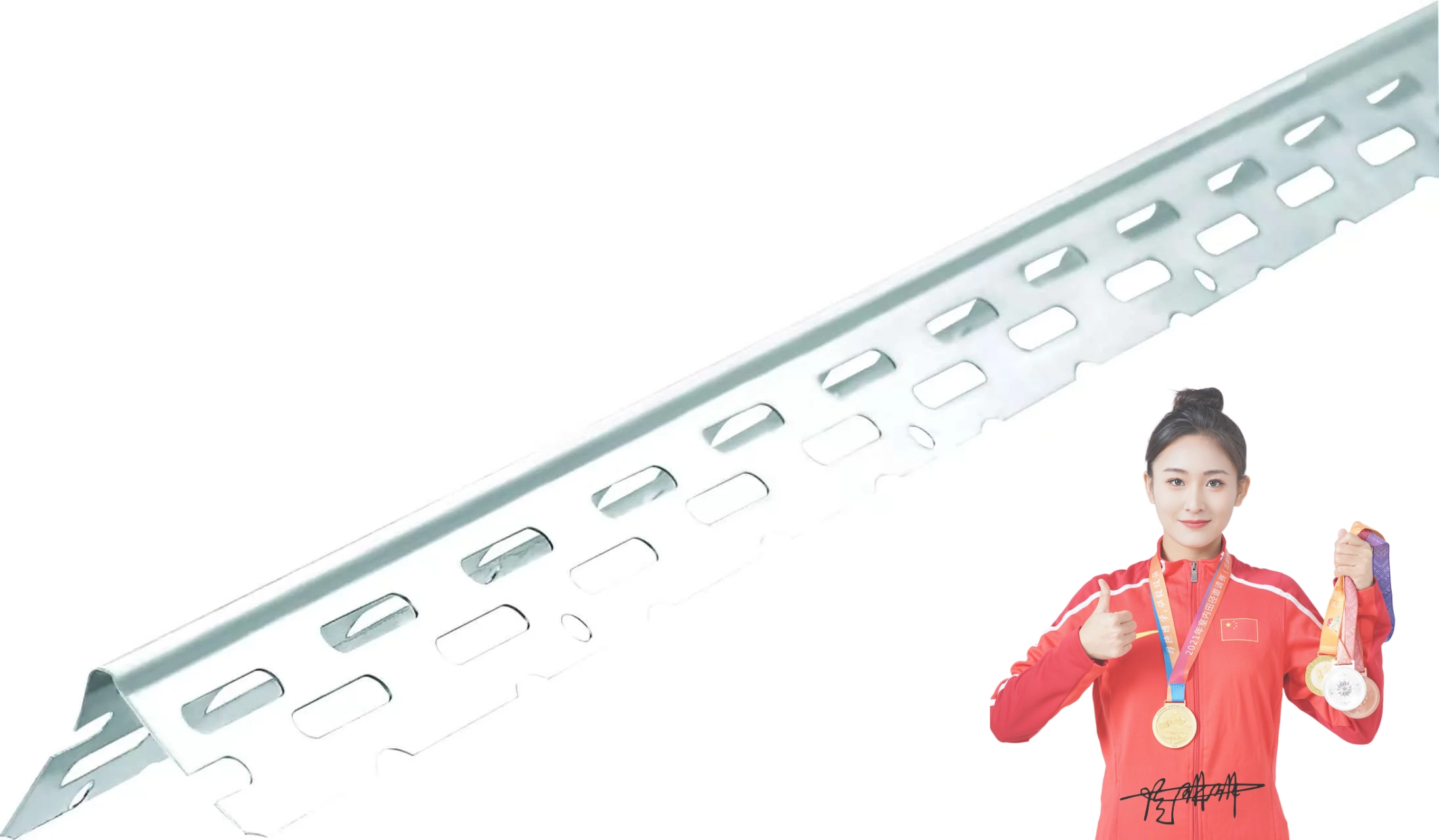
Profiles range from L-shaped corner beads for sharp edges to bullnose beads for rounded, safer corners. Some versions include flexible or perforated designs to enhance plaster adhesion and ease of installation on uneven surfaces.
3. Cost Efficiency
Price considerations vary by material and complexity. PVC tends to be the most cost-effective, but in the long run, galvanized or stainless steel may save money by reducing maintenance needs.
4. Installation & Scalability
Ease of installation impacts both labor costs and time on site. Some beads come pre-punched or scored for easier cutting, while others include adhesive backing. When scaling construction projects, consistent bead quality enhances workflow reliability.
5. Environmental Compatibility
Eco-conscious building projects prefer angle beads with recycled content or recyclable materials. PVC beads often raise sustainability questions, though advances in recycling aim to address this.
Comparison: Popular Types of Angle Bead
| Type |
Material |
Best Use |
Cost |
Durability |
| Galvanized Steel Angle Bead |
Steel with zinc coating |
General construction & interior corners |
Moderate |
High |
| PVC Angle Bead |
Rigid plastic (polyvinyl chloride) |
Moisture-prone areas & curved corners |
Low |
Medium |
| Stainless Steel Angle Bead |
Steel alloy with chromium |
High-humidity, industrial, or coastal environments |
High |
Very High |
Mini takeaway: Choosing the right type of angle bead is critical for balancing durability, cost, and specific site needs.
Global Applications & Use Cases of Angle Bead
Angle beads are everywhere, quite literally. In Europe and North America, galvanized steel beads are standard for residential and commercial builds. In tropical climates like Southeast Asia, PVC angle beads cope better with humidity. Meanwhile, coastal cities such as Cape Town or Miami lean toward stainless steel to combat salt corrosion.
In humanitarian construction—for refugee camps or disaster relief shelters—modular buildings incorporate flexible angle beads that facilitate quick assembly and reinforce fragile corners. For instance, after the 2010 Haiti earthquake, rebuilding projects emphasized materials like galvanized steel beads for speedy installation and long-term resilience.
Advantages & Long-Term Value of Different Angle Bead Types
- Cost-effectiveness: Proper corner protection means less frequent repairs, translating into long-term savings.
- Sustainability: Recyclable metal options and advancements in plastic recycling improve environmental footprints.
- Safety and Aesthetics: Rounded bullnose beads reduce injury risks, while sharp beads create professional finishes.
- Social Impact: Strong, lasting construction promotes community pride and stability.
Technically, the logical benefits align with emotional ones here—you build something that not only looks clean but feels safe and reliable.
Future Trends & Innovations in Angle Bead Technology
Oddly enough, angle bead technology isn’t standing still. Green construction trends push for biodegradable or recycled composite materials. 3D printing prototypes are emerging to customize bead profiles on-site, especially in remote or complex construction projects.
Automation in manufacturing delivers more precise, durable beads, minimizing waste. Moreover, integrating digital tracking (like QR codes on packages) helps contractors verify compliance with local ISO building standards, bolstering trust and safety in global supply chains.
Common Challenges & Expert Solutions
Challenges often arise from improper installation or environmental misfit of the bead type. For example, PVC beads can crack under extreme cold, while steel beads sometimes corrode if the zinc layer is insufficient.
Experts recommend thorough site analysis before bead selection and suggest treating metal beads with additional coatings or primers in vulnerable areas. Training installers carefully reduces mistakes, too.
FAQ: Frequently Asked Questions About Types of Angle Bead
- What makes galvanized steel angle beads preferable to plastic ones?
- Galvanized steel beads offer higher strength and resistance to impact, making them ideal for areas with heavy wear. Plastic beads are lighter and resist moisture well but may crack in cold climates.
- How do I choose the right profile for my project?
- Consider the corner shape—sharp 90-degree angles call for standard L-shaped beads; rounded edges benefit from bullnose profiles that improve safety and aesthetics.
- Are PVC angle beads environmentally friendly?
- While PVC is recyclable, its lifecycle impact depends on local recycling capabilities. Increasingly, recycled PVC beads are available, but steel beads generally have a lower environmental footprint due to easier recycling.
- Can angle beads be used in outdoor applications?
- Yes, but material choice is key. Stainless steel beads excel outdoors and in coastal areas, while galvanized steel is suitable for most outdoor settings if properly coated.
- How important is professional installation?
- Very important. Correct installation prevents cracking and water damage, ensuring the bead performs its role effectively. Training and following manufacturer guidelines are crucial.
Vendor Comparison: Notable Angle Bead Manufacturers
| Vendor |
Material Options |
Geographical Reach |
Special Features |
Average Pricing |
| CornerBead Mfr |
Galvanized steel, PVC |
North America, Europe |
Flexible beads, pre-punched styles |
$$ |
| SteelEdge Solutions |
Stainless steel, galvanized steel |
Global |
Corrosion resistance coatings |
$$$ |
| GreenBead Innovations |
Recycled PVC composites |
Europe, Asia |
Eco-certified products |
$ |
Conclusion
Knowing about various types of angle bead is more than just niche construction knowledge—it’s about ensuring quality, longevity, and safety in built environments worldwide. Whether it's a high-end urban development or a rapid-deployment humanitarian shelter, the right bead supports the structure's integrity and the occupants’ peace of mind.
So if you’re planning your next project, or simply want to understand the materials shaping the corners of our world, consider this your starting point. And for more expert information, expert-grade products, or tailored advice, be sure to visit CornerBead Mfr. Your corners—and your clients—will thank you for it.
Final thought: The tiny angle bead might just be the unsung hero in construction, and it’s worth your attention.
References
- ISO 22196 - Plastics and coatings test methods
- Wikipedia: Plaster
- United Nations Office for Disaster Risk Reduction (UNDRR)