Understanding the Corner Bead for Tile: Why It Matters Globally
Whether you're a seasoned contractor or a curious homeowner, the phrase corner bead for tile might sound niche, but its impact stretches far beyond just finishing edges of tiled walls. Globally, this simple component plays a crucial role in construction durability, aesthetics, and safety—elements that matter whether you're building a luxury bathroom in New York or a health clinic in Nairobi. Grasping what corner beads are and why they matter equips you with knowledge that can save time, money, and headaches in tiled installations.
Introduction: The Global Context of Corner Bead for Tile
In a world increasingly focused on sustainable and resilient infrastructure, fine details in construction techniques make a big difference. According to the International Organization for Standardization (ISO), proper finishing and protection of building edges can significantly extend a wall's lifespan and reduce maintenance costs. Tiles, widely used in both residential and commercial spaces worldwide, demand immaculate and protected corners to prevent chipping and water ingress.
Oddly enough, in many developing regions, building materials face harsher conditions without proper edge protection, leading to premature failures. The corner bead for tile addresses these challenges directly, improving both durability and aesthetics of tiled surfaces.
What Exactly Is a Corner Bead for Tile?
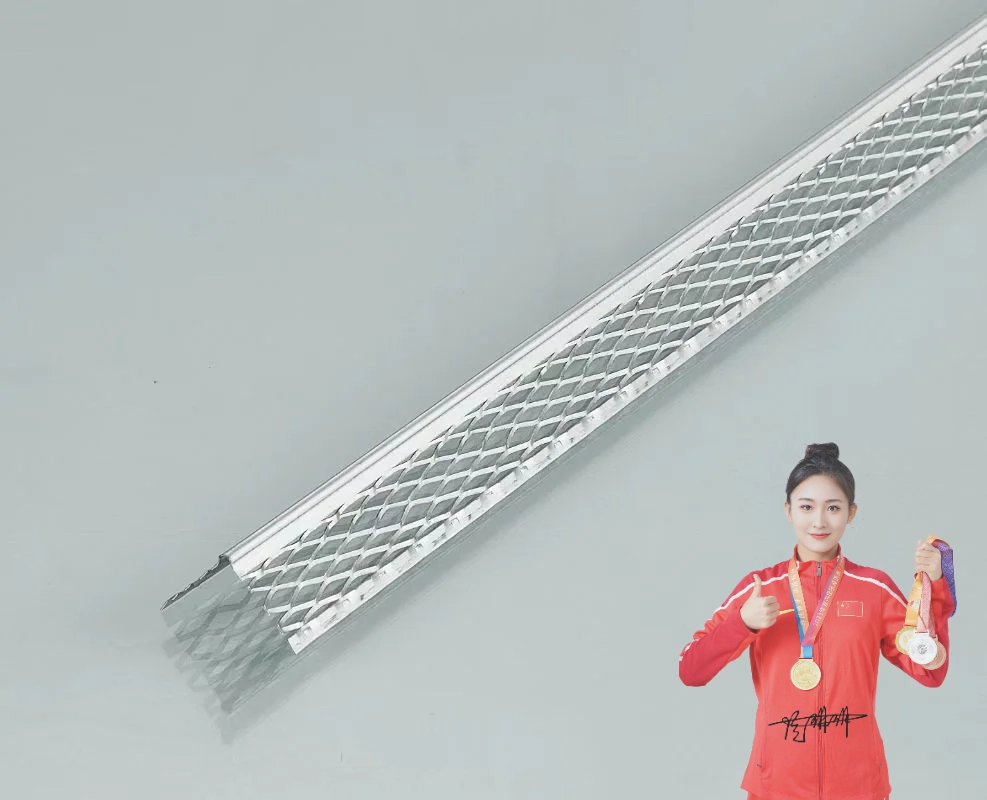
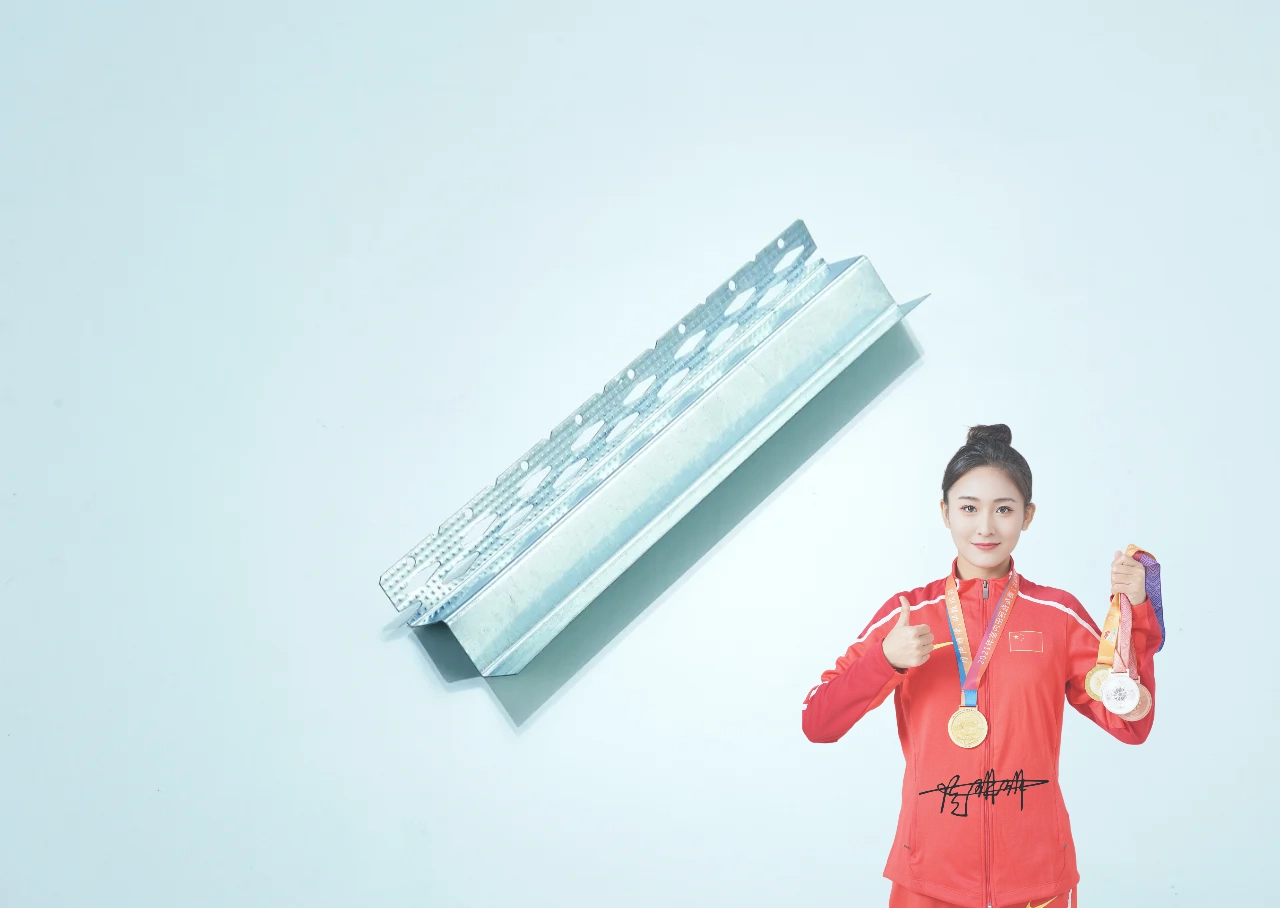
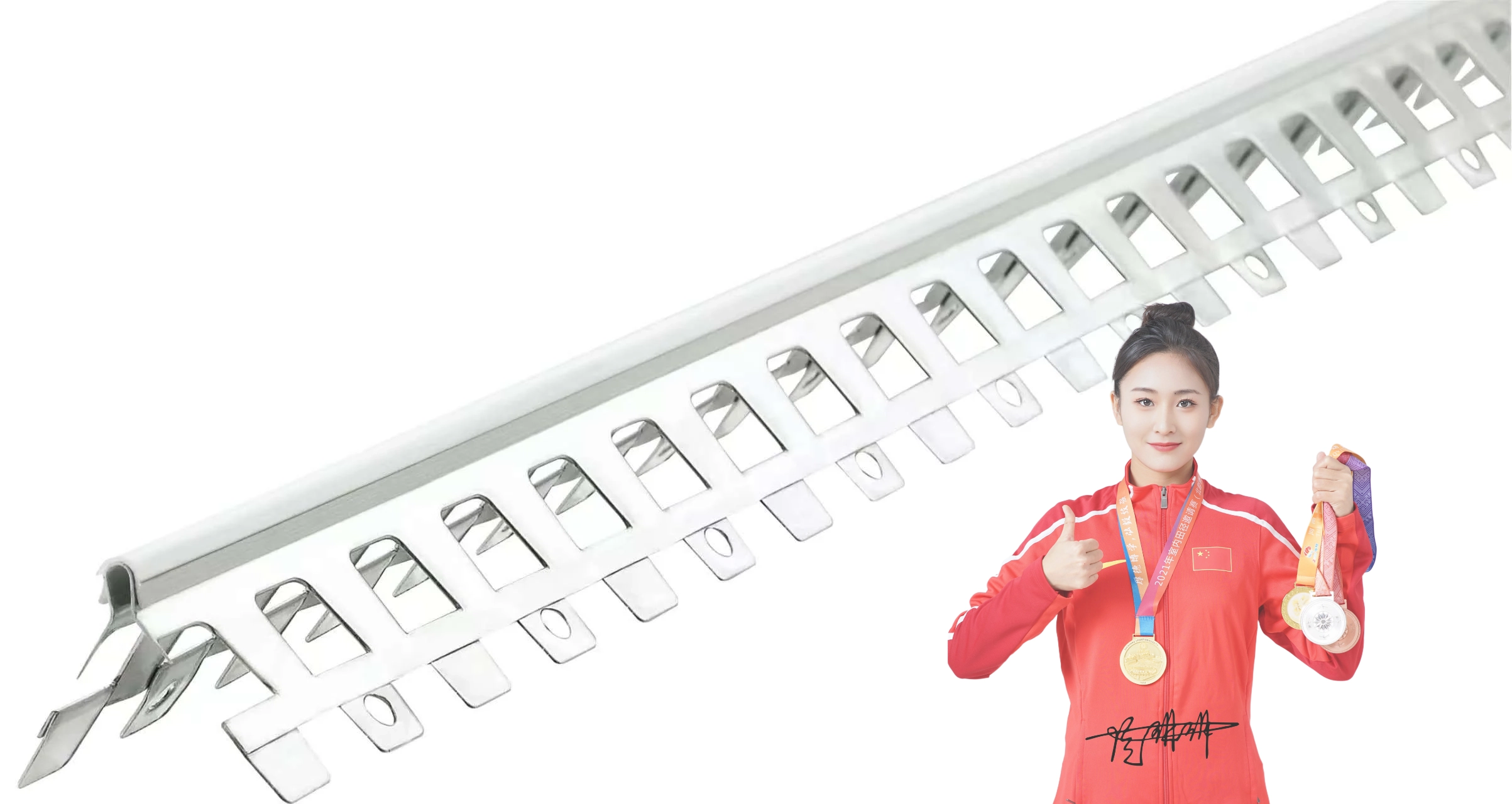
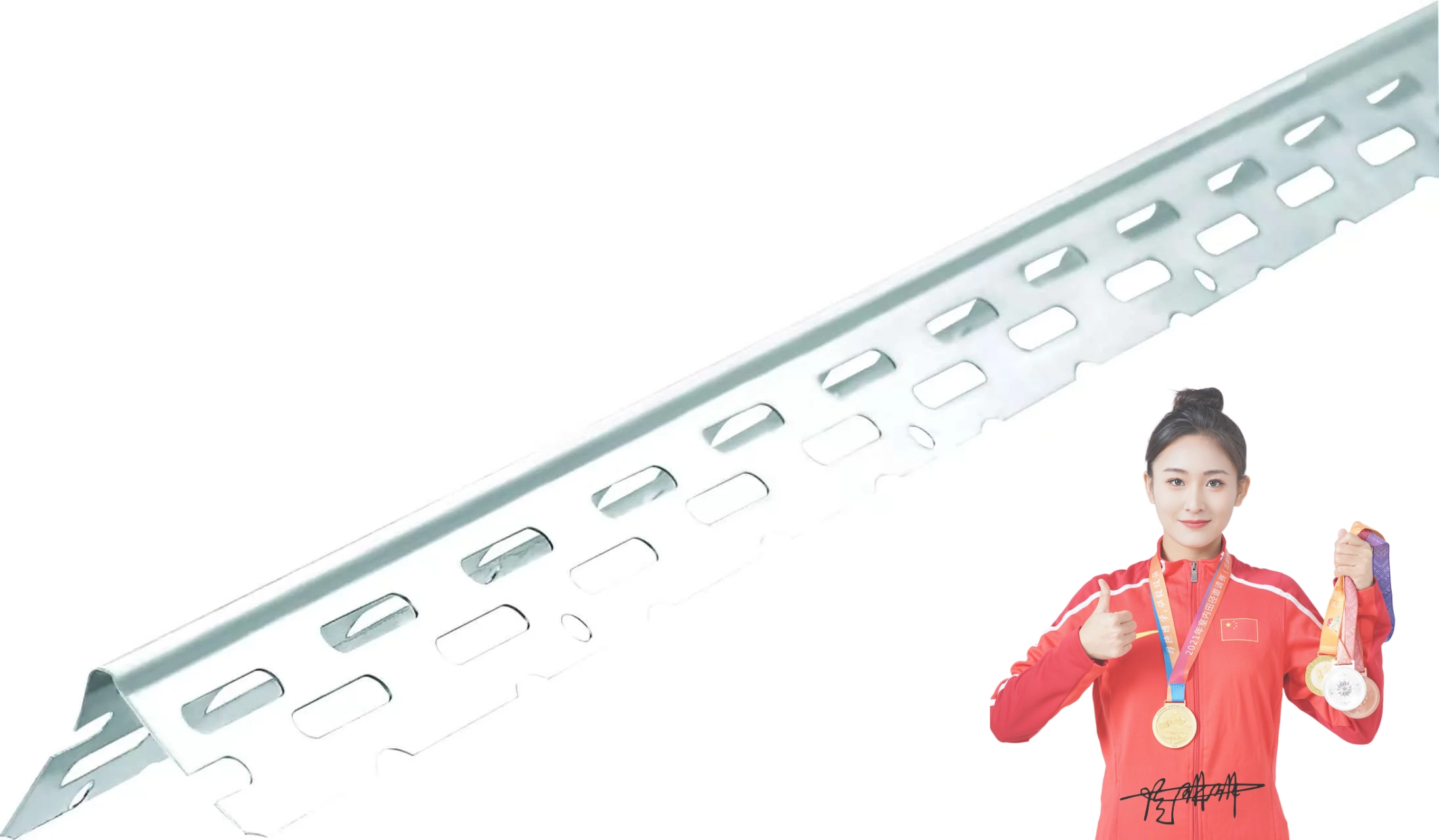
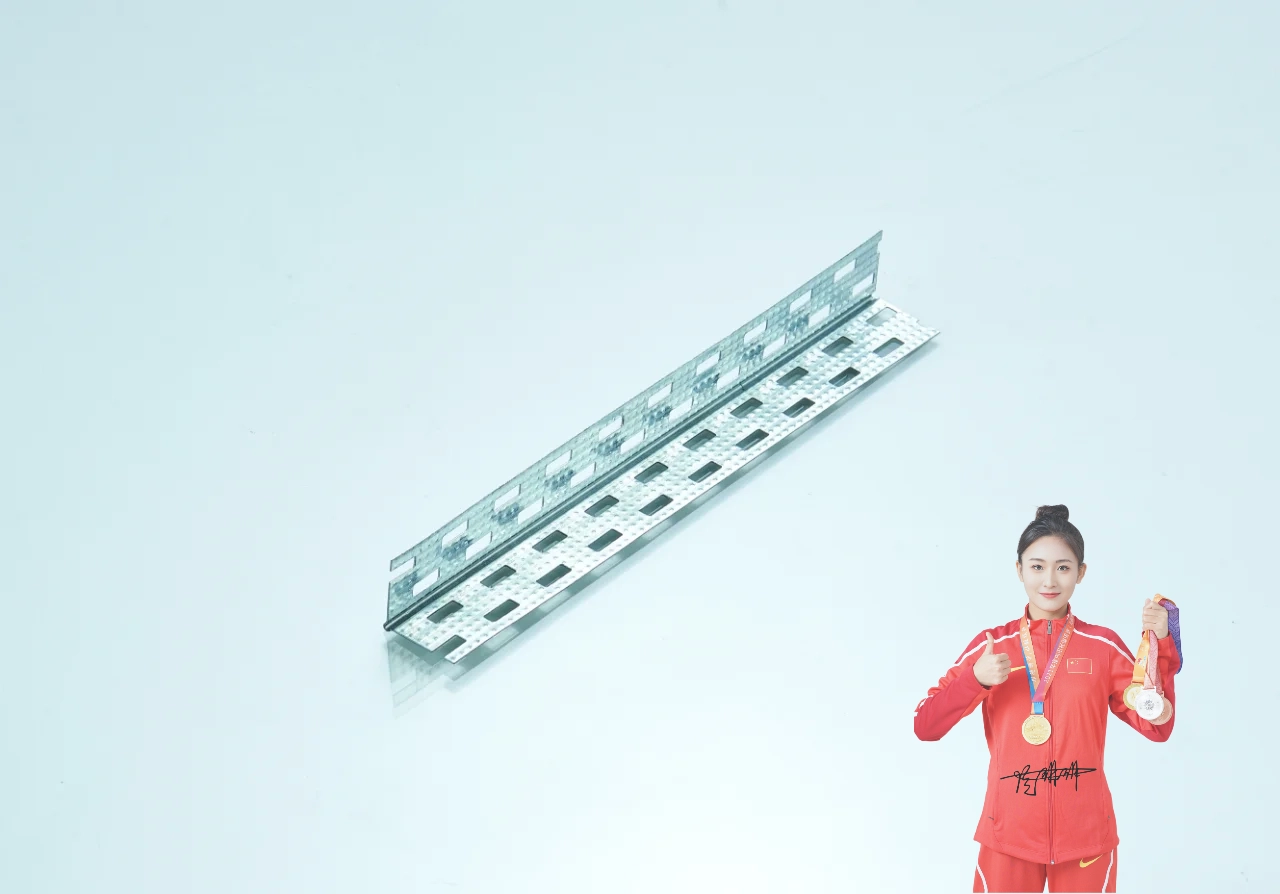
Put simply, a corner bead for tile is a protective trim installed on the external corners of tiled walls. It serves as a guard, reinforcing edges to avoid damage during daily wear, cleaning, or accidental impact. Usually made from metal, plastic, or composite materials, corner beads create crisp, clean lines and a finished look, while safeguarding the tile edges underneath.
Its connection to modern construction is vital: as buildings strive for longevity and low maintenance, these small details ensure that tiled corners, which often bear the brunt of damage, stay intact. In humanitarian construction scenarios—think temporary clinics or shelters—corner beads contribute to safer, more hygienic spaces by preventing tile breakage and debris.
Key Factors and Core Components of Corner Beads for Tile
Durability
The first thing most engineers think about is how well the corner bead protects the tile edge against chipping and cracking. Materials like anodized aluminum provide excellent corrosion resistance for wet environments like bathrooms or kitchens.
Material Choice
Beyond metal, vinyl and PVC corner beads offer flexibility and moisture resistance, preferred in damp locations or places prone to movement. Fiberglass reinforced plastic (FRP) is another option gaining traction for its robustness and non-corrosive properties.
Installation Ease
Some corner beads come ready-to-use with adhesive backing or nails, while others require embedding in mortar or plaster. Installation method can impact labor costs and the quality of the finish.
Compatibility With Tile Sizes
Corner beads must complement the tile thickness to avoid protruding or recessing edges, ensuring a seamless visual and tactile transition.
Cost Efficiency
Balancing quality and price remains paramount. While stainless steel corner beads cost more upfront, they save on maintenance and replacements over years.
Mini Takeaway:
Choosing the right corner bead involves juggling durability, material, installation, and cost—each factor tied closely to the project's specific needs and environment.
Global Applications & Real-World Use Cases
From high-rise buildings in the UAE to health centers in Southeast Asia, corner beads for tile are everywhere but often unsung heroes. For instance:
- In post-disaster relief operations in earthquake-prone zones, durable corner beads ensure rapid tile installations that hold up under challenging conditions.
- Commercial kitchens in Europe use metal corner beads for hygienic, easy-to-clean edges that comply with strict food safety regulations.
- In remote industrial zones, flexible vinyl corner beads accommodate structural movement from temperature swings, preventing cracks.
Advantages & Long-Term Value of Corner Beads for Tile
Using corner beads ensures tangible benefits including cost savings from fewer repairs, enhanced tile longevity, and better safety by reducing sharp edge risks. Plus, they help maintain the aesthetic integrity of tiled surfaces, fostering pride in buildings that serve communities.
On an emotional level, well-finished edges contribute to a sense of dignity and care in spaces people inhabit—be it a hospital ward or a school restroom. Frankly, it’s those details that signal professionalism and reliability.
Product Specification Table: Typical Corner Bead Characteristics
| Specification |
Description |
| Material |
Aluminum, PVC, Vinyl, Fiberglass |
| Length |
8 ft to 10 ft segments |
| Finish |
Anodized, Painted, Natural |
| Thickness |
0.5 to 1.5 mm (varies by material) |
| Installation Method |
Adhesive backing, mortar embed, nails |
Vendor Comparison: Popular Corner Bead Suppliers
| Vendor |
Material Options |
Price Range |
Lead Time |
| CornerPro Supplies |
Aluminum, Vinyl |
$$ |
1-2 weeks |
| EdgeMaster Inc. |
PVC, Fiberglass |
$ |
3-5 days |
| PrimeTile Accessories |
Stainless Steel, Aluminum |
$$$ |
2-3 weeks |
Future Trends & Innovations in Corner Bead for Tile
Looking forward, innovation in corner beads is embracing sustainability and technology. Biodegradable composite materials are in development, reducing environmental impact. Smart edge protectors embedded with sensors to detect impact or moisture ingress might be a thing soon—making maintenance even more proactive.
Digitally fabricated corner beads custom-cut for complex architectural designs use CNC machines and 3D printing, ensuring perfect fits. These tech trends align well with global pushes towards green building standards (LEED, BREEAM) and smarter infrastructure.
Challenges & Solutions
While corner bead technology is mature, a few challenges linger: compatibility with exotic tile materials, installation errors, and vandalism in public spaces. Some low-cost corner beads degrade quickly under UV exposure, leading to discoloration or brittleness.
Experts suggest rigorous material testing for specific climates and enhanced training for installers to overcome these issues. Additionally, protective coatings and anti-graffiti finishes help prolong life and maintain appearance.
FAQs About Corner Bead for Tile
- What is the best material for corner beads in wet areas?
- Aluminum and PVC corner beads are popular for wet environments like bathrooms due to their corrosion resistance and durability. PVC is cost-effective, while aluminum offers a more premium finish.
- Can corner beads be installed on irregular or curved tile corners?
- Traditional corner beads work best on straight edges, but flexible vinyl or soft metal beads can accommodate slight curves. For complex shapes, custom-fabricated beads or trims are advisable.
- How do corner beads extend the life of tiled surfaces?
- They protect vulnerable tile edges from chipping, moisture penetration, and impact damage, which collectively prevents cracks and water damage inside walls.
- Are corner beads reusable if tiles are replaced?
- Generally, corner beads are embedded into mortar or adhesive, so removal can damage them. However, surface-applied or nail-fixed beads might be reusable if handled carefully.
- Where can I find quality corner beads for tile?
- Reliable suppliers include specialized vendors such as corner bead for tile manufacturers who offer various materials and custom options for professional installations.
Conclusion + Call to Action
In real terms, the corner bead for tile does more than just frame a wall’s edge. It shields, beautifies, and reinforces—key traits that resonate in every corner of the globe where strong and lasting constructions matter. For those interested in investing in reliable, high-quality corner beads that make a difference in installations, I suggest checking out trusted suppliers and learning more at corner bead for tile.
Take care of your edges, and your tiles will thank you for years to come.
Reflecting on the humble corner bead, it’s fascinating how these small details, often overlooked, ultimately safeguard walls that hold memories, health facilities, and homes. Truly, the strength of a structure is often in its details.
References
- International Organization for Standardization (ISO) – Building construction standards
- Wikipedia – Tiling
- LEED Certification and Green Building