Understanding Drywall L Trim: Key to Seamless Wall Finishes
Drywall l trim might sound like niche construction jargon, but honestly, it's one of the unsung heroes of finishing work — the little detail that saves you from messy edges and adds longevity to walls worldwide. At its core, drywall l trim shapes and protects drywall corners and edges, ensuring durability and a clean, crisp appearance. Why does this matter globally? Well, places from bustling urban centers to remote construction sites rely on these trims for structural integrity. Knowing the ins and outs of drywall l trim unlocks better building quality, reduces costly repairs, and even impacts sustainability by minimizing material waste over time.
Global Context: Why Drywall L Trim is More Relevant Than Ever
Construction is booming. According to the United Nations, over 1.6 billion people currently live in inadequate housing—and that number is set to grow dramatically by 2050 (source: UN Habitat). In this landscape, drywall and its finishing components like drywall l trim take on new significance. They help deliver safe, affordable, and durable walls quickly. In fact, global construction trends increasingly favor modular, prefabricated systems where drywall l trims are standard for neat, fast assembly.
Challenges such as moisture resilience and sustainability push manufacturers toward smarter, eco-conscious drywall l trim designs. It’s a tiny part of a huge solution tackling housing shortages and industrial efficiency.
What Exactly is Drywall L Trim?
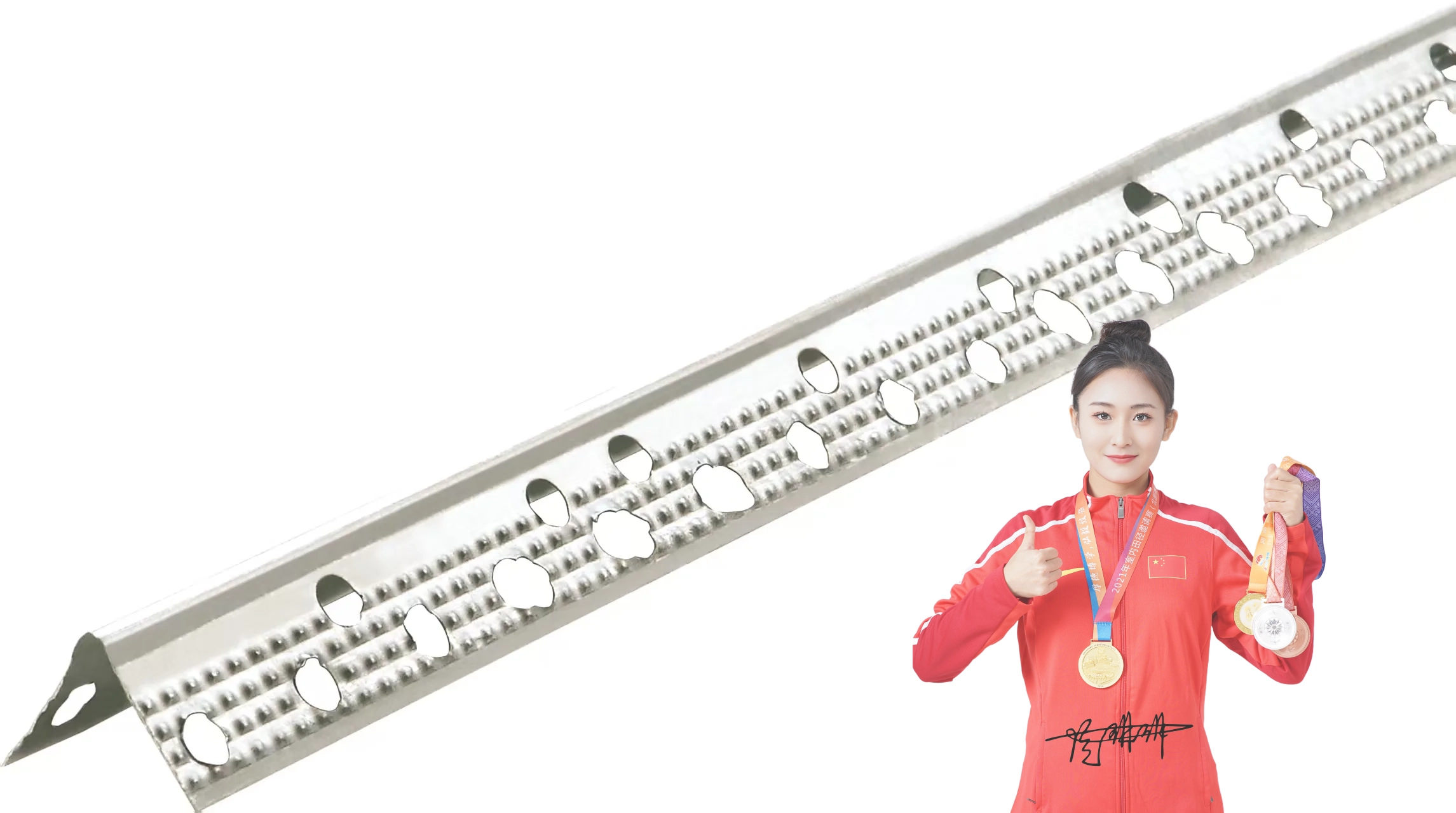
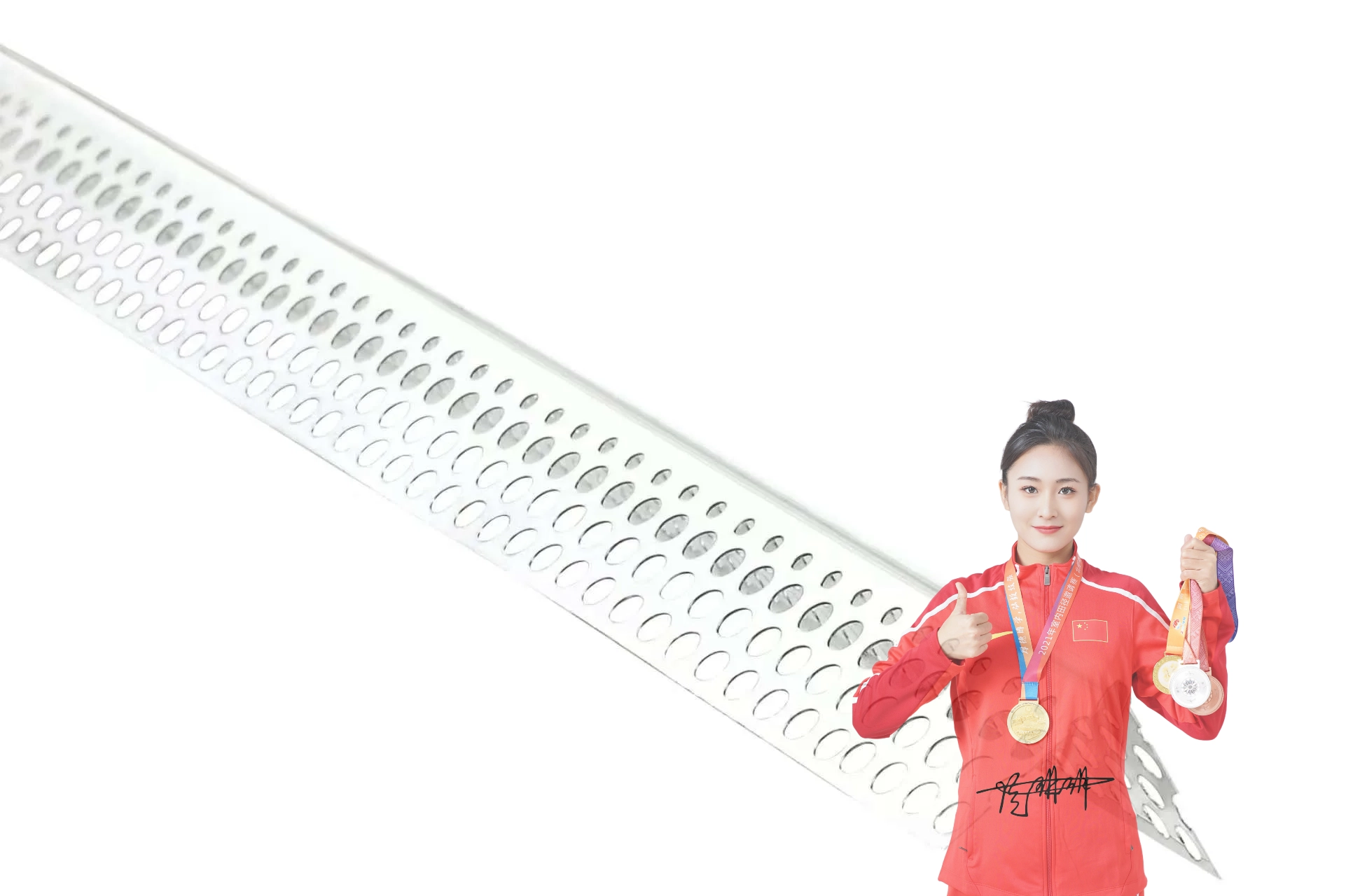
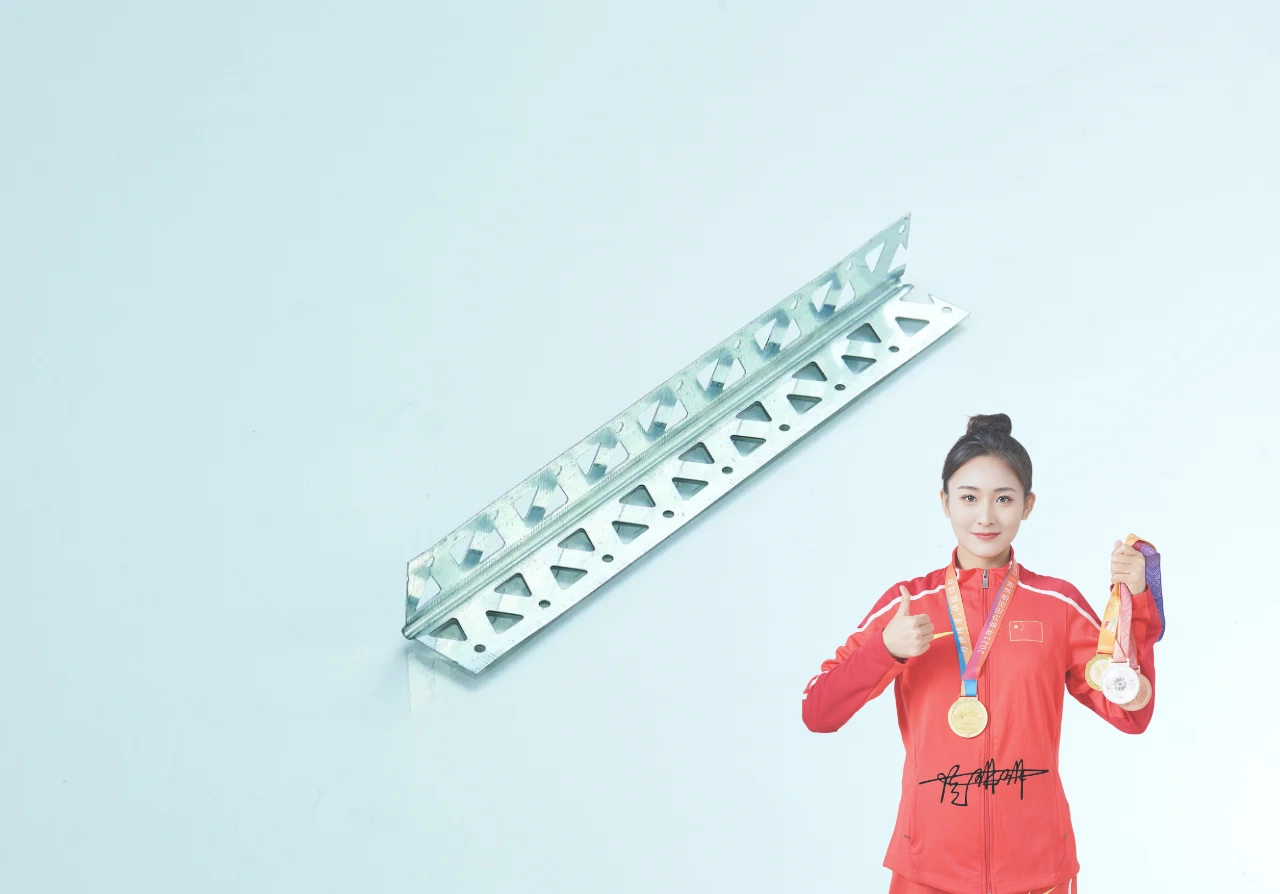
Simply put, drywall l trim is a metal or polymer extrusion bent at a 90-degree angle, forming a clean 'L' shape that's applied to drywall edges and corners. It stabilizes these vulnerable points against impact, wear, and cracking while giving walls a sharp, professional outline. Often made from galvanised steel or PVC, this trim is lightweight but tough, blending easily with joint compound and paint.
It's fundamental in modern construction and renovation because it ensures walls look polished and last longer, especially in high-traffic or humid environments. For humanitarian builds like disaster relief shelters, drywall l trim guarantees that minimal resources can still produce sturdy shelter walls.
Key Factors Behind Drywall L Trim Success
Durability
The strength of drywall l trim determines how well corners withstand knocks and everyday wear. Steel trims resist dents and moisture better than unfinished edges, making walls last decades. PVC trims offer corrosion resistance and flexibility but are sometimes less impact-resistant.
Ease of Installation
Drywallers often praise trims that are lightweight and easy to cut or nail. Quick installation saves labor time and costs, which matters globally when skilled workers may be limited.
Cost Efficiency
The balance between upfront price and life-cycle value is key. While premium metal trims may cost more initially, their resistance to damage reduces expensive repairs later. Affordable trims factor heavily in large projects with tight budgets.
Environmental Impact
Materials and coatings used affect recyclability and emissions. Manufacturers now explore recycled metals and bioplastics for trims to align with rising green building standards.
Aesthetic Compatibility
Trims with crisp lines and smooth surfaces enable superior paint finishes. Some even come pre-coated for seamless color matching, enhancing interior design flexibility.
Drywall L Trim Product Specifications
| Spec |
Galvanized Steel |
PVC Trim |
| Material Thickness |
0.016" to 0.020" |
1.5mm to 2.5mm |
| Length |
8' to 10' |
8' to 12' |
| Coating |
Zinc Galvanized |
UV-Stabilized Finish |
| Weight |
~0.3 lbs/ft |
~0.2 lbs/ft |
Global Applications of Drywall L Trim
From metropolitan construction projects in North America to fast-deploy housing in Southeast Asia, drywall l trim is indispensable. Industrial facilities use it to protect interior walls in factories, preventing costly damage. Humanitarian organizations employ drywall l trim in modular shelters post-natural disasters — for example, after the 2015 Nepal earthquakes, relief builds utilized these trims for speedy, durable walls.
Remote sites benefit too — mining camps or offshore rigs rely on easy-to-ship trims to reinforce drywall panels under tough conditions. Even local home renovations worldwide increasingly specify drywall l trim for that perfect finish.
Vendor Comparison: Popular Drywall L Trim Suppliers
| Supplier |
Material Options |
Price Range |
Eco-Friendly Initiatives |
Lead Time |
| CornerBead Mfr |
Steel, PVC, Specialty Finishes |
$$ - Mid-range |
Recycled Metals, Low-Emission Production |
2 weeks |
| TrimMasters |
Steel Only |
$ - Budget |
None |
1 week |
| EcoTrim Supplies |
PVC, Bioplastic Options |
$$$ - Premium |
100% Recyclable, Carbon Neutral |
3 weeks |
Advantages & Long-Term Value of Drywall L Trim
When you think beyond the obvious benefit of neat corners, drywall l trim shines as a protector against moisture damage, mold growth, and fractures. This boost in durability means fewer repairs — and fewer headaches for building owners.
On a more emotional level, drywall l trim contributes quietly to occupant safety and dignity. Walls that withstand daily life’s knocks mean spaces feel cared-for, maintained, and trustworthy. It might seem small, but that finish can reflect pride in workmanship and community wellbeing.
Looking Ahead: Trends & Innovations in Drywall L Trim
Looking forward, we see a big push toward sustainable materials, including trims made from recycled steel and biodegradable polymers. 'Smart' trims embedded with antimicrobial coatings are emerging, relevant for hospitals or schools concerned with hygiene. Digital fabrication techniques, like 3D extrusion, promise customized trim profiles that perfectly fit unique architectural designs.
Challenges and How The Industry Is Responding
Despite many gains, drywall l trim faces challenges such as incompatibility with some modern drywall systems or vulnerability in high-moisture conditions when using cheaper materials. Thankfully, manufacturers increasingly test trims under ISO standards and are developing hybrid metal-polymer composites to strike the ideal performance-to-cost balance.
Frequently Asked Questions About Drywall L Trim
- Q: What types of drywall l trim are best for humid environments?
A: Galvanized steel with corrosion-resistant coatings or UV-stabilized PVC trims are preferred in moist areas to prevent rust and deterioration.
- Q: Can drywall l trim be painted or finished with textured coatings?
A: Yes, most trims are designed to accept paint and joint compound so that they blend seamlessly with surrounding walls.
- Q: How does drywall l trim impact installation speed?
A: Using preformed trim significantly speeds installation, providing ready-made clean edges and reducing need for extra materials or touch-ups.
- Q: Are there environmentally friendly drywall l trim options?
A: Absolutely. Many suppliers now offer trims made from recycled metals or alternative polymers certified for sustainability.
- Q: How can I source drywall l trim internationally?
A: Partnering with established manufacturers like CornerBead Mfr ensures reliable export-ready products tailored to your project scale.
Conclusion
All in all, drywall l trim might be a small component, but its impact is large — enhancing wall durability, aesthetics, and sustainability globally. Whether you're an architect, contractor, or humanitarian builder, understanding and choosing the right drywall l trim ensures your walls stand the test of time.
For reliable, high-quality drywall l trim solutions, visit our website and explore products designed to make your projects shine from the edges out.
(A neat trim really does make the whole wall feel better... somehow.)
References
- United Nations Human Settlements Programme (UN Habitat)
- ISO Standards for Building Material Testing
- Wikipedia: Drywall