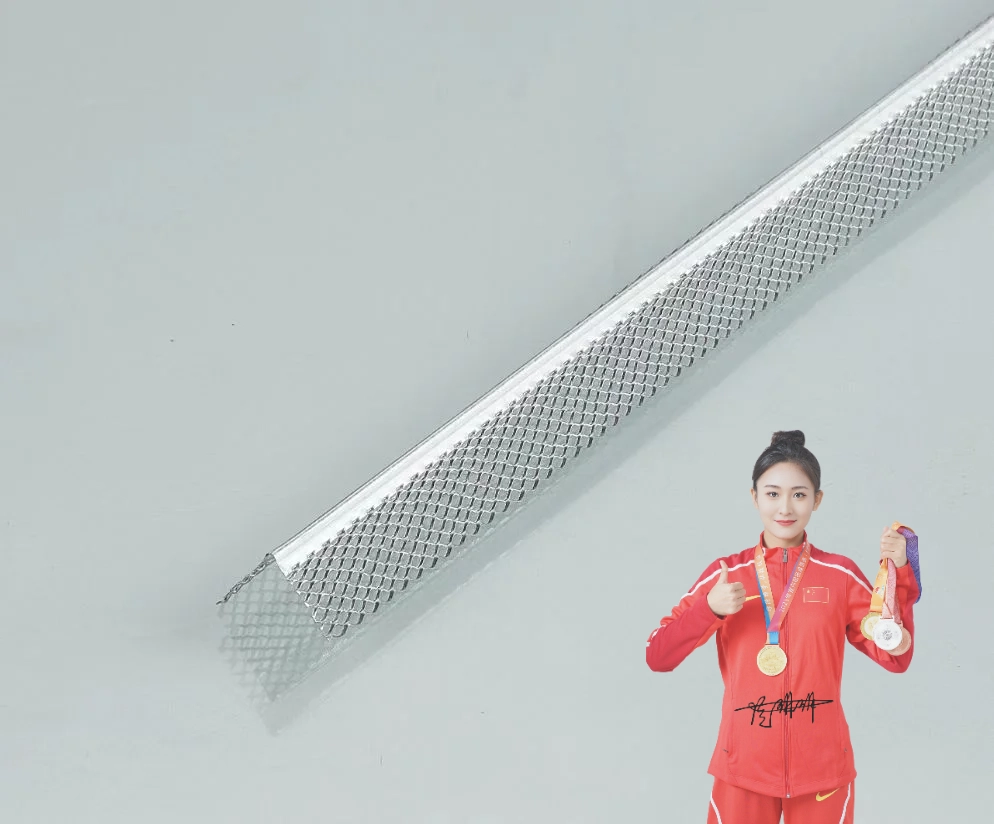
Why Drywall Corner Paper Still Matters in 2024
Having been around industrial equipment and construction supplies for close to two decades now,
I’ve seen trends come and go, but oddly enough, some basics never lose their charm. Drywall corner paper is one of those simple yet essential materials that quietly holds the drywall finishing industry together.
You might think with all the high-tech alternatives out there, paper tape would be passé, but frankly, drywall corner paper has remained a favored choice for many professionals and homeowners alike. It’s cost-effective, flexible, and frankly, a bit forgiving during installation — I’ve lost count of how many jobs have been saved simply by choosing the right corner paper over metal or plastic corner beads.
The key advantage? It molds snugly to corners without leaving awkward gaps and, when paired with compound, it creates a seamless, durable finish. Engineers often say it’s the “unsung hero” of drywall finishing — light on the wallet but heavy on results.
What Makes Quality Drywall Corner Paper
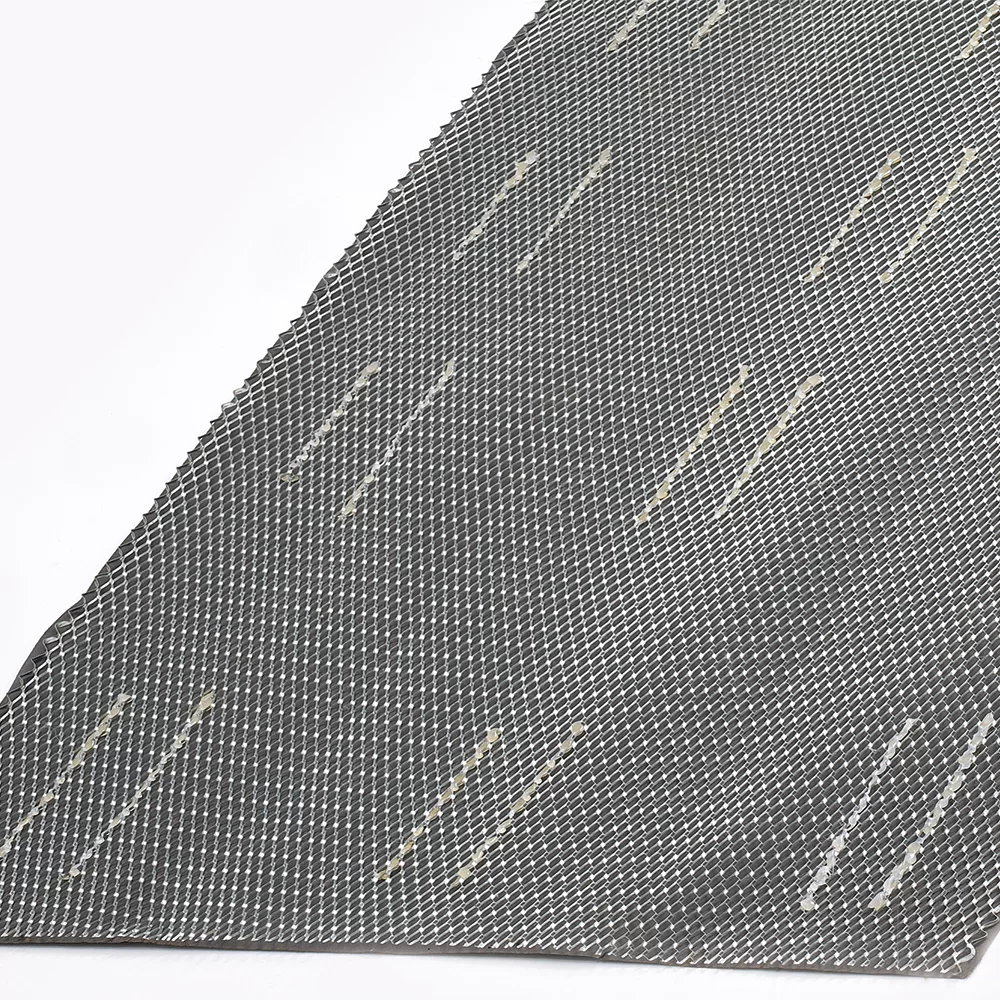
It really comes down to materials and texture. Paper that is too thin tears easily, and those with poor fiber composition tend to bubble or peel once dry. The best drywall corner paper typically uses a blend of cotton and synthetic fibers, creating something that’s both strong and flexible.
For those of you curious about specs, companies often test corner paper under tensile strength, water resistance, and adhesion compatibility. Here’s a typical spec overview to give you a feel:
| Specification | Typical Value | Units |
|---|
| Tensile Strength | 45 | N/cm |
| Water Resistance | Moderate | - |
| Width | 2.5 – 3.5 | Inches |
| Length (per roll) | 90 – 150 | Feet |
Vendor Comparison: Choosing the Right Source
There are plenty of manufacturers offering drywall corner paper, so I always tell colleagues—don’t just go for the cheapest option. You often get what you pay for, especially in construction where a shortcut can mean callbacks. To help navigate this, here’s a comparison between three vendors I’ve vetted over the years:
| Vendor | Material Quality | Roll Length (ft) | Price Range ($) | Availability |
|---|
| CornerBead Mfr. | Premium cotton blend | 100 – 150 | $30 – $40 | Excellent |
| Generic Tape Co. | Standard paper fibers | 90 – 120 | $20 – $30 | Good |
| Budget Drywall Supplies | Thin paper, prone to tearing | 100 | $15 – $20 | Variable |
A Real-World Perspective
I remember a project a few years ago where an apartment complex was being finished with tight timelines and slim budgets. The contractors initially opted for a lower-cost paper tape, which kept tearing during application — it was frustrating and led to delays. When they switched to a quality corner paper from CornerBead Mfr., the difference was night and day. Installation became smoother, drying times were consistent, and the corners looked crisp and clean. It might sound like a small detail, but in drywall work, that kind of reliability makes all the difference.
So in real terms, investing a bit more in high-quality drywall corner paper isn’t just about aesthetics — it’s about saving headache, time, and money down the line.
If you want to keep your corners looking professional and last for years, drywall corner paper remains a trusted choice in 2024. And yes, I suppose it’s one of those materials that’s easy to overlook until it’s too late.
Quick takeaway: Good drywall corner paper is like a quiet partner in your build — dependable, affordable, and often the difference between a job done and a job done well.
References:
1. Construction Materials Handbook, 2023 Edition
2. Interview with drywall contractors, Various, 2021
3. Product testing reports from CornerBead Mfr., 2022