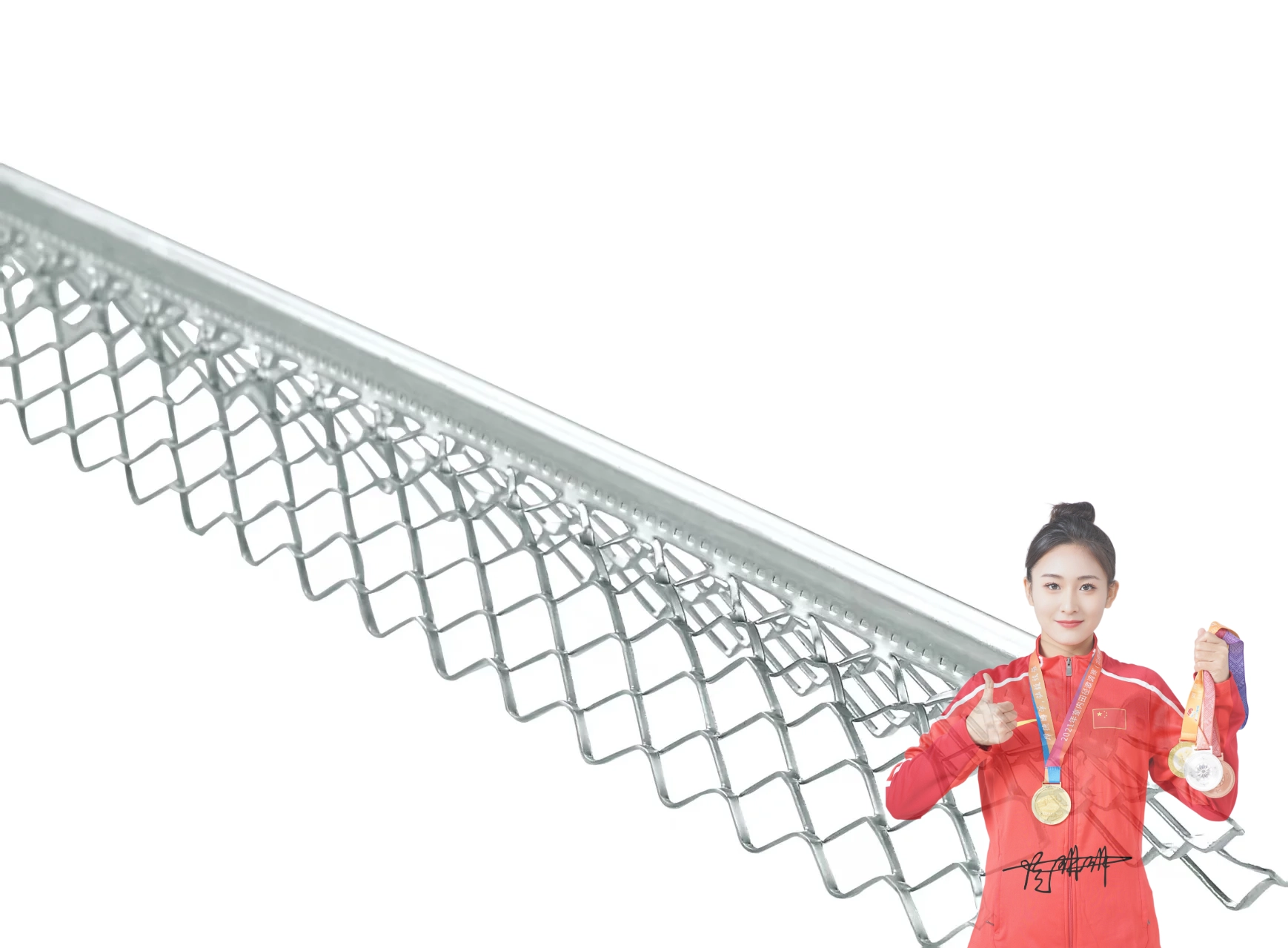
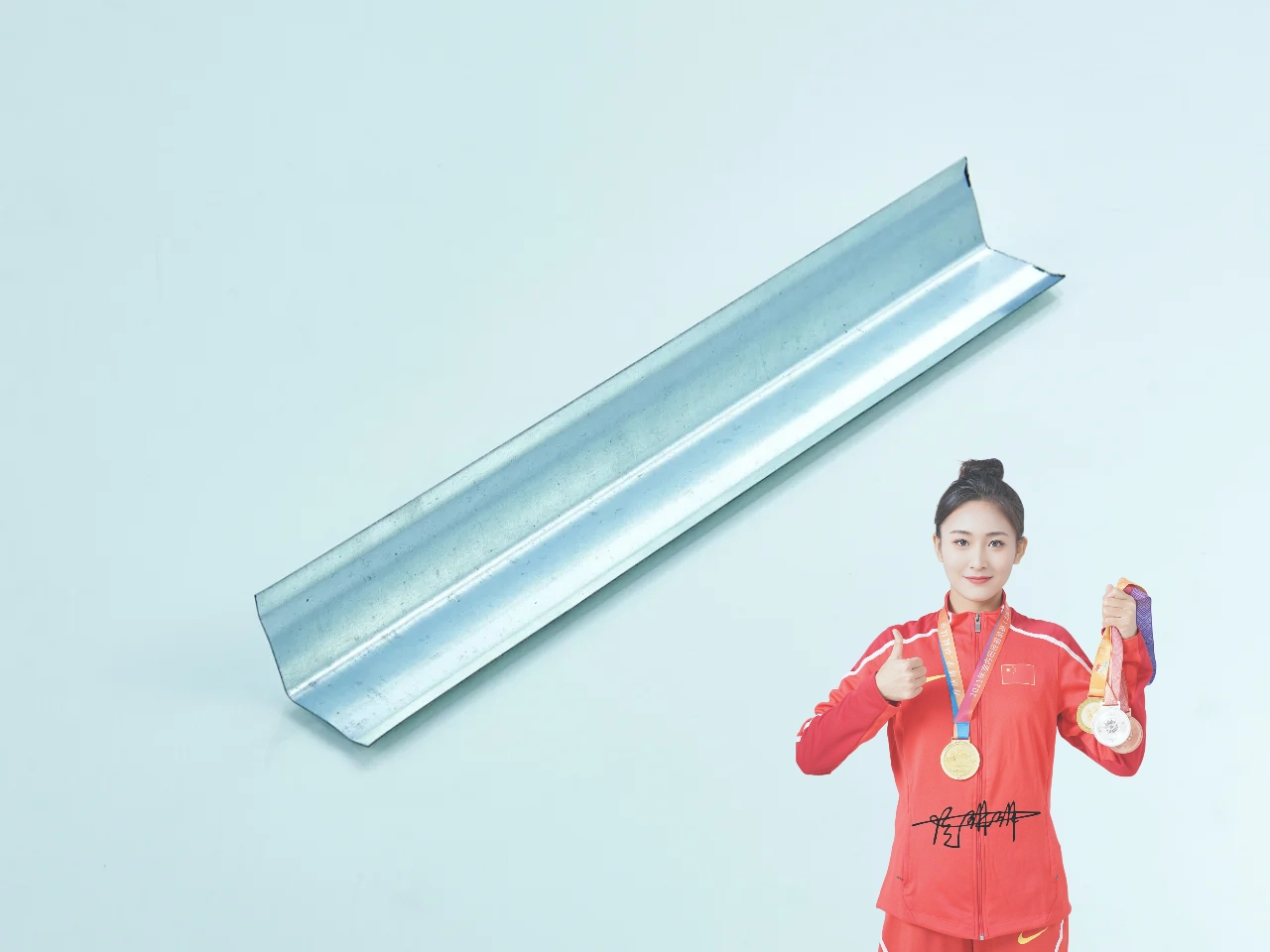
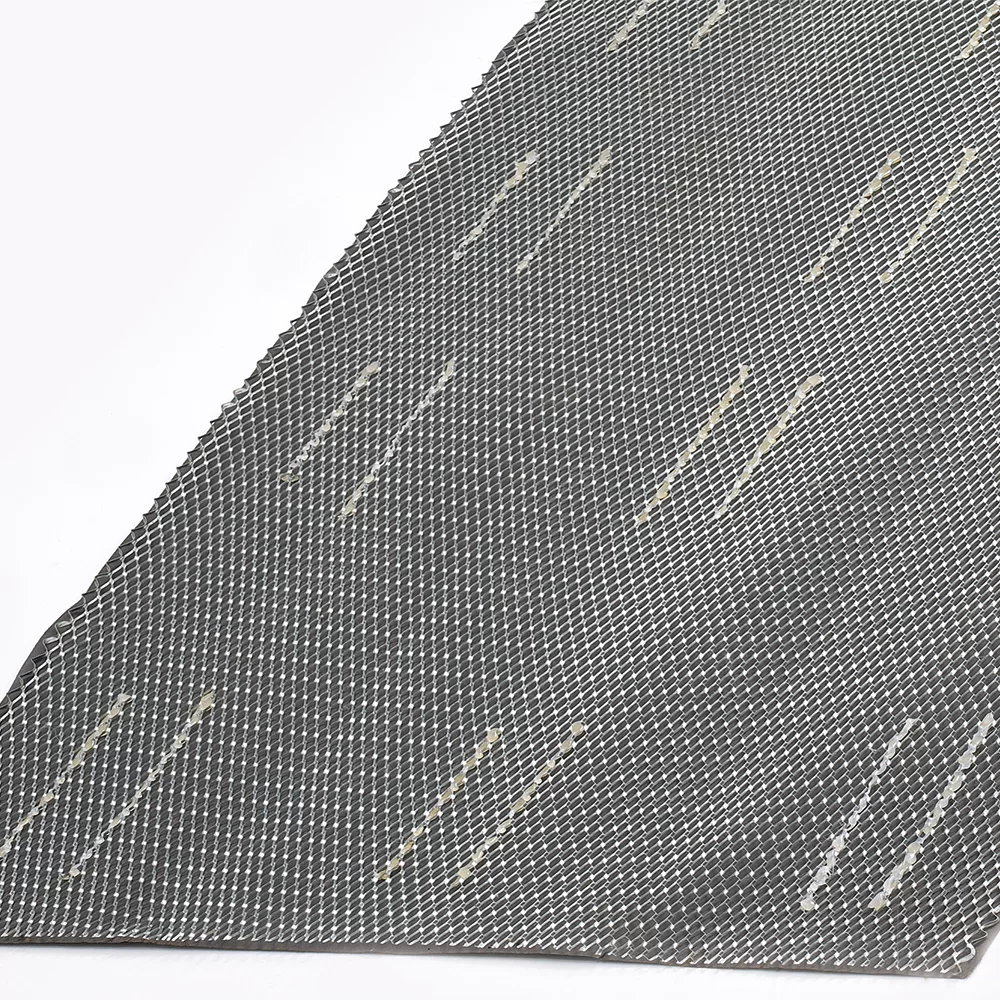
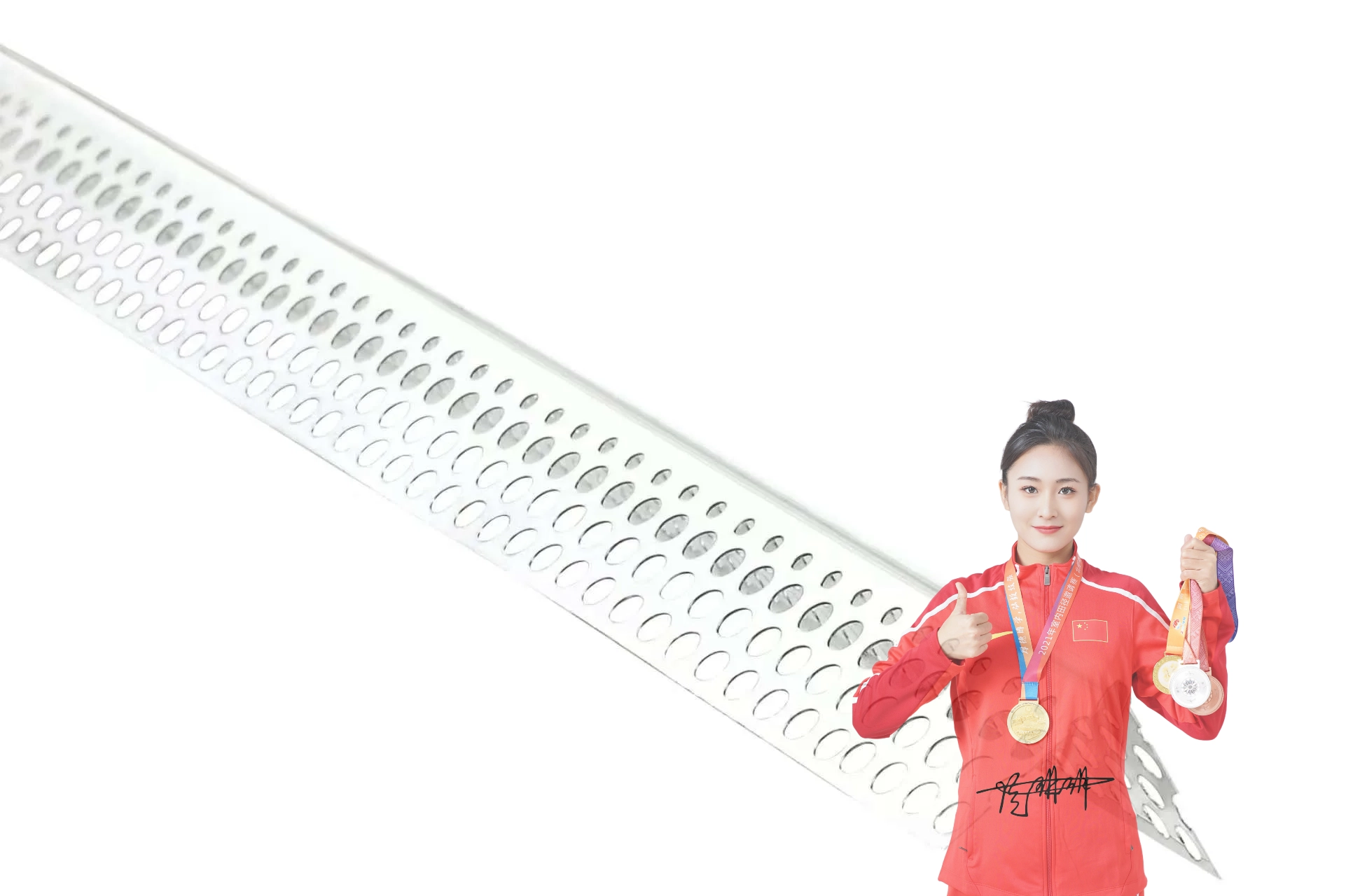
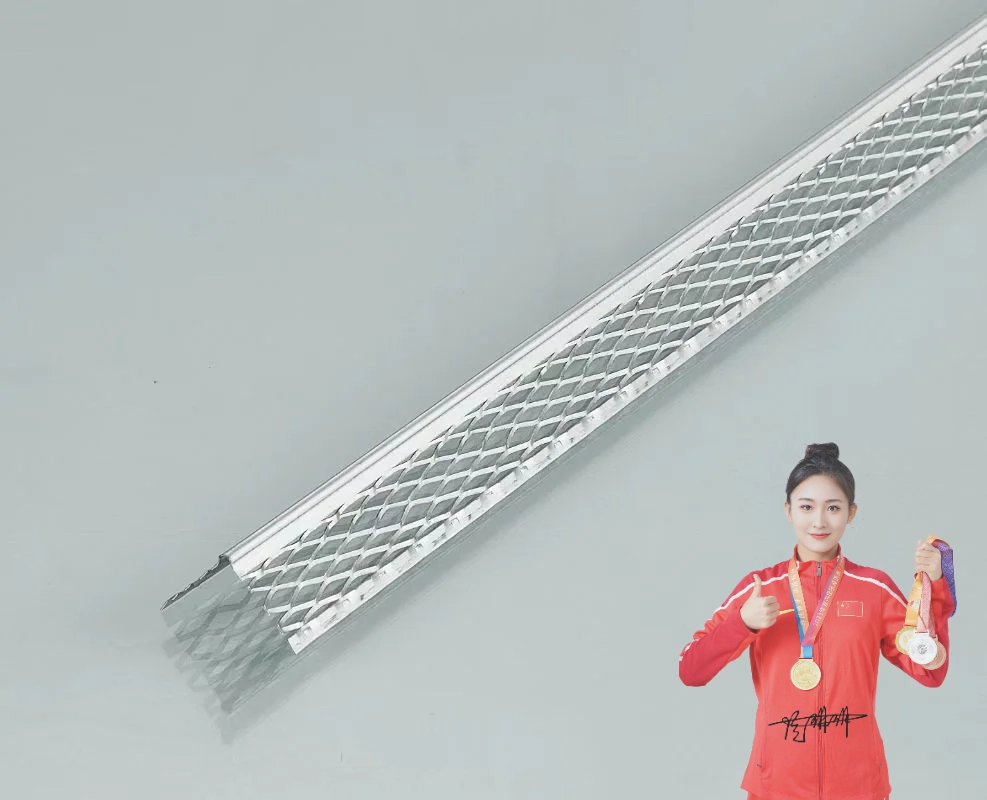
I’ve spent more hours than I care to admit on scaffolding and in plant rooms, and one product that keeps showing up—quietly doing the work—is the Perforated Mesh Sheet. Sometimes it’s dressed up as “Embossed Plaster Mesh,” like the premium-grade variant produced in Raoyang County (No. 11, Zongqi Road, Economic Development Zone, Hengshui, Hebei)—a place many façade contractors mention with a nod, because consistency matters. In fact, this embossed texture gives plaster and render something to really grip. Simple idea, big difference.
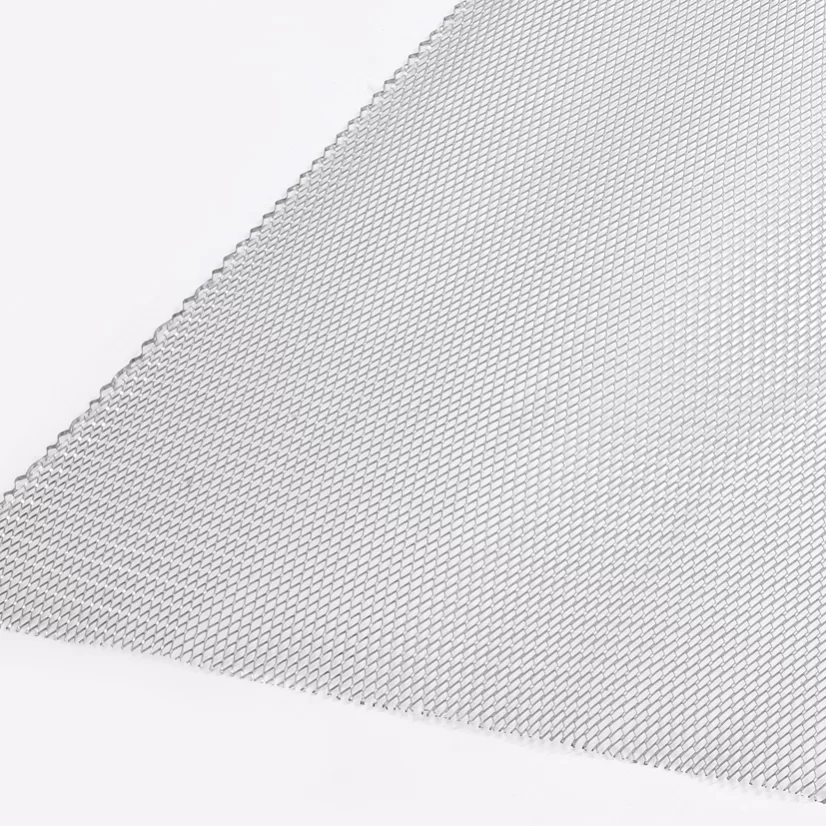
Where the market is going (and why it matters)
Two trends: retrofits that demand crack control, and energy-efficient envelopes that still need breathable layers. Contractors want Perforated Mesh Sheet that handles movement, improves adhesion, and passes salt-spray and fire-safety requirements. Honestly, we also want it to arrive straight, flat, and on time.
Typical specifications
| Parameter | Spec (≈, real-world use may vary) |
|---|
| Material | Galvanized steel (EN 10346 DX51D+Z), Stainless 304/316 (ASTM A240), Aluminum 3003/5052 |
| Thickness | 0.3–1.0 mm (plaster use tends to 0.4–0.7 mm) |
| Perforation | Round Ø3–10 mm, staggered 60°; open area ≈ 25–45% |
| Emboss texture | Low-profile raised pattern for enhanced keying (plaster/stucco) |
| Sheet size | 1.0×2.0 m, 1.2×2.4 m, or coil; custom on request |
| Finish | Z275 galvanizing, passivation; optional polyester powder coat |
Process flow (shop-floor reality)
- Coil sourcing and certification (mill certs, heat numbers)
- CNC perforation (coil-fed press), deburring, leveling
- Embossing pass for plaster grip; edge trimming
- Coating: galvanized as-rolled or powder coat; DFT testing (ISO 2178)
- Lab checks: salt spray (ASTM B117 / ISO 9227), tensile (ASTM A370 sampling), adhesion (cross-hatch)
- Packing: flat-sheet skid or coil wrap with corner guards
Service life? For Z275 in non-coastal facades: around 10–20 years; stainless 316 can push 25–40 years. I guess site conditions always win, though.
Applications we actually see
- Plaster/stucco reinforcement on blockwork and masonry (crack control)
- Render carriers over EPS/XPS in ETICS-like assemblies (check system approvals)
- Acoustic panels (perforation patterns tuned for NRC)
- Ventilation screens, safety guards, light partitions, even agricultural drying racks. Surprisingly versatile.
Why builders pick it
Better adhesion, predictable flatness, and consistent perforations. Many customers say the embossed plaster variant cuts callbacks on hairline cracking by “a noticeable amount”—not a lab metric, but it matters on Friday handovers.

Vendor snapshot (my shortlist notes)
| Vendor |
Strengths |
Watchouts |
|---|
| Raoyang Manufacturer (Embossed Plaster Mesh) |
Emboss expertise, fast tooling tweaks, test lab (B117 ≥ 500 h no base metal rust on Z275+powder) |
MOQ around 500–1,000 m² for specials |
| Generic Trading Co. |
Broad catalog, flexible payment |
Inconsistent flatness; variable coating control |
| Low-Cost Overseas Fab |
Aggressive pricing |
Lead-time swings, limited documentation |
Customization and QA
Hole pattern tuning (round/square/slots), emboss depth, alloy swap for coastal sites, and coil-to-length runs are all doable. Ask for certificates: ISO 9001, coating reports, and salt-spray data. Also, insist on DIN 24041 layout docs for perforation geometry—it saves headaches.
Mini case files
- Coastal villa render rehab: 316 stainless Perforated Mesh Sheet, 6 mm round, powder-coated; no blistering after 720 h NSS. Client feedback: “costly, but zero callbacks.”
- University hall acoustic panels: 1.2 mm aluminum 5052, 20% open area; NRC up by ≈0.15 after retuning perforation pitch.
Compliance quick list
Check EN 10346 (galv steel), ASTM A240 (stainless sheet), DIN 24041 (perforated plates), ASTM B117/ISO 9227 (salt spray). For façade systems, confirm fire performance per EN 13501-1, and where relevant, ETICS system approvals.
Author’s note: I visited the Raoyang site last year—tidy line, decent coil handling. Not a sales pitch, just what I saw.
References
- ASTM B117: Standard Practice for Operating Salt Spray (Fog) Apparatus.
- ASTM A240/A240M: Standard Specification for Chromium and Chromium-Nickel Stainless Steel Plate, Sheet, and Strip.
- EN 10346: Continuously hot-dip coated steel flat products.
- DIN 24041: Perforated plates — Terminology, types of holes, arrangement of holes.
- EN 13501-1: Fire classification of construction products and building elements.