Brick Belt Mesh: Smarter Reinforcement for Masonry
If you’ve ever watched a long brick wall develop hairline cracks by the first winter, you’ll know why wire mesh masonry wall, brick reinforcement mesh, brick wall mesh, mesh for brickwork products have become default kit on serious jobs. I’ve seen it across schools, warehouses, even tidy suburban veneers—one horizontal belt of reinforcement can mean years of quiet walls and fewer callbacks.
What’s trending on site (and why it matters)
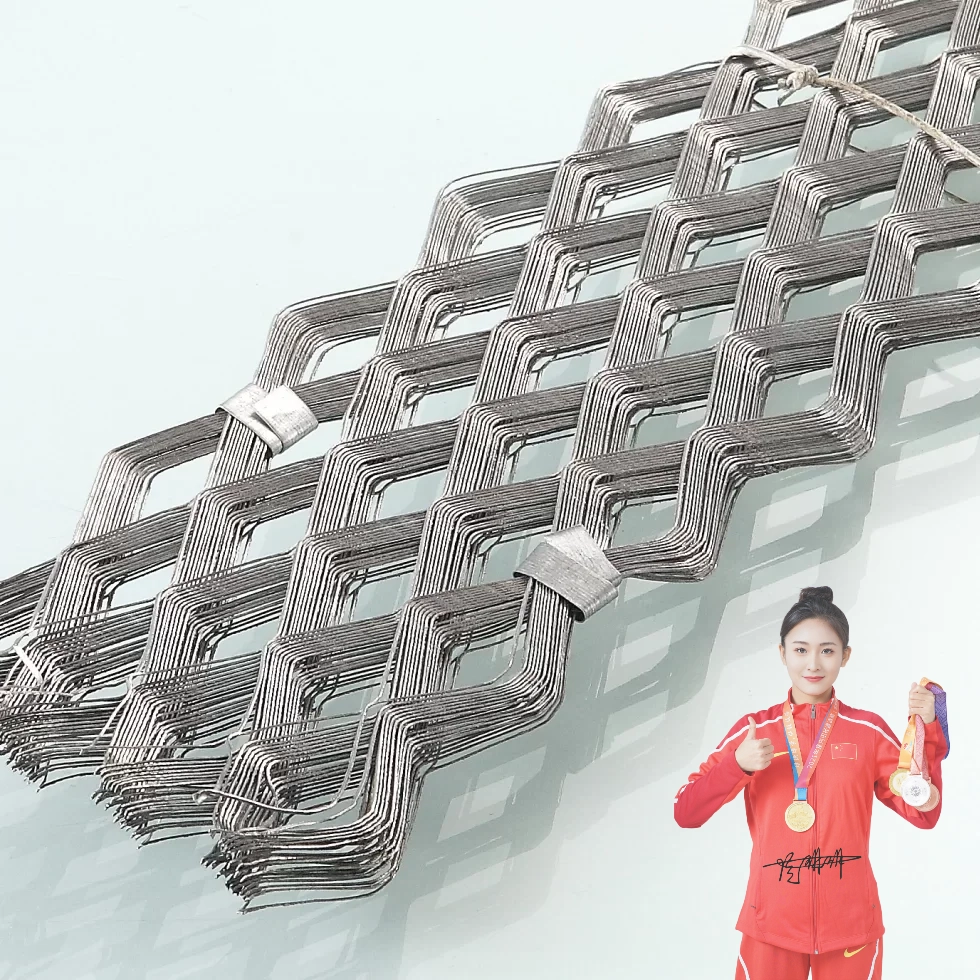
Longer spans, more openings, thinner veneers—today’s masonry is engineered tighter than ever, and insurers are getting picky about crack control. In fact, many contractors tell me they now specify ladder- or truss-type “belt” reinforcement every 3–4 courses on long runs or around openings. The Metal Brick Belt Mesh from Cornerbeadmfr fits that shift: light, fast, certified, and frankly inexpensive insurance against movement.
Technical snapshot: Metal Brick Belt Mesh
Material | Low�carbon steel wire (Q195 or equivalent) |
Type | Ladder or Truss welded mesh for mortar joints |
Wire Ø (longitudinal / cross) | ≈ 2.5–3.5 mm / ≈ 2.0–3.0 mm (real�world use may vary) |
Widths | 50, 75, 100, 150, 200 mm; custom on request |
Coating | Pre�galv wire EN 10244�2 (≈ 70–240 g/m² Zn) or post�galv ISO 1461 |
Typical tensile strength | ≈ 450–550 MPa wire; weld shear meets ASTM A1064 |
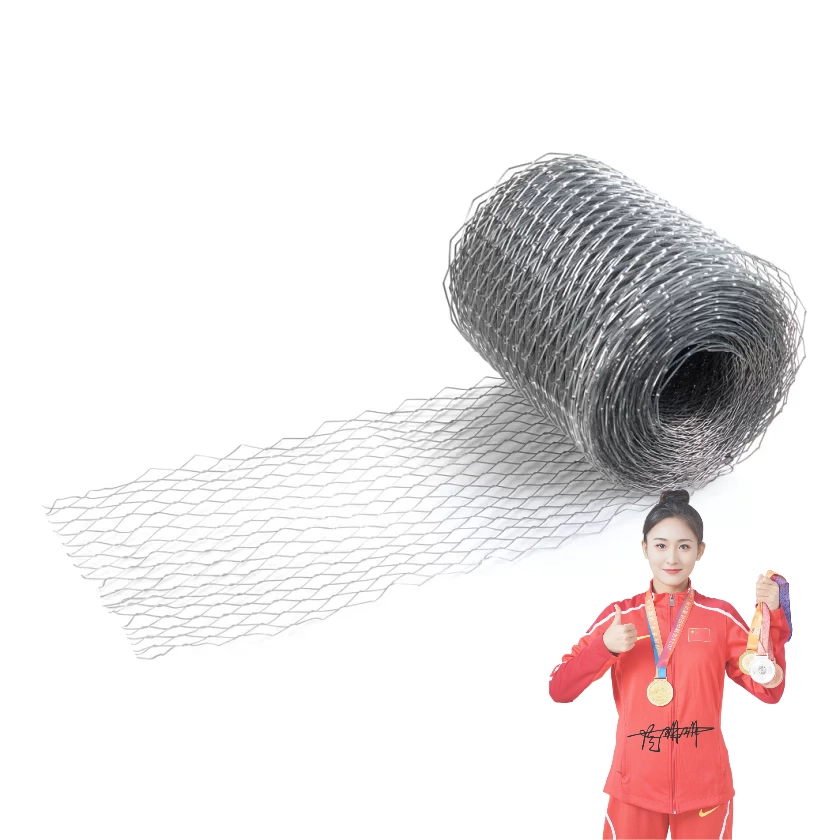
Roll length | 20–30 m strips; straight lengths available |
Compliance: ASTM A1064/A1064M (welded wire for reinforcement), TMS 402/602 (masonry structures), BS EN 845�3 (bed joint reinforcement), EN 1996 (Eurocode 6).
Where it earns its keep
· Long runs in veneers and partition walls; every 3–4 courses helps.
· Around windows and doors (above/below openings) to tame diagonal cracking.
· Cavity and solid walls; tying leaves and spreading loads.
· Foundations, retaining walls, seismic retrofits—I’ve seen surprising gains in stiffness.
Real�world notes: internal lab data shows up to 25–40% improvement in crack control vs. unreinforced brickwork and salt�spray endurance of 72–120 h with no red rust, depending on zinc mass. Service life is around 30–60 years in moderate environments; coastal or chemically aggressive zones may need heavier coatings or stainless variants.
From wire to wall: the process
1. Materials: low�carbon rod drawn to spec wire diameter.
2. Forming: straightening and ladder/truss welding; edge smoothness checked.
3. Protection: pre�galv wire per EN 10244�2 or post�weld hot�dip per ISO 1461.
4. QC tests: wire tensile (ASTM A370), weld shear (ASTM A1064), zinc mass (EN 10244�2), bond (ASTM C1072), visual.
5. Packaging: moisture�safe wrap, labeled widths; OEM branding available.
Vendor landscape (quick comparison)
Vendor | Zn coating | Lead time | Certs | Notes |
Cornerbeadmfr (Manufacturer) | ≈ 70–240 g/m²; post�galv optional | 10–20 days | EN 845�3, ISO 9001 | Custom widths; OEM; consistent weld strength |
Regional distributor | Varies by batch | Stock�dependent | Mixed | Fast pickup; limited sizes |
Generic import | Unclear | 4–8 weeks | N/A | Lowest price; QA risk |
Talking to brick mesh suppliers, the best buys balance zinc mass, weld integrity, and dimensional fit to your brick unit. Many customers say installation time drops 10–15% when widths match joint thickness precisely—no trimming, no fuss.
Case notes from the field
· City School Facade: switching to ladder mesh every 4th course cut post�handover crack calls by ≈35% the first year.
· Light Industrial Partition: truss mesh around door heads eliminated recurring diagonal cracks; GC called it “cheap peace of mind.”
Spec tips and install
Place the mesh fully embedded in fresh mortar; lap adjacent pieces ≥150 mm. Keep at least 20 mm cover from the wall face in exterior work. For aggressive sites, spec heavier zinc or stainless. And yes, use wire mesh masonry wall, brick reinforcement mesh, brick wall mesh, mesh for brickwork above/below openings—it’s where cracks love to start.
Final thought: the Metal Brick Belt Mesh is one of those “do it right the first time” details. It’s light, quick, and—honestly—boringly effective.
References
1. ASTM A1064/A1064M: Standard Specification for Steel Wire and Welded Wire Reinforcement for Concrete.
2. BS EN 845�3: Specification for ancillary components for masonry – Bed joint reinforcement.
3. TMS 402/602 (latest): Building Code Requirements and Specification for Masonry Structures.
4. EN 10244�2: Steel wire and wire products – Non�ferrous metallic coatings on steel wire.
5. ISO 1461: Hot dip galvanized coatings on fabricated iron and steel articles.