Brick Mesh That Saves Walls: 2025 Buyer’s Guide
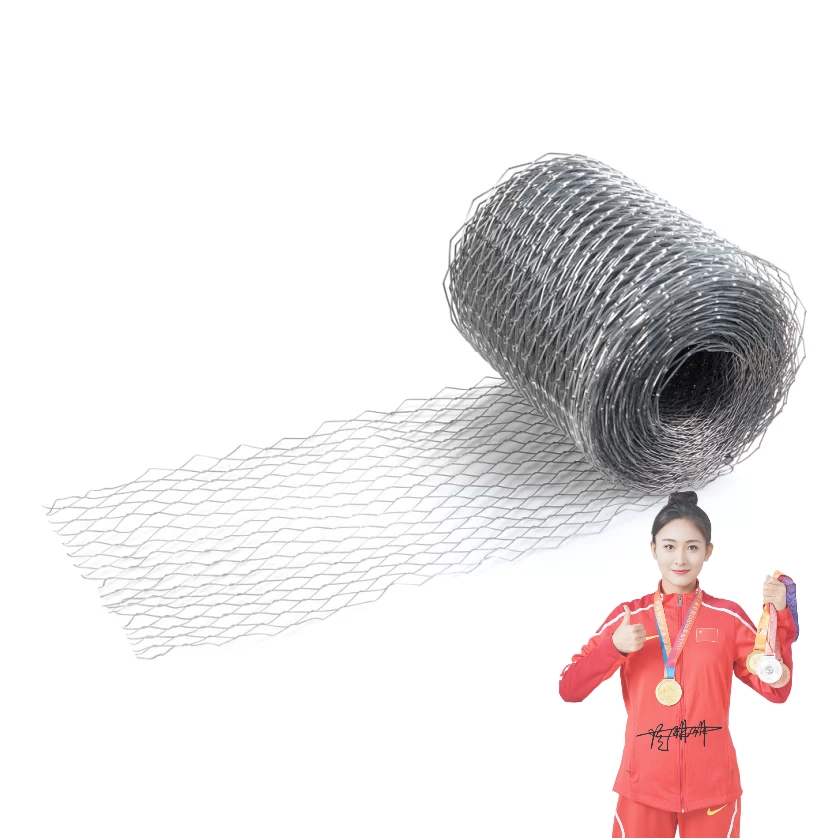
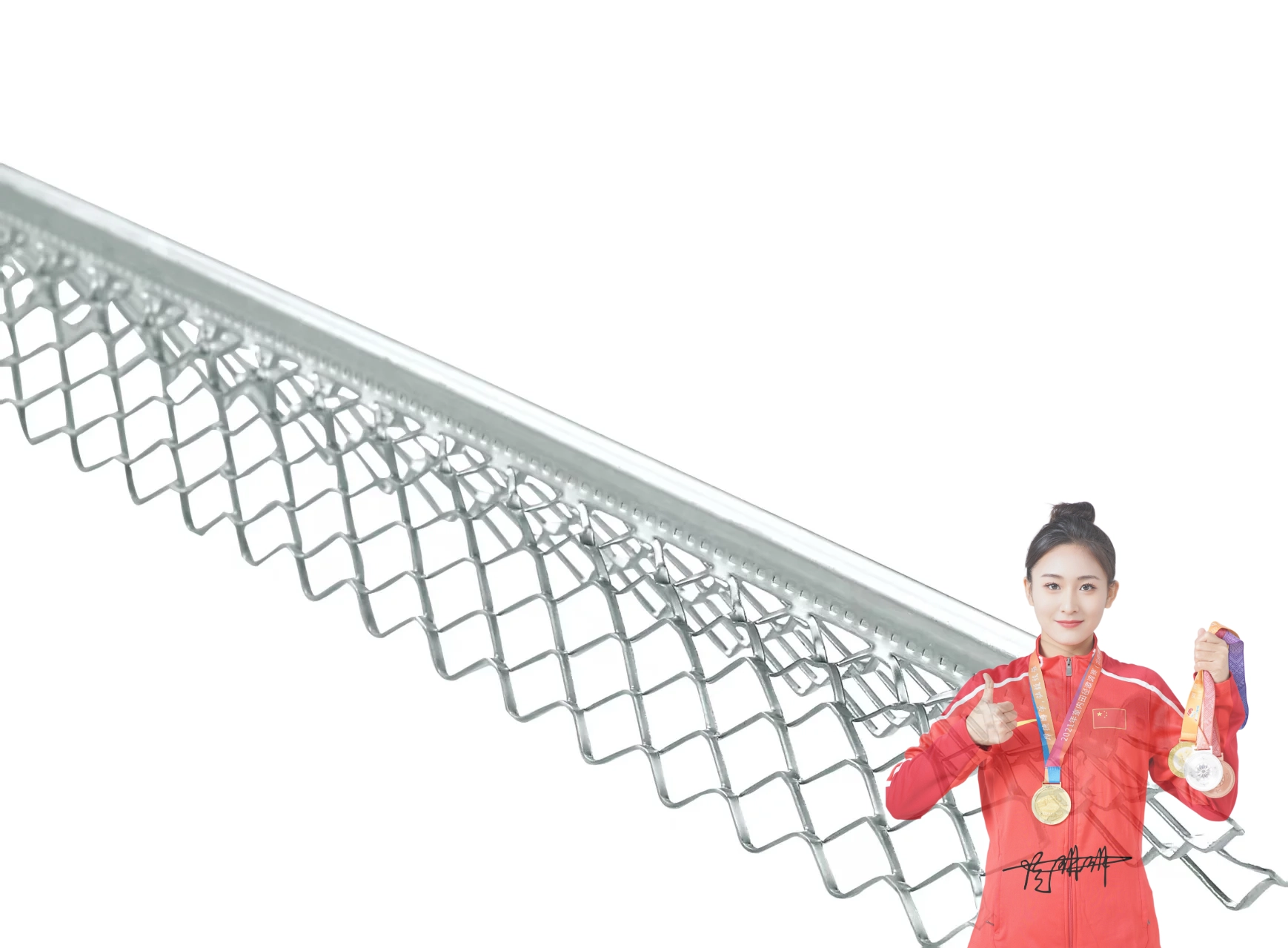
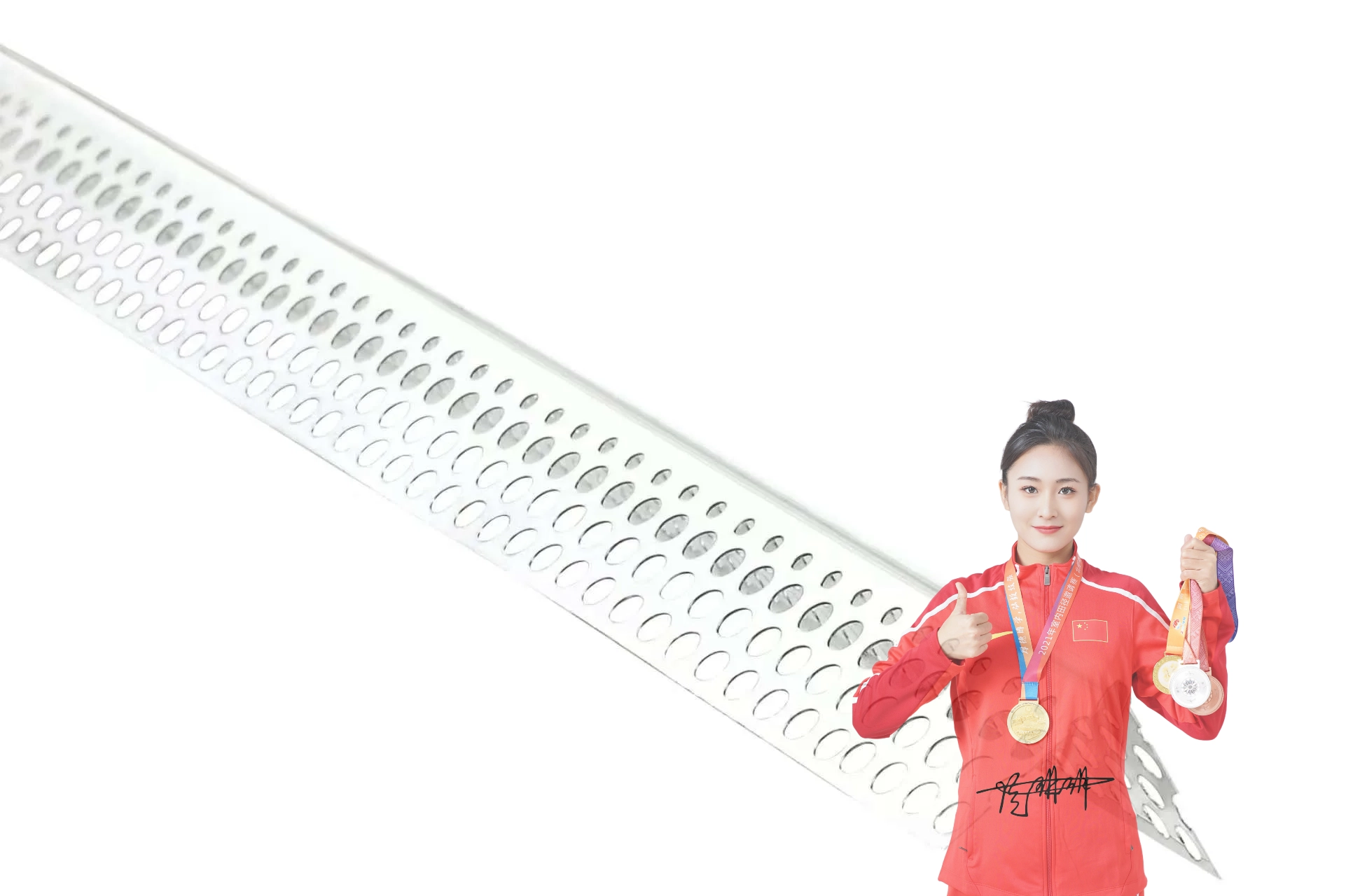
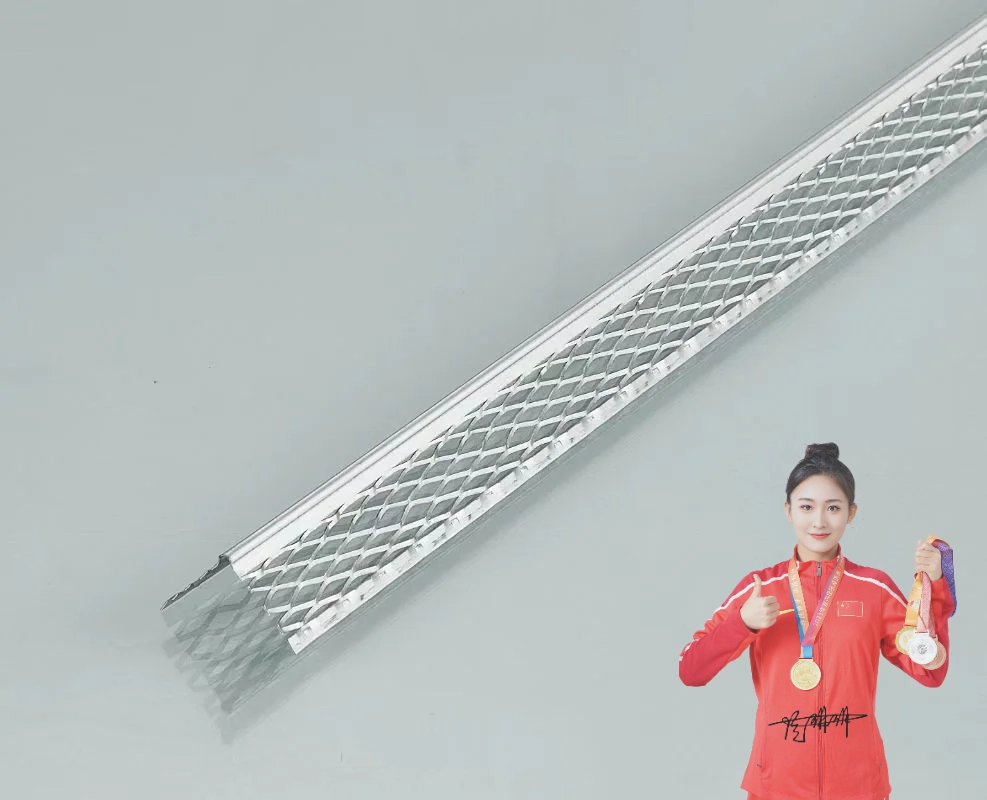
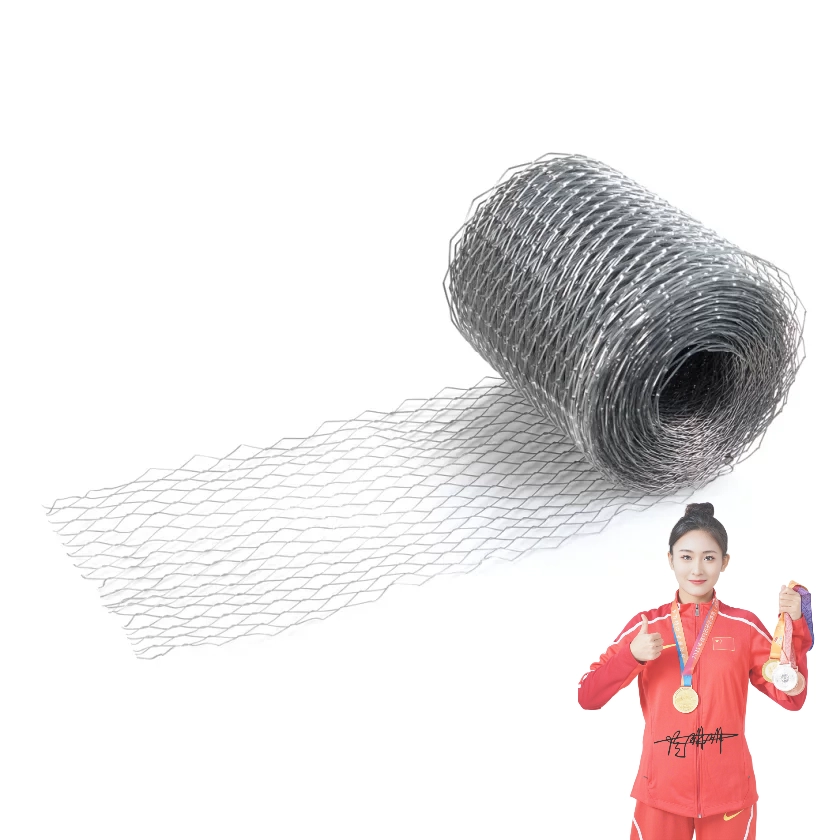
[brick reinforcement mesh, stainless steel brick reinforcement mesh, brick mesh] is one of those quiet heroes on site—easy to miss, but you notice when it isn’t there. I’ve watched long wall runs stay tight through two winters simply because the crew kept a steady rhythm of mesh in the bed joints. Sounds simple; actually, the specs matter a lot.
What’s trending on site in 2025
· More stainless in coastal/chemical zones to dodge corrosion callbacks.
· Truss patterns returning for lateral stability on tall, slender walls.
· Spec writers citing EN 845-3 or ASTM A951 more explicitly—fewer “like-for-like” assumptions.
· Contractors want faster installs: pre-cut widths, labeled rolls, clean welds.
Product snapshot: Metal Brick Belt Mesh
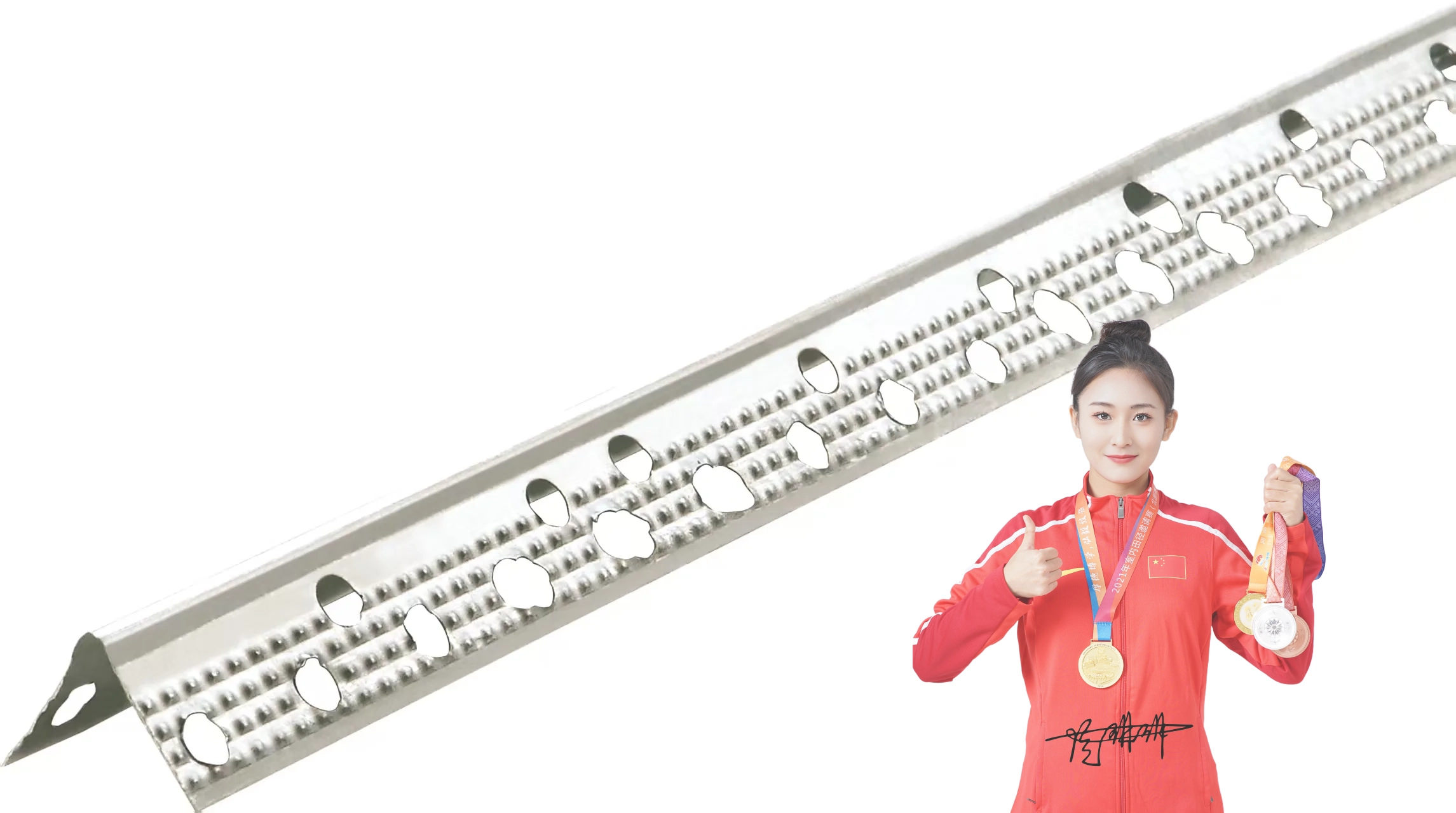
A galvanized, ladder/truss-style strip laid into mortar joints to tie masonry together. It spreads tensile and shear forces so walls resist cracking from settlement, temperature swings, and vibration. Lightweight, easy to snip, and compatible with clay brick, block, and stone. Many customers say it’s the cheapest insurance on the wall.
Spec | Typical Range | Notes |
Pattern | Ladder or Truss | Truss for lateral, ladder for crack control |
Widths | 50–200 mm (≈ 2–8 in) | Match wall/leaf thickness |
Wire diameter | 2.5–5.0 mm | Heavier wires for load-bearing |
Material | Carbon steel (galv) or 304/316 SS | 316 for marine/acidic zones |
Coating | Zinc ≥ 70–275 g/m² | Per EN 845-3 / ISO 1461 class; real-world may vary |
Standards | ASTM A951, EN 845-3 | Stainless wire to ASTM A580 |
How it’s made (and tested)
Materials: low-carbon steel wire or 304/316 stainless. Methods: precision straightening, resistance welding of cross wires, then galvanizing (pre- or post-weld depending on spec). QC: wire diameter tolerance checks, weld shear tests, coating thickness measurements. Typical factory data: cross-weld shear ≥ 1.4–2.5 kN; zinc coating verified by magnetic gauge per ISO 1461 guidelines. Service life: galvanized ≈ 50–75 years in low-to-moderate exposure; stainless can exceed 100 years, depending on environment.
Where it earns its keep
· Long wall runs, parapets, and veneer facades (crack control).
· Above/below openings to tame diagonal cracks near corners.
· Cavity and solid walls, including seismic retrofit strips (check local code).
· Foundations and retaining brickwork for load distribution.
If you need brick reinforcement mesh in aggressive environments, step up to stainless steel brick reinforcement mesh. For interior or mild climates, galvanized brick mesh still delivers strong cost-to-performance.

Vendor landscape (what I’ve seen)
Vendor type | Strengths | Watch-outs |
Factory brand (export) | Custom widths, fast lead times, OEM packs, test reports | MOQ may apply; verify coating class |
Regional distributor | Local stock, rapid delivery, tech support | Limited stainless options at times |
General marketplace | Lowest sticker price | Spec mismatch risk; sparse documentation |
Tip: when comparing brick mesh suppliers, ask for weld shear data, coating certificates, and clear reference to ASTM/EN clauses.
Customization and documentation
· Widths cut to leaf size; ladder or truss; 2.5–5.0 mm wires.
· Galvanized (pre/post-weld) or 304/316 stainless options.
· Submittals: mill certs, coating thickness reports, weld tests, CE/UKCA where applicable.
Field notes: two quick case studies
School expansion, Midwest USA: switching to truss-type galvanized strips every second course cut visible cracking by an estimated 60% over two seasons (maintenance logs). Coastal townhouse, NSW: 316 stainless at openings and parapets—zero staining and tight joints after storm season; builder called it “one less headache.”
Standards and references
1. ASTM A951/A951M – Standard Specification for Masonry Joint Reinforcement.
2. EN 845-3 – Spec for ancillary components for masonry: bed joint reinforcement.
3. TMS 402/602 – Building Code/Specs for Masonry Structures (USA).
4. ISO 1461 – Hot dip galvanized coatings on fabricated iron and steel articles.
5. ASTM A580/A580M – Stainless Steel Wire Specification.