Brick Wall Mesh Guide: Specs, Uses, and Buying Tips
If you’ve ever watched a long masonry wall survive a winter without spider cracks, there’s a good chance a quiet hero was hiding in the joints: brick mesh, mesh between bricks, mesh for brick wall, brick wall mesh. On site, masons tell me the same thing: it’s inexpensive insurance. And in seismic or high-traffic zones, it’s frankly a no�brainer.
What it is (and where the industry is headed)
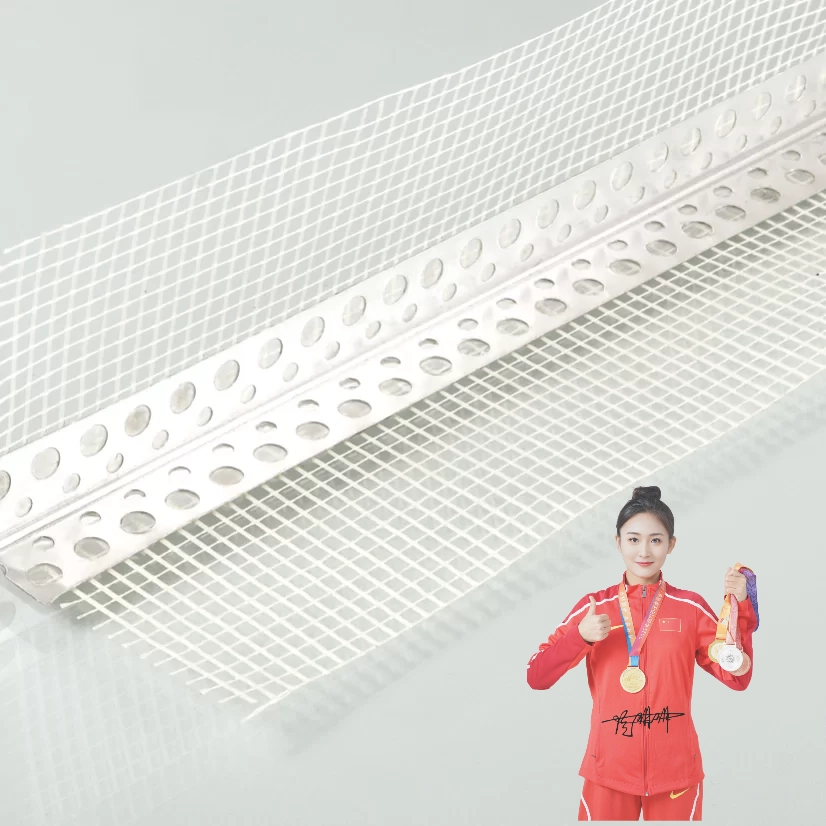
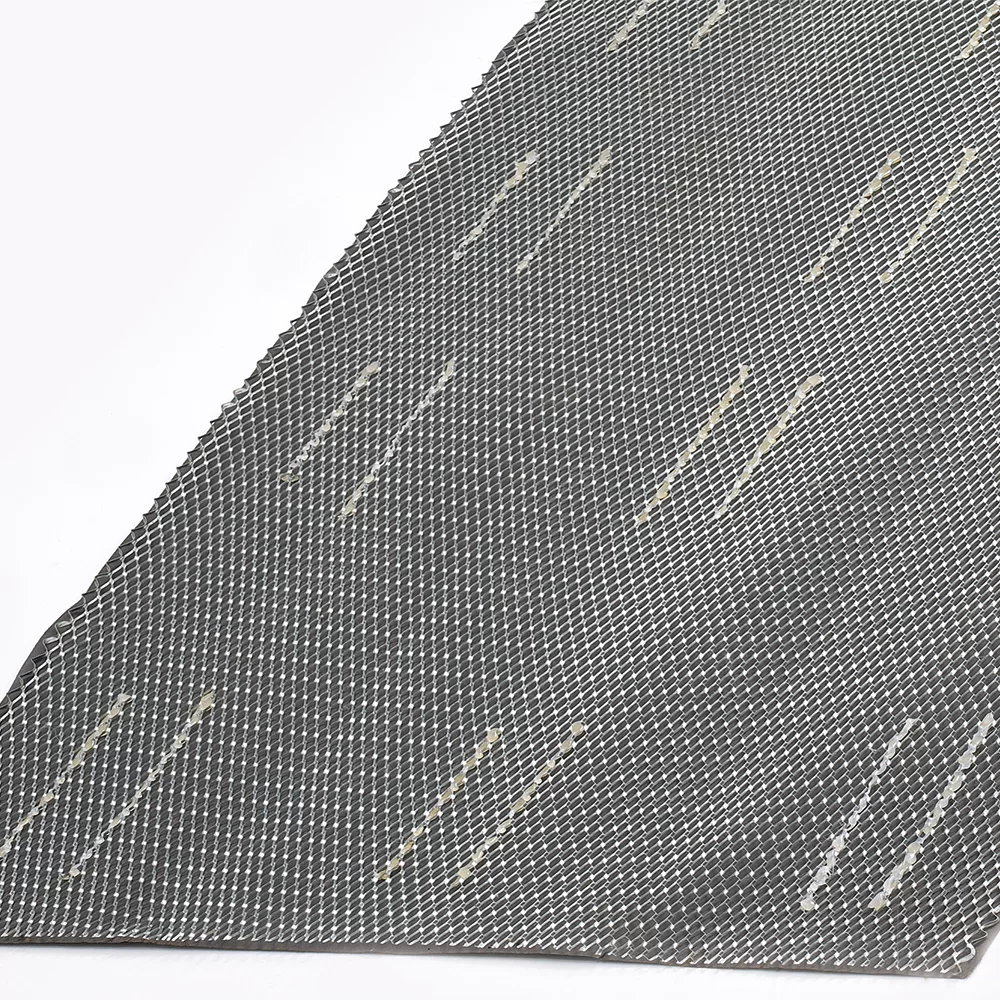
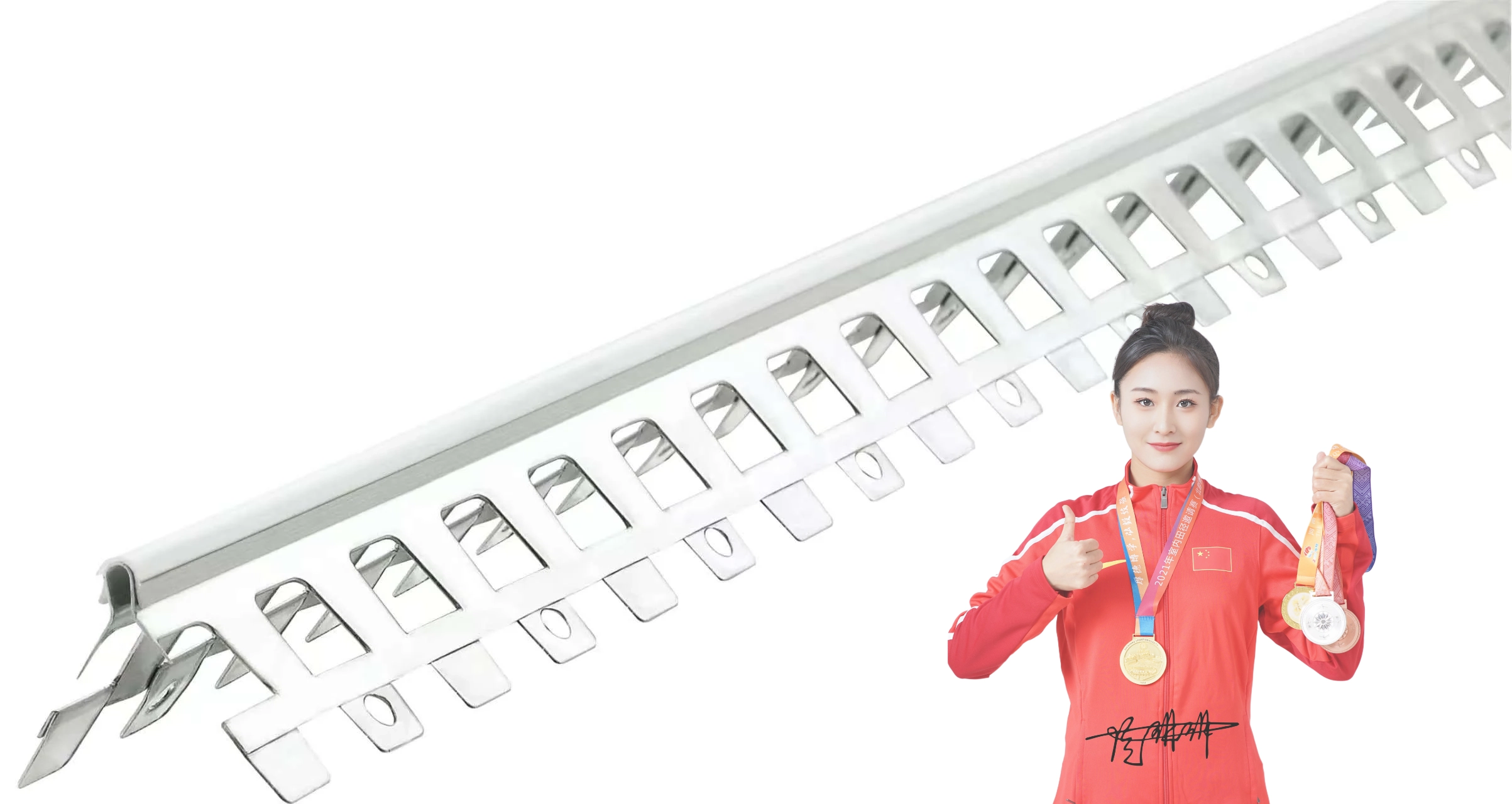
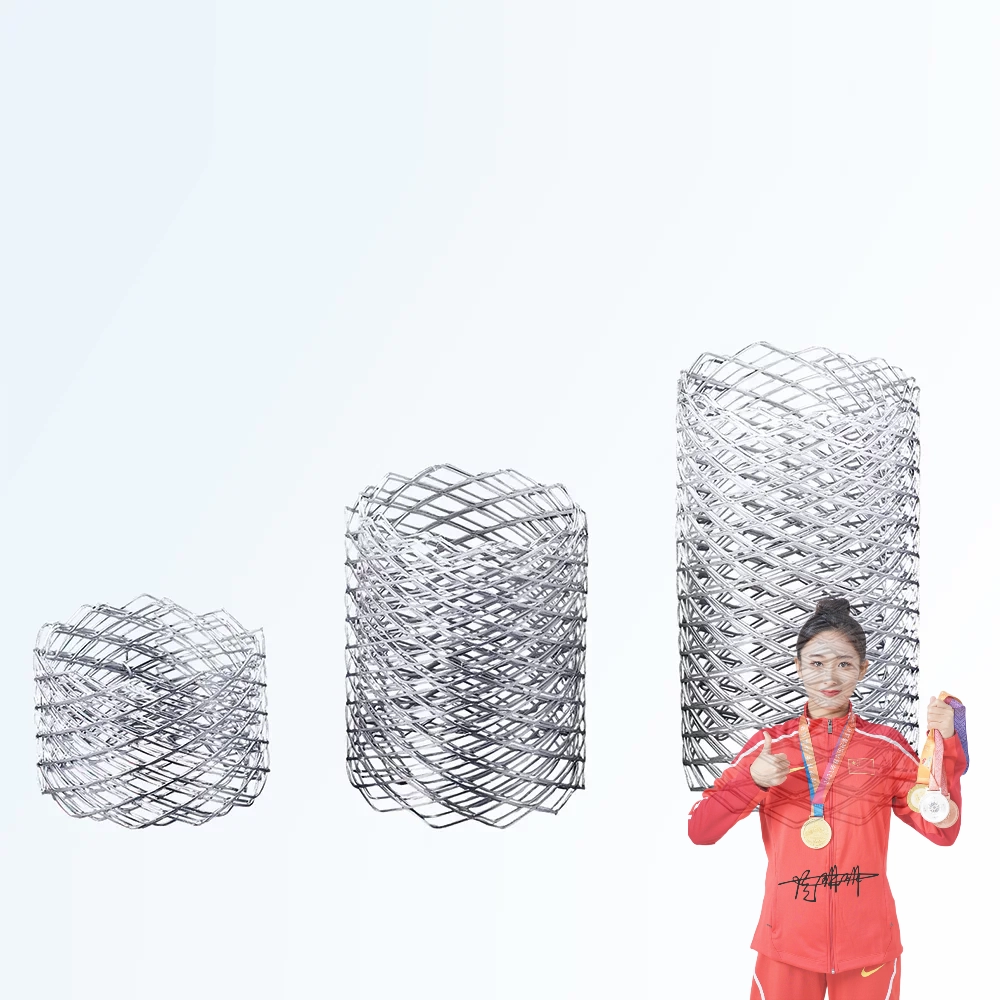
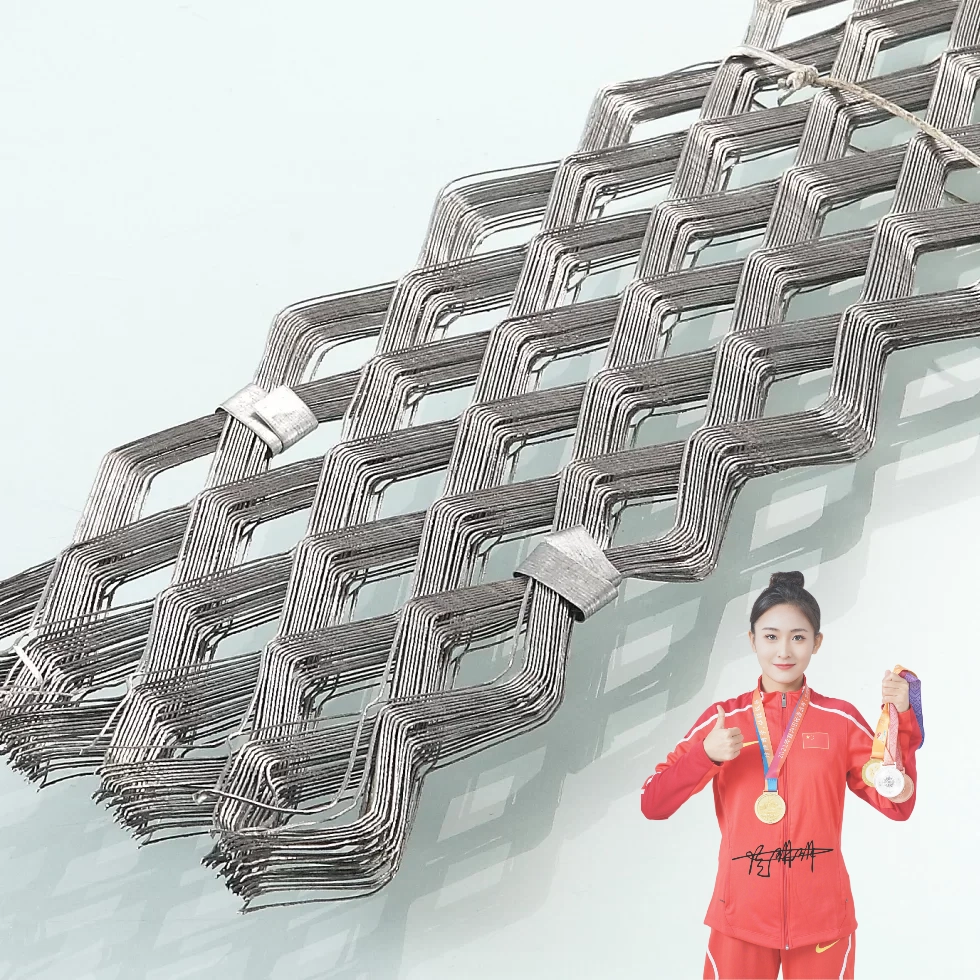
Metal Brick Belt Mesh is a galvanized, ladder- or truss-type welded wire strip embedded in mortar joints. It ties courses together, redistributes loads, and dampens the little movements that make cracks. Trends? More projects now specify corrosion classes by exposure, tighter QC on zinc thickness, and broader use in veneer systems and retrofits. Sustainability goals are pushing repeatable, testable reinforcement over “hope and a prayer” construction.
Process, materials, and quality checks
Wire starts as low�carbon steel (≈Q195/Q235), drawn to diameter, then resistance-welded into ladder or truss patterns. After welding, a zinc coating (pre�galv or post�galv) protects against corrosion. Rolls are straightened, slit to width, and batch-verified.
· Methods: resistance welding; continuous galvanizing (typ. Z180–Z275 g/m²), stainless option for marine zones.
· Testing: wire tensile per ASTM A82/A1064; joint reinforcement per ASTM A951 / BS EN 845�3; weld shear and coating mass spot-checked.
· Service life: ≈50–75 years interior; ≈25–50 years semi�exposed (real�world use may vary by mortar alkalinity, salt load).
· Industries: residential, schools, logistics centers, healthcare, transit hubs, and façade retrofit.
Product specifications (typical)
Parameter | Spec (approx.) |
Pattern | Ladder or Truss |
Wire diameter | 2.5–4.0 mm |
Standard widths | 60, 100, 150, 200 mm (custom on request) |
Galv. coating | Z180–Z275 g/m²; SS 304/316 optional |
Cross-wire spacing | ≈400 mm |
Roll length | 20–30 m (typ.) |
Compliance | ASTM A951; BS EN 845�3 |
Test snapshot: wire UTS ≈ 500–650 MPa; weld shear ≥ 500 N (sample-based). Mortar embedment depth should fully cover wires—sounds obvious, but I’ve seen rush jobs skimp and pay for it later.
Where it shines
· Long wall runs to control shrinkage and thermal cracking.
· Above/below windows and doors to blunt stress concentrations.
· Cavity walls and veneers to tie wythes and improve out-of-plane stability.
· Foundations, retaining walls, seismic retrofits—anywhere movement is expected.
Installation is simple: bed the strip in fresh mortar, keep it centered, and overlap adjacent pieces ≥150 mm. To be honest, the neatness of placement matters as much as the spec sheet.
Vendor comparison (real-world buying notes)
Criteria | Metal Brick Belt Mesh | Budget Import | Premium EU Brand |
Steel & coating | Q195/Q235; Z180–Z275 | Unknown; Z80–Z140 (varies) | Certified; Z275+ |
Weld shear | ≥500 N (typ.) | Inconsistent | High, documented |
Dimensional tolerance | Tight; QC on width/straightness | Variable | Tight |
Lead time / MOQ | Fast / flexible | Fast, but MOQ strict | Moderate / fixed |
Price | Value-balanced | Lowest upfront | Highest |
Customization and certifications
Widths cut to your wall, private-label cartons for distributors, OEM packs, and stainless variants for coastal jobs. Certificates: ISO 9001 factory QA; batch test sheets; CE marking where applicable. Many customers say the paperwork saves time with inspectors.
Case notes from the field
· Warehouse façade (150 m run): crack callbacks dropped to near zero after switching to truss-type strips at every third course.
· School retrofit (seismic upgrade): engineers specified stainless around openings; “Installation was quick, overlap was clean,” the site foreman told me.
If you’re shortlisting brick mesh suppliers, check coating class, weld shear data, and real certificates—then price. And yes, keep specs consistent across lots.
Final reminder: brick mesh, mesh between bricks, mesh for brick wall, brick wall mesh only works as intended when fully embedded and properly overlapped. Simple, but essential.
Authoritative references
1. ASTM A951/A951M – Standard Specification for Masonry Joint Reinforcement.
2. BS EN 845-3 – Specification for ancillary components for masonry: Bed joint reinforcement.
3. TMS 402/602 – Building Code Requirements and Specification for Masonry Structures.
4. ASTM A1064 – Standard Specification for Carbon-Steel Wire and Welded Wire Reinforcement.