A Field Guide to Ceiling Accessories and the Components Behind a True Flat Line
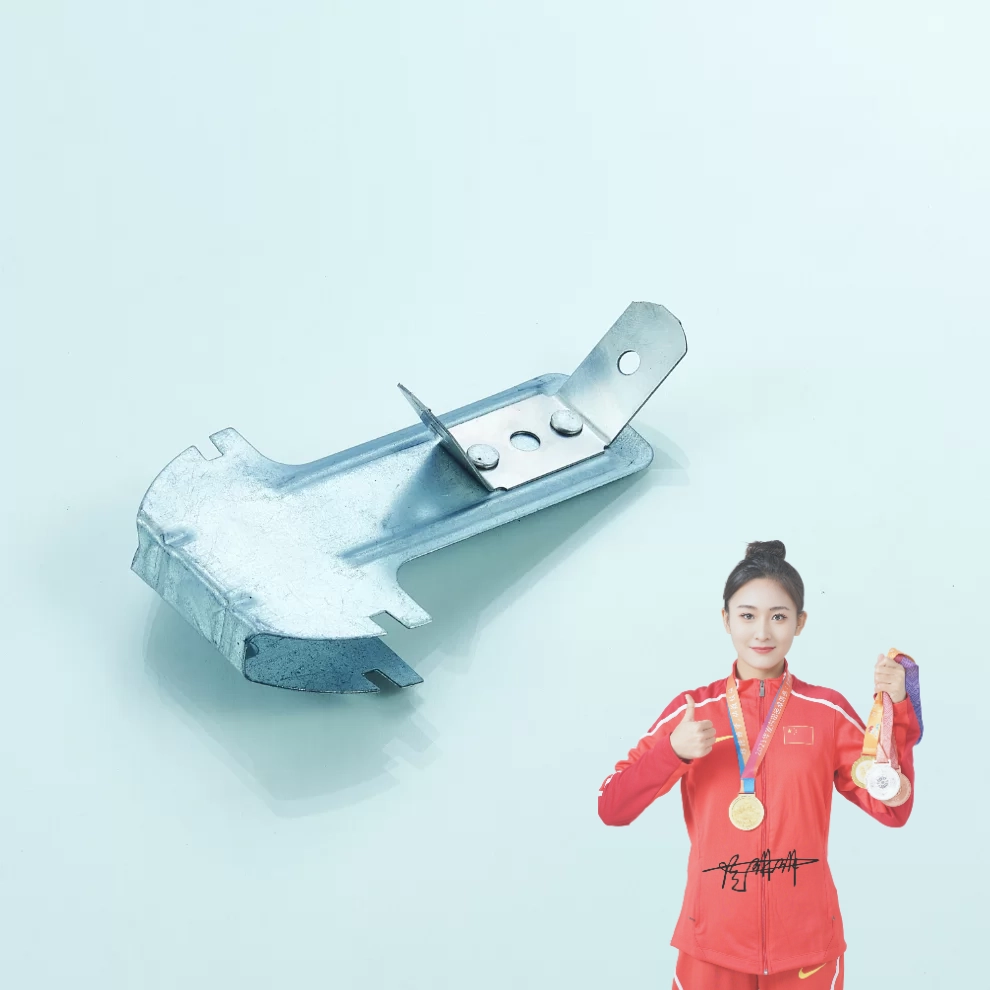
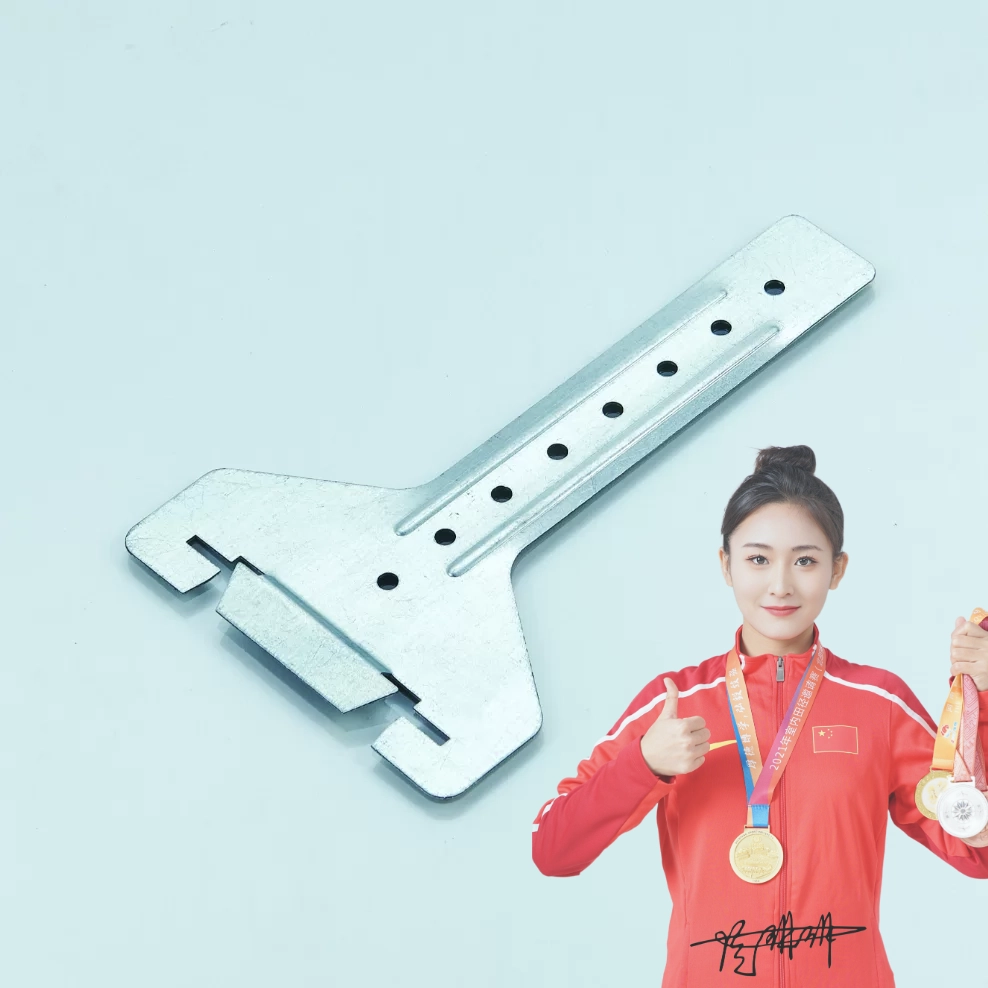
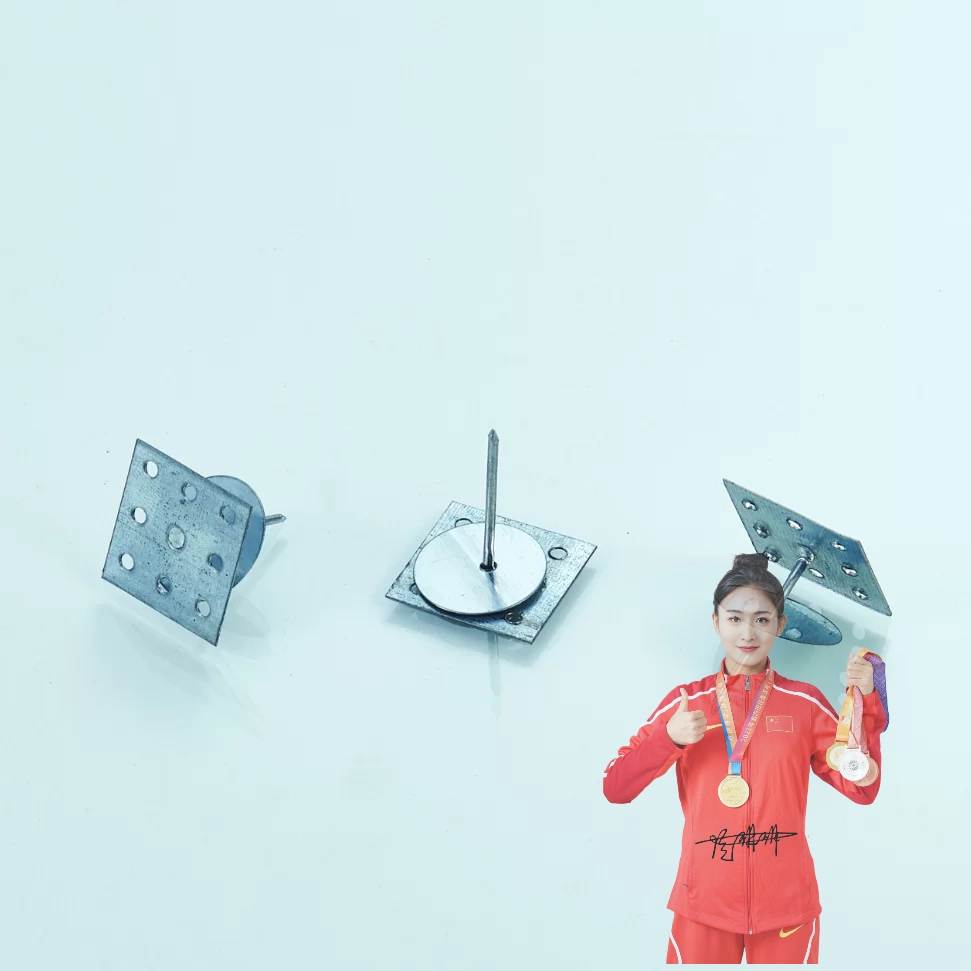
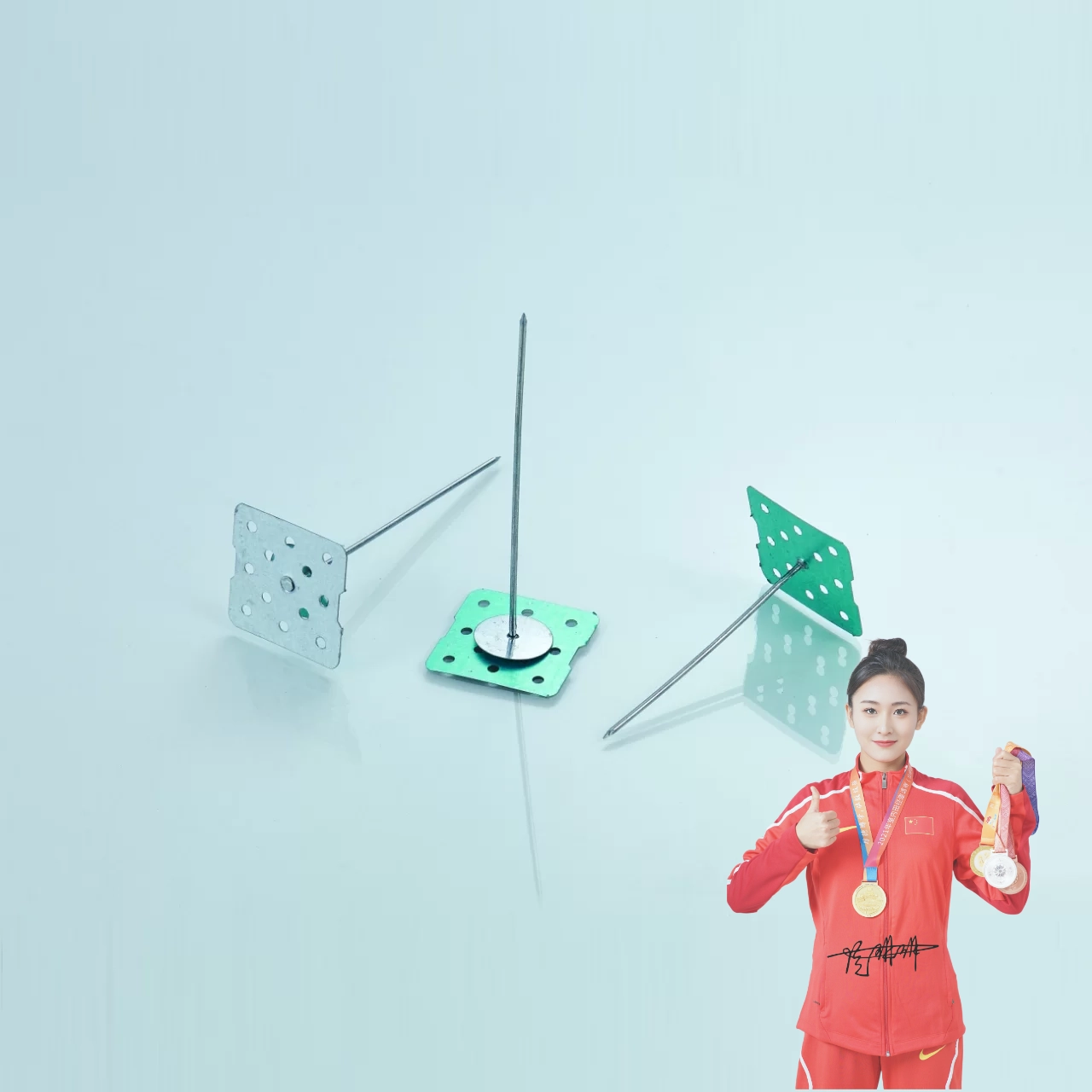
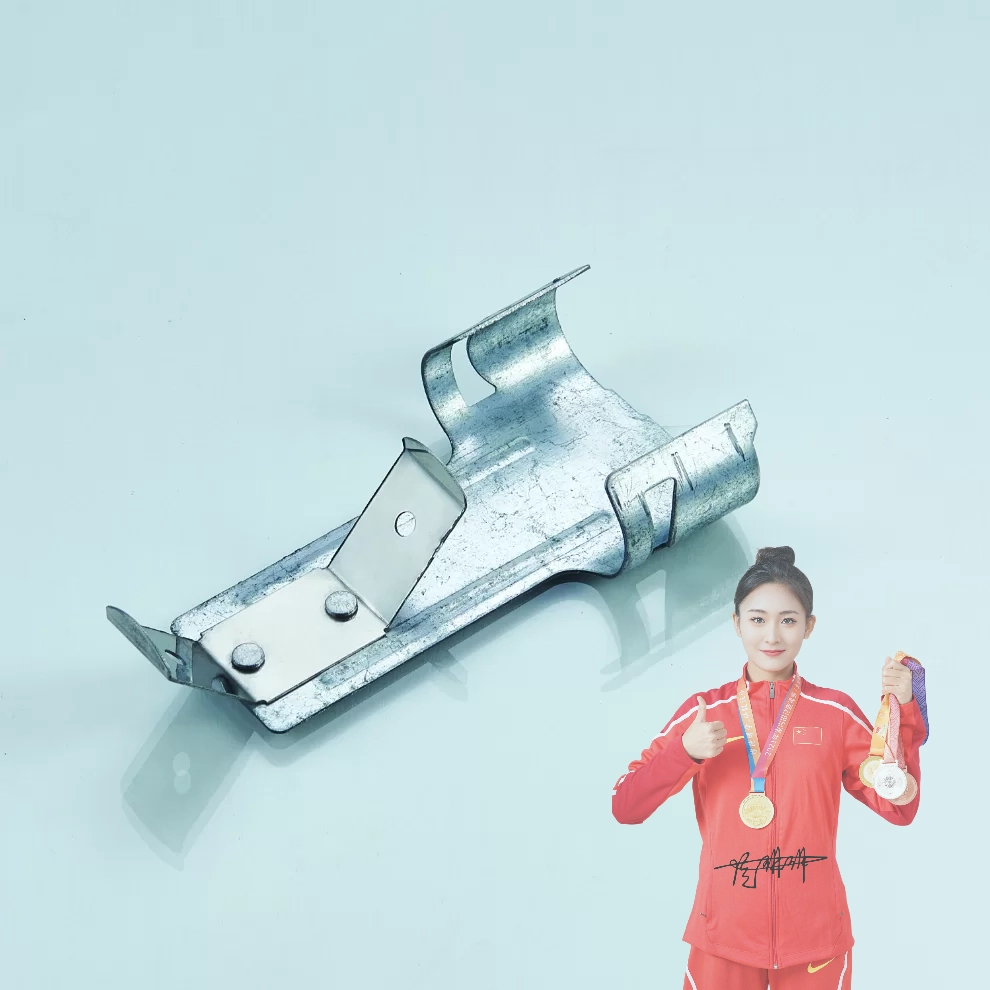
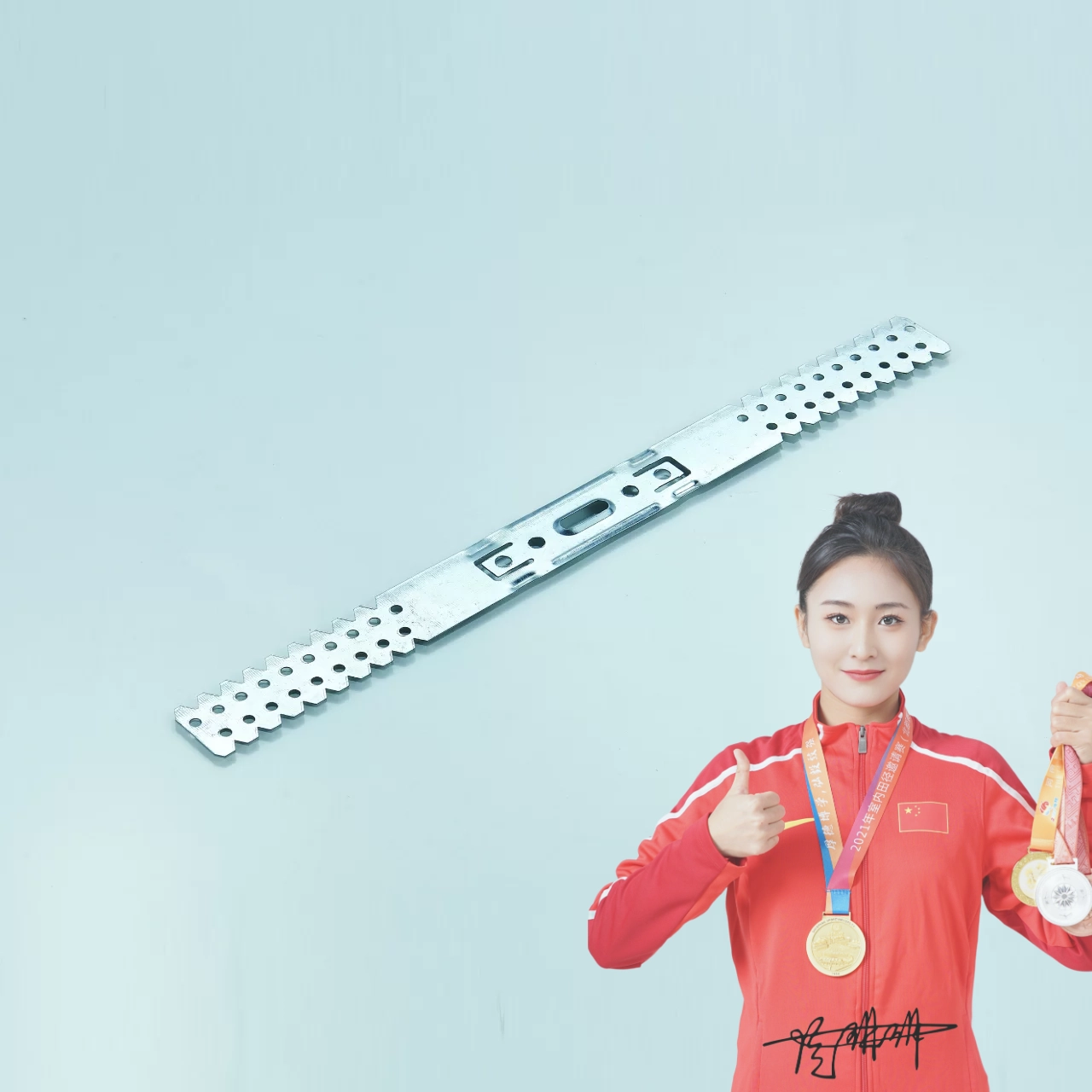
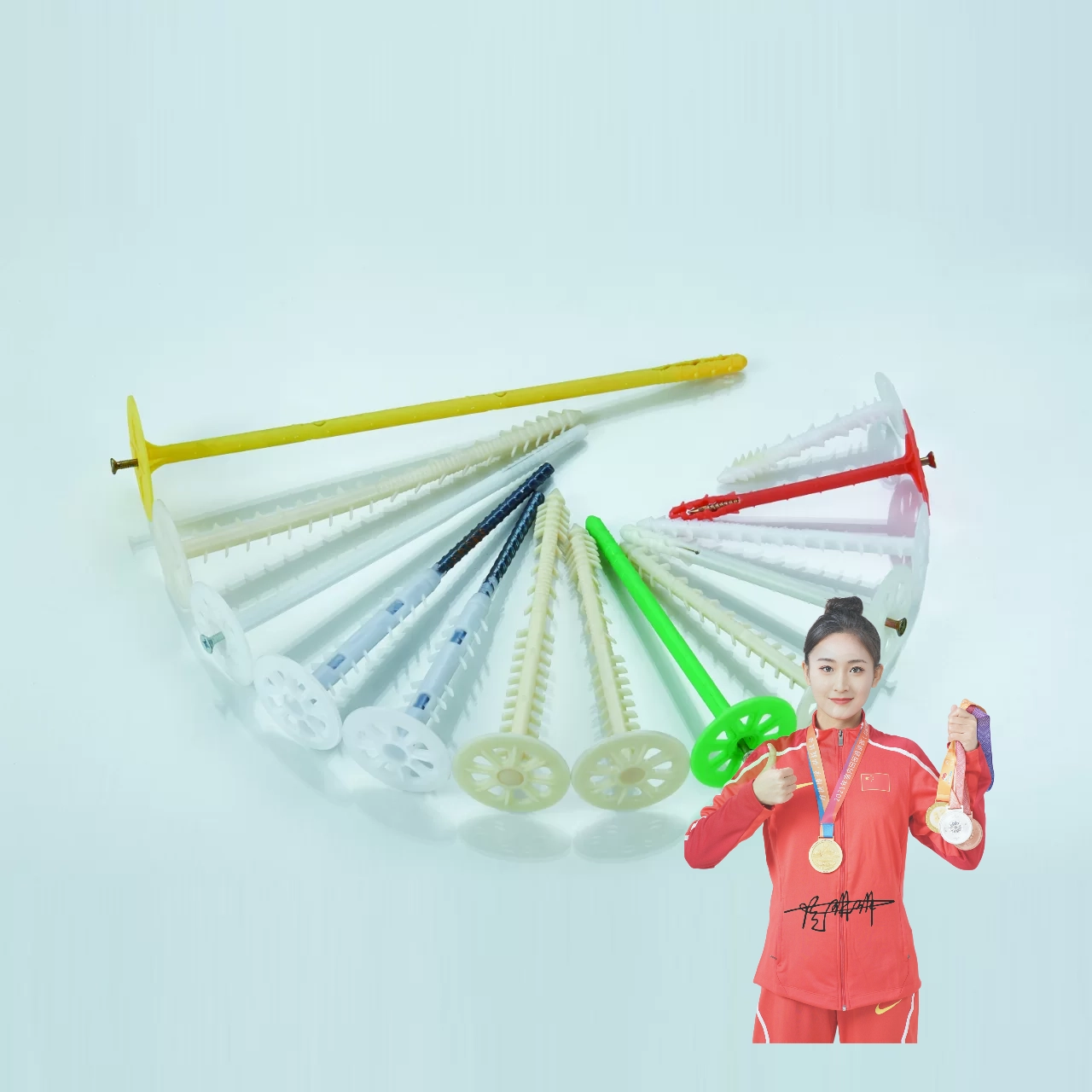
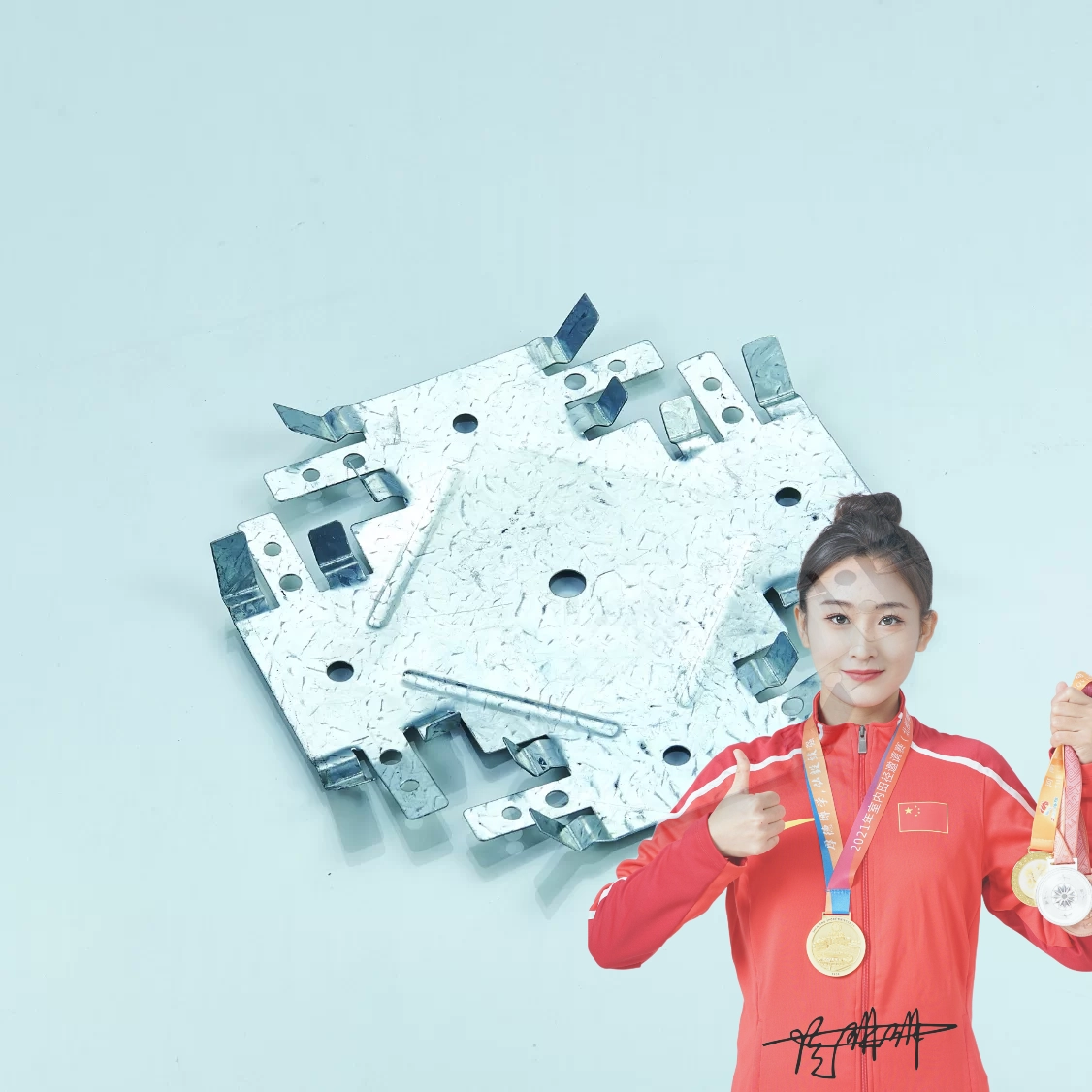
If you’ve ever wondered why some ceilings stay pin-straight for decades while others start to wave or buzz, it almost always comes down to the unsung heroes: Ceiling Components. The hardware set—often called Ceiling Accessories—does the heavy lifting for suspended grids, gypsum board systems, acoustic tiles, and decorative metals. To be honest, I’ve seen more failures from cheap hangers than from bad board.
What’s Changing in the Market
Three trends keep popping up: seismic-ready grids (designers ask for Category C–F compliance more often), greener coatings (low-VOC powders, recycled steel), and faster installs via click-in cross tees. BIM submittals are now routine, and—surprisingly—schools and clinics lead the demand for acoustic performance plus cleanability.
Specification Snapshot (real-world use may vary)
| Item |
Typical Spec |
| Materials |
Galvanized steel (Z140–Z275), aluminum AA3003/AA5052, stainless 304 for high humidity |
| Gauge/Thickness |
≈0.30–0.50 mm for tees; 2.0–4.0 mm wire hangers; anchors per substrate |
| Load Class |
ASTM C635 Light/Intermediate/Heavy Duty; tested per C636 installation |
| Corrosion |
Salt spray ≈384–720 h (ASTM B117) depending on coating |
| Fire/Smoke |
UL 2043 plenum rating; surface burning ASTM E84 Class A |
| Service Life |
15–25 years with routine inspection; coastal sites may differ |
From Steel Coil to Site: How These Parts Are Made
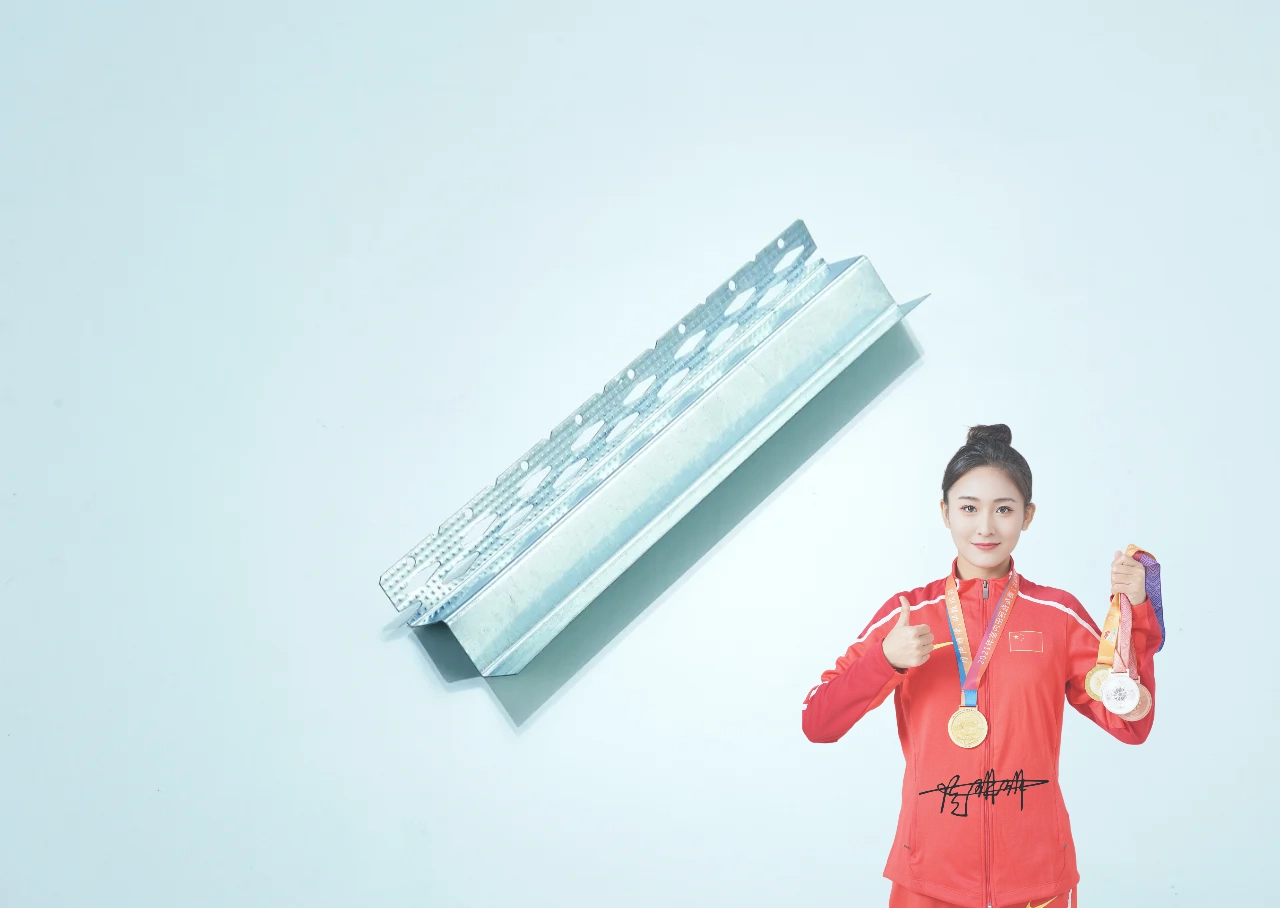
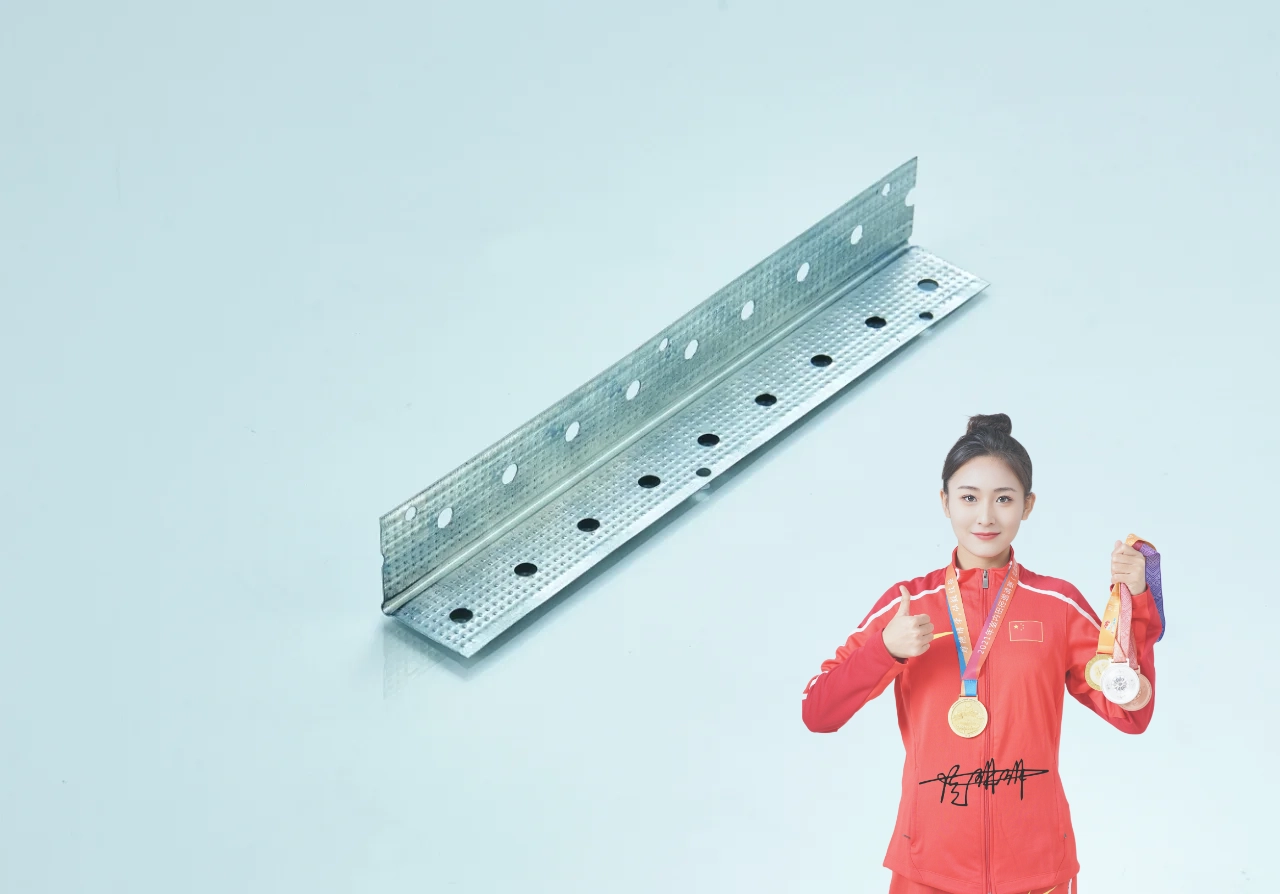
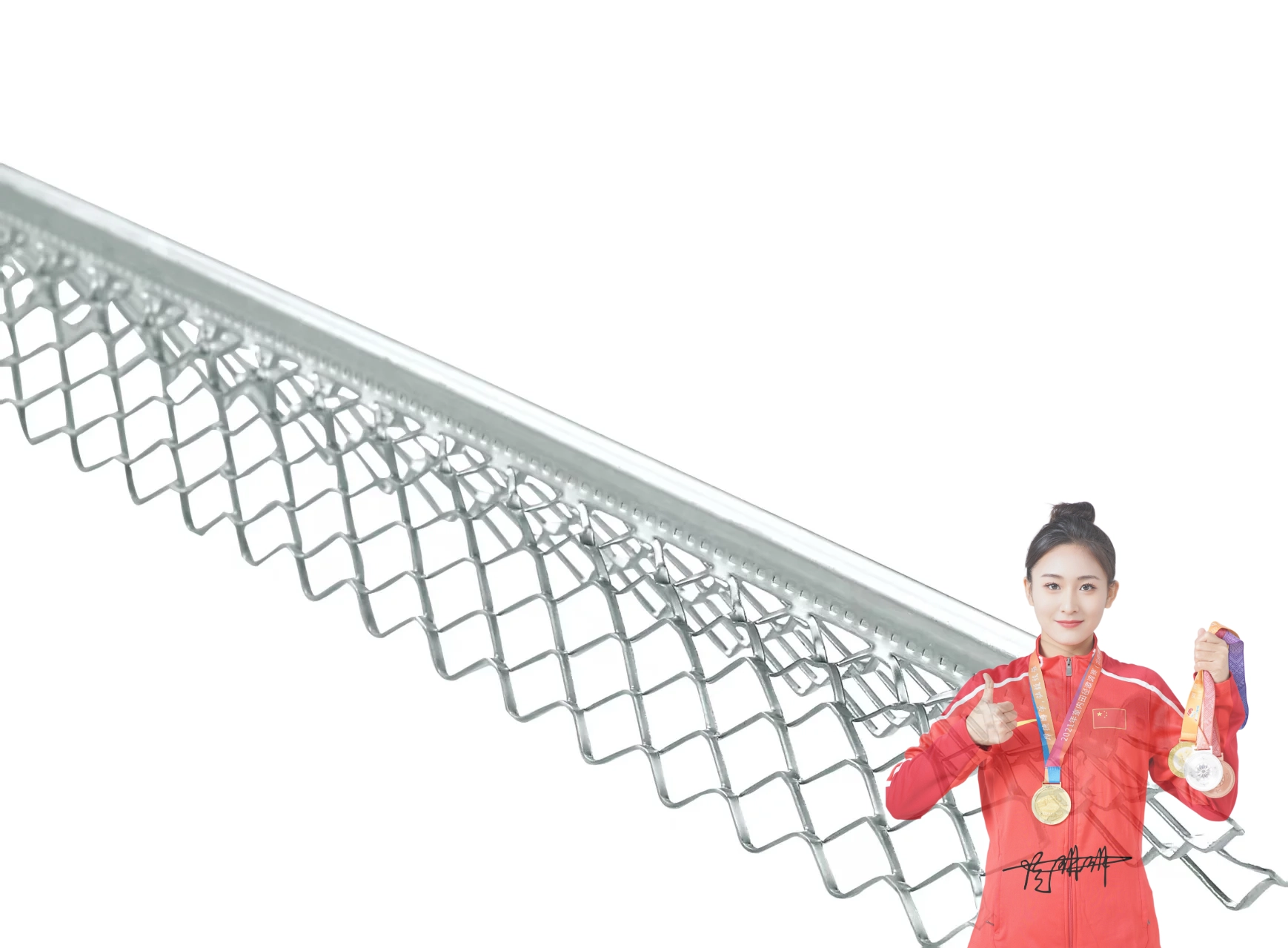
Materials arrive as galvanized or aluminum coil at the facility in No. 11, Zongqi Road, Raoyang County Economic Development Zone, Hengshui, Hebei. Roll-forming shapes main tees and cross tees; stamping yields clips and angle trims. Afterward: degreasing, phosphating, then powder coat (60–80 μm ≈) or passivation. QC pulls samples for tensile/yield, dimensional tolerance (±0.2 mm on web), and snap-fit engagement. Assemblies are test-hung per ASTM C636, and corrosion is checked via B117 chambers. I guess the quiet win here is consistent clip geometry—misfits cost hours on site.
Where Ceiling Components Earn Their Keep
- Offices and retail: rapid reconfig, clean reveals.
- Healthcare: stainless or high-coat systems for cleaning protocols.
- Education and gyms: impact-resistant grid and secure hold-downs.
- Wet zones: aluminum tees, anti-corrosion hangers.
- Seismic areas: lateral bracing, splay wires, and perimeter restraints.
Why Teams Pick These Ceiling Components
Installers like fast click-in tees and color-coded hangers; facility managers like stable acoustics (up to 0.75–0.90 NRC with compatible tiles) and easy access to MEP. Many customers say the punch-list shrinks when clip tolerances are tight—less rattle, less “tile pop.”
Vendor Comparison (quick view)
| Vendor |
Certifications |
Lead Time |
MOQ |
Corrosion Test |
Custom Profiles |
| Corner Bead Mfr (Hebei) |
ISO 9001/14001; CE EN 13964 |
≈15–25 days |
Low (project-based) |
B117 ≥480 h |
Yes (BIM + color) |
| Importer B |
Basic QC |
30–45 days |
High |
B117 ≈240 h |
Limited |
| Local Wholesaler C |
Regional |
Stock-dependent |
None |
Unknown |
No |
Customization and Submittals
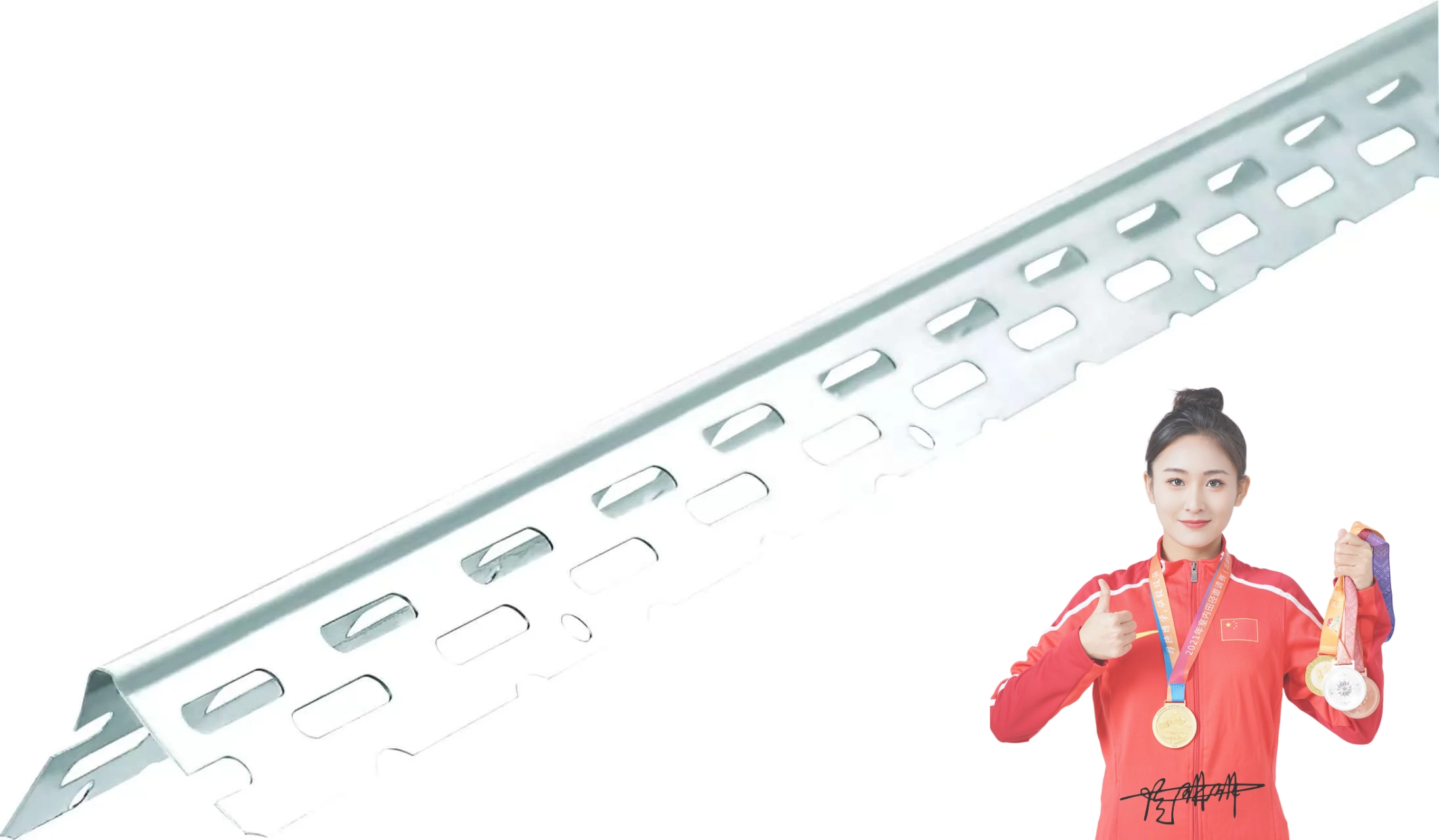
Custom lengths (600–3700 mm), gauges, perforation, perimeter trims, seismic kits, and RAL colors are common. BIM families, load tables, and UL/ASTM test reports help specifiers tick the boxes without overkill.
Quick Case Notes
- National retail retrofit: switched to snap tees; install speed improved ≈18%, punch-list cut by half.
- Hospital MRI suite: stainless hangers + non-magnetic trims; compliance cleared first inspection.
- School gym: heavy-duty main tees, hold-down clips; fewer tile dislodgements during games (feedback from facility team was enthusiastic).
If you’re speccing Ceiling Components for corrosive or seismic environments, ask for B117 data, EN 13964 classifications, and a C636 installation plan. And, yes, verify jobsite training—method beats material more often than we admit.
Citations
- ASTM C635/C635M: Standard Specification for Metal Suspension Systems for Acoustical Tile and Lay-in Panels.
- ASTM C636/C636M: Standard Practice for Installation of Metal Ceiling Suspension Systems.
- EN 13964: Suspended ceilings—Requirements and test methods.
- ASTM B117: Standard Practice for Operating Salt Spray (Fog) Apparatus.
- ASTM E84: Standard Test Method for Surface Burning Characteristics of Building Materials.
- UL 2043: Fire Test for Heat and Visible Smoke Release for Discrete Products in Air-Handling Spaces.
- ISO 9001/14001: Quality and Environmental Management Systems.