Understanding Expanded Plate Mesh: Why It Matters More Than You Think
If you’re reading about expanded plate mesh, chances are you’ve come across it in industries ranging from construction to security fencing. Frankly, it’s one of those materials that quietly holds up a surprising number of modern structures and applications worldwide. But beyond just being a strong metal sheet with holes, expanded plate mesh carries significant benefits in terms of strength, cost-effectiveness, and versatility — qualities that make it a global staple in manufacturing, infrastructure, and even humanitarian efforts.
Globally, expanded plate mesh plays a big role where resources need to be optimized and durability is non-negotiable. Imagine a material that acts as both a shield and a platform, reducing waste by expanding a single metal sheet rather than cutting and welding. That’s why in industries where sustainability and efficiency are rapidly becoming central themes, this product is gaining fresh attention.
Global Context: Why Expanded Plate Mesh Is At The Heart of Modern Engineering Challenges
The world’s infrastructure demands are growing fast. According to the International Energy Agency (IEA), by 2030, industrial output could rise by more than 40%, pushing material demands through the roof. Meanwhile, sustainability goals set by the United Nations urge industries to reduce waste and carbon footprints — which aligns perfectly with how expanded plate mesh is produced.
Expanded plate mesh addresses a core challenge: how do you build reliable, long-lasting structures without excessive material processing waste? This is particularly significant in emerging economies or harsh environments, where supply chains may be unpredictable, and cost constraints are fierce.
Industrially, the use of expanded metals can reduce raw material usage by approximately 30% when compared to perforated or welded mesh, according to ISO 9044 standards on metal stretching. This not only cuts costs but reduces ecological impact.
So, What Exactly Is Expanded Plate Mesh?
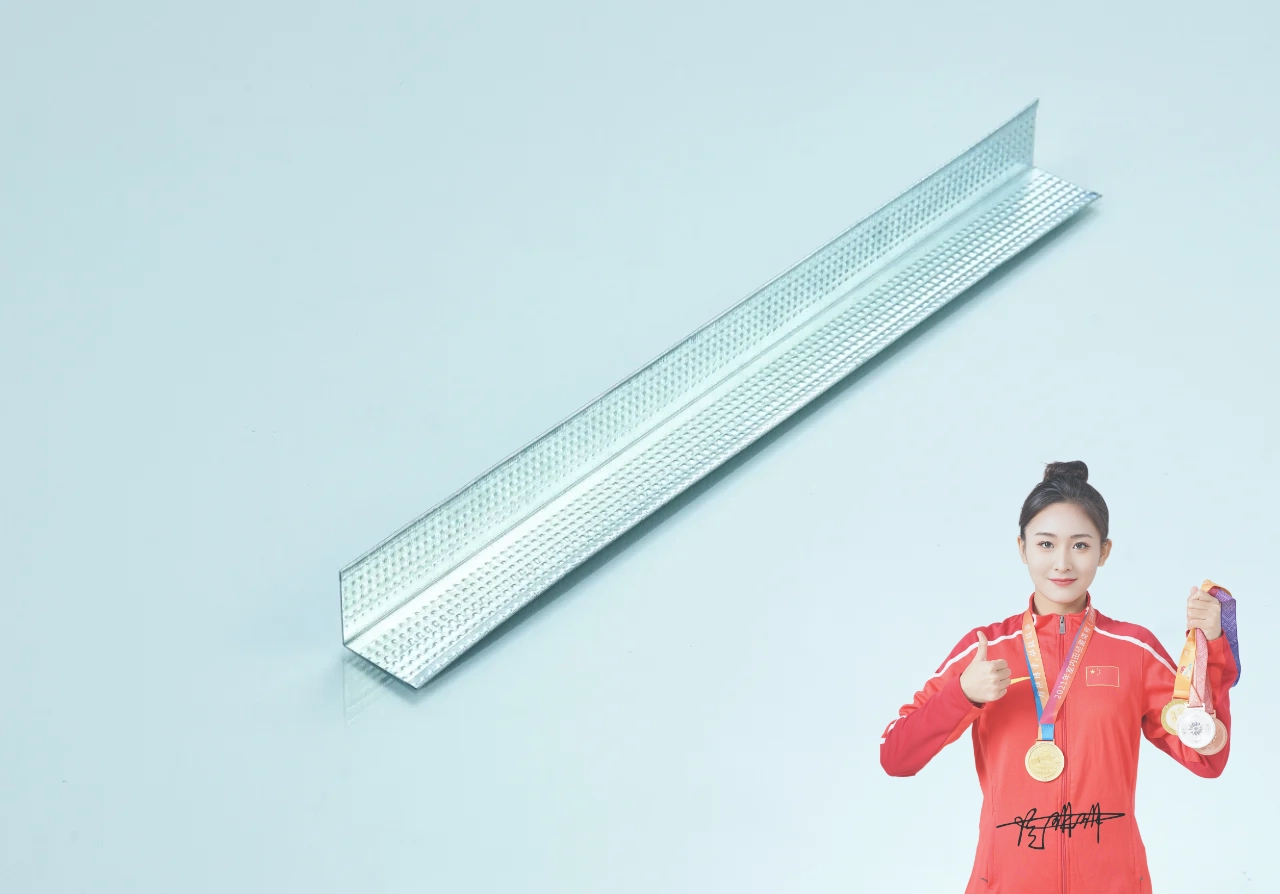
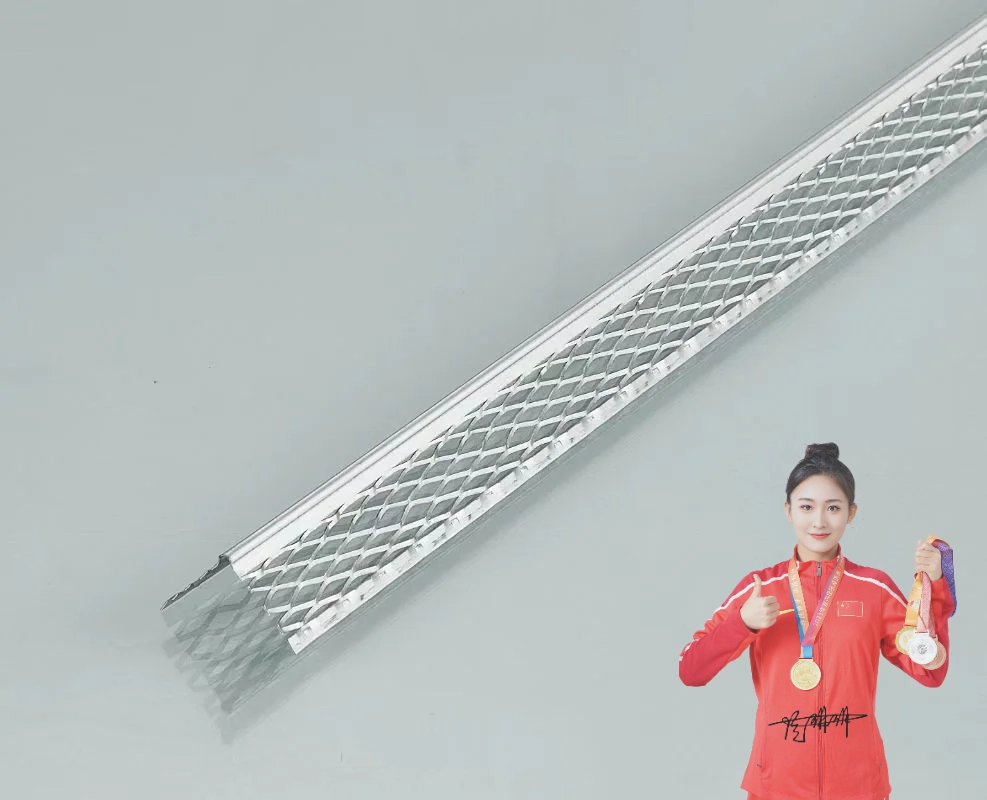
In simple terms, expanded plate mesh is a sheet metal product that's been slit and stretched to form a patterned mesh of diamond or hexagonal-shaped openings. Unlike perforated metal, holes are created by stretching rather than drilling or punching, meaning there’s no wasted material in the process — what you start with is what you get.
This mesh is known for its impressive mechanical properties: strong yet lightweight, rigid yet flexible enough for different applications. It’s used from load-bearing walkways and security screens to art installations and industrial grating. In humanitarian contexts, the material’s high strength-to-weight ratio means quick-to-install shelters or barriers become more feasible, helping communities recover faster.
Core Characteristics That Make Expanded Plate Mesh Stand Out
1. Durability and Strength
Thanks to the continuous metal strands and angles, expanded plate mesh offers excellent resistance to mechanical stresses. Many engineers highlight that its load distribution capabilities often outperform traditional welded or woven meshes, which is why it’s often specified in safety-critical layers like guardrails or stair treads.
2. Cost Efficiency
Because the manufacturing process doesn’t waste metal, the raw material cost is lower. When you consider installation speed — the mesh's rigidity requires fewer support components — the overall expenses drop further. Oddly enough, this makes expanded plate mesh especially popular in budget-conscious projects that don’t want to compromise safety.
3. Versatility and Scalability
Expanded plate mesh comes in a range of gauge thicknesses, opening sizes, and surface finishes — from galvanized steel to stainless varieties — meaning it can be tailored for both industrial toughness and aesthetic needs (think facades or art). Its scalability lets users deploy everything from tiny screen meshes for filters to massive industrial platforms.
4. Sustainability
This material’s low waste manufacturing process aligns with ISO 14001 environmental management standards, making it a preferred choice in green building projects or eco-conscious manufacturing. Plus, it’s 100% recyclable, which hardly surprises those familiar with metal industries, but it’s good to remind ourselves.
Where Expanded Plate Mesh Is Working Wonders Around The World
The uses of expanded plate mesh span every continent and sector you can imagine:
- Construction & Infrastructure: Reinforcing concrete, safety barriers along highways, platforms, and stair treads.
- Mining & Heavy Industry: Protective screens for machinery, ventilation grilles, and filtration panels.
- Security & Fencing: Perimeter fences that provide visibility without compromising protection, used in airports, prisons, and military bases.
- Humanitarian & Relief Efforts: Rapid deployment shelters, protective flooring, and temporary fencing in post-disaster zones.
For example, in remote areas of Southeast Asia, NGOs use expanded plate mesh for modular shelter frameworks that are lightweight to transport and durable enough to last seasons of rain and storms. Or in South America, mining operations rely on its robustness to keep workers safe around dangerous machinery — all while keeping costs manageable.
Mini Takeaway:
Expanded plate mesh acts as a quiet backbone for many modern challenges, combining strength with smart resource use — no wonder it’s becoming indispensable globally.
Comparing Key Expanded Plate Mesh Specifications
| Specification |
Typical Range |
Common Materials |
Applications |
| Sheet Thickness |
1.0 mm – 6.0 mm |
Steel, Stainless Steel, Aluminum |
Load-bearing platforms, fencing, filtration |
| Mesh Opening Size |
6 mm × 25 mm to 50 mm × 150 mm |
N/A (Patterned by stretch) |
Safety grilles, walkways, decoration |
| Surface Finish |
Galvanized, Powder-coated, Painted |
Steel-based alloys mostly |
Corrosion resistance, aesthetics |
| Weight per m² |
4 – 20 kg |
Varies by thickness and metal |
Structural & transport planning |
Choosing Your Expanded Plate Mesh Supplier: How They Stack Up
| Vendor |
Product Range |
Customization Options |
Sustainability Certifications |
Regional Coverage |
| CornerBead Mfr |
Extensive: thickness 1-6 mm, various alloys |
Custom mesh pattern, size, finish |
ISO 14001, Green Seal |
North America, Asia |
| Global Metal Mesh Inc. |
Medium: Focus on standard mesh sizes |
Limited custom printing |
ISO 9001 |
Europe, Africa |
| EcoSteel Mesh Ltd. |
Specializes in recycled stainless steel options |
Eco-friendly coatings & recycled content |
LEED-certified & FSC-compliant |
Global (focus on green projects) |
Why Use Expanded Plate Mesh? The Long-Term Benefits
It’s easy to get caught up in specs and industrial jargon, but the long-term value of expanded plate mesh boils down to a few core benefits:
- Cost Savings: Lower material waste and faster installation mean you save money upfront and on maintenance.
- Environmental Impact: Production efficiently uses raw metal and supports recycling, contributing to more sustainable supply chains.
- Safety and Reliability: Toughness and consistent quality reduce failures, protecting people and assets alike.
- Aesthetic Flexibility: It’s not just functional; architects use it for facades and interior designs, blending form and function.
From a personal standpoint, I find it comforting that such a utilitarian product also supports dignity in disaster relief zones — shelter frameworks made from expanded plate mesh withstand harsh conditions without bogging down seeding infrastructure or aid organizations.
Looking Ahead: What’s Next For Expanded Plate Mesh?
Technology marches on, and so does expanded plate mesh. Innovators are exploring lighter alloys like titanium blends, and surface treatments aiming to repel pollutants or even harvest solar energy. Digital manufacturing techniques like automated laser stretching now enhance precision, minimizing defects or production downtime.
Sustainability trends are driving more companies to use recycled metals, with entire product lines certified for eco-friendly construction projects. I also noticed a growing interest in combining expanded mesh with smart sensors embedded at a nano-level, creating intelligent barriers that monitor strain, corrosion, or temperature in real time.
Challenges & Practical Solutions
Despite the many strengths, expanded plate mesh isn’t without its challenges. For one, certain complex shapes or ultra-fine meshes aren’t feasible with standard expansion methods, which limits design flexibility in some niche applications. Weathering remains a problem in extremely corrosive settings — especially in marine or chemical environments.
Experts recommend pairing the mesh with advanced coatings like epoxy or zinc-aluminum alloys for improved longevity. Also, some companies mitigate shape limitations with hybrid designs that mix expanded mesh with perforated or welded alternatives.
FAQ: Your Top Questions About Expanded Plate Mesh
Q1: How does expanded plate mesh differ from perforated metal sheets?
A1: The key difference lies in manufacturing. Expanded plate mesh is made by slitting and stretching metal, creating openings without cutting out material, so there’s no waste. Perforated sheets have holes punched out, which generates scrap and usually weaker structural distribution.
Q2: Can expanded plate mesh be used in coastal environments?
A2: Yes, but with precautions. To prevent corrosion from salt spray, galvanized or stainless steel options with protective coatings are recommended. Proper maintenance also extends lifespan in harsh coastal conditions.
Q3: Is custom sizing available for specialized applications?
A3: Absolutely. Manufacturers like CornerBead Mfr offer tailoring of mesh size, thickness, pattern, and finish to suit various project requirements, balancing strength and weight as needed.
Q4: How quickly can expanded plate mesh be deployed in relief or construction projects?
A4: Deployment speed is one of its key advantages. Since the mesh is rigid and lightweight relative to solid metal plates, it can be installed quickly on frames or as flooring, speeding up project timelines notably.
Wrapping Up: Why Expanded Plate Mesh Deserves Your Attention
Simply put, expanded plate mesh is more than a sheet with holes — it’s a thoughtfully engineered material solving real-world problems. Its global relevance is growing as industries strive to build smarter, greener, and safer. Whether you’re specifying materials for a new highway or designing temporary shelters for displaced communities, expanded plate mesh balances durability, cost, and eco-consciousness in a way few materials can.
Curious to explore how it can fit your project? Visit our website for tailored solutions and expert advice.
Final Thoughts
In the end, the beauty of expanded plate mesh lies in its humble efficiency. Like those unsung heroes in engineering, it quietly supports everything from your city’s safety railings to the fast-rising shelters after a hurricane. The more I learn about it, the more I appreciate this “stretchy metal” that’s really a critical backbone in today’s structural and humanitarian endeavors.
References
- ISO 9044: Metal Stretching Standards
- International Energy Agency (IEA) Reports
- United Nations Sustainable Development Goals