The Quiet Hero of Clean Corners: A Field Guide
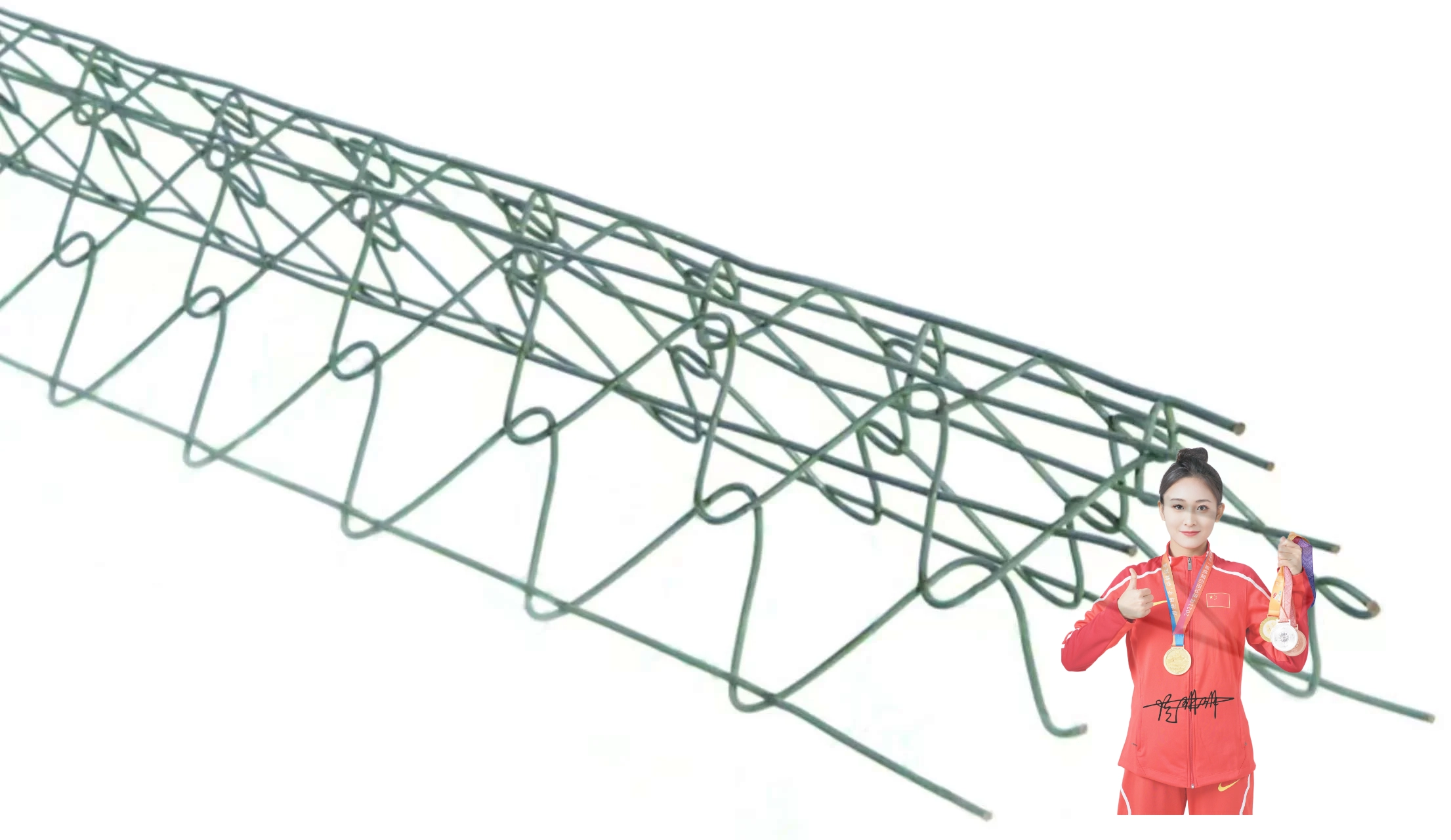
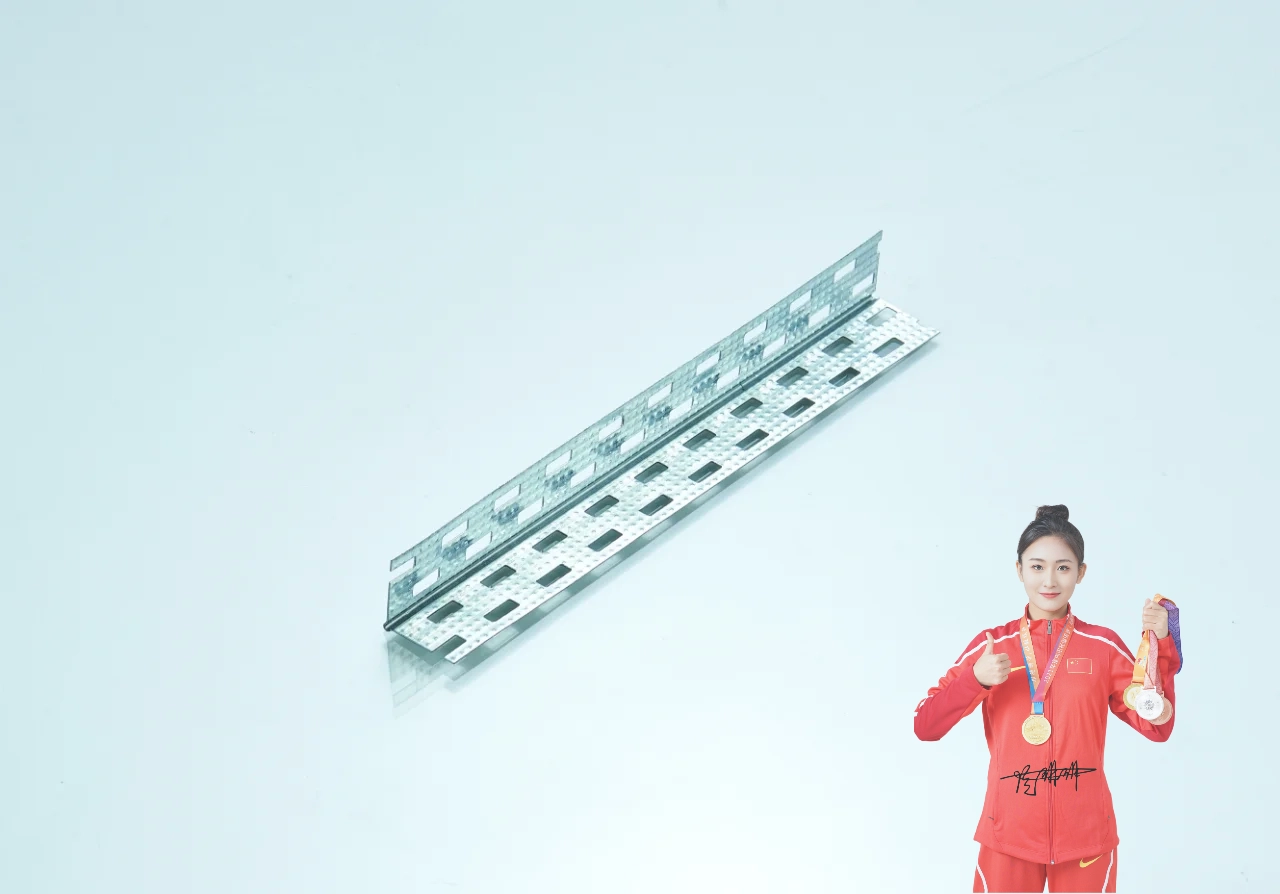
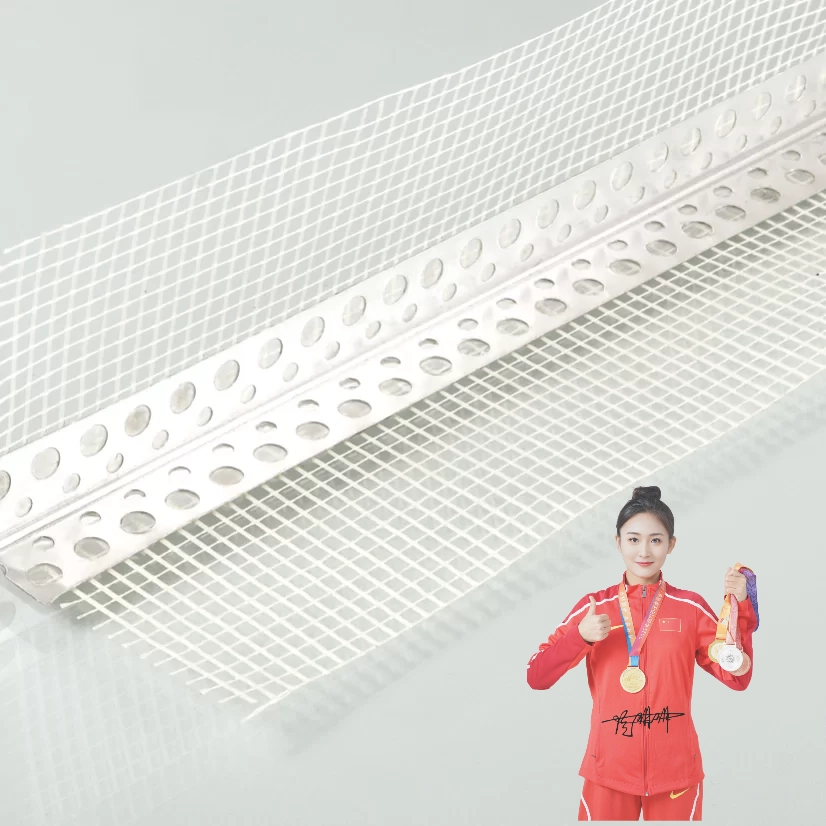
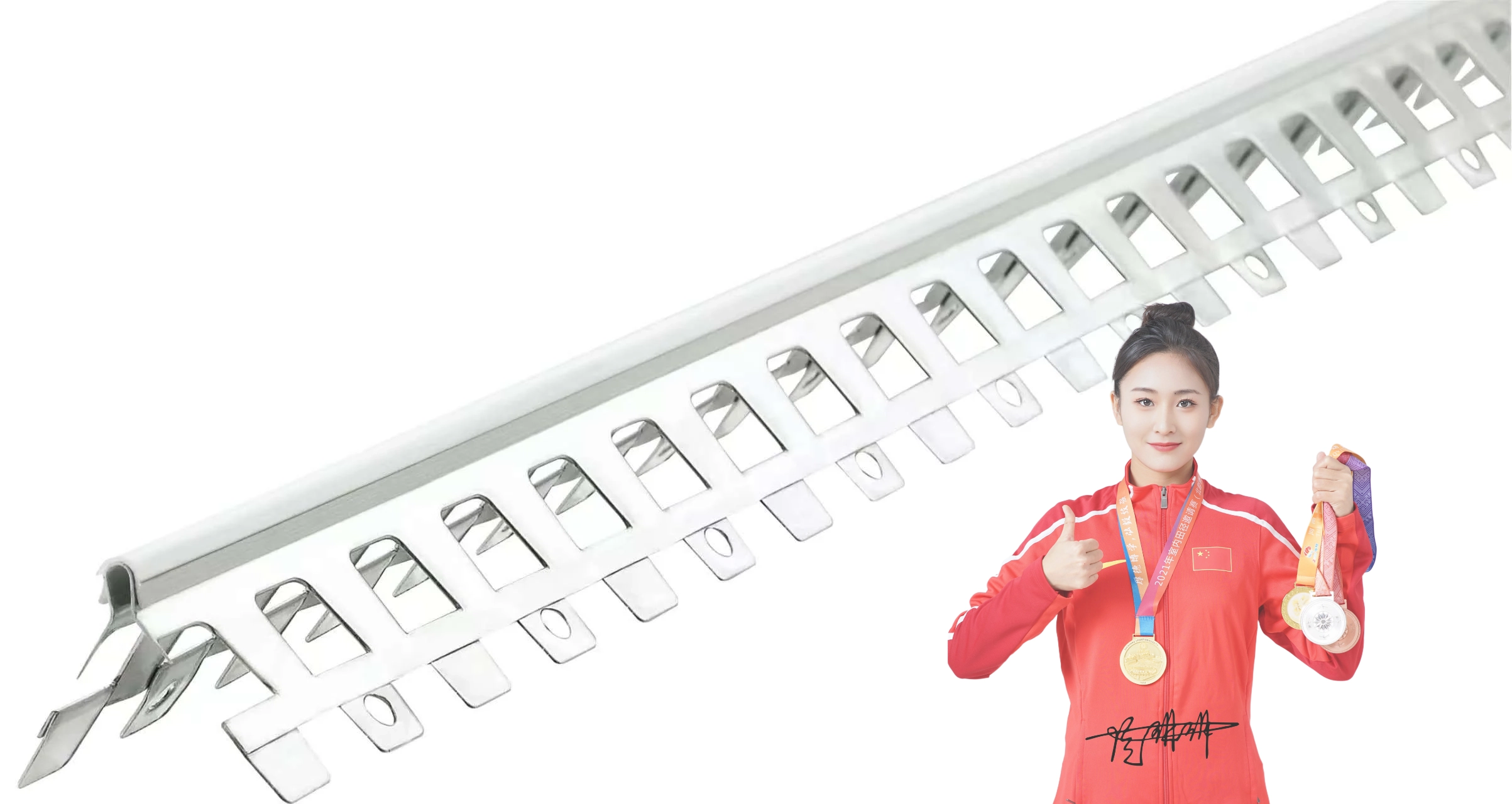
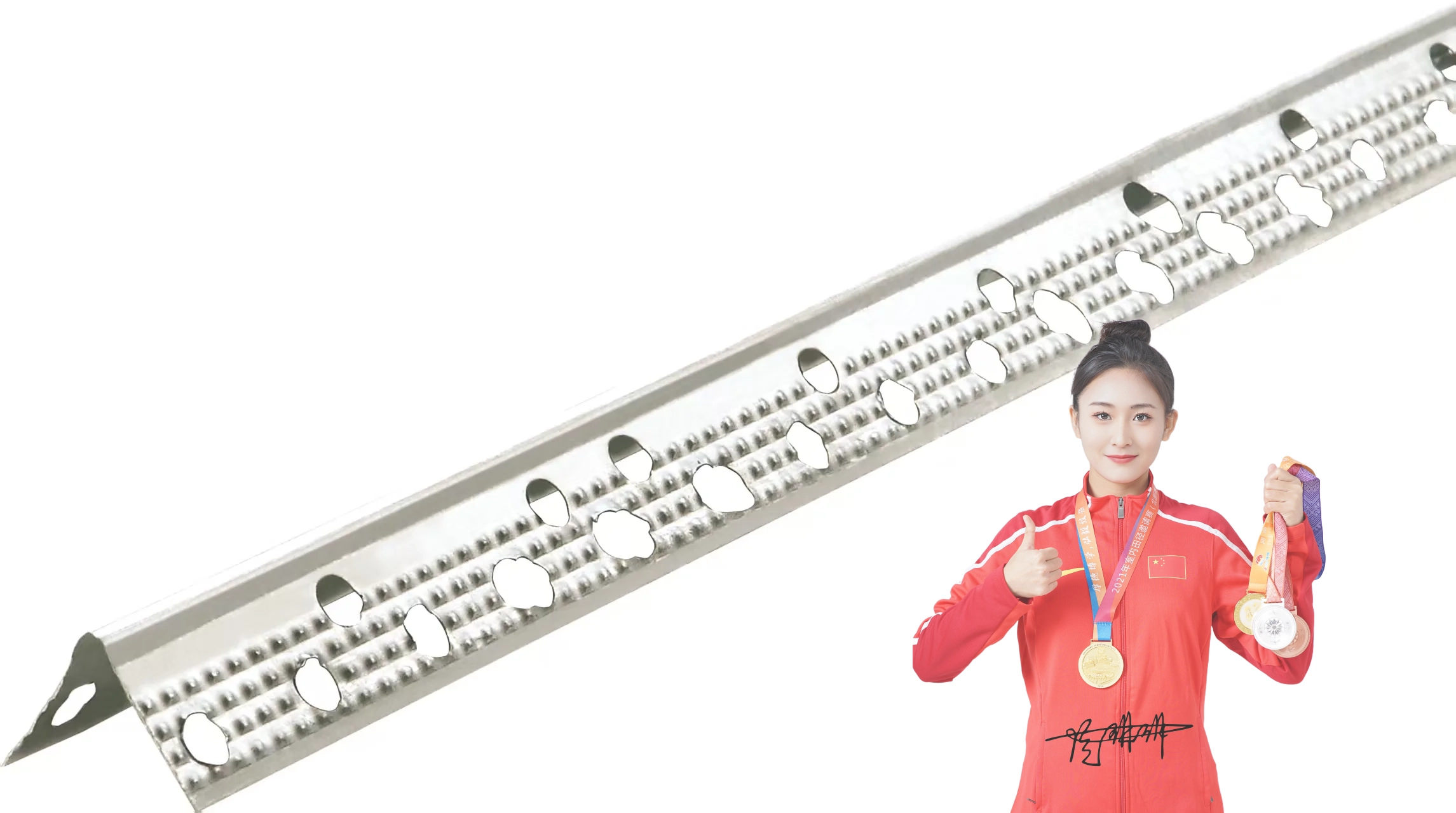
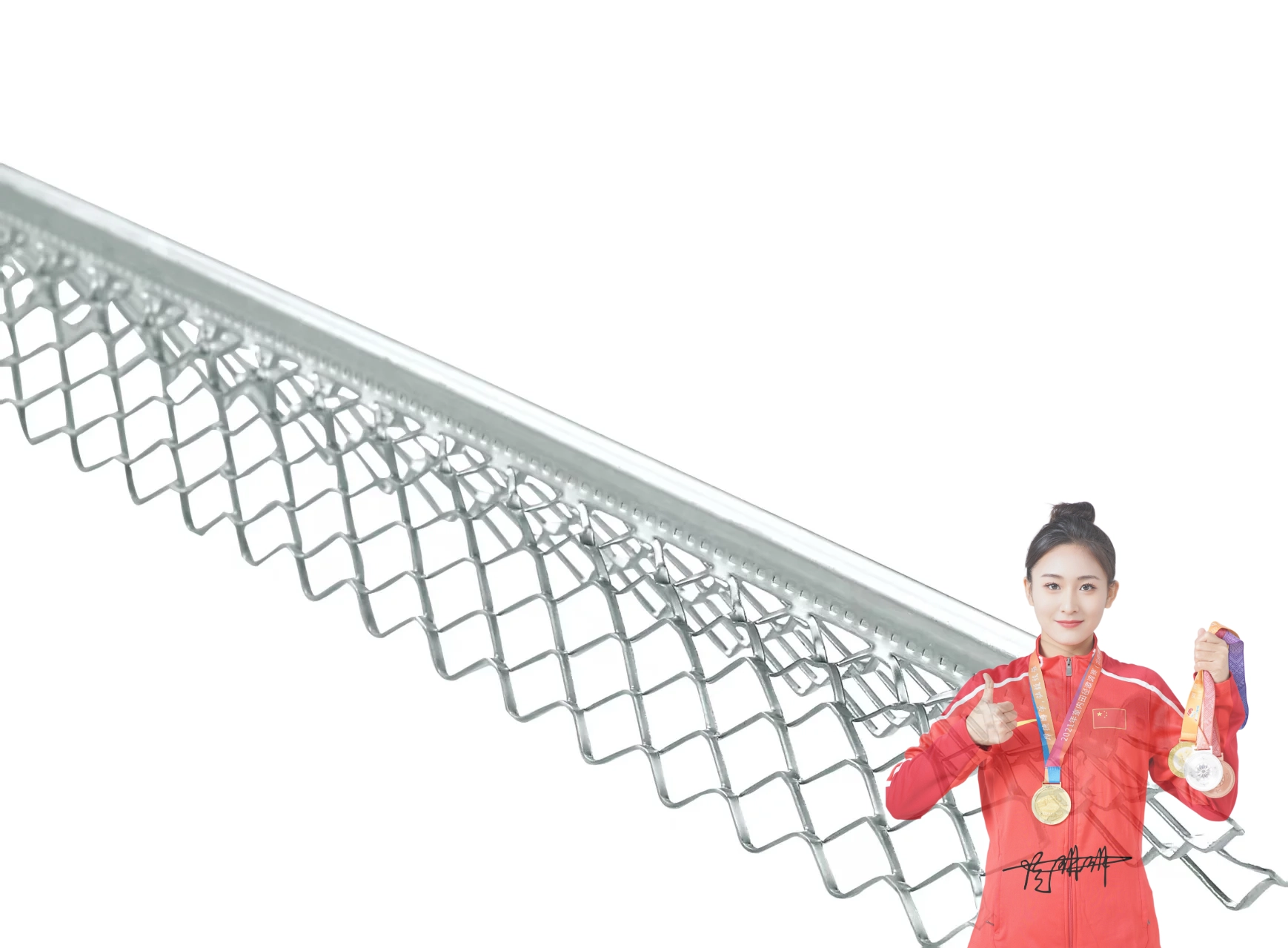
If you’ve ever admired a perfectly crisp wall edge, chances are a humble accessory made it happen: metal corner bead, metal corner bead for drywall, metal corner bead around window, corner beads, —small line items that punch far above their weight. Actually, they’re the first thing I touch when judging finish quality on a jobsite.
What’s trending (and why it matters)
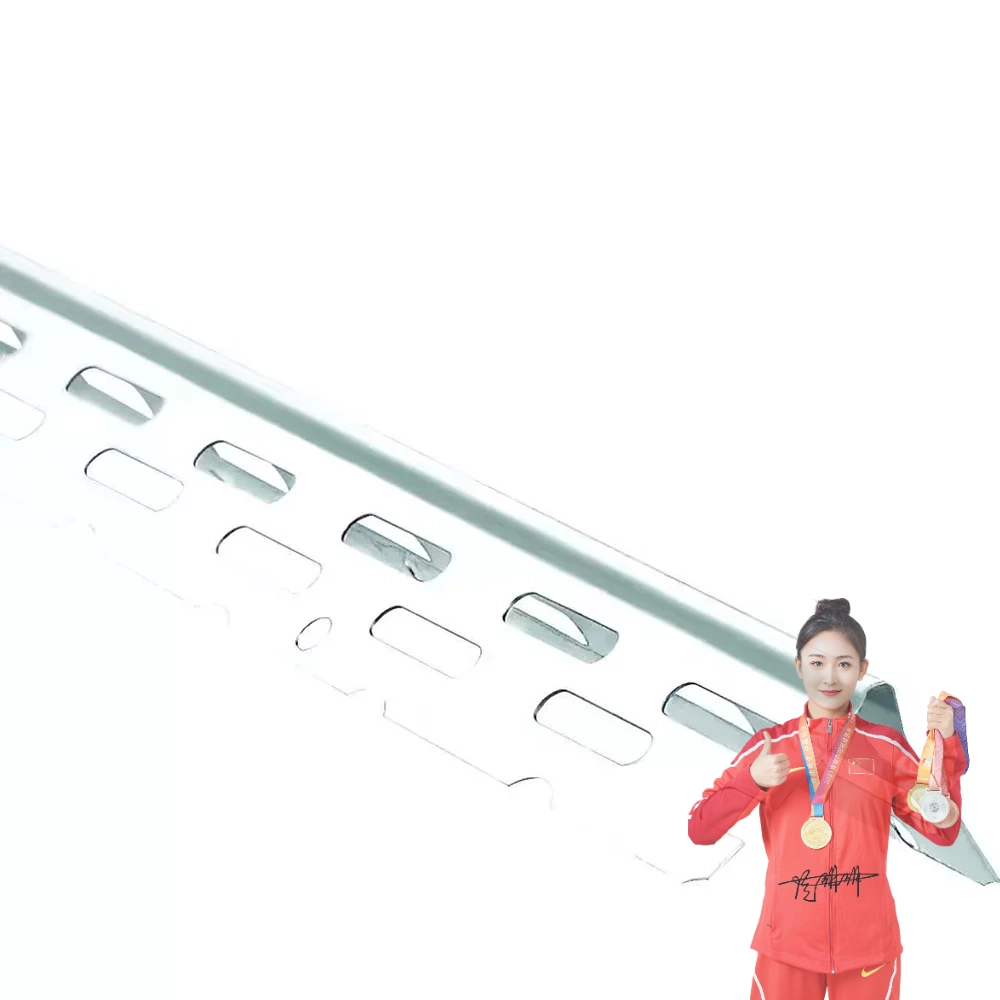
On recent projects, I’m seeing heavier zinc coatings, pre-taped variants for speed, and more stainless in coastal builds. Contractors say labor-saving profiles pay for themselves when schedules get tight. And for windows? More on that in a minute—those returns take a beating.
Core specs at a glance
Parameter | Typical Range (real-world use may vary) |
Material | Galvanized steel (ASTM A653 G40–G90), Aluminum 3003, Stainless 304/316 |
Thickness | ≈0.30–0.50 mm (30–25 gauge) |
Length | 2.4 m, 2.7 m, 3.0 m |
Flange width | 25–35 mm per side |
Perforation | Round/diamond 3–5 mm for joint compound keying |
Coatings | Zinc (G40–G90), powder coat, epoxy; stainless: no coating |
Service life | 15–30+ years interior; stainless/coastal: longer |
Where you’ll use it (and the tricky bits)
· Drywall outside corners: metal corner bead keeps edges straight through bumps and moves.
· Window and door returns: a metal corner bead around window resists chipping from blinds, carts, and—let’s be honest—kids.
· High-traffic corridors: hospitals, schools, hotels—frequent impacts demand tougher corner beads.
· Wet or coastal zones: stainless or higher-zinc beads for longevity.
How it’s made (quick process flow)
Materials selected → coil slitting → roll-forming or expanded-mesh punching → nose shaping → perforation → cutting → optional coating → QC (gauge, straightness, burrs) → packaging. Testing typically includes zinc weight checks (A653), straightness tolerance, and salt spray (ASTM B117). Many customers say G90 performs best on commercial jobs where maintenance is rare.
Real test data (sample)
G60 steel bead: 240 h ASTM B117, no red rust; G90: 480–600 h; 304 stainless: >1000 h (no structural degradation). Field repaint cycles: ≈10–15 years interior, depending on abuse.
Vendor snapshot (what I’ve seen)
Vendor | Materials | Zinc grade | Customization | Lead time | Certs |
CornerBeadMFR | Steel, Alu, 304/316 | G40–G90 | Profiles, flanges, pre-tape, lengths | 7–20 days | ISO 9001, CE (EN 13658-1) |
Big-Box Brand A | Steel | G40–G60 | Limited | Immediate stock | In-house QC |
Importer B | Steel/Alu | Varies | OEM/ODM | 20–35 days | Mixed |
Customization tips
For a metal corner bead for drywall in schools, ask for G90, 30 mm flanges, and a slightly rounded nose to hide minor framing waves. Around storefront glazing, aluminum with powder coat blends better.
Case notes from site
· Loft renovation: switching to stainless on kitchen window returns cut repaint call-backs by half.
· Hospital corridor: cart impacts proved the point—heavy-gauge corner beads held up, cheaper ones dented day one.
· Retail rollout: pre-taped beads shaved a day off the schedule across 20 stores. Foreman’s words, not mine.
Standards and compliance
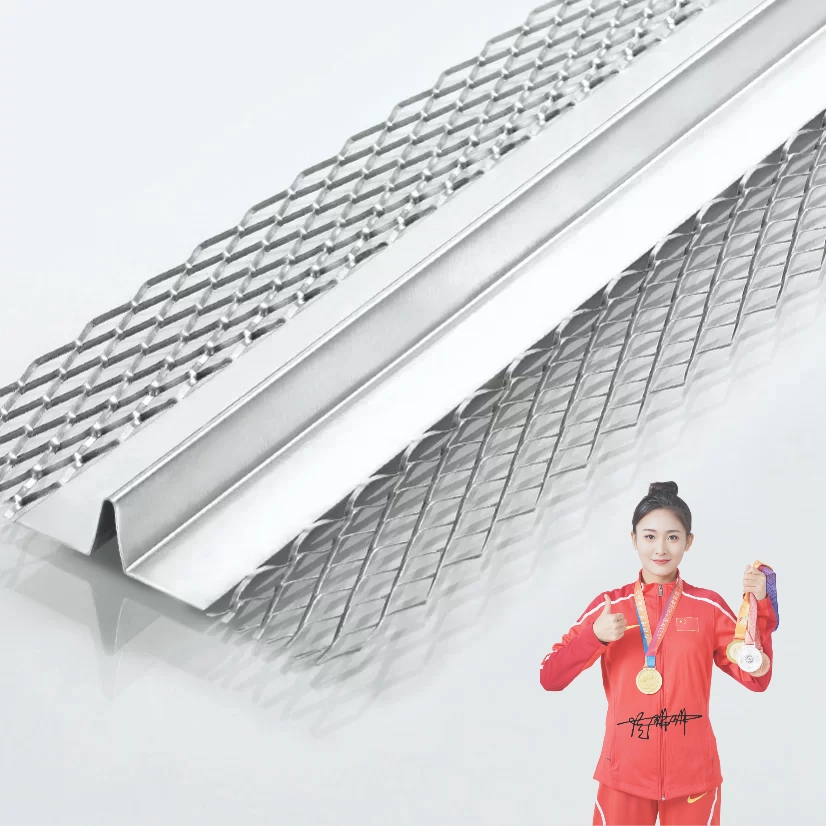
Specify to ASTM C1047 for accessories and match installation to ASTM C840/C1063. Corrosion protection per ASTM A653 and verify exposure with ASTM B117 testing. EU projects usually call for EN 13658-1 compliance. Simple, but it saves headaches.
Bottom line: choose material for environment, zinc weight for longevity, and profile for speed. The cost difference is pennies; the result is years of clean edges.
1. ASTM C1047: Standard Specification for Accessories for Gypsum Wallboard and Gypsum Veneer Base.
2. ASTM C840: Standard Specification for Application and Finishing of Gypsum Board.
3. ASTM C1063: Installation of Lathing and Furring to Receive Interior and Exterior Portland Cement-Based Plaster.
4. ASTM A653/A653M: Standard Specification for Steel Sheet, Zinc-Coated (Galvanized).
5. ASTM B117: Standard Practice for Operating Salt Spray (Fog) Apparatus.
6. EN 13658-1: Metal lath and beads for internal plastering – Definitions, requirements and test methods.