Hit enter to search or ESC to close
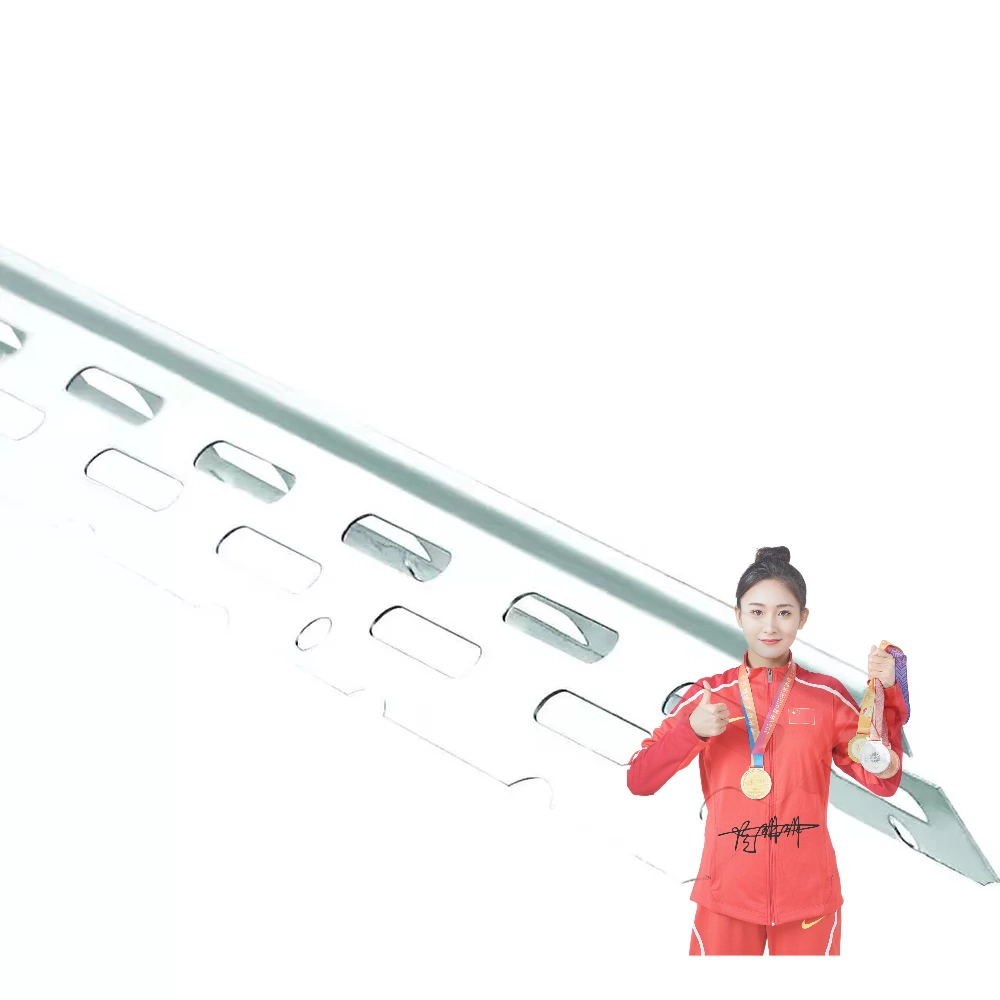
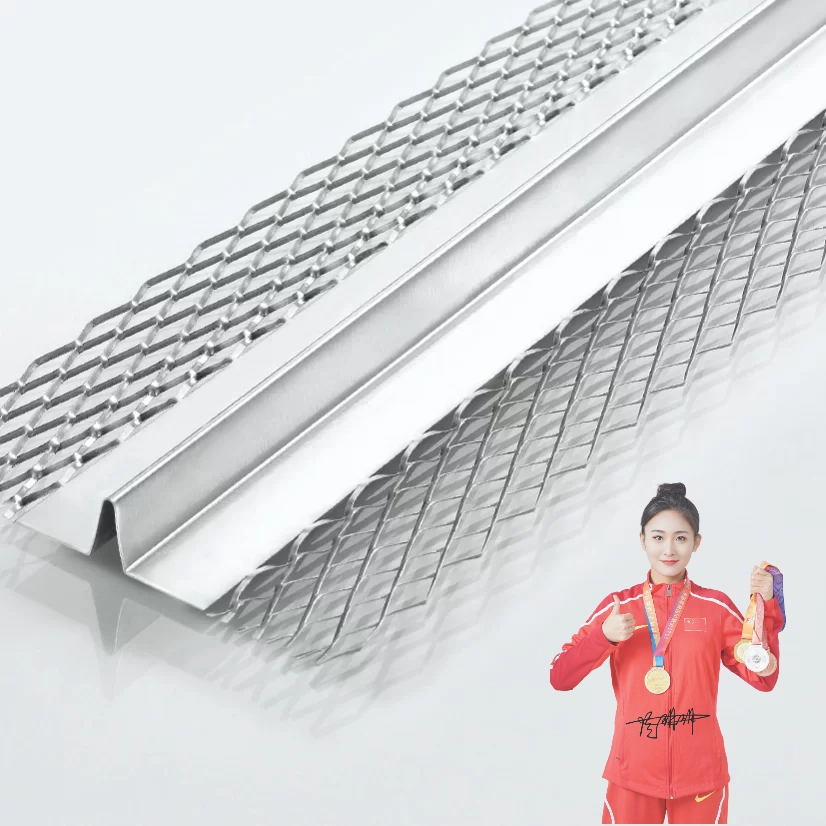
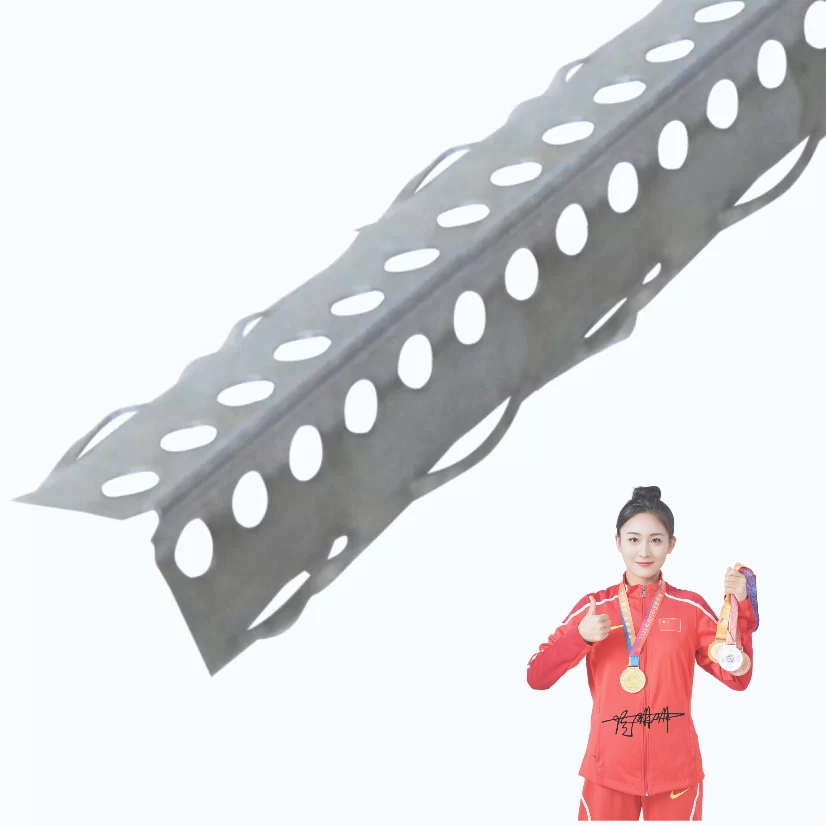
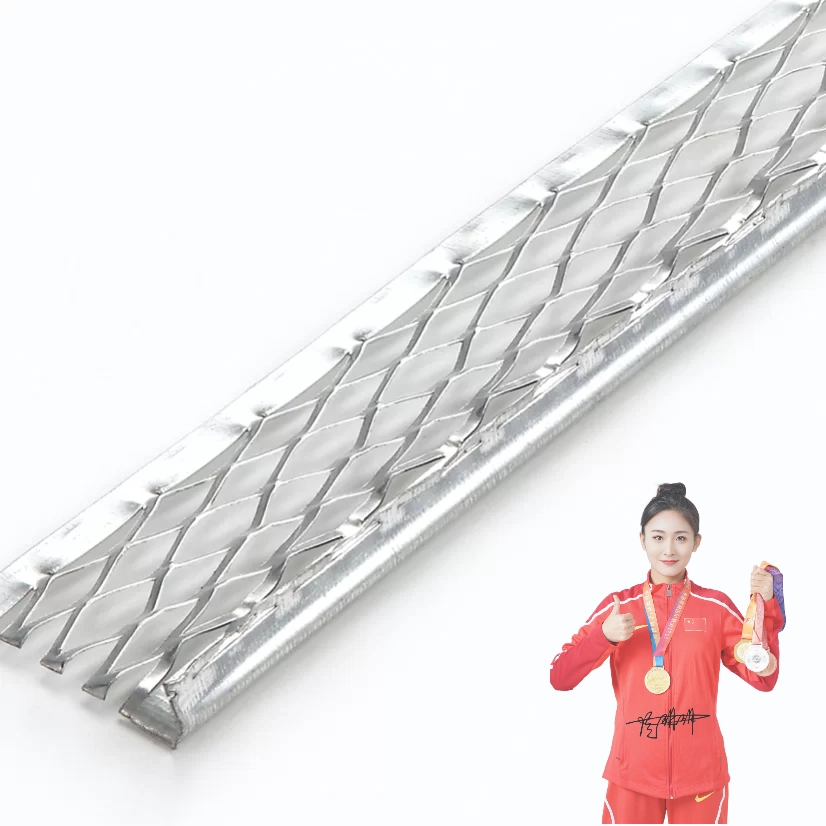
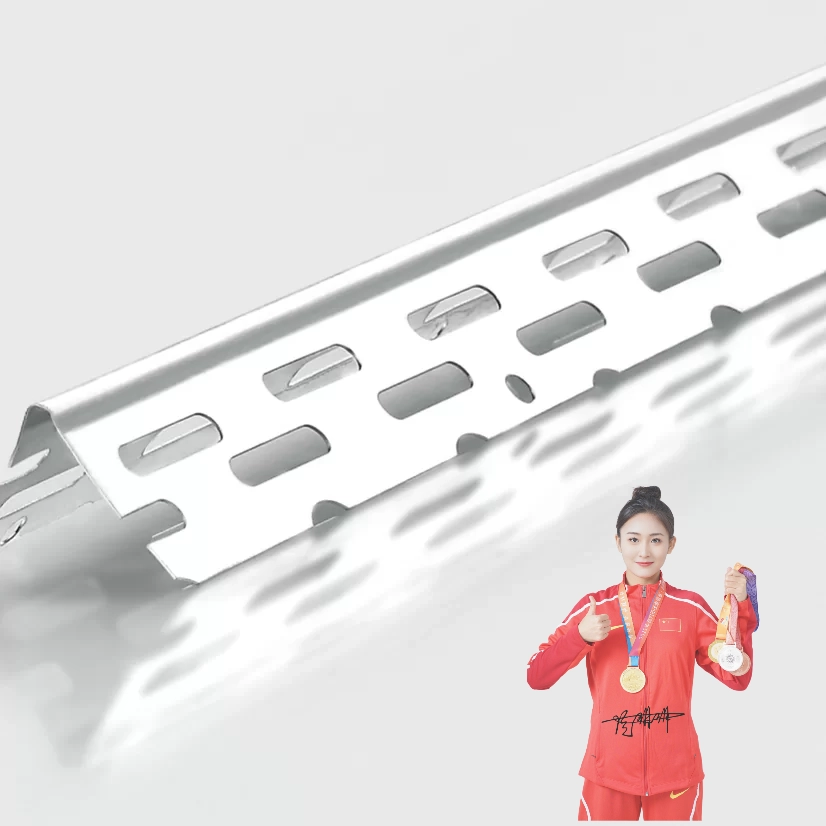

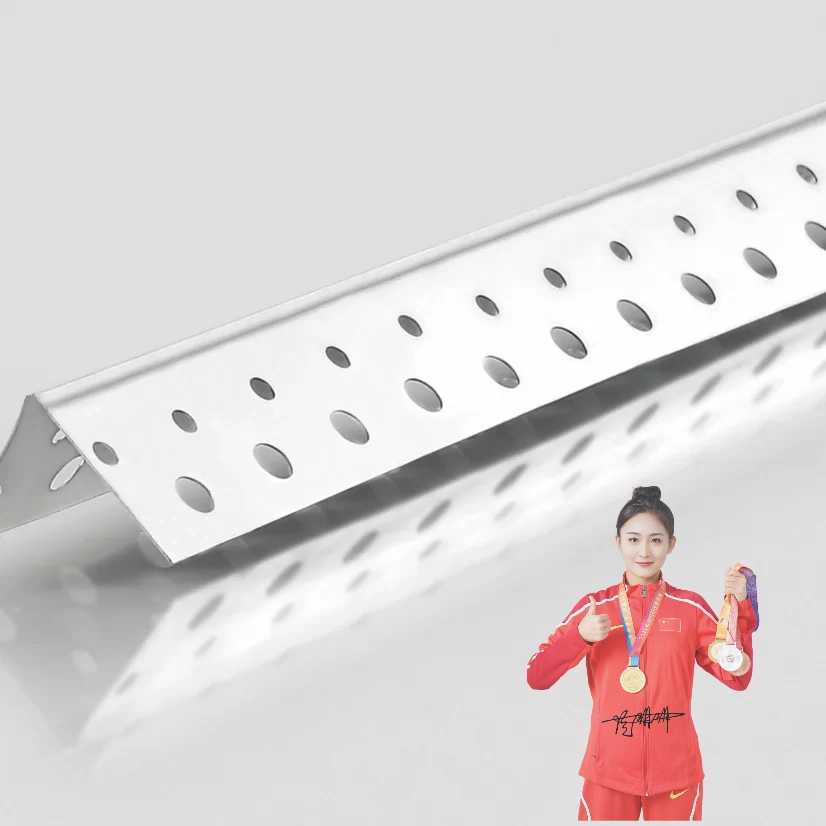
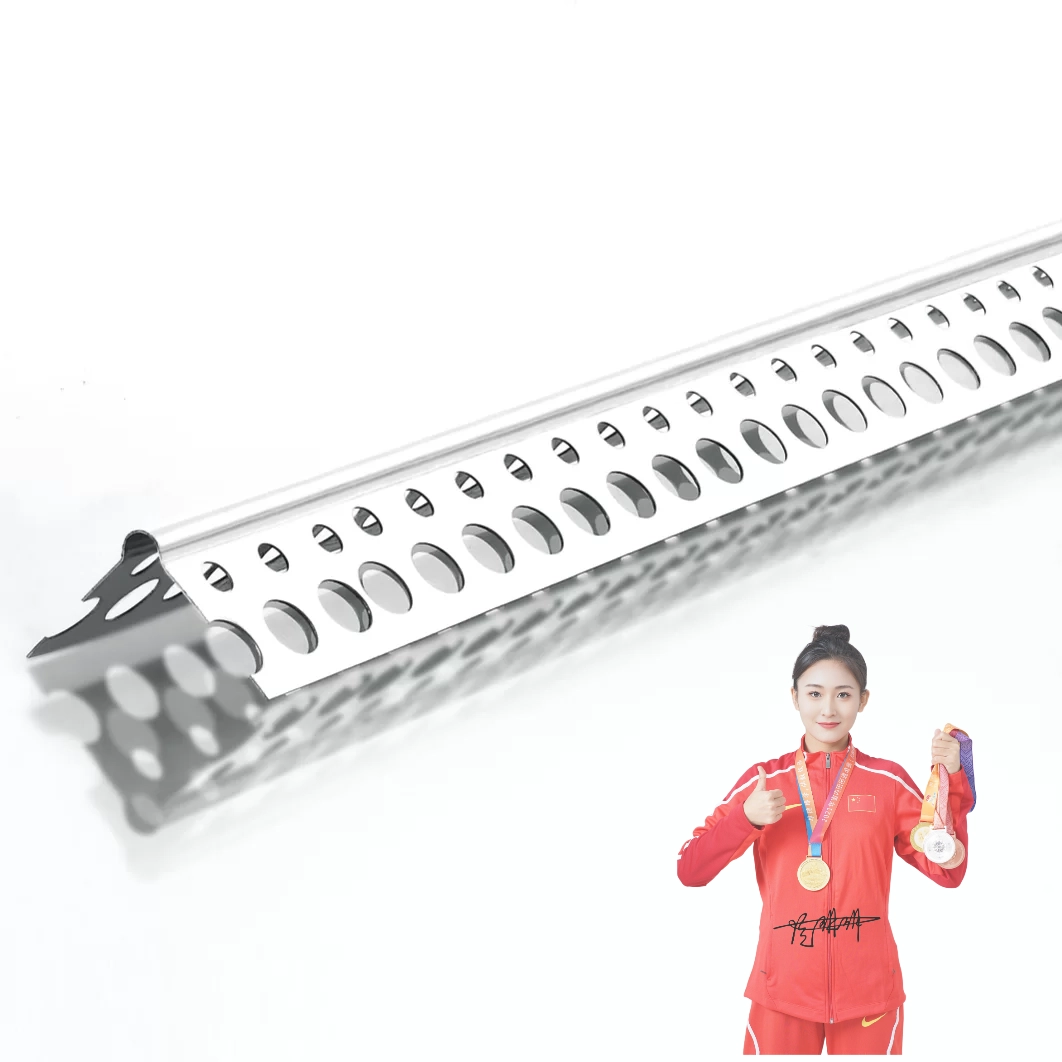
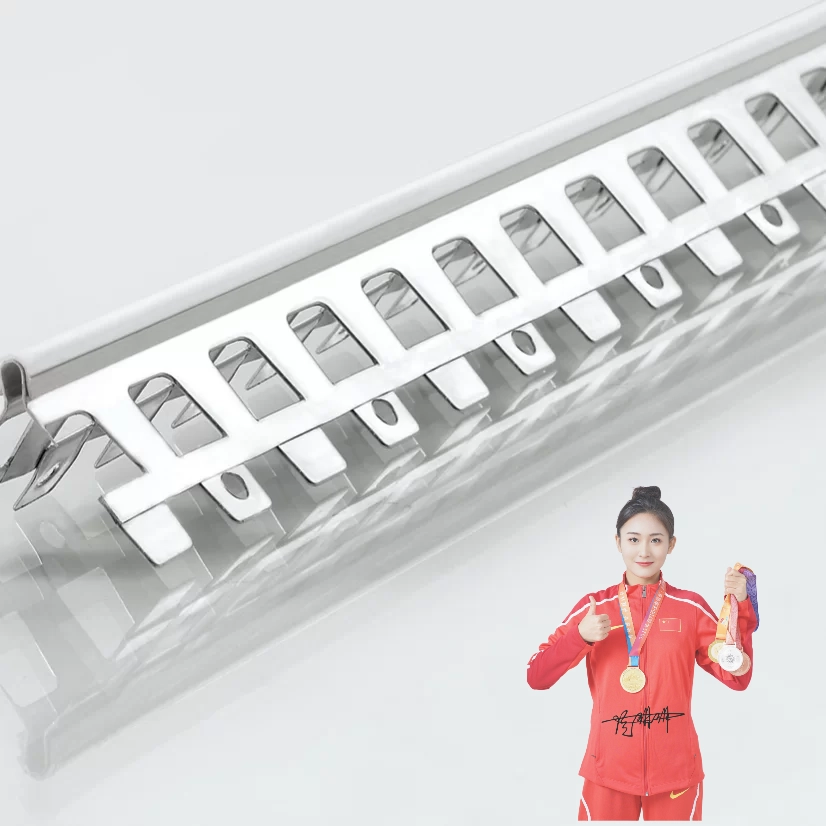
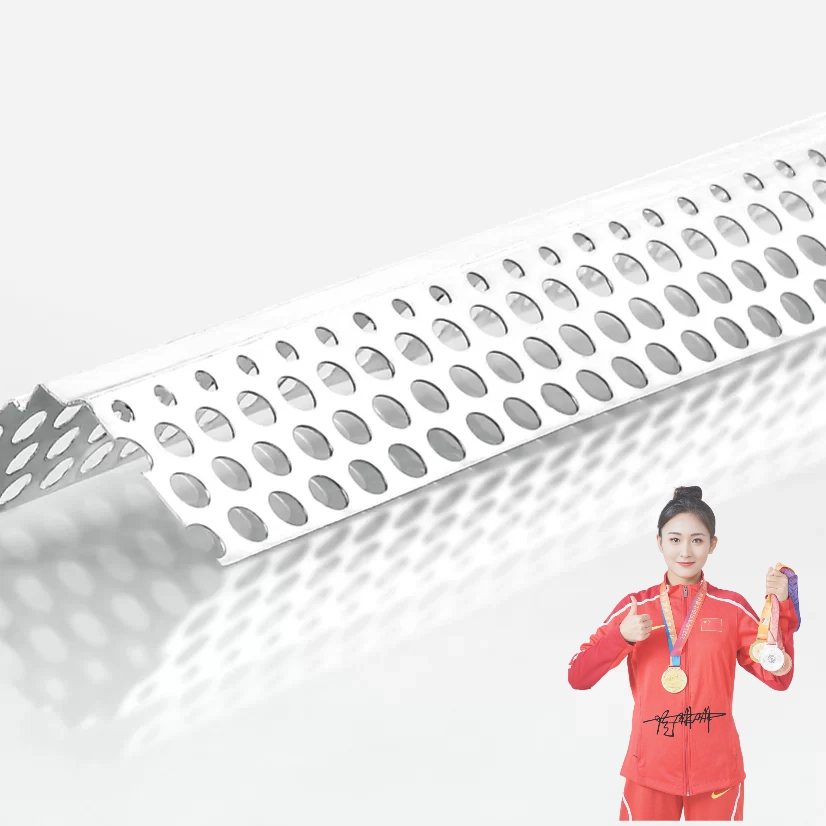
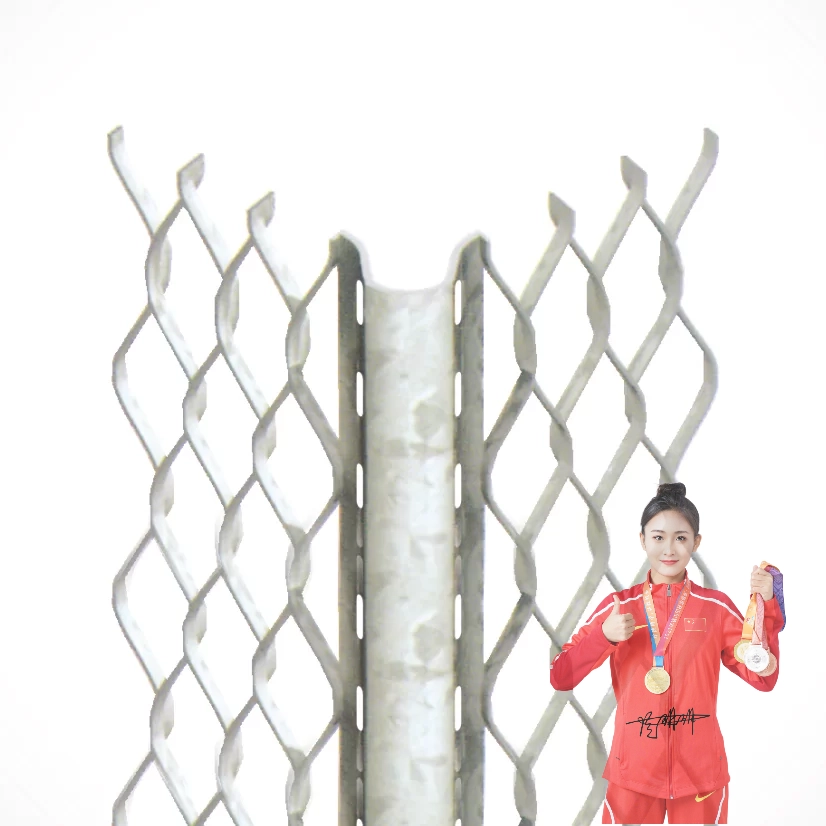
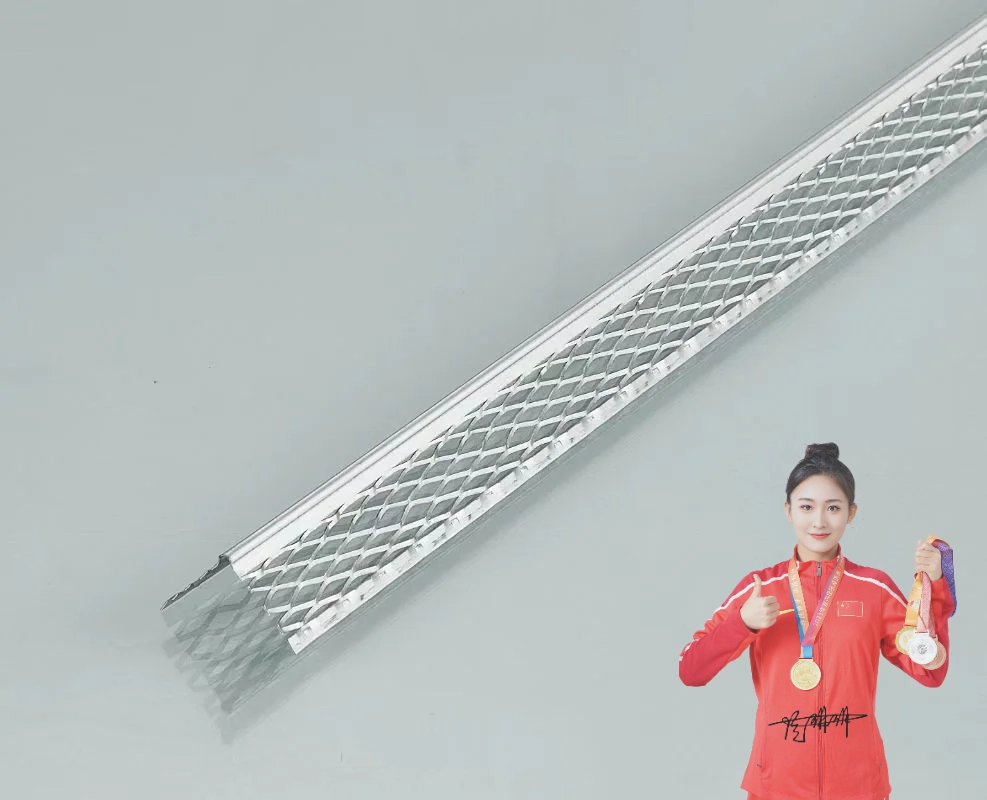
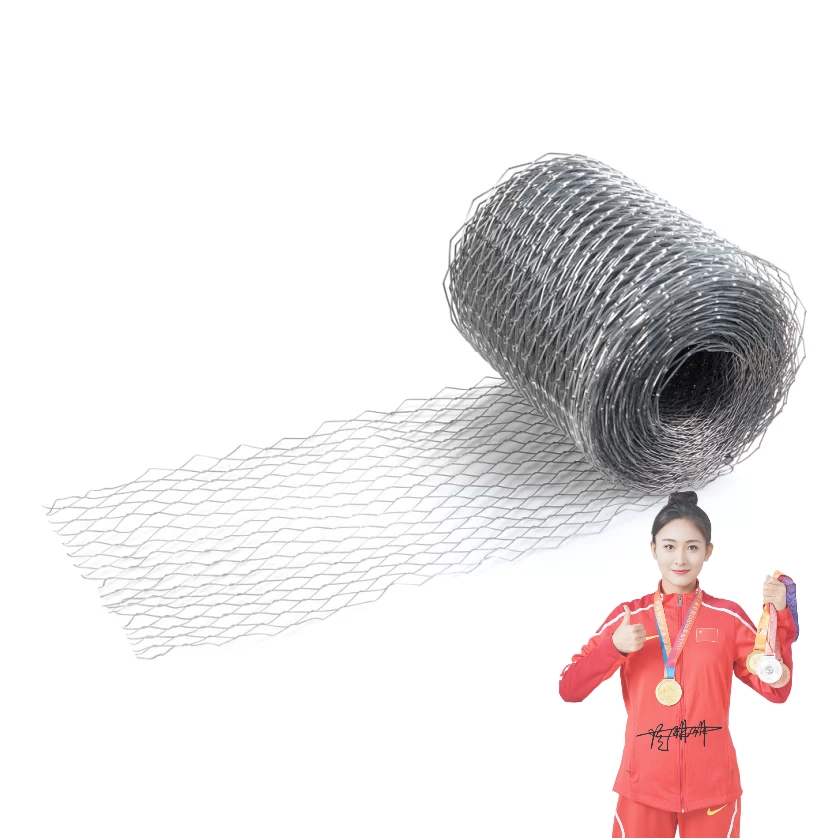
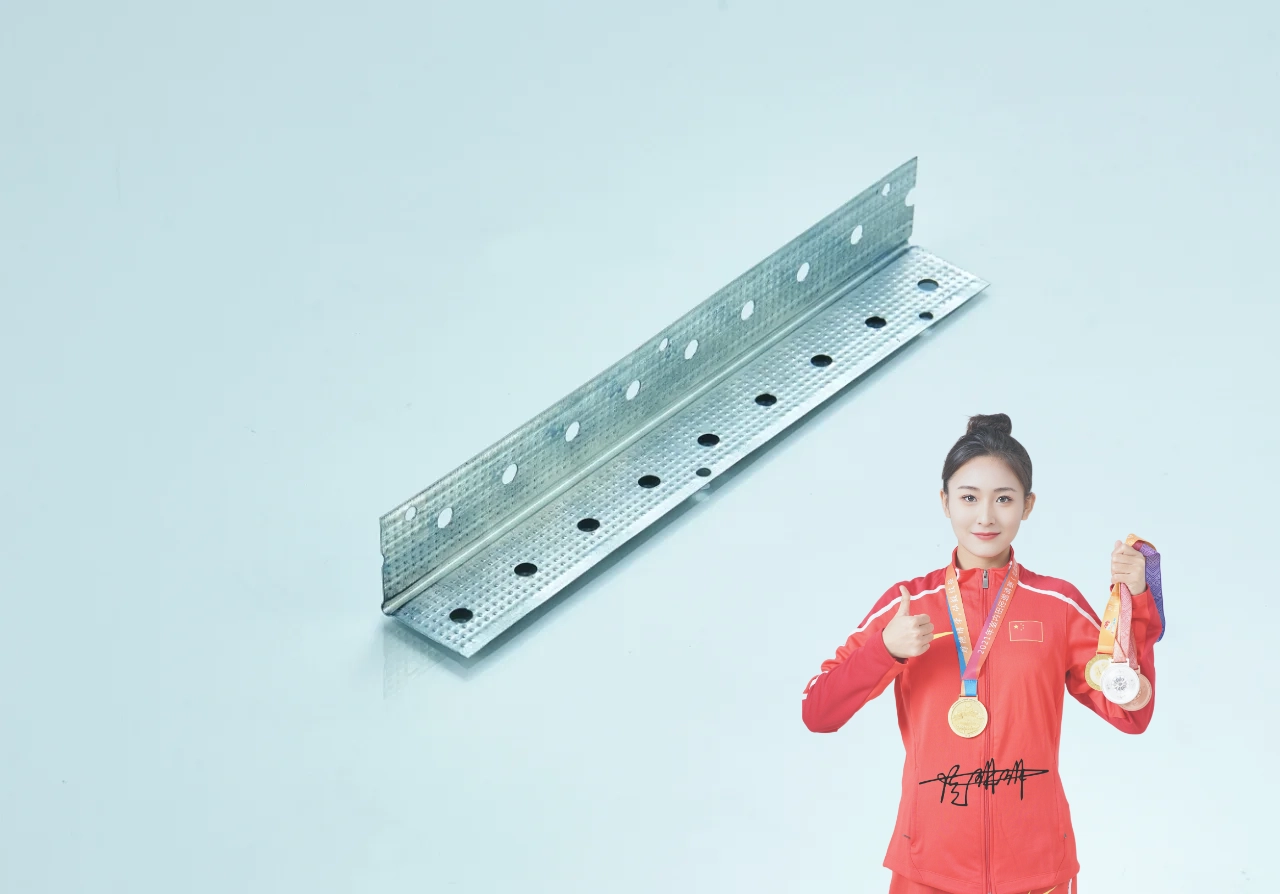
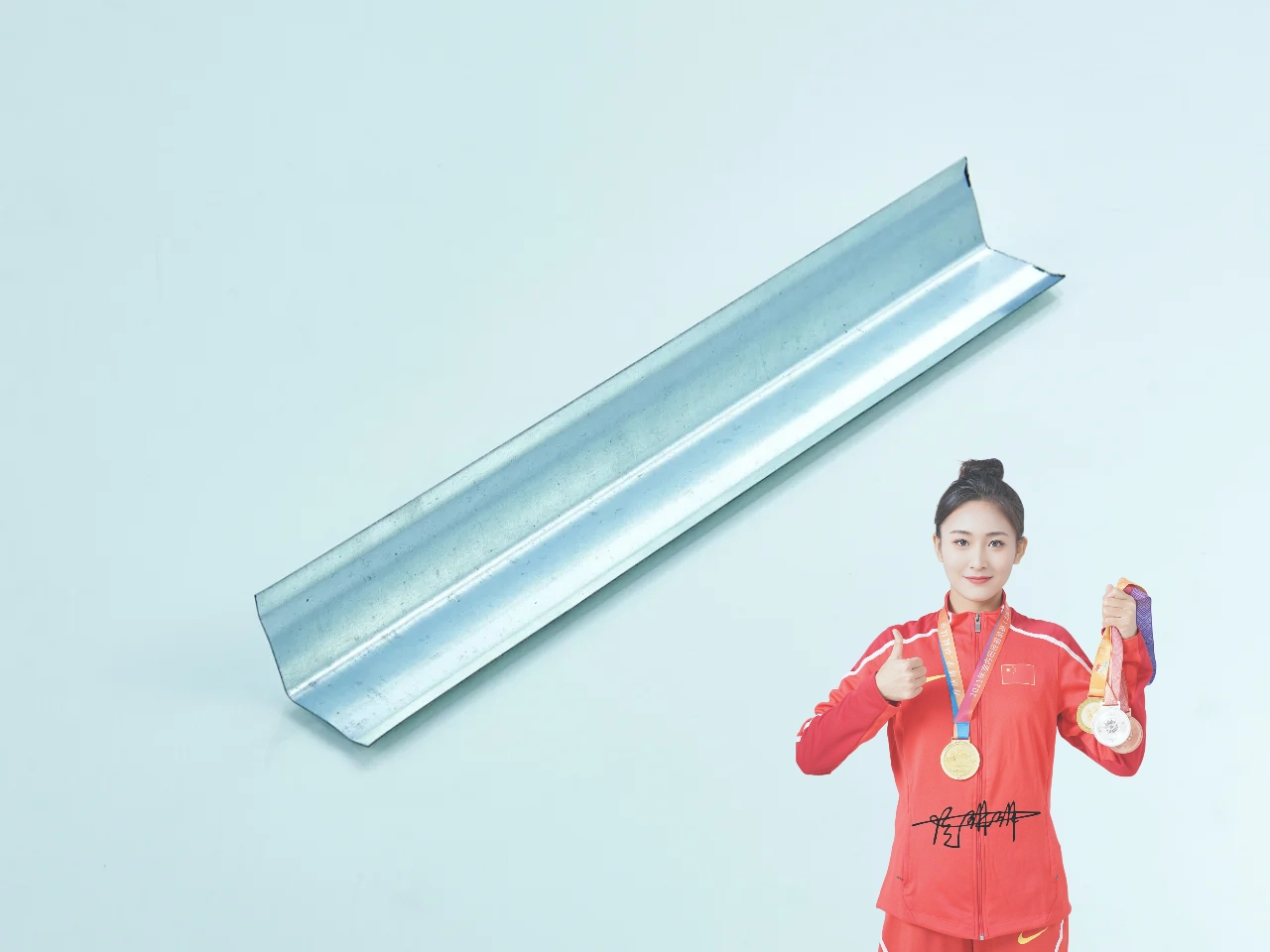
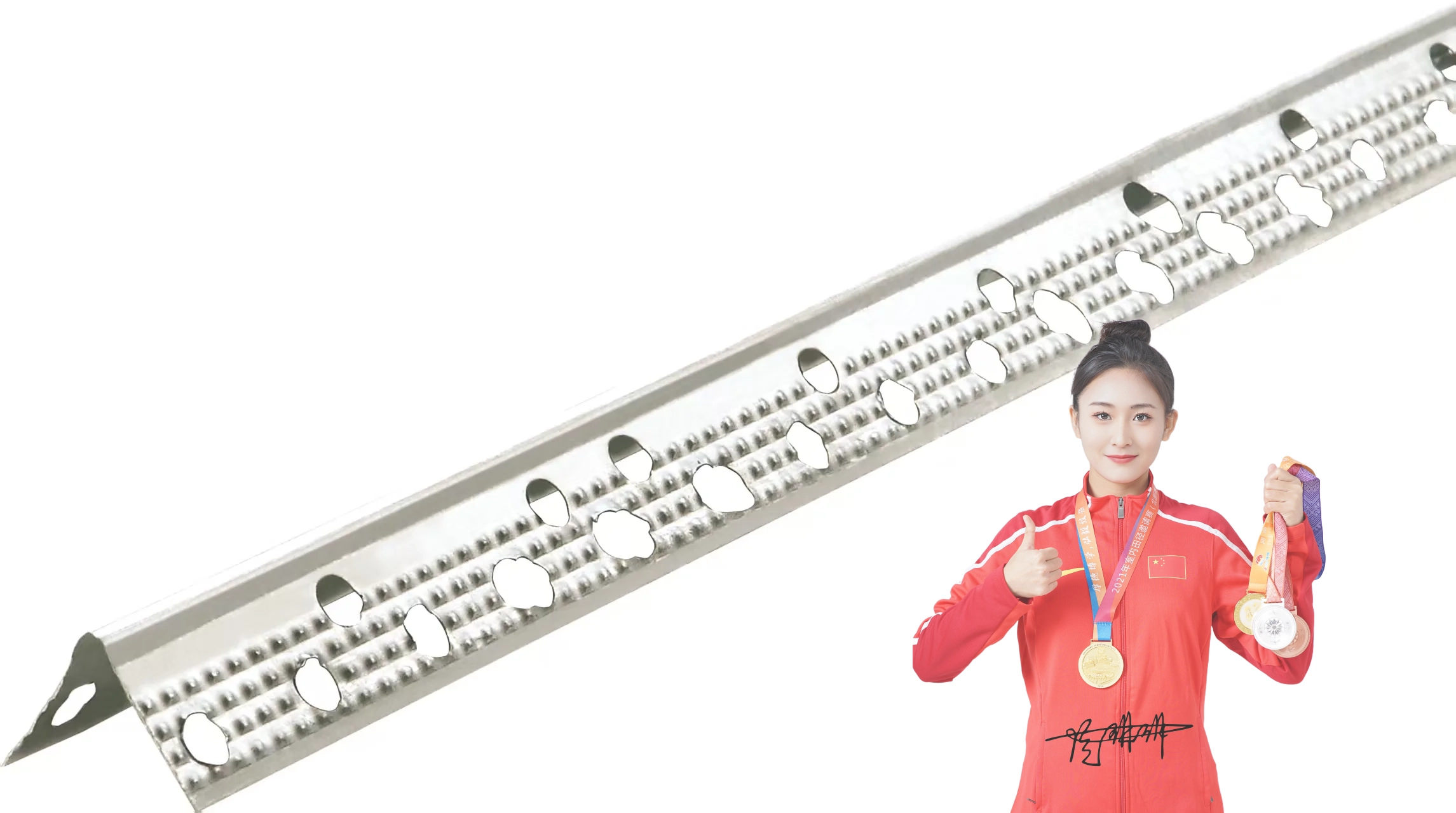
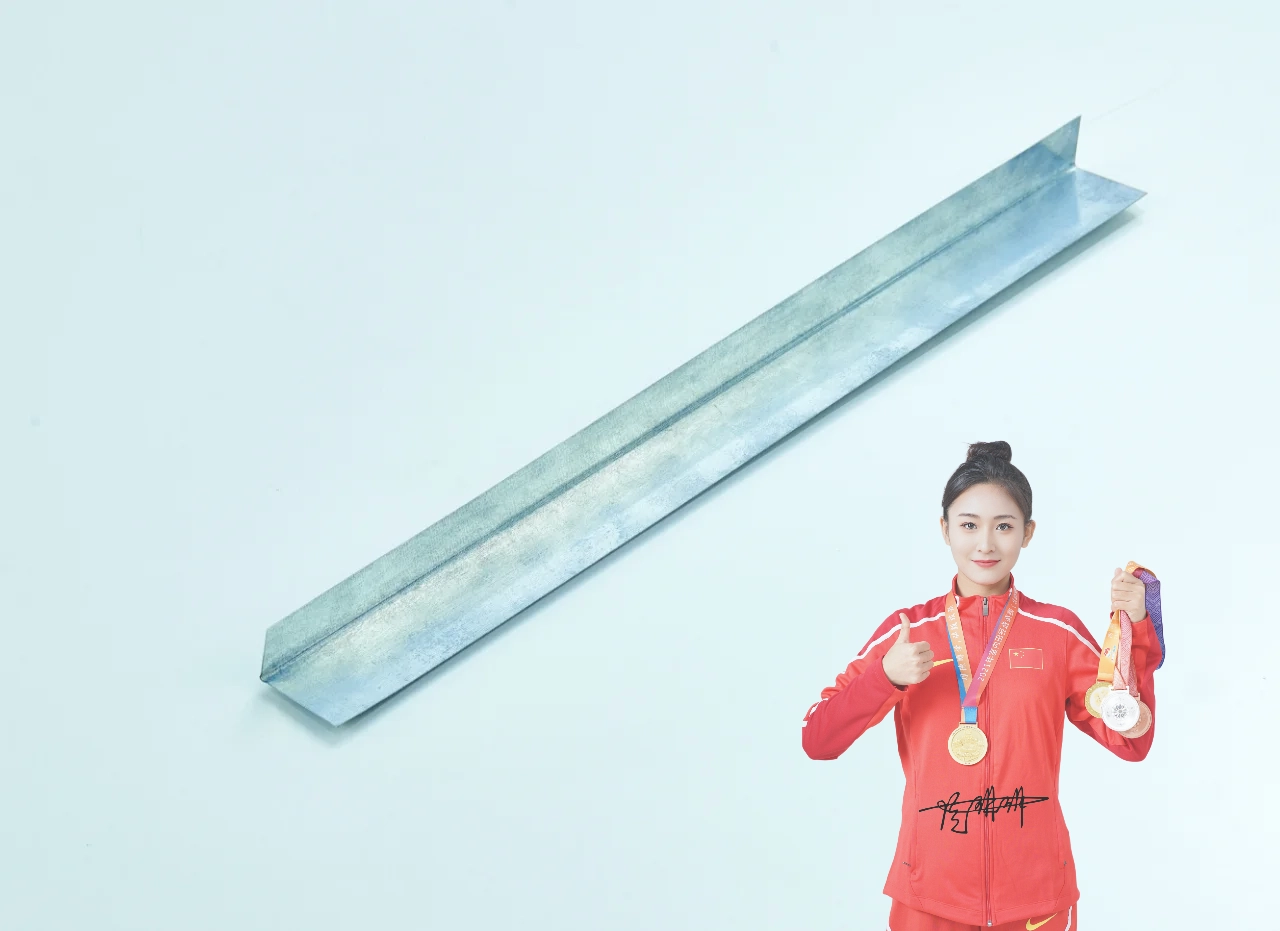
Metal Corner Bead is an essential construction and finishing material used to reinforce and shape external corners in drywall and plaster installations. Made from high-quality galvanized steel, aluminum, or stainless steel, corner beads ensure crisp, straight edges while protecting wall corners from damage, chipping, and wear. With over 60 types available in terms of structure, coating, shape, and edge profile, our range of corner beads meets the needs of both residential and commercial projects—offering solutions for drywall, cement rendering, and external plaster finishes. Whether you're building new or renovating, corner bead is a small component that makes a big difference in final wall quality.
Galvanized Steel – Provides durability, rust resistance, and strong impact protection.
Aluminum – Lightweight and corrosion-resistant, suitable for wet or humid environments.
Stainless Steel – The premium choice for strength and long-term corrosion protection, ideal for high-traffic or outdoor applications.
Corner Beads are designed for both interior and exterior wall finishing, particularly during plastering and surfacing stages. They serve the dual purpose of shaping clean angles and reinforcing the wall structure at vulnerable points.
Typical application locations include:
Door and window openings
Wall edge corners
Columns and pilasters
Ceiling joints and beams
External corners in drywall or cement rendering
Corner beads help to:
Create perfect right angles, rounded edges, or regular straight finishes
Prevent edge cracking, crumbling, or chipping over time
Increase execution speed and reduce rework
Provide a straight guide for trowels and taping knives during plaster application
While plastic (PVC) corner beads are available, metal corner beads are preferred in most professional installations. Plastic beads may crack or deform during fastening and offer less protection to external corners. Metal corner beads offer superior strength, precision, and long-lasting results—making them a must for high-quality finishing.
How to Install a Corner Bead
Tools & Materials Needed
Corner bead (galvanized or stainless steel)
Tin snips
Tape measure
Screw gun or drill
1 1/2" or 2" drywall screws
Drywall joint compound
Joint knife (6” and 10” sizes)
Sandpaper (medium grit)
Installation Steps
Step 1: Cut the Bead
Measure the length of each external corner using a tape measure.
Use tin snips to cut the corner bead to size—cut in from both sides and bend the bead in the center to snap it cleanly.
Step 2: Attach the Corner Bead
Hold the bead tightly against the drywall corner, pressing the peak firmly with your palm.
Drive screws through the holes in the bead at 12-inch intervals along both walls. Begin at the top and work downward.
Ensure each screw sinks slightly below the surface to create a small depression in the drywall without tearing the paper surface.
Tip: Avoid placing screws directly opposite each other—stagger them for a more secure hold. Use a joint knife to check that the bead lies flat the entire length of the wall.
Step 3: Apply First Coat of Joint Compound
Using a 6-inch joint knife, apply a generous amount of setting-type joint compound along both sides of the bead. Use criss-cross strokes to cover all metal surfaces and feather the edges smoothly into the drywall.
Start at one end and work continuously toward the other, resting one side of the knife on the corner bead and the other on the drywall.
Remove any excess mud while floating the knife across the surface to achieve a level base coat.
Step 4: Smooth the Corner
Clean your knife frequently to avoid dried mud buildup.
Once the initial coat is complete, run a clean, straight blade down the entire corner in one continuous pass to level the surface and remove raised edges.
Use the blade’s edge to skim and flatten any mud buildup along the wall edge.
Final touch: Before letting the compound set, scrape upward along the peak of the corner bead to remove any raised mud line.
Step 5: Apply a Second Coat of Mud
Once the first coat has dried fully (check label instructions—dry time varies), lightly scrape any rough patches.
Using a larger joint knife (10” or 12”), apply a second, thinner layer of ready-mixed compound.
Feather the compound beyond the edges of the first coat to blend it into the wall surface. Use light, continuous pressure and overlapping strokes for a smooth, even finish.
Let this coat dry for 12–24 hours.
Step 6: Final Smoothing and Sanding
After the compound dries completely, sand the area lightly using medium-grit sandpaper. Focus especially on the wall edges to blend the plaster and avoid cutting into drywall paper.
The finished surface should be level, smooth, and ready for painting or final decoration.
Structural Reinforcement – Protects and strengthens exposed corners from daily wear and accidental impact
Sharp Finishes – Ensures straight lines and defined angles with minimal effort
Time-Saving – Guides smoother plastering and reduces sanding, speeding up wall finishing
Durability – Corrosion-resistant metal provides long-term performance in any climate
Easy to Use – Installs quickly with screws or nails; no special tools required
Versatile Applications – Suitable for drywall, cement render, lime plaster, and more
With over 60 types of corner beads in our catalog, we provide tailored solutions for:
Right-angle corners
Rounded corners
Wide flange beads
Bullnose profiles
Angle beads with mesh flanges
PVC-metal hybrid options (on request)
We support bulk orders, OEM services, customized packaging, and fast global delivery. Our products are widely used by drywall professionals, plastering contractors, and construction firms across Europe, North America, Southeast Asia, and the Middle East.