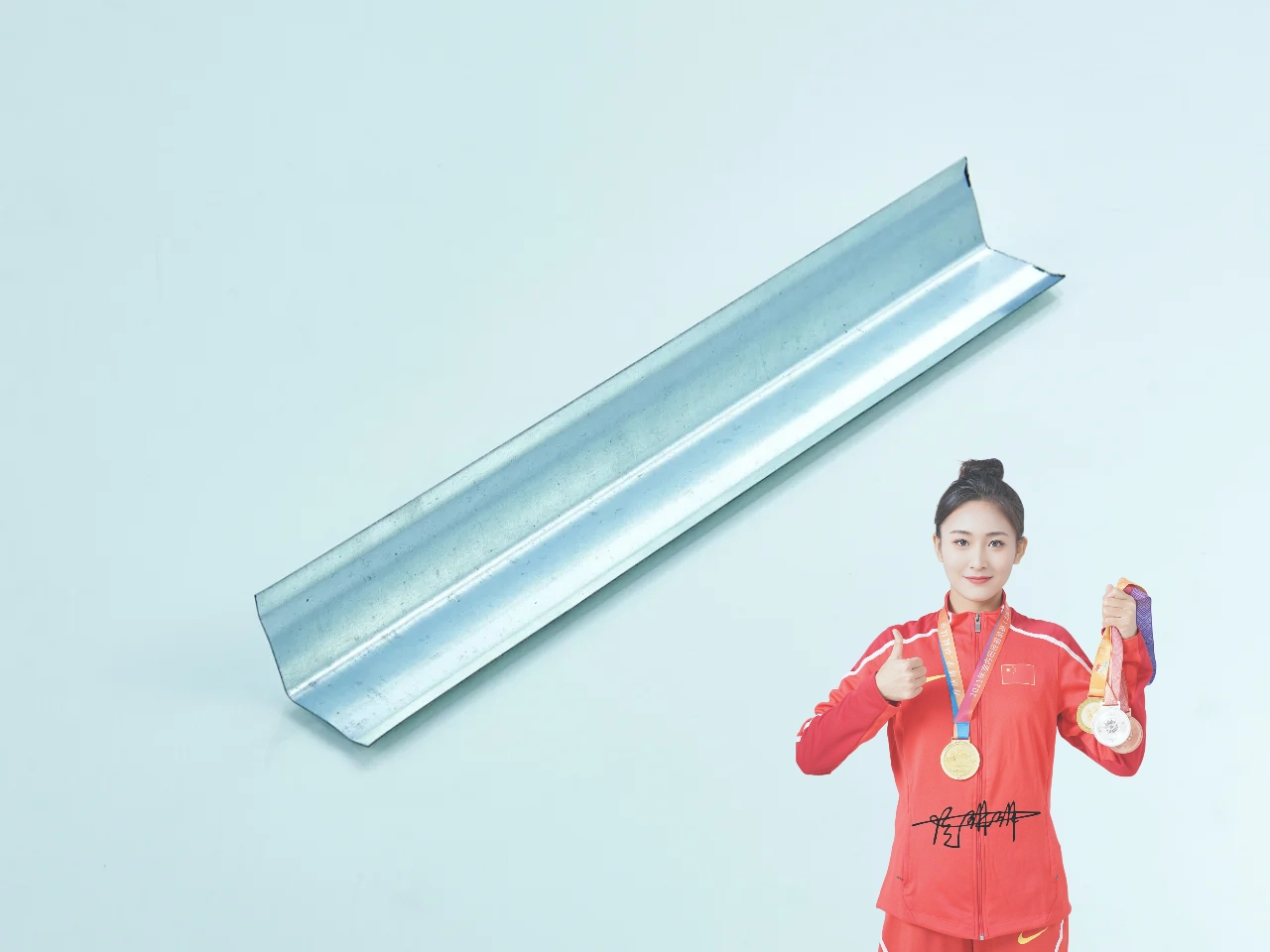
Corner Edging for Drywall: What You Need to Know
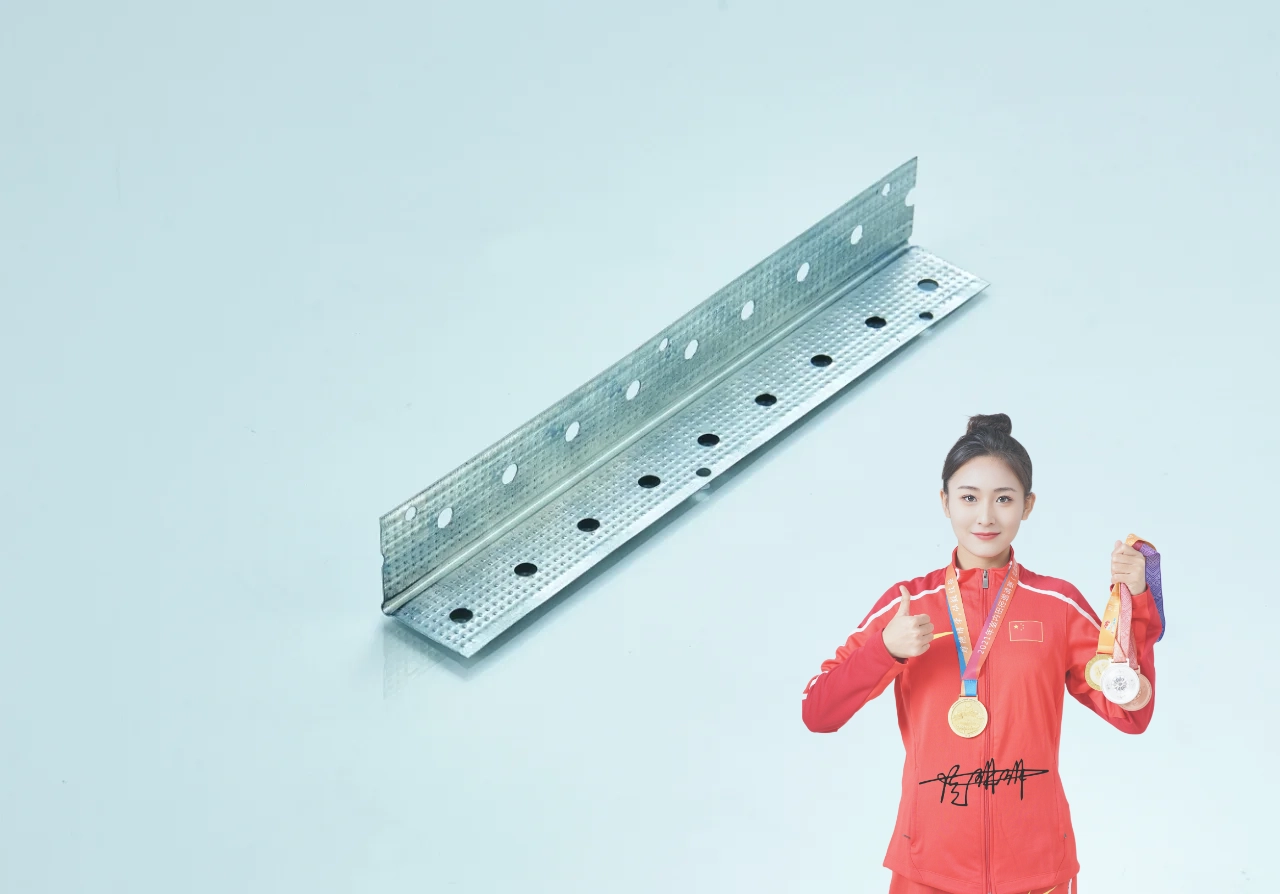
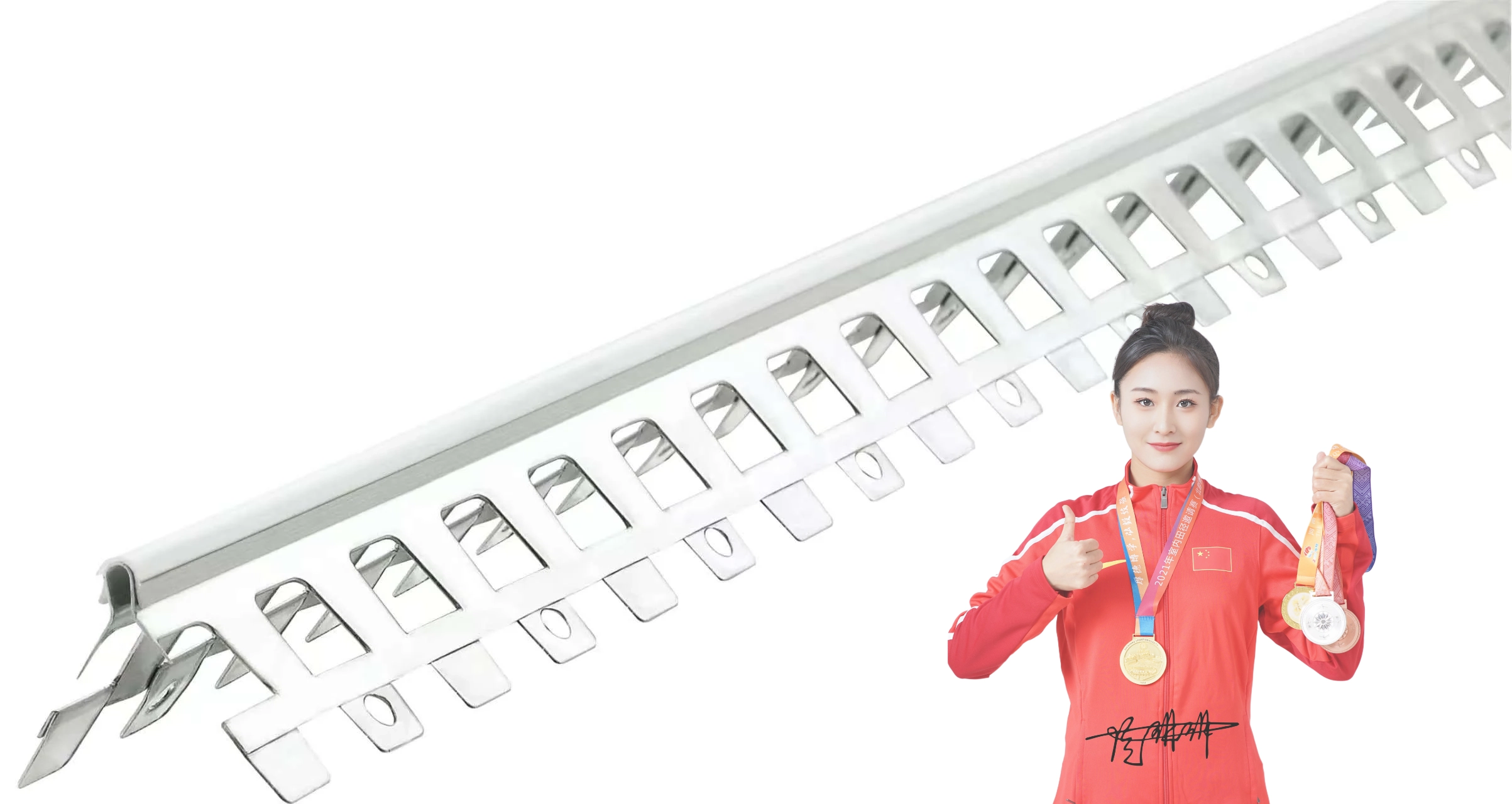
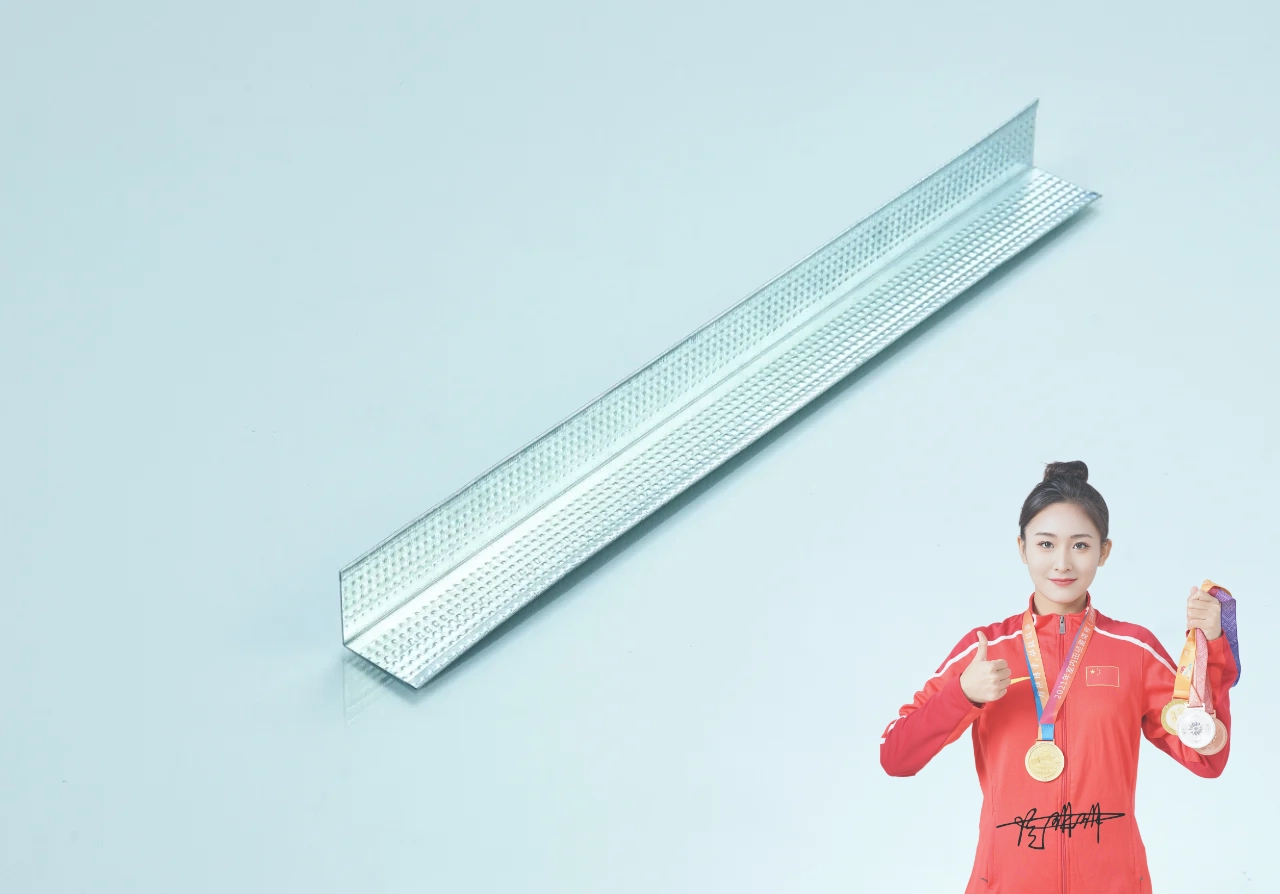
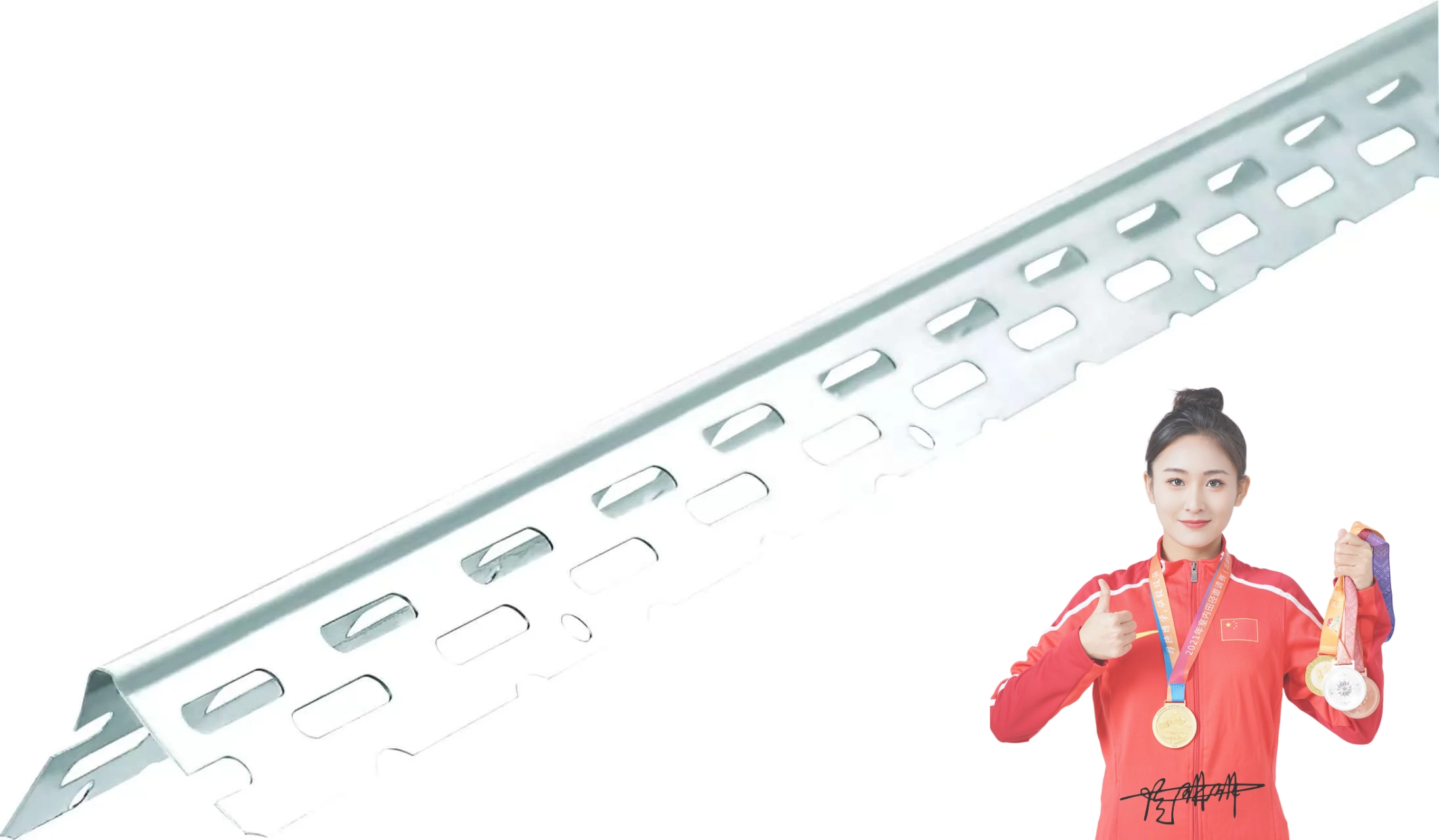
Having spent over a decade in the industrial equipment sector, I’ve seen plenty of building materials come and go. But corner edging for drywall has this strangely enduring presence. It’s one of those details that, frankly, many people overlook, but it’s absolutely crucial for a clean, durable finish on drywall corners. Think of it as the unsung hero standing guard against chips, dents, and unsightly cracks that so often plague freshly finished corners.
Now, if you’re rolling with drywall projects regularly, you’ll know that corner bead varieties can range from simple metal strips to complex composites. Over time, I noticed how newer materials and customized profiles subtly improve job efficiency and finished quality. It feels like manufacturers have gotten smarter about corrosion resistance and installation ease—two big factors that often get overlooked until you’re halfway through a job.
Why Corner Edging Matters More Than You Think
Oddly enough, it’s the corners that get the highest wear and tear—especially in commercial spaces or industrial facilities where trolleys and carts are constantly on the move. Using the right corner edging keeps everything straight and protected. Many engineers I’ve worked alongside emphasize that investing in high-quality corner beads isn’t just aesthetic; it’s a way of future-proofing your build against everyday abuse.
Materials vary widely: from galvanized steel to PVC and even vinyl-coated metal for extra durability in moist environments. Each comes with its own installation quirks. For instance, metal beads offer rigidity but require precision nailing and mudding. Plastic options tend to be more flexible and sometimes easier to snap in place, but they might not offer the same impact resistance.
Corner Edging Product Specs
| Feature | Galvanized Steel Bead | PVC Corner Bead | Vinyl-Coated Metal |
|---|
| Material Thickness | 0.018–0.025 inches | ~0.040 inches | 0.020 inches |
| Corrosion Resistance | Moderate (galvanized coating) | High (non-metallic) | Very High (vinyl coated) |
| Flexibility | Low | Moderate | Low |
| Installation Method | Nail-on or screw | Adhesive & nails | Nail-on |
| Typical Use Case | Standard interiors & drywall corners | Wet areas or curved corners | High-moisture or abrasive areas |
Choosing Your Vendor: A Quick Comparison
| Vendor | Product Range | Customization | Lead Times | Pricing |
|---|
| CornerBeadMfr.com | Extensive (metal & plastic) | High, made-to-order profiles | 5-10 business days | Mid-range |
| DrywallSupplies Inc. | Moderate | Limited custom profiles | 2-4 days | Budget-friendly |
| BuildRight Supply | Wide selection | Moderate | 7-14 days | Higher end |
Real-World Example
I recall a project a few years back in a warehouse renovation—lots of heavy equipment zooming by. The client opted for vinyl-coated metal corner beads from a trusted vendor—not the cheapest option, but the durability was notable. Months later, those corners still looked sharp with zero damage, even after forklifts scraped nearby walls repeatedly. That kind of longevity is worth its weight in gold, especially when downtime or repairs could cost a small fortune.
Customization is also worth mentioning. I suppose many newcomers don’t realize just how tailored corner edging can be. Whether you need a bullnose profile, rounded corners, or specific lengths, specialized manufacturers like corner edging for drywall suppliers can accommodate those demands with relatively short lead times.
In the end, quality corner edging isn’t just about appearance; it protects your investment in walls and boosts the overall finish. It feels satisfying when a job comes together neatly—those clean, crisp corners really do complete the picture.
So next time you specify drywall finishing materials, don’t skim on corner beads. Think of them like the unsung team members making sure everything stays standing tall and intact through daily wear.
Cheers to strong corners and even stronger finishes.
References:
CornerBeadMfr.com Official Site
Industry discussions on drywall durability, Construction Specifier Journal, 2021
Materials Testing Lab Reports, 2019–2023