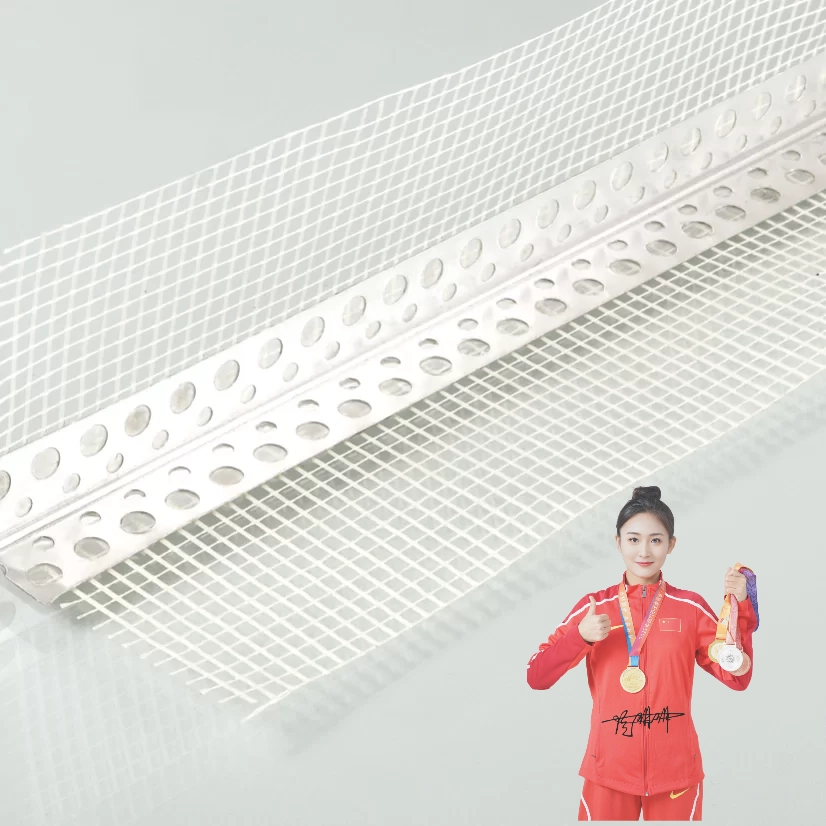
Sharper Corners, Faster Builds: Inside Metal Corner Beads
If you’ve ever walked a jobsite at 6 a.m., you know corners decide the finish. I’ve seen crews switch specs mid-project after seeing how a corner holds up to a single cart bump. That’s why I keep coming back to [aluminum corner bead, drywall metal corner bead, paper faced metal corner bead, metal corner strip, ] as a small component with outsized impact.
What’s trending on sites right now
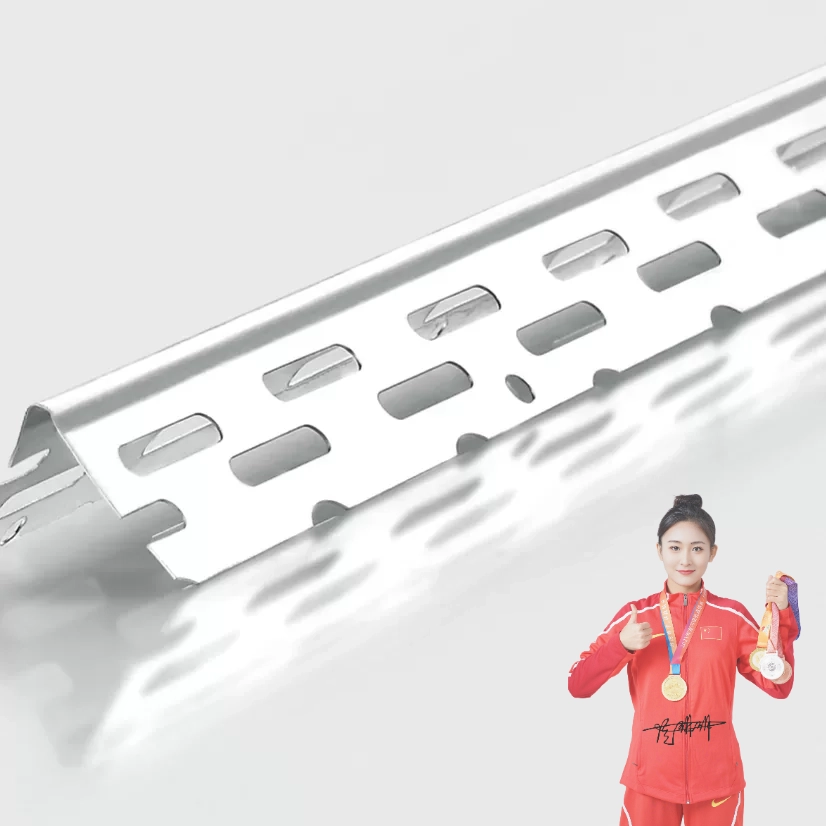
· Paper-faced metal is gaining—fewer callbacks from cracking at the nose, better bond to compound.
· Aluminum profiles for coastal or healthcare projects to avoid rust; stainless in truly harsh zones.
· Prefab wall panels want consistent bead geometry—QC matters more than ever.
· Sustainability checklists: recycled content claims and low-VOC adhesives are being asked for, surprisingly often.
Materials, methods, and standards (the quick technical bit)
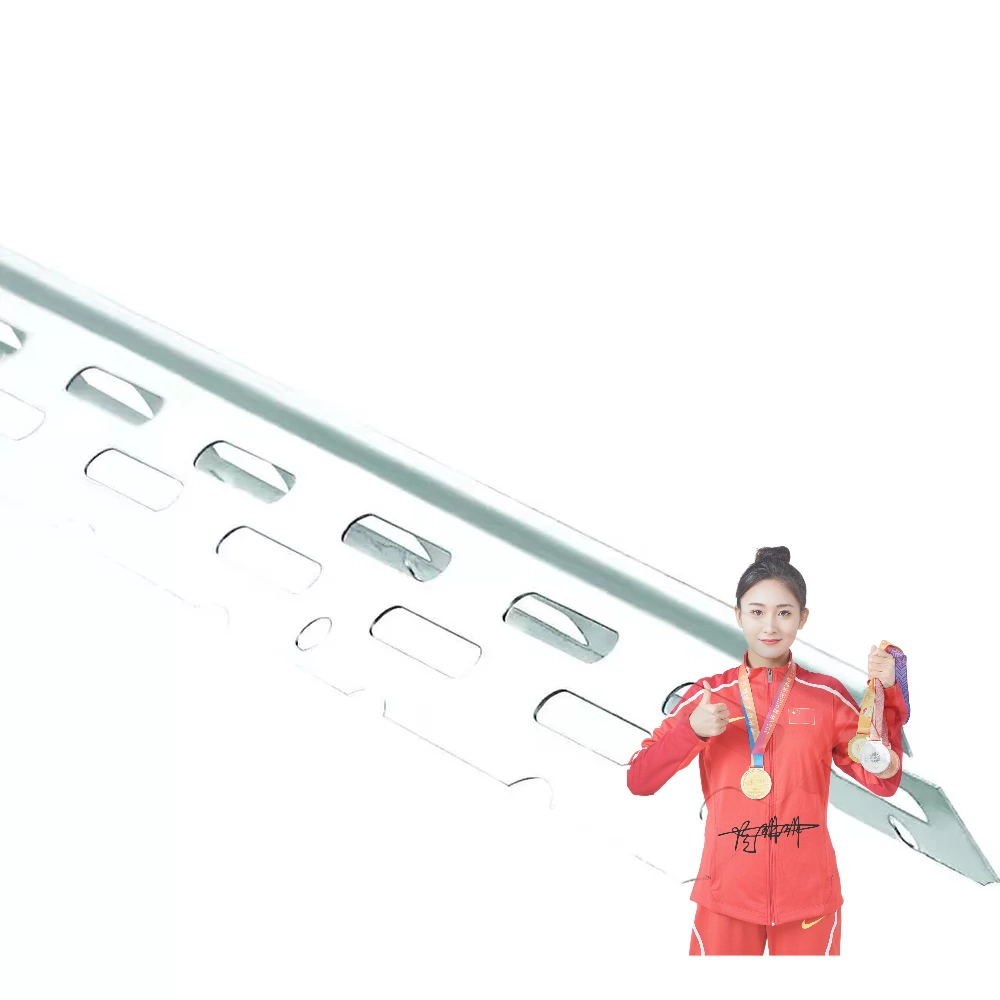
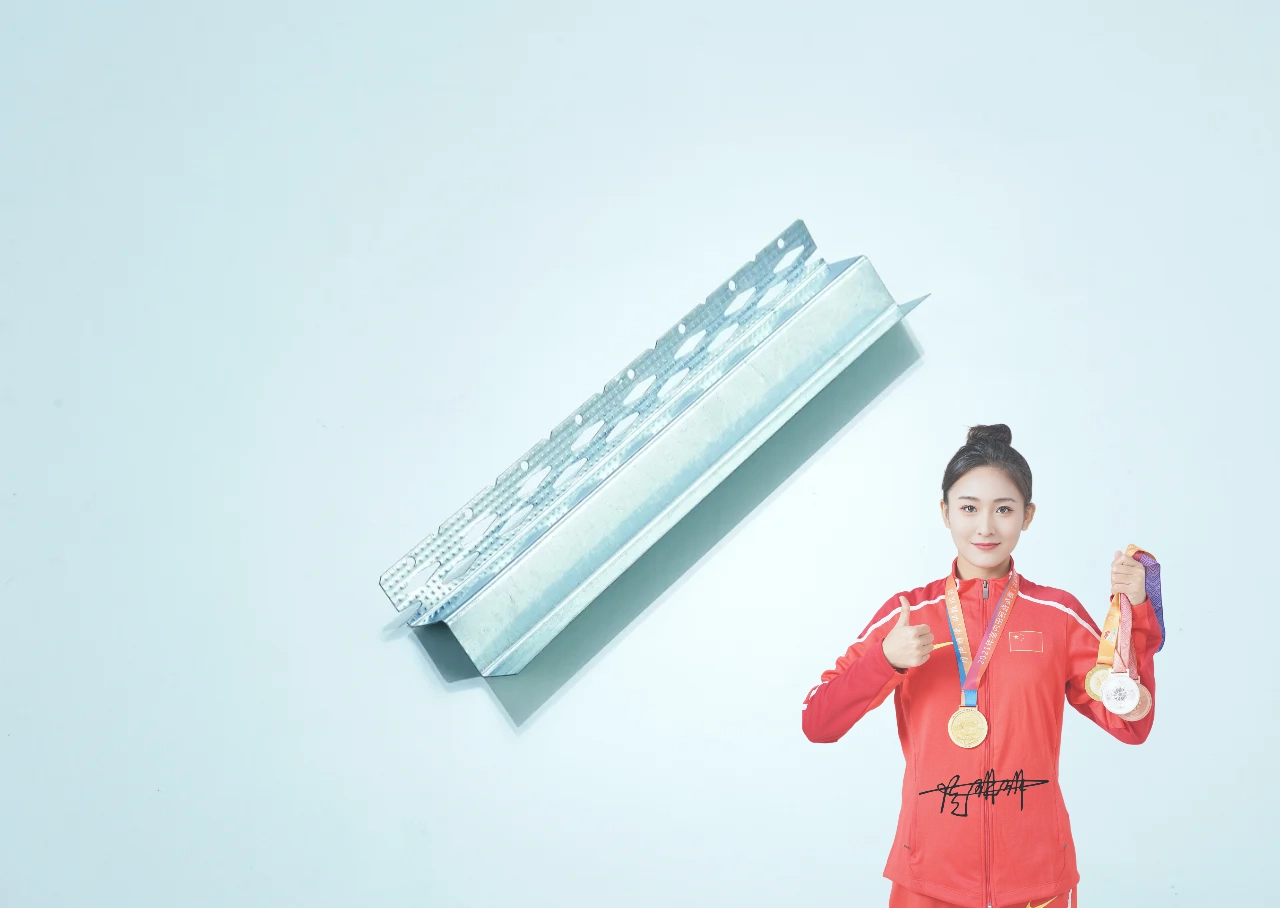
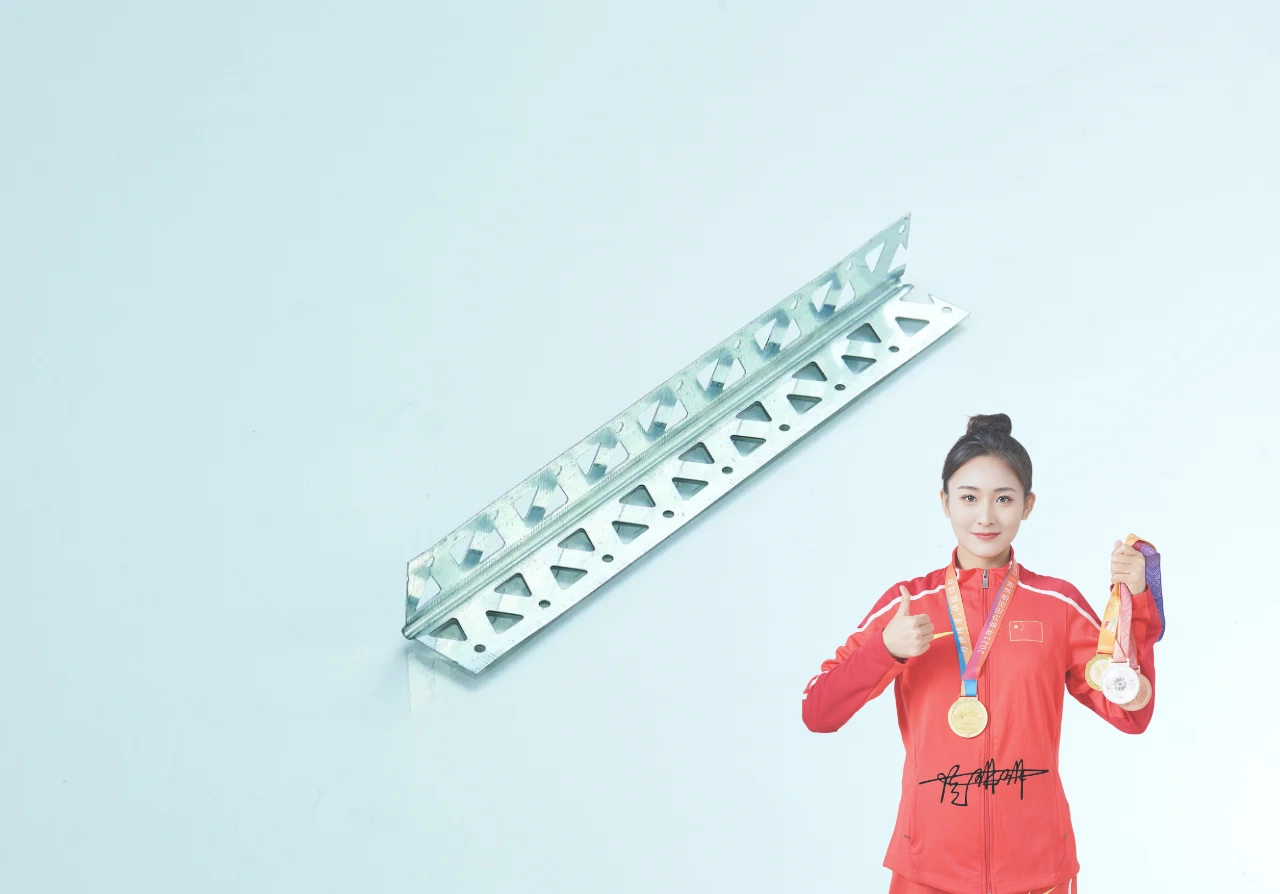
Typical materials: G60/G90 galvanized steel to ASTM A653, 6063-T5 aluminum, and 304 stainless. Profiles are roll-formed, perforated, flanged, and cut to 2.4 m or 3.0 m lengths (8'–10', sometimes 12'). Paper-faced beads get a hot-melt or PVA lamination with pull-off bond tests. Coatings include PVC or powder coat where specified. QC usually follows ASTM C1047 for accessory geometry and galvanizing. For corrosion, many vendors run ASTM B117 salt-spray; 72–240 hours is common depending on zinc weight.
Type | Material | Thickness | Length | Angle | Perforation | Compliance |
Drywall Metal Corner Bead | Galv. steel (G60/G90) | ≈0.3–0.5 mm | 2.4–3.0 m | 90° (85–135° variants) | Standard keyhole | ASTM C1047 |
Paper-Faced Metal | Galv. steel + kraft | ≈0.35–0.45 mm | 2.7–3.0 m | 90° (adjustable) | Micro-perf + bond | ASTM C1047, GA-216 |
Aluminum Corner Bead | 6063-T5 Al | ≈0.5–0.7 mm | 2.4–3.6 m | 90° | Slot perf | ASTM C1047 |
Where they shine
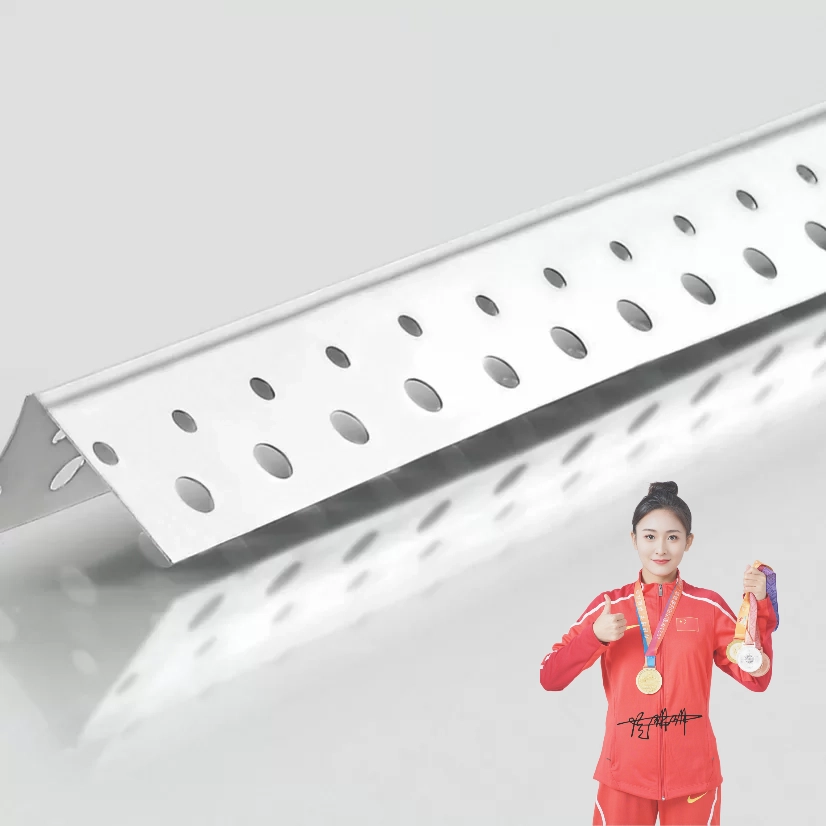
Hospitals, schools, hotels—any corridor that sees luggage and gurneys. Moisture-prone areas (choose aluminum or stainless). Exterior plaster/render with expanded flange beads. For clean modern lines, metal corner strip profiles help where trimless details meet drywall returns.
Installers still debate between aluminum corner bead, drywall metal corner bead, paper faced metal corner bead, metal corner strip, depending on mud system, humidity, and schedule. Many customers say paper-faced cuts sanding time; steel wins on price; aluminum wins on corrosion.
Vendor snapshot (real-world differences)
Vendor | Core Material | Typical Gauge | Certs | Lead Time | Notes |
Specialist Manufacturer | G90 steel, 6063 Al | 0.35–0.5 mm | ASTM C1047, ISO 9001 | 2–4 weeks | Custom angles, paper-faced bond tests |
Big Box Brand | G60 steel | ≈0.35 mm | ASTM C1047 | In stock | Convenient, fewer specialty profiles |
Importer/Value | Mixed | 0.3–0.4 mm | Varies | 4–8 weeks | Watch QC; verify zinc weight |
Customization and lifecycle
Options: custom nose radius, wider flanges for thick skim coats, adjustable angle (85–150°), powder colors, and pre-notched legs for curves. Service life: ≈25–50 years in conditioned interiors; coastal exteriors push you toward aluminum or stainless. Always check salt-spray data and zinc designation.
Field notes and mini case studies
· Mid-rise apartments: switching to paper-faced saved one sanding pass; punch list shrinkage cracks dropped by ~30% (site foreman estimate).
· Hospital wing: aluminum bead around wet cores—no rust bleed after 18 months; impact dings repaired with one-coat setting compound.
Certifications seen in submittals: ASTM C1047 conformance, GA-216 for application, GREENGUARD for low emissions (where adhesives are involved), ISO 9001 for plant QC. Real-world use may vary.
References
1. ASTM C1047: Accessories for Gypsum Wallboard
2. ASTM A653/A653M: Galvanized Steel Sheet
3. ASTM B117: Salt Spray Testing
4. GA-216: Application and Finishing of Gypsum Panel Products