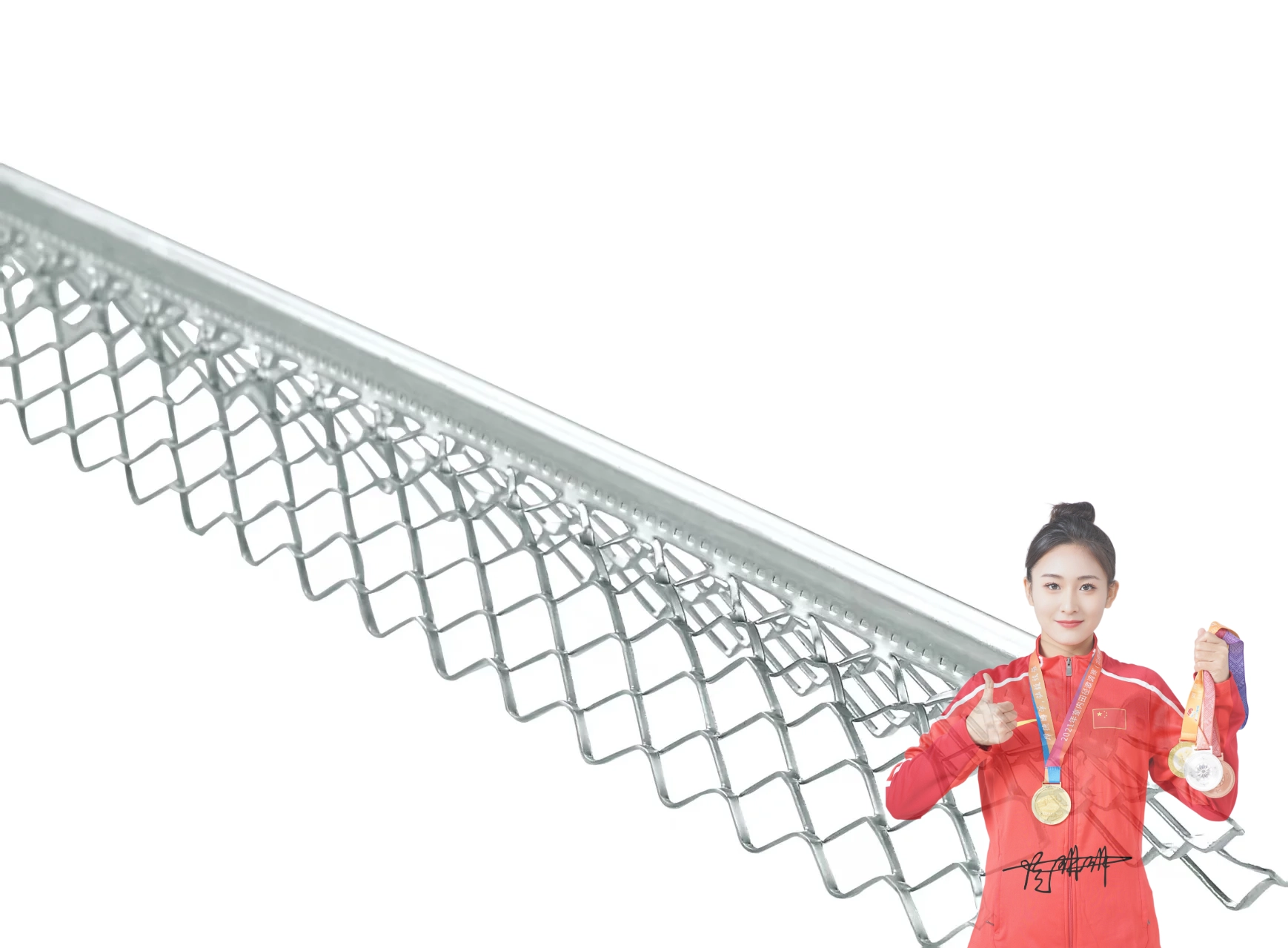
What is a Galvanised Steel Wire Mesh Sheet and Why It Matters Globally
In a world where infrastructure, safety, and longevity often determine quality of life, understanding materials like the galvanised steel wire mesh sheet becomes surprisingly vital. From securing construction sites to enabling sustainable farming, this product quietly underpins many facets of daily life and industry on a global scale. Its value lies not just in metal and mesh, but in practical benefits like corrosion resistance and strength – factors that drive economies, save resources, and shape solutions in humanitarian crises.
Global Context: The Rising Importance of Galvanised Steel Wire Mesh Sheets
Today, steel consumption is a barometer of industrial health worldwide. According to the World Steel Association, global steel production surpassed 1.9 billion metric tons in recent years, with applications spanning from skyscrapers to simple fencing. Among the diverse steel products, galvanised steel wire mesh sheets stand out for their versatility and durability. Their use cuts across continents—from vast agricultural zones in Asia to urban redevelopment projects in Europe.
One challenge galvanised steel wire mesh sheets address is longevity in corrosive environments. This is hugely important when exposed to humid coastal weather, chemical-rich industrial zones, or regions with heavy rainfall. Without proper protection, steel corrodes quickly, leading to costly replacements and safety hazards. Galvanisation — coating steel with zinc — substantially slows this degradation. In other words, these sheets help keep critical structures stable where it matters the most.
Mini takeaway: In global terms, galvanised steel wire mesh sheets are more than building components; they solve pressing durability and cost issues in infrastructure worldwide.
Defining Galvanised Steel Wire Mesh Sheet
Simply put, a galvanised steel wire mesh sheet is a net-like sheet made by welding or weaving steel wires, which is then coated in a layer of zinc. This galvanisation process safeguards against rust and corrosion. The mesh format, with its open woven design, offers strength without excessive weight, allowing for airflow, drainage, and visibility depending on its application.
Whether holding concrete together, protecting crops from pests, or providing barriers in security installations, the galvanized mesh merges modern factory precision with the timeless qualities of steel. Its relevance spills over into humanitarian efforts—think quick and durable fencing solutions post-natural disasters or reliable reinforcements in temporary shelters.
Core Components and Features That Make It Tick
1. Durability and Corrosion Resistance
Galvanisation provides a robust zinc barrier. Steel wire meshes coated this way can last decades, resisting harsh environmental wear and tear better than untreated alternatives, significantly reducing maintenance costs. This plays out powerfully in coastal infrastructure where salt spray can be ruthless.
2. Strength and Flexibility
Depending on the wire gauge and mesh size, these sheets can be designed to support heavy loads or be flexible enough for curved installations. This adaptability is a favorite for engineers requiring tailored solutions.
3. Scalability of Production
Factories worldwide have streamlined the production of galvanised wire mesh sheets, making them widely available and customizable. This scalability meets everything from large infrastructure demands to bespoke architectural features.
4. Cost-Effectiveness
While galvanized sheets cost more upfront than bare steel, their lower upkeep and replacement rates bring significant savings over time – a classic “pay-now-or-pay-more-later” scenario.
5. Sustainability Angle
Steel itself is among the most recycled materials globally, and galvanisation doesn't impede recycling efforts, supporting circular economy initiatives.
Typical Specifications of Galvanised Steel Wire Mesh Sheets
| Specification |
Details |
| Wire Diameter |
0.5 mm – 5 mm |
| Mesh Opening (Aperture) |
5 mm – 100 mm |
| Coating Thickness |
40–275 g/m² of zinc |
| Sheet Size |
Typically 2m x 3m (custom sizes available) |
| Standard Compliance |
ISO 1461 – Hot-dip galvanizing |
Mini takeaway: The versatility of galvanised steel wire mesh sheets lies in their tailored specifications, enabling varied uses while maintaining strength and longevity.
Where and How Are These Mesh Sheets Used Globally?
The beauty of galvanized steel wire mesh sheets is in their ubiquity and adaptability. Construction industries in rapidly urbanizing areas like Southeast Asia rely heavily on these for concrete reinforcement and structural safety. Agricultural regions in South America use them as protective barriers against pests while ensuring airflow for crops.
Non-governmental organizations (NGOs) use galvanized mesh sheets in disaster-hit zones—such as after earthquakes or floods—to rebuild fences, shelters, or even to stabilize debris. In Europe and North America, it's common to see them in public parks as protective cages for newly planted trees or temporary fencing at events.
Oddly enough, the mining sector in Australia and South Africa also puts these sheets to work for screening and sorting operations, thanks to their customizable mesh openings and rugged design.
Mini takeaway: Galvanised wire mesh sheets’ widespread use spans far beyond just building—to agriculture, humanitarian aid, mining, and more.
Advantages and the Bigger Picture of Long-Term Value
- Cost Savings: Less replacements, minimal rust-related repairs.
- Environmental Benefits: Recyclable steel, long-lasting coating reduce waste.
- Safety & Security: Tough barriers with visibility promote both security and openness.
- Social Impact: Durable infrastructure and fencing help communities rebuild and thrive.
- Innovation Potential: Easily customizable for evolving industry needs—from smart construction to green architecture.
Emotionally, there’s a layer of trust in using something robust and reliable—engineers say it offers peace of mind, which frankly can’t be measured in dollars alone.
Looking Ahead: Future Trends and Innovations
The future of galvanised steel wire mesh sheets aligns closely with advances in sustainable materials science and digital manufacturing. Projects integrating Industry 4.0 principles are making customized production faster, reducing waste.
Newer coatings, sometimes combining galvanisation with polymer layers, offer even better corrosion resistance and longer service life in extreme conditions. Governments pushing green building certifications drive demand for materials that balance durability with environmental responsibility.
Robotic installation and automated quality control may become standard, making deployments safer and more cost-effective. Plus, recycled steel content is trending upward, closing the loop on circular economies.
Challenges and Expert Solutions
Despite their strengths, galvanised steel wire mesh sheets can face issues like mechanical damage during transport or installation, leading to coating breaches. In aggressive industrial environments, zinc layers alone may not suffice.
Experts suggest combining galvanisation with supplementary protective treatments or choosing mesh with thicker coatings. Logistics planning minimizes physical damage risks, and newer supply chain tech helps trace product origins to ensure quality standards.
Comparison of Leading Galvanised Steel Wire Mesh Sheet Vendors
| Vendor |
Coating Thickness (g/m²) |
Custom Sizes |
Average Lead Time |
ISO Certification |
| SteelMeshPro Ltd. |
80 – 120 |
Yes |
2 weeks |
ISO 1461, ISO 9001 |
| GlobalSteel Wire |
100 – 150 |
Limited |
3 weeks |
ISO 1461 |
| EcoMesh Supplies |
60 – 100 |
Yes, fast turnaround |
1 week |
ISO 14001 |
FAQs About Galvanised Steel Wire Mesh Sheets
Q1: How long does a galvanised steel wire mesh sheet typically last outdoors?
A: With proper galvanisation thickness (usually 85 g/m² or higher), these sheets can last 15 to 30 years in typical outdoor environments. Exposure to saltwater or industrial chemicals may shorten lifespan unless additional coatings are applied.
Q2: Can galvanised steel wire mesh sheets be customized in size and mesh opening?
A: Yes, most suppliers offer a range of wire diameters and mesh apertures. Custom sizes are also common to suit specific project needs, whether for heavy-duty fencing or fine protective screens.
Q3: Are these wire mesh sheets recyclable?
A: Absolutely. Steel is one of the most recycled materials globally, and the zinc galvanisation layer doesn’t hinder recycling. This supports more sustainable construction and waste management practices.
Q4: What industries benefit the most from galvanised steel wire mesh sheets?
A: Beyond construction and agriculture, key beneficiaries include mining, manufacturing, and disaster relief organizations. Its strength, customizability, and durability create broad appeal.
Q5: How do NGOs import galvanised wire mesh sheets efficiently?
A: NGOs typically partner with certified local suppliers to ensure quality and reduce shipping delays. Bulk procurement and inspection before shipment can minimize losses and speed deployment in critical zones.
Conclusion: The Long-Term Power of Galvanised Steel Wire Mesh Sheets
Summing up, galvalnised steel wire mesh sheets prove their worth as a stalwart of durable, flexible, and sustainable infrastructure components. Their capacity to resist corrosion and fulfill varied industrial needs makes them indispensable across the globe.
Interested in finding out more or sourcing reliable products? Visit our website at galvanised steel wire mesh sheet for detailed catalogs and expert consultations.
References:
1. World Steel Association – Global Steel Data, worldsteel.org
2. ISO 1461 – Hot-Dip Galvanized Coatings on Steel Products, iso.org
3. Industry 4.0 Overview, Wikipedia