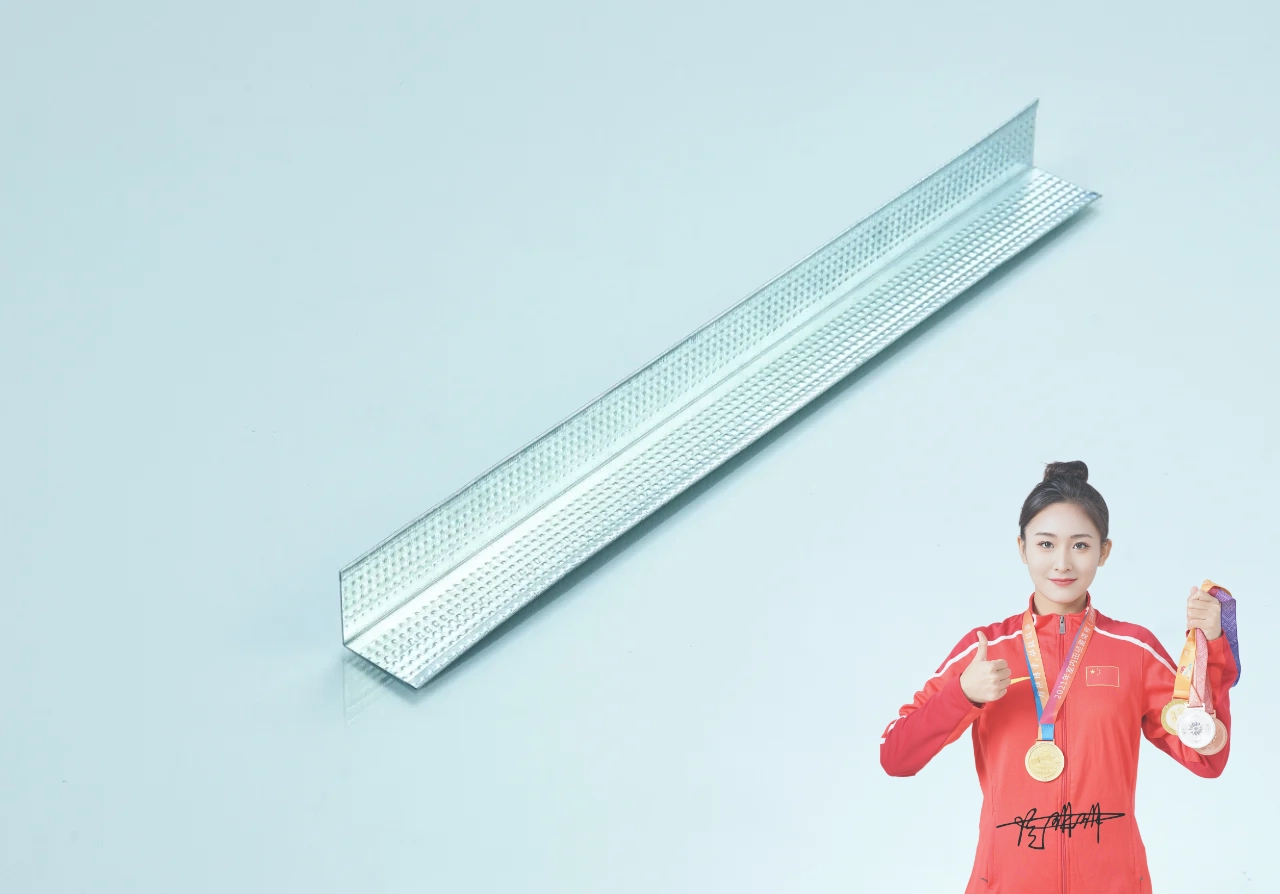
What is Perforated Screen Mesh and Why It Matters Globally
Perforated screen mesh might sound like a simple industrial product, but its reach and impact stretch far beyond basic metal sheets. As industries worldwide push for efficient filtration, ventilation, and separation systems, the role of this mesh—characterized by patterned holes punched into metal sheets—is more vital than ever. Understanding its properties and applications isn’t just for engineers; it’s important to anyone interested in sustainable infrastructure, manufacturing innovation, and even humanitarian aid.
Globally, the need for reliable, versatile screening and filtration units is expected to grow alongside urbanization and industrial development. Whether it's in water treatment plants, construction projects, or architectural designs—the perforated screen mesh serves as a backbone for countless systems.
Mini takeaway: Perforated screen mesh is a quietly essential material that supports vital infrastructure globally, blending functionality with adaptability.
Introduction: The Global Importance of Perforated Screen Mesh
According to ISO standards and data reported by global construction bodies, the market for industrial meshes like perforated screen mesh has grown steadily, often exceeding 5% annually worldwide. In many developing nations, where infrastructure is rapidly expanding, the demand for reliable, cost-efficient screening materials becomes increasingly urgent.
Yet challenges remain—particularly in balancing durability with affordability. For instance, in water purification, poorly selected meshes can clog or corrode quickly, leading to downtime and costly replacements. Addressing these challenges is where modern manufacturing and material science come in.
Defining Perforated Screen Mesh
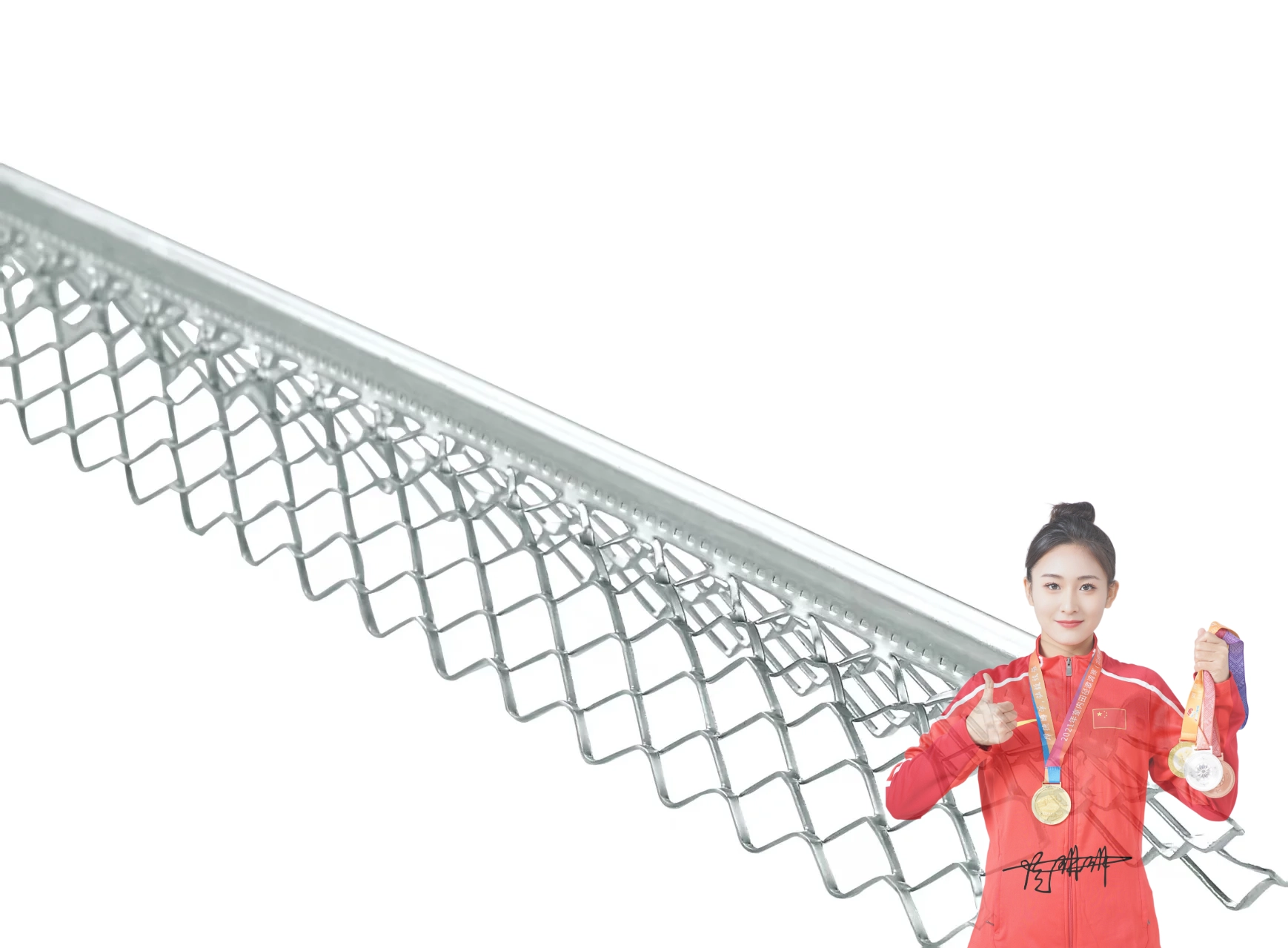
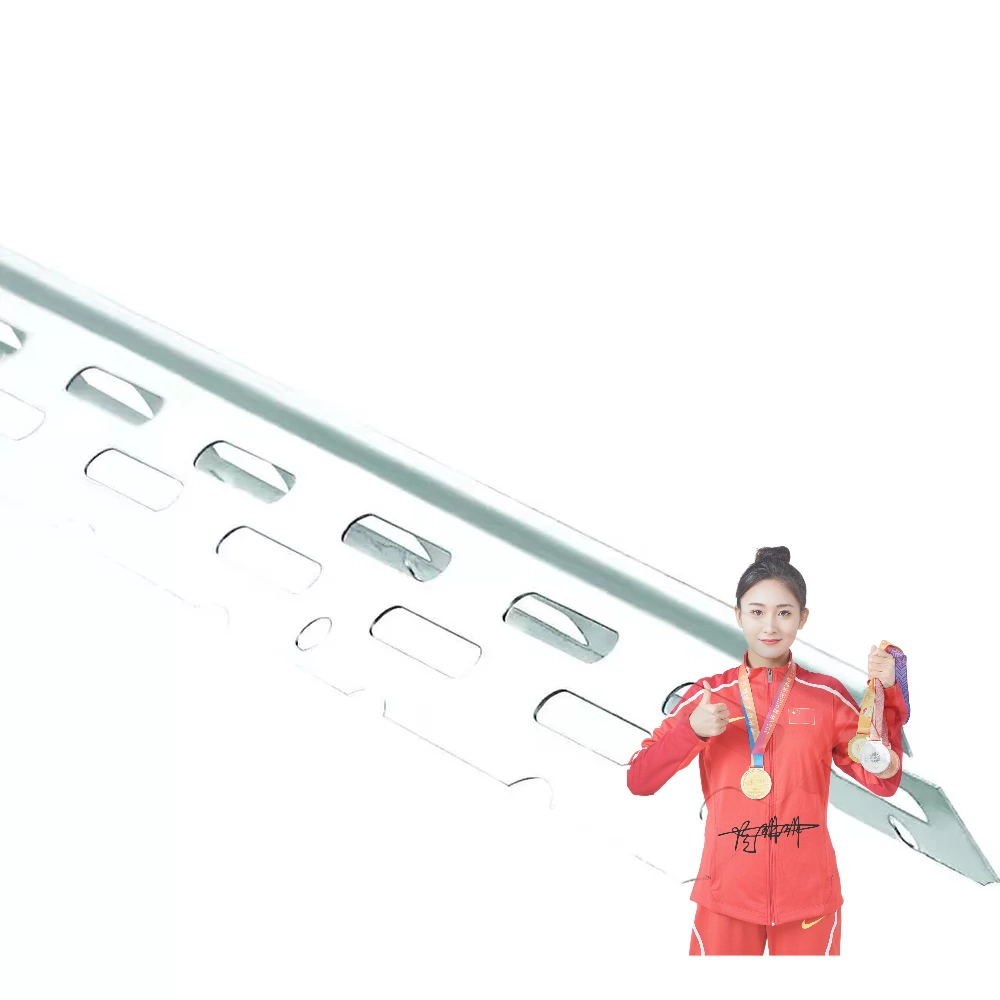
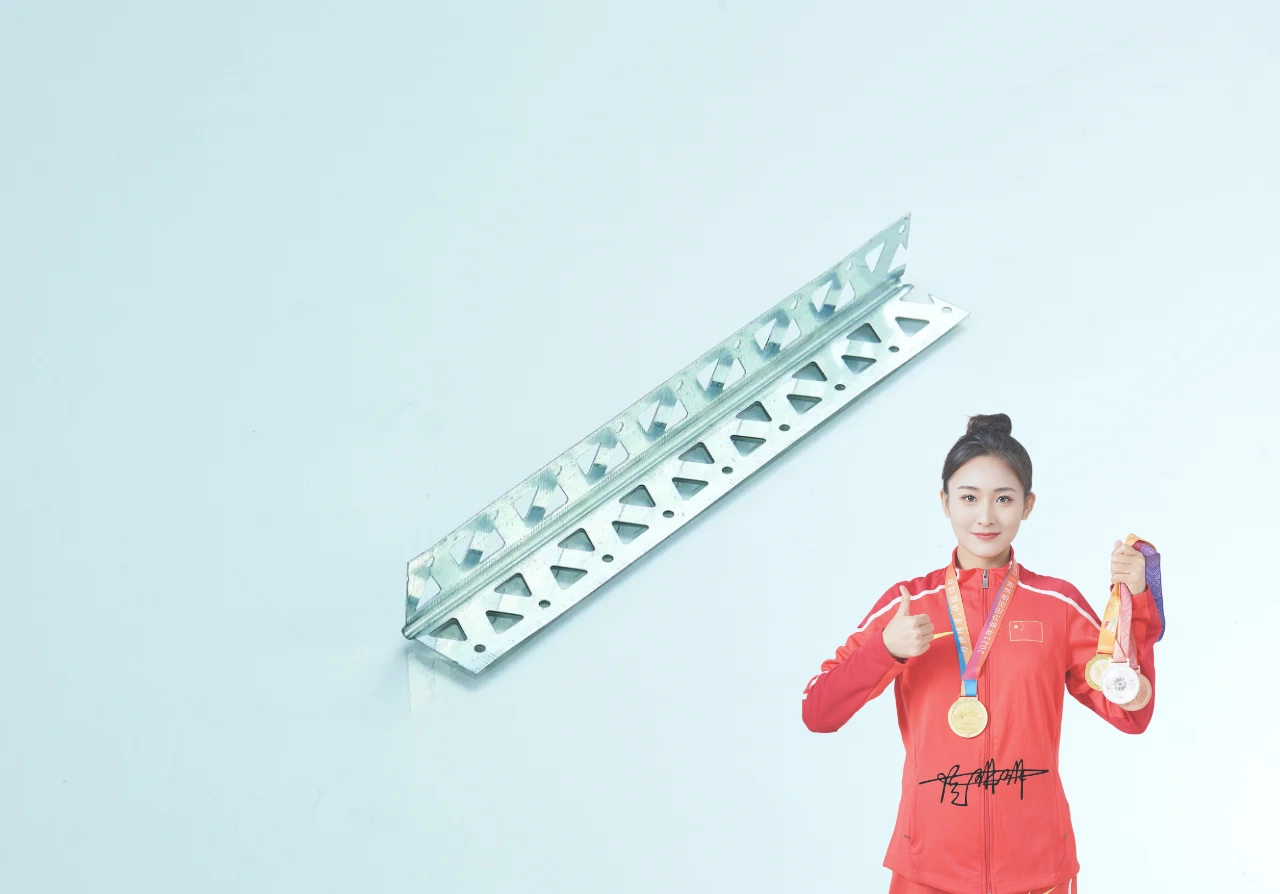
In straightforward terms, perforated screen mesh is a sheet made from metal—commonly steel, aluminum, or stainless steel—that features deliberately punched holes arranged in various patterns. Think of it as a metal sieve designed not just for filtering solids but also for architectural, acoustic, or protective purposes. These meshes are often customized by hole size, shape, and thickness depending on the intended use.
In modern industries and humanitarian efforts alike, such materials have become indispensable. For example, during humanitarian relief following natural disasters, perforated screen mesh supports temporary shelter ventilation and debris filtering—critical for safe, breathable environments.
Key Factors That Define Perforated Screen Mesh
Durability
Durability directly influences the mesh's lifespan. Materials like stainless steel resist rust and corrosion well, especially important in harsh or humid environments. Many engineers argue that investing in higher-grade mesh upfront can drastically reduce maintenance costs down the line.
Customization & Scalability
One of the quirks—and delights—of perforated screen mesh is how customizable it is. Manufacturers can alter hole diameters from a fraction of a millimeter to several centimeters, depending on filtration needs or aesthetic preferences. This scalability means one can adapt the mesh from massive industrial filters to delicate architectural screens.
Cost Efficiency
Surprisingly, despite the heavy-duty nature, perforated screen mesh often strikes a good balance between cost and quality. Mass-produced sheets tend to be affordable, yet the ability to customize means projects avoid unnecessary overspending on features or strength they don’t need.
Environmental Impact
More industries are looking towards sustainable materials, and here, recycled metal perforated sheets or those enabling green technologies—like solar panel protection—are increasingly in demand. According to environmental reports, sourcing metals responsibly benefits not only the environment but also corporate responsibility goals.
Aesthetic & Functional Flexibility
Oddly enough, these meshes serve dual roles—beyond filtering, they sometimes help architects play with light and shadow or provide acoustic dampening. It's this fluidity that makes perforated screen mesh so fascinating.
Mini takeaway: Perforated screen mesh is more than just a “holey” sheet—it’s a blend of durability, customization, cost-effectiveness, and sustainability tailored for diverse industries.
Global Applications & Real-World Use Cases
Take the oil and gas sector in the Middle East, where perforated screen mesh lines filtration cabinets, ensuring impurities are removed safely and efficiently. Or look at Europe’s growing renewable energy projects, where these meshes protect solar arrays and wind turbines from debris and pests.
In a different vein, NGOs operating in Southeast Asia have implemented perforated mesh in water purification projects, providing communities with clean drinking water. After some earthquakes in Latin America, perforated meshes found their way into emergency shelters, aiding ventilation and providing basic security.
Even in urban architecture—think skyscrapers in New York or Tokyo—perforated metal facades provide both aesthetic appeal and environmental efficiency by reducing heat gain.
Product Specifications - Example Sheet
| Specification |
Details |
| Material |
304 Stainless Steel |
| Hole Diameter |
3 mm (round) |
| Sheet Thickness |
1.5 mm |
| Open Area |
35% |
| Dimensions |
1.2 m x 2.4 m sheets |
| Finish |
Polished surface for corrosion resistance |
Vendor Comparison - Reliable Suppliers of Perforated Screen Mesh
| Vendor |
Customization Options |
Lead Time |
Pricing Tier |
| Corner Bead Mfr |
Wide range of hole sizes, custom patterns |
2-3 weeks |
Mid-range |
| Global Mesh Co. |
Standard hole sizes only |
1-2 weeks |
Budget |
| Advanced Perforations |
Advanced hole shapes, finishes |
3-4 weeks |
Premium |
Advantages & Long-Term Value of Perforated Screen Mesh
Owning a high-quality perforated screen mesh means fewer worries about premature wear and replacement. This translates directly to cost savings and higher reliability in critical applications. Emotionally, users report feeling increased confidence when installing systems that utilize durable, tested mesh materials.
On the sustainability front, the meshes can be recycled and often contribute to systems that reduce waste—such as water filtration or air purification—thus promoting healthier communities and environments around the world.
Many engineers I have spoken with emphasize trust in their screening materials; they know their systems will withstand harsh operating conditions and unpredictable variables—a quietly reassuring thought in otherwise challenging projects.
Future Trends & Innovations in Perforated Screen Mesh
It feels like the industry is moving towards hybrid designs—combining smart materials, such as anti-bacterial coatings or corrosion sensors embedded within meshes, paired with digital monitoring technologies. Expect to see these meshes integrated into industrial IoT frameworks enabling predictive maintenance.
Sustainable manufacturing methods—lower-energy punch pressing, recycled metal sourcing—also gain momentum. Green infrastructure projects are specifically seeking meshes that meet not just strength and durability but low carbon footprints.
Challenges & Solutions
Naturally, no product is without its limits. Sometimes, when used in excessively abrasive environments, perforated meshes degrade faster than expected. Also, balancing optimal hole patterns for both airflow and structural integrity often requires advanced engineering and testing, which can drive costs up.
Innovation tends to come from material science labs and manufacturers willing to experiment with novel alloys or coatings. Collaborations between end-users and suppliers have produced specialized meshes tailored to stiff regulations or harsh climates—solutions that show the power of partnership.
FAQ: Frequently Asked Questions About Perforated Screen Mesh
-
Q: What materials are most commonly used for perforated screen mesh?
A: Stainless steel (especially 304 and 316 grades), aluminum, and galvanized steel are among the most popular. Choice depends on the environment, with stainless favored for corrosion-resistance.
-
Q: How do I choose the right hole size for my application?
A: It depends on what you’re screening or filtering. Smaller holes are used for fine filtration, while larger holes suit ventilation or decorative uses. Consulting with suppliers helps match specs to purpose.
-
Q: Can perforated screen mesh be recycled?
A: Yes, most metal meshes can be recycled multiple times, which is great for sustainability goals and reducing material waste.
-
Q: How long does perforated screen mesh usually last outdoors?
A: Longevity depends on material grade and maintenance. High-grade stainless steel meshes can last decades even exposed to weather.
-
Q: Are there design options for architectural uses?
A: Absolutely. Perforated meshes can be customized by hole pattern, shape, finish, and color to complement building aesthetics while improving airflow and light diffusion.
Conclusion: Why Perforated Screen Mesh Is a Smart Investment
The long-term benefits of investing in quality perforated screen mesh are clear: cost savings, operational reliability, and environmental responsibility. Whether in industrial filtration, architecture, or humanitarian relief, this material quietly delivers value day after day. To explore how this versatile mesh could fit your project's needs, do visit our website:
https://www.cornerbeadmfr.com
References:
1. Wikipedia: Perforated Metal
2. ISO Standards for Screening and Filtration
3. World Bank: Infrastructure Development