What Is Stainless Steel Plastering Mesh and Why Should You Care?
At first glance, stainless steel plastering mesh might sound like just another industrial product, tucked away in warehouses or construction sites. Yet, this seemingly simple material plays a surprisingly crucial role in strengthening modern construction and rehabilitation efforts across the globe. Its importance stretches well beyond just holding plaster — it’s about safety, sustainability, and building resilience wherever people need sturdy, reliable surfaces, whether in hurricane zones or bustling urban centers.
Understanding stainless steel plastering mesh isn’t just for construction pros; it touches humanitarian efforts, infrastructure resilience, and even cost-efficiency in urban development. The more we appreciate the nuances of this mesh, the better we understand a small yet mighty part of construction and repair that can make a real difference.
The Big Picture: Stainless Steel Plastering Mesh in a Global Context
Worldwide, construction and refurbishment projects have skyrocketed — the United Nations suggests that by 2050, nearly 70% of the world’s population will live in cities. That means demand for durable building materials is surging. Enter stainless steel plastering mesh, a solution addressing one of the more subtle challenges: the problem of cracking, delamination, and moisture damage in plaster finishes.
According to ISO standards on building materials (ISO 6941:2003), durability and corrosion resistance are key factors in selecting mesh materials. Stainless steel, by its nature, resists rust far better than traditional metal meshes — crucial where humidity or harsh weather would otherwise degrade plaster layers, compromising safety and aesthetics.
So what problem does this solve? Simple: Many regions face costly repairs due to plaster failure caused by environmental stressors, and stainless steel mesh helps mitigate these failures upfront. It's a proactive solution—an upgrade from plain galvanized steel or fiber meshes that may deteriorate faster.
Breaking It Down: What Exactly Is Stainless Steel Plastering Mesh?
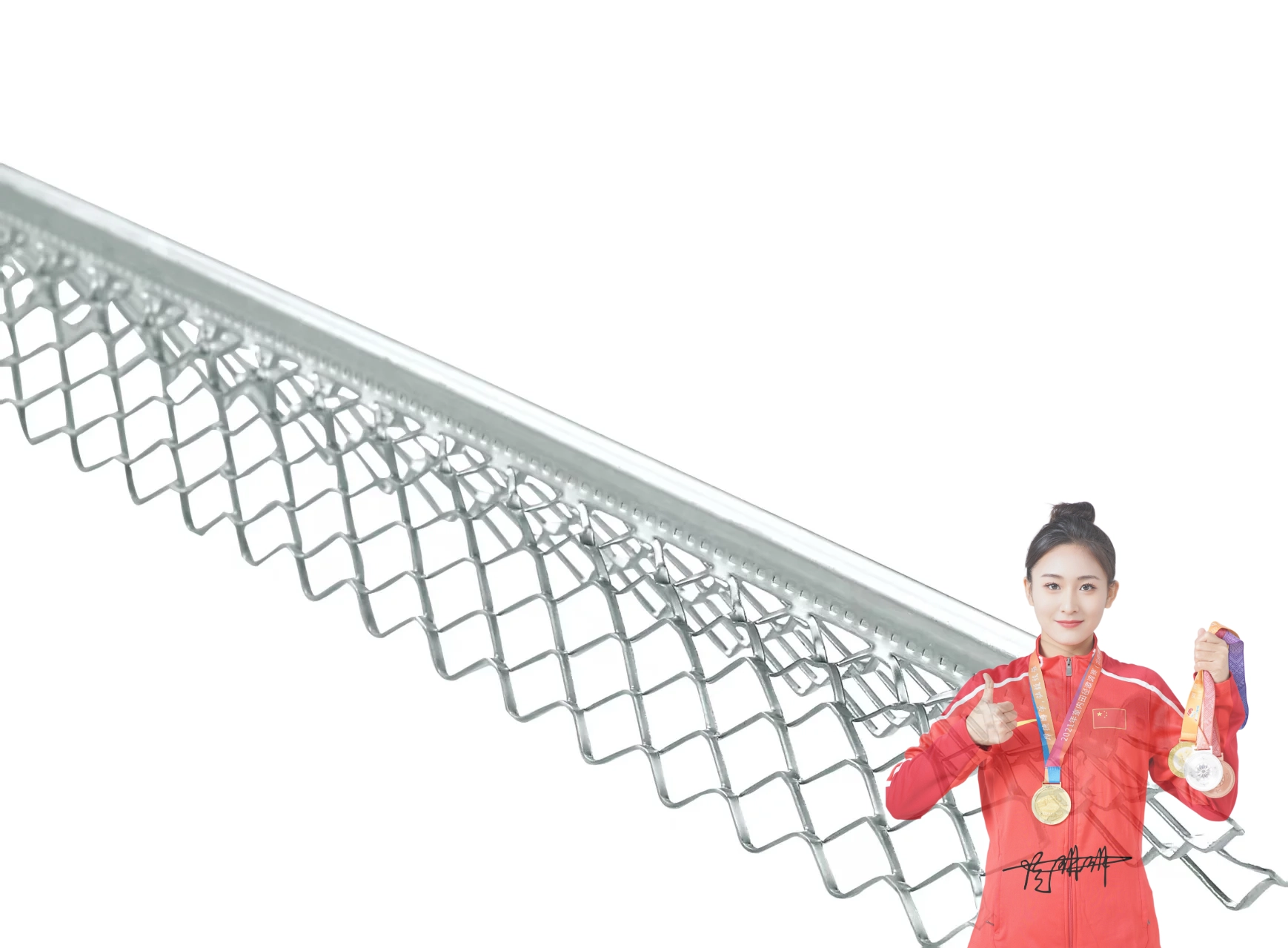
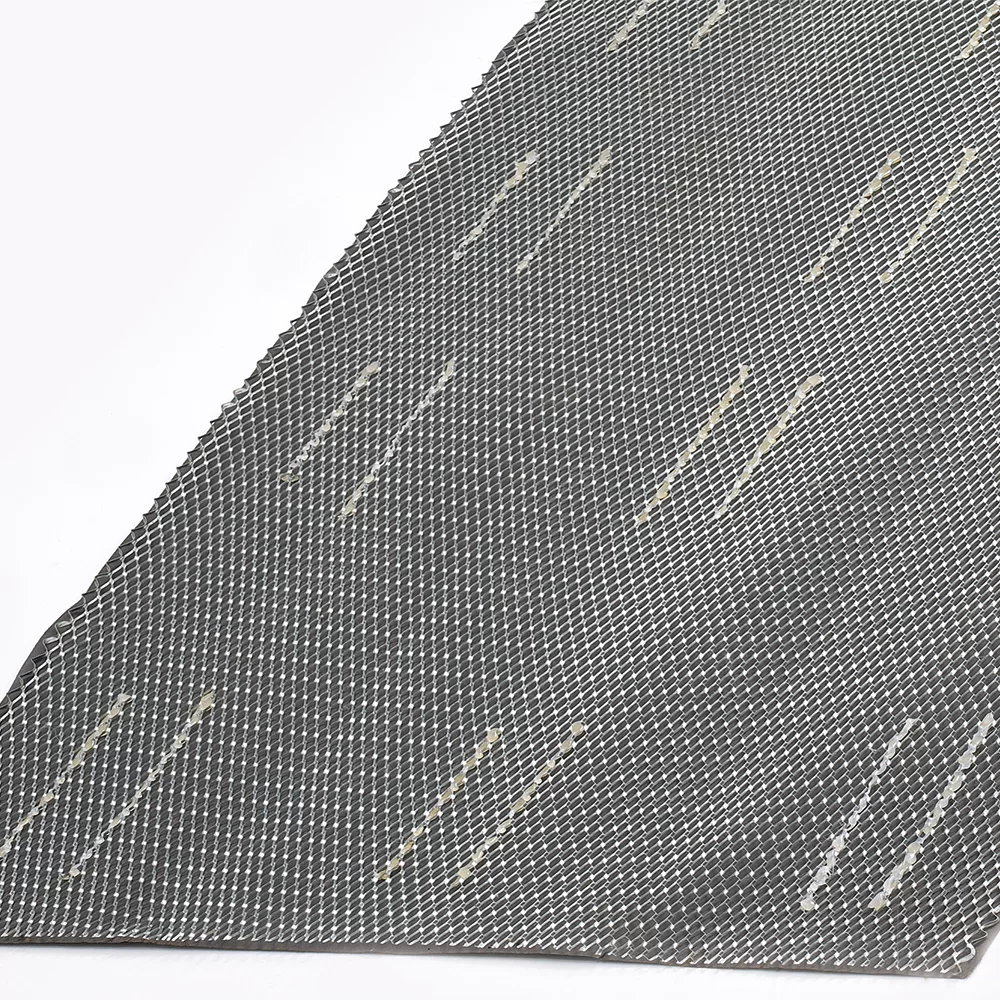
Imagine a fine net made from stainless steel wires woven into a tight grid — that's your plastering mesh. Its primary job is to reinforce plaster layers applied on walls, ceiling panels, or external facades, preventing cracks and helping the plaster stick better to the substrate.
This mesh differs from conventional options because stainless steel’s corrosion resistance means longer-lasting support—ideal for coastal buildings, industrial zones polluted by chemicals, or even humanitarian projects where maintenance is challenging.
In humanitarian or disaster-relief contexts, quick, reliable repair materials like this mesh often make the difference between temporary fixes and semi-permanent shelter solutions. When plaster cracks, water seeps in, and structures weaken quickly; stainless steel plastering mesh combats this vulnerability head-on.
Mini Takeaway:
- Stainless steel plastering mesh outperforms traditional meshes by preventing corrosion and enhancing adhesion.
- It serves as an invisible but essential backbone supporting durable plaster finishes.
Key Aspects That Make Stainless Steel Plastering Mesh a Game-Changer
Durability and Corrosion Resistance
Because stainless steel doesn’t rust easily, plastered walls retain their strength and integrity for years, even under exposure to moisture or salty air. This property extends building lifespans and reduces costly repairs.
Flexibility and Scalability
Available in various thicknesses and mesh sizes, the material adapts to different types of plaster and surface areas — from delicate indoor trim to robust exterior walls on large-scale construction projects.
Cost Efficiency Over Time
Though the initial price might be higher than basic wire or plastic meshes, long-term savings from avoided repairs and repainting balance the scales, especially for commercial or critical infrastructure.
Fire and Heat Resistance
Unlike some fiberglass or polymer meshes, stainless steel can withstand high temperatures, adding a layer of fire protection and making it suitable for industrial environments.
Environmental Sustainability
Stainless steel scraps are highly recyclable, and meshes can be reused or repurposed, aligning with global sustainability movements to minimize construction waste.
User-Friendly Installation
Lightweight but firm, stainless steel plastering mesh is relatively easy to cut and shape onsite with standard tools — saving time and avoiding specialized equipment.
Mini Takeaway:
- This mesh’s combination of durability, adaptability, and environmental friendliness suits a wide range of projects.
- Engineers appreciate how it balances upfront costs with longevity and safety.
How Stainless Steel Plastering Mesh is Changing Projects Worldwide
In post-disaster regions of Southeast Asia, where humidity and typhoons accelerate wall deterioration, NGOs increasingly specify stainless steel plastering mesh to rebuild resilient shelters. Similarly, in coastal cities like Miami or Dubai, construction firms use these meshes extensively for facades to withstand salt air corrosion.
Industrial applications, including refineries and manufacturing warehouses, benefit from its fire resistance and durability, frequently choosing stainless steel mesh over plastic alternatives that can't endure the same conditions. Meanwhile, historic building restorers favor stainless steel mesh for discreet reinforcement, pairing preservation with long-term stability.
The material’s global footprint extends even into off-grid communities. In remote industrial zones in Africa where regular building maintenance isn’t feasible, the strength and corrosion resistance reduce costly repeat work, preserving limited resources.
If you want a practical example, stainless steel plastering mesh manufacturers often showcase how their product performs in extreme environments and how easy it is for local teams to apply without complicated training.
Advantages and Long-Term Value of Investing in Stainless Steel Mesh
- Cost Savings: Maintenance bills drop; structures last longer.
- Environmental Impact: Less waste, recyclable steel, aligned with green building initiatives.
- Safety & Trust: Stronger plaster equals fewer cracking hazards; confidence for occupants and builders alike.
- Flexibility: Can be tailored for different plaster types and surfaces without losing effectiveness.
Safety and dignity are understated but powerful benefits here. Whether for homeowners rebuilding after a hurricane or cities modernizing infrastructure, the mesh quietly supports human environments that most of us take for granted.
What’s Next? Future Trends in Stainless Steel Plastering Mesh
The industry is gradually embracing innovations like electro-polished stainless steel for even greater corrosion resistance, and nanoscale coatings that could prevent dirt and moisture adhesion. Digital fabric cutting and optimized mesh patterns improve resource efficiency, reducing waste during installation.
Underlying all this is the push for sustainability. Advances in using recycled materials, integrating mesh with eco-friendly plaster compounds, and reducing carbon footprints during manufacture are gaining traction in line with global construction standards.
Challenges Inherent to Stainless Steel Plastering Mesh—and How Industry Tackles Them
Price remains an issue for many small-scale projects — stainless steel costs more upfront than fiberglass or plastic meshes. That said, savvy purchasing, bulk sourcing, and educating clients about lifecycle costs help vendors and builders make the economic case.
Another concern is installation skill. Because the mesh is stiffer than some synthetics, installers require training to avoid damaging surfaces during fitting. Manufacturers address this by providing guides, training videos, and sometimes onsite consulting.
Product Specification Table
| Specification |
Details |
| Material |
304 or 316 Stainless Steel Wire |
| Wire Diameter |
0.4 mm – 1.2 mm |
| Mesh Opening Size |
5 mm x 5 mm to 25 mm x 25 mm |
| Roll Lengths |
10 m, 25 m, 50 m |
| Standard Widths |
1 m, 1.2 m |
| Certification |
ISO 9001 / ASTM A580 |
Vendor Comparison: Choosing the Right Stainless Steel Plastering Mesh Supplier
| Vendor |
Material Grade |
Price Range (USD/m²) |
Lead Time |
Customization Options |
Location & Shipping |
| CornerBead Mfr |
304 / 316 |
$3.50 - $4.50 |
2-4 weeks |
Wire diameter, mesh size, length |
Global with freight options |
| SteelMesh Pro |
304 |
$3.00 - $4.00 |
3-5 weeks |
Limited |
North America & Asia |
| MeshWorld |
316 |
$4.00 - $5.00 |
1-3 weeks |
Full customization |
Europe & Middle East |
Common Questions About Stainless Steel Plastering Mesh
1. How long does stainless steel plastering mesh typically last in harsh environments?
With correct installation, stainless steel plastering mesh can easily last 20 years or more in corrosive or humid conditions before needing replacement. The stainless steel alloy resists rust and decay much better than galvanized or standard metal meshes.
2. Can this mesh be used with all types of plaster?
Yes, it’s compatible with cement-based plasters, lime-based plasters, and synthetic finishes. Its main purpose is reinforcement, so regardless of plaster composition, it provides improved adhesion and crack prevention.
3. Is stainless steel mesh more expensive than fiberglass alternatives?
It is often pricier upfront, but the long-term durability and reduced maintenance frequently justify the investment, especially in commercial, coastal, or industrial environments where corrosion risks are high.
4. How easy is it to install for small contractors or DIY projects?
Fairly straightforward, actually. The mesh can be cut with metal snips and shaped by hand or with modest tools. Training or practice helps prevent damaging plaster surfaces during application.
5. Are there environmental benefits to using stainless steel plastering mesh?
Definitely. Stainless steel is highly recyclable, and the increased longevity reduces waste from frequent plaster repairs or replacements, making it a good choice for eco-conscious building projects.
Wrapping It Up: The Quiet Hero of Plaster Reinforcement
In the broader world of construction materials, stainless steel plastering mesh might seem unassuming. But peel back the layers, and you find a product that speaks to durability, sustainability, and practical innovation. Across global projects — from modern skyscrapers in Dubai to disaster shelters in the Philippines — it quietly supports safer, smarter builds.
If you’re in the market for reliable plaster reinforcement that pays dividends long term, it’s worth checking out what stainless steel plastering mesh has to offer. Your walls might thank you (and frankly, so will your budget).
Got a project in mind? Visit CornerBead Mfr for detailed specs, consultation, and global shipping options.
References:
- ISO 6941:2003 - Stainless Steel Wire
- UN World Urbanization Prospects, 2018
- Plaster - Wikipedia