Wire Lath and Stucco: Foundations for Modern, Durable Surfaces
Wire lath and stucco might sound like something you stumble upon only on construction sites, but when you dig deeper, they’re essential building blocks that shape environments globally. From housing projects to infrastructural works, understanding wire lath and stucco is not just for builders—it matters for governments, NGOs, and anyone interested in durable, sustainable construction.
Why Wire Lath and Stucco Matter Globally
Globally, infrastructure resilience is under pressure from climate change, rapid urbanization, and economic shifts. According to the United Nations Human Settlements Programme, more than 1 billion people live in inadequate housing. The challenge? Creating affordable, sustainable building methods that also resist wear and tear. Wire lath paired with stucco solves this elegantly by providing a tough, weather-resistant surface that’s relatively low cost. This versatile duo serves both in dense urban areas and austere humanitarian zones alike.
Yet, many don’t realize how instrumental these materials are beyond just being “wall stuff.” Their adaptability allows rapid repairs, aesthetic customization, and integration with eco-friendly practices, meaning they keep evolving with industry demands.
Mini Takeaway: Wire lath and stucco are a quietly powerful pairing advancing global housing resilience while keeping costs manageable.
Defining Wire Lath and Stucco
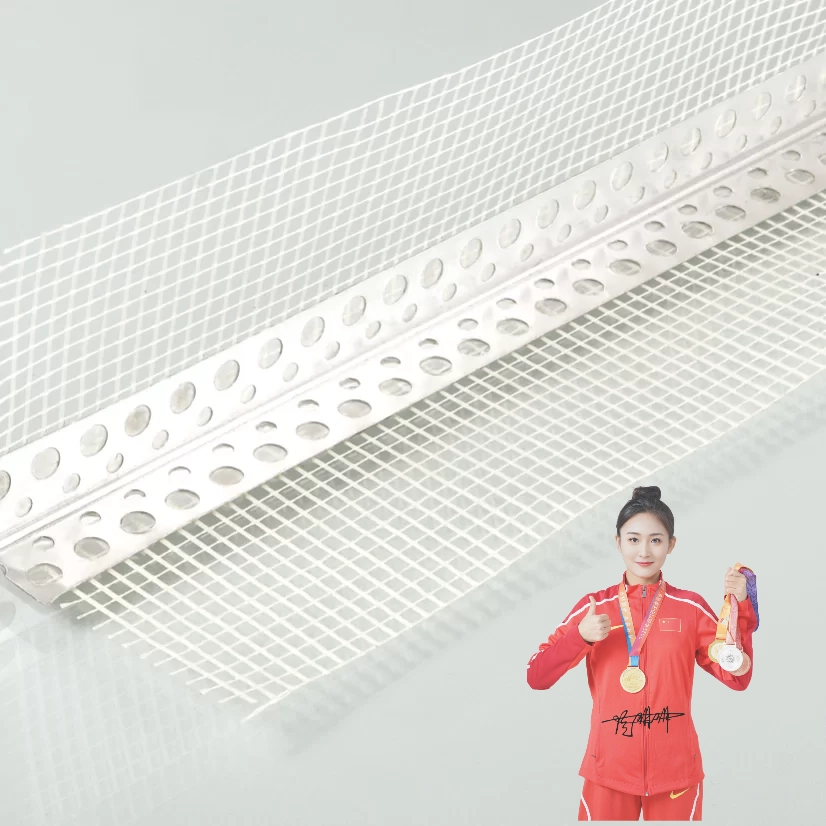
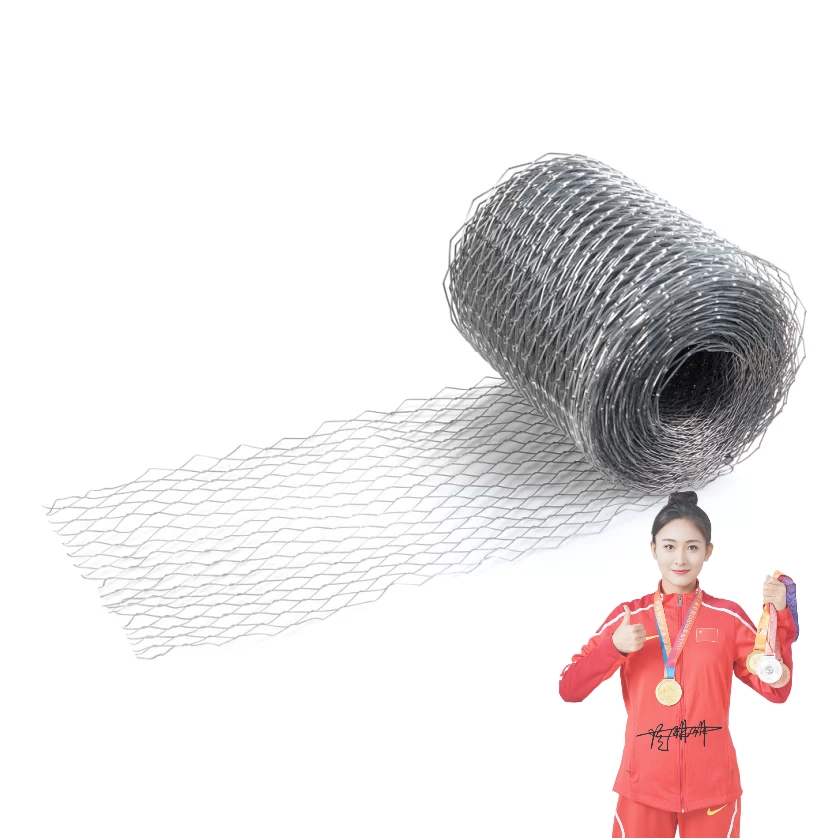
Simply put, wire lath is a mesh framework—often galvanized steel—that acts as a supportive skin onto which stucco, a plaster-like exterior coating, adheres. The lath forms a base “net” for the stucco plaster, giving it structural integrity and helping it resist cracking or falling off. Stucco itself is a mixture of cement, sand, and lime that, once set, creates a durable, weatherproof, and often decorative finish.
In modern construction and humanitarian relief, this combo is crucial. It’s prized for being lightweight yet strong and for its ease of application on diverse surfaces. This relevance plays out in earthquake zones, refugee shelters, and even historic building preservation.
Mini Takeaway: Think of wire lath as scaffolding for stucco—a duo creating strong, long-lasting covers suited for many building challenges.
Core Components: What Makes Wire Lath and Stucco Work?
Durability and Weather Resistance
One of the main draws is how this system withstands harsh elements—rain, sun, wind, and even minor impacts. Galvanized wire lath resists rust, preventing long-term damage. Stucco’s solid finish stops moisture intrusion, a major cause of structural decay.
Scalability and Adaptability
Wire lath and stucco work in both small residential projects and large infrastructure builds. They’re accommodating to curved surfaces or intricate designs, a big plus for architects wanting a customized look.
Cost Efficiency
Compared with other facades like brick or stone, the lath-stucco combo is budget-friendly. Installation is relatively fast, reducing labor costs. Plus, maintenance often only entails minor patching rather than complete overhauls.
Sustainability
It’s often overlooked, but stucco is breathable, allowing buildings to ‘breathe’ and reduce moisture issues inside, thus improving indoor air quality. Using recycled steel for lath and eco-friendly stucco mixes is increasing, which reduces environmental impact.
Aesthetic Flexibility
Stucco surfaces can be colored and textured in numerous ways, matching regional styles or design trends—a subtle but valuable aspect for buildings meant to fit cultural or commercial profiles.
Mini Takeaway: These core factors help wire lath and stucco stay competitive and relevant in a changing construction landscape.
Real-World Applications Across the Globe
In southern Europe and California, wire lath and stucco have been classic choices for centuries, favored for Mediterranean-style homes that blend function with form. But their reach goes far beyond aesthetics.
- Disaster Relief: Post-disaster areas (think earthquakes or hurricanes) use wire lath and stucco because repairs can happen fast and materials are often locally sourced.
- Industrial Zones: Plants and factories require protective walls that can withstand impact and chemical exposure—stucco over wire lath fits that bill.
- Historic Restoration: Many preservation projects rely on wire lath and stucco to recreate original finishes without compromising authenticity or strength.
Moreover, NGOs and governments globally appreciate how wire lath panels can be shipped flat and set up rapidly on-site, linking to their push for scalable, replicable building solutions.
Mini Takeaway: Whether in elegant homes or rugged shelters, wire lath and stucco’s versatility proves valuable worldwide.
Advantages & Long-Term Value of Wire Lath and Stucco
Beyond durability, the system fosters dignity and security—especially vital in relief housing. Imagine refugees or displaced families afforded walls that do more than just “keep the rain out.”
Cost-wise, it stretches budgets further without skimping on quality. That balance of “smart spending” and robustness makes it a favorite among project managers juggling tight resources and timelines.
Socially, a beautiful stucco finish builds community pride, reinforcing a sense of belonging rather than “temporary shelter.” From a sustainability angle, less frequent replacements and recyclable components help reduce the environmental footprint long term.
Product Specification Table
| Specification |
Typical Value |
Notes |
| Wire Lath Material |
Galvanized Steel |
Resists corrosion |
| Mesh Opening Size |
¾ inch |
Provides optimal plaster grip |
| Stucco Mixture |
Cement, sand, lime |
Traditional blend |
| Drying Time |
24-48 hours |
Depends on climate |
| Typical Panel Size |
3 ft. x 8 ft. |
Easy to transport and install |
Choosing the Right Vendor: A Quick Comparison
| Vendor |
Product Range |
Customization |
Lead Time |
Price Point |
| Corner Bead Mfr. |
Wire lath, corner beads, trims |
High (custom sizes/colors) |
2-3 weeks |
Mid-range |
| Steel Mesh Co. |
Standard wire lath products |
Limited |
1-2 weeks |
Budget |
| EcoBuild Materials |
Recycled wire lath & eco stucco |
Moderate |
3-4 weeks |
Premium |
Looking Ahead: Innovation in Wire Lath and Stucco
Green building standards are pushing the industry towards more sustainable wire lath options, such as recycled steel and biodegradable coatings. Stucco formulations now often include additives that improve insulation and crack resistance, aligning with energy efficiency goals outlined by ISO standards (ISO 14001 series).
Digital tools are transforming installation planning—imagine augmented reality overlays helping workers position lath just right, or drones surveying stucco thickness remotely.
Automation in fabrication is also reducing material waste—a small but mighty win.
Mini Takeaway: The basic concept is centuries old, but the materials and tools around wire lath and stucco are evolving smartly to meet modern needs.
Overcoming Common Challenges
Cracking is often cited as a major issue in stucco finishes, mostly when temperature swings or substrate shifts occur. Experts recommend expanded metal lath rather than woven wire occasionally, plus careful layering and curing techniques.
Another hurdle: job site moisture control. If water seeps behind stucco, it can trap moisture and cause mold. Solutions lie in modern waterproof barriers paired beneath the lath, improving reliability.
Lastly, not every contractor is well-versed in wire lath and stucco best practices, so training and certification programs help maintain quality standards where rapid deployment is needed.
Frequently Asked Questions About Wire Lath and Stucco
- What are the advantages of wire lath over other stucco base materials?
- Wire lath offers superior flexibility and mechanical keying to the stucco, reducing cracking and delamination. It’s also easier and quicker to install compared to masonry bases.
- How long does a stucco finish over wire lath typically last?
- With proper installation and maintenance, a stucco finish can last 50 years or more, becoming stronger over time due to its curing process.
- Is wire lath and stucco sustainable for eco-friendly building?
- Yes, especially when galvanized or recycled steel is used with low-VOC stucco mixes. It promotes breathability and reduces the need for frequent repairs, lowering environmental impact.
- Can wire lath and stucco be used on buildings in earthquake-prone regions?
- Absolutely, when combined with proper structural reinforcement and flexible lath systems, stucco can provide durable, safe finishes that accommodate slight building movement.
Wrapping Up: The Lasting Impact of Wire Lath and Stucco
Wire lath and stucco is much more than meets the eye. This combination remains a cornerstone of resilient, cost-effective construction worldwide—from luxury homes to emergency shelters. Its blend of practicality and adaptability ensures it’s not going away any time soon.
For anyone in construction, architecture, or project planning, taking a closer look at wire lath and stucco isn’t just wise; it’s essential.
Curious to see how these materials fit your next project? Explore resources and products by visiting wire lath and stucco, your go-to source for quality and innovation.
References:
- UN-Habitat: Sustainable Urbanization Reports
- ISO 14001 Environmental Management
- Wikipedia: Stucco