Understanding Wire Lath Sheets: Why They Matter Globally
Wire lath sheets—if you haven't come across the term before—are essentially the unsung heroes in many construction and industrial settings. Globally, these mesh-like building materials play a pivotal role in reinforcing plaster, concrete, and stucco applications. From housing developments in developing countries to sophisticated infrastructure projects, understanding wire lath sheets unlocks benefits ranging from enhanced durability to cost-effective scalability. So yes, it’s worth knowing.
More than just wire and steel twisted together, these sheets solve real-world problems like structural reinforcement and efficient material use. In fact, the right choice and application of wire lath sheets can drastically reduce maintenance costs, speed construction, and improve safety.
Mini takeaway: Wire lath sheets are small components with a big impact, essential in both everyday construction and large-scale humanitarian efforts worldwide.
The Global Landscape of Wire Lath Sheets
The global construction industry was valued at over $11 trillion in 2023 according to the World Bank, and a significant chunk relies on materials like wire lath sheets for safe and economical building. The ISO even sets standards to ensure the quality of these materials since applications are often critical — think earthquake-prone zones or refugee shelter construction.
One big challenge is balancing cost with strength. Many regions, especially rapidly urbanizing zones in Asia and Africa, demand quick yet durable construction methods. Wire lath sheets address this by providing a flexible, easy-to-install reinforcement solution. They keep buildings robust, even under strain — which frankly, is a global priority given population growth and climate-related stresses.
Mini takeaway: With urbanization and increasing demand for resilient infrastructure, wire lath sheets meet a pressing global need in construction quality and speed.
What Exactly Are Wire Lath Sheets?
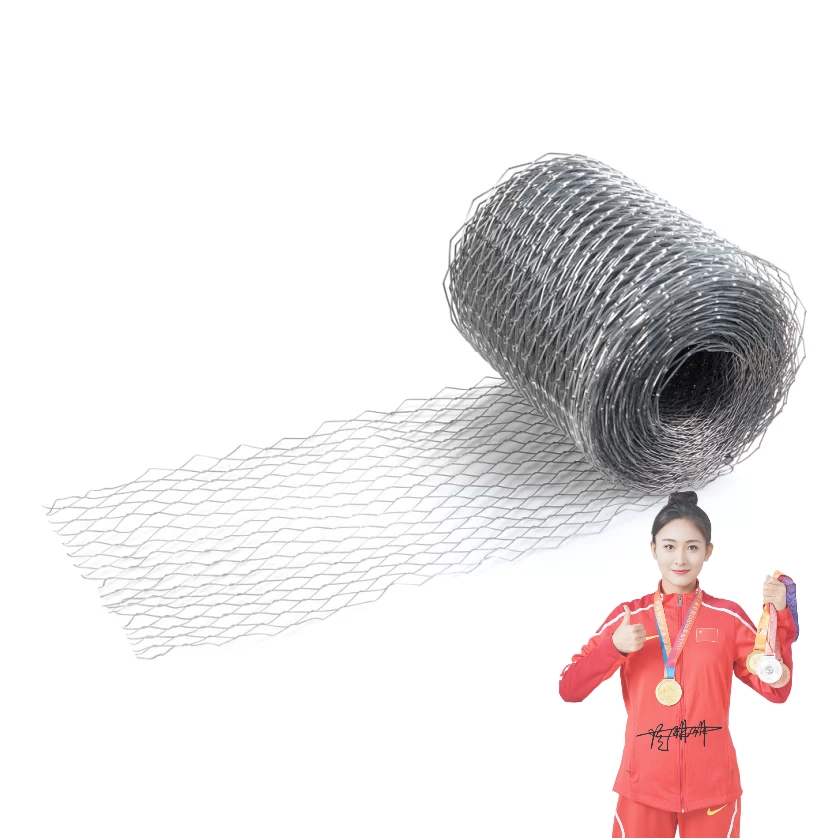
In the simplest terms, wire lath sheets are mesh panels made from interwoven steel or galvanized wires. The mesh provides a framework or skeleton for plaster, stucco, or concrete to hold onto during application. Often, they’re used as a base for plaster walls or ceilings, uneven surfaces, or even exterior insulation finishes.
Their role extends beyond just support. They are crucial for distributing stress evenly and preventing cracks over time. Modern industries value them for being lightweight, adaptable, and generally easy to cut and shape onsite. Humanitarian organizations also rely on wire lath sheets when building quick, affordable shelters, linking materials to both industrial efficiency and human needs.
Key Components Driving Wire Lath Sheets’ Success
1. Durability
The wires in these sheets are often galvanized to resist rust and corrosion — vital in humid or coastal areas. Many engineers say that’s the difference between structures that last decades and those needing repair within years.
2. Mesh Size and Pattern
The size of the square or diamond pattern spacing varies to suit application needs, whether fine plaster reinforcement or heavier stucco layers. Proper mesh sizing improves adhesion while allowing some flexibility.
3. Weight and Thickness
Wire lath sheets come in gauges that balance strength versus workability. A thicker gauge increases load capacity but can be heavier to handle, so it’s about finding the right fit for the job.
4. Ease of Installation
Because you can easily cut, bend, and nail wire lath sheets, they speed up onsite work, especially useful in tight deadlines or disaster relief situations.
5. Cost Efficiency
Compared with solid metal reinforcements, they offer significant cost savings in both material and labor, especially when scaled to large projects.
Mini takeaway: Wire lath sheets combine durability, adaptability, and affordability — each critical for their widespread use.
Global Applications: Where Wire Lath Sheets Shine
- Post-Disaster Relief: When earthquakes or floods hit, quick rebuilding is essential. Wire lath sheets are cornerstone materials for temporary shelters due to their portability and reliability.
- Industrial Zones: Remote mining and oil extraction sites employ these sheets in rugged, makeshift housing and infrastructure that need to stand up to harsh conditions.
- Urban Housing: Rapid urban growth calls for affordable, scalable wall reinforcements to meet demand without sacrificing integrity.
- Historic Restoration: Preservation projects often use wire lath sheets to strengthen aging stucco and plaster without replacing original materials.
For example, NGOs working in Southeast Asia often use wire lath sheets for emergency shelter kits, knowing their modular benefits speed deployment and enhance safety.
Advantages and Long-Term Value
Why should architects or project managers swear by wire lath sheets? Well:
- Cost Savings: Less material waste, shorter labor times, and fewer repairs.
- Sustainability: Many manufacturers now offer recycled or eco-friendly coatings, aligning with green building trends.
- Social Impact: Providing safer homes builds trust and improves lives, especially in vulnerable communities.
- Reliability: Proven to reduce cracking and structural failures over decades.
Frankly, the emotional reassurance of knowing a home or facility is built on solid foundations can’t be undervalued either.
Future Trends & Innovations
The world of wire lath sheets isn’t standing still. Green energy ambitions are pushing innovations in materials — for example, integrating lightweight composites within metal meshes to boost insulating properties. Digital design and automation now allow manufacturers to customize wire lath sheets for specific site conditions, sometimes even delivering pre-shaped components to minimize onsite work.
Additionally, sustainability standards like LEED and BREEAM encourage the use of recyclable components—leading to more eco-conscious wire lath designs. One could soon expect smart wire lath that senses structural stress, tying into IoT building management systems. The future's closer than you think.
Common Challenges and How to Overcome Them
No product is perfect, right? Challenges with wire lath sheets include:
- Corrosion in Extreme Environments: Even galvanized metals corrode over time. Solution: new coatings and stainless steel variants.
- Handling Bulk on Remote Sites: Packs can be heavy and awkward. Solution: modular, foldable panels and local sourcing.
- Installation Errors: Improper fastening reduces effectiveness. Solution: training and standard installation guides.
Many engineers suggest working directly with manufacturers for custom specs and training to get the most out of these materials.
Frequently Asked Questions About Wire Lath Sheets
- What materials are wire lath sheets usually made from?
- Wire lath sheets are commonly made from galvanized steel wire, which resists rusting and offers strength for plaster and concrete reinforcement. Some applications use stainless steel or coated wires for extra corrosion resistance.
- How do wire lath sheets improve construction speed?
- The sheets can be quickly cut and installed directly onto wall frames, creating a working surface for plaster or stucco without waiting for solid backing. This reduces labor time compared to conventional methods.
- Are wire lath sheets suitable for outdoor environments?
- Yes, especially when galvanized or coated properly. They provide excellent reinforcement for exterior stucco or concrete, resisting moisture and weathering if maintained well.
- Can wire lath sheets be customized for special projects?
- Absolutely. Manufacturers often offer customization in mesh size, wire gauge, sheet dimensions, and coatings to meet specific engineering or environmental needs.
- Where can I find reliable wire lath sheet suppliers?
- Many suppliers exist worldwide, but it’s essential to evaluate quality certifications and delivery capabilities. You can start at industry hubs or visit companies like our recommended vendor here.
Vendor Comparison: Choose the Right Wire Lath Sheets Partner
| Vendor |
Product Range |
Quality Certifications |
Customization Options |
Delivery Time |
| CornerBead MFR |
Galvanized, Stainless, PVC Coated |
ISO 9001, ASTM Compliant |
Mesh sizes, sheet sizes, coatings |
3–5 business days |
| SteelWorks Inc. |
Galvanized, Stainless |
ASTM, EN Standards |
Limited customization |
5–7 business days |
| BuildMesh Solutions |
PVC Coated, Galvanized |
ISO 14001 |
Extensive - mesh & coatings |
7–10 business days |
Product Specifications of Wire Lath Sheets
| Specification |
Details |
| Material |
Galvanized steel wire (ASTM A641), Stainless steel (optional) |
| Mesh Size |
Typically 1/2" x 1/2" or 3/4" x 3/4" openings |
| Wire Gauge |
19 to 23 gauge |
| Sheet Size |
4 ft x 8 ft (standard); custom sizes available |
| Coating |
Hot-dipped galvanized or PVC coated for corrosion resistance |
| Weight |
Approx. 0.8 to 1.2 lbs per sq. ft. depending on gauge |
Wrapping Up: Why Wire Lath Sheets Remain Essential
If you need a reliable, cost-effective way to bolster walls, ceilings, and various construction surfaces, wire lath sheets are often your best bet. Their strength, flexibility, and wide global use underscore that. I’ve noticed too that companies who invest in quality and customization often see longer-term savings and better project satisfaction.
So next time you’re planning a build, whether it’s a big industrial site or a humble emergency shelter, it’s worth remembering the power behind these steel grids. Curious to explore options or get custom quotes? Visit our trusted suppliers — your walls will thank you.
References
- World Bank Data on Urban Development
- Wikipedia: Galvanization
- ISO 17636-2 : Non-destructive Testing of Welds - ISO