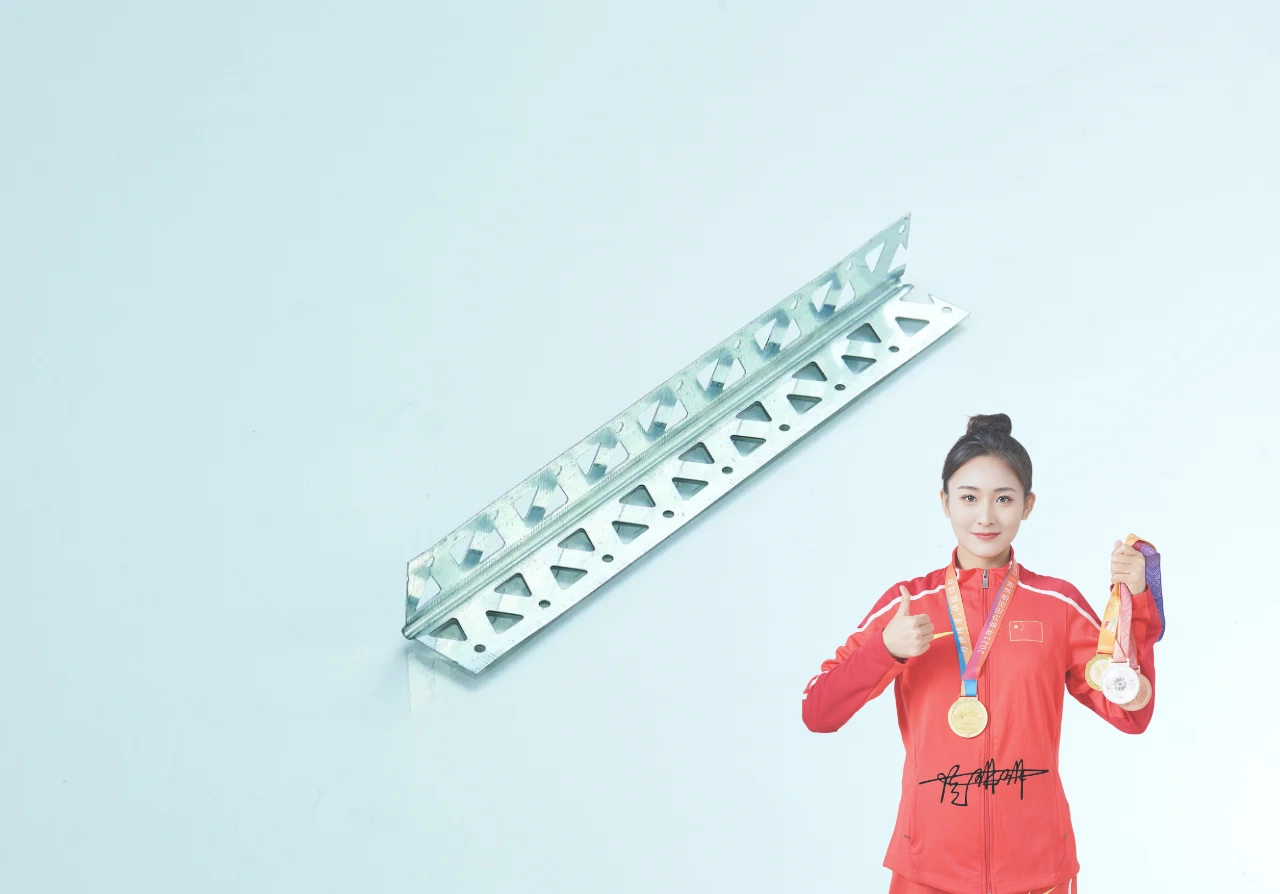
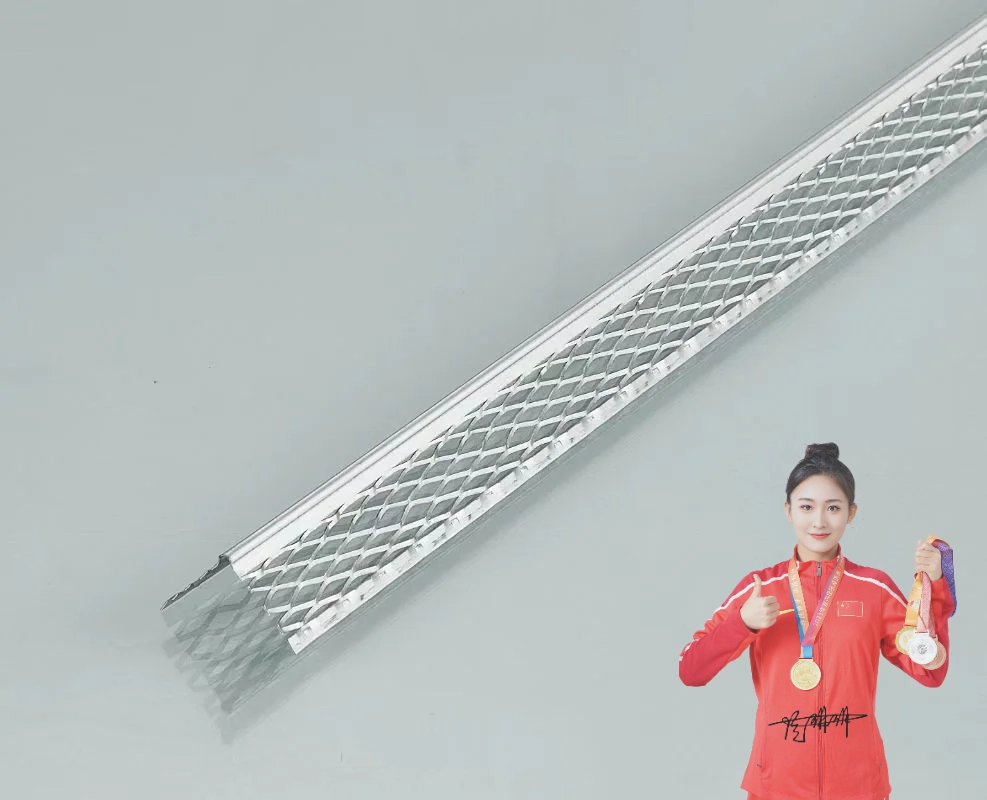
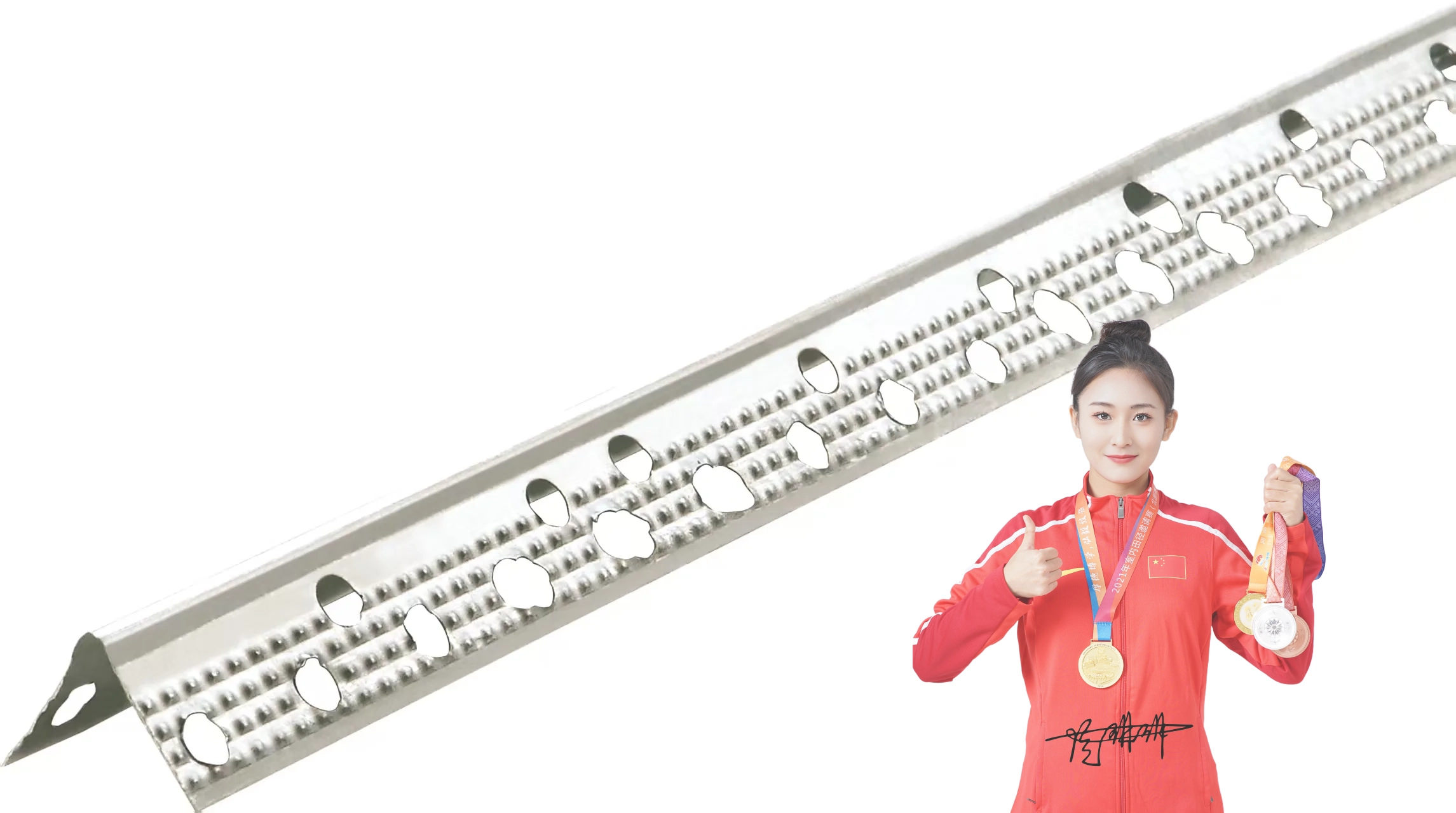
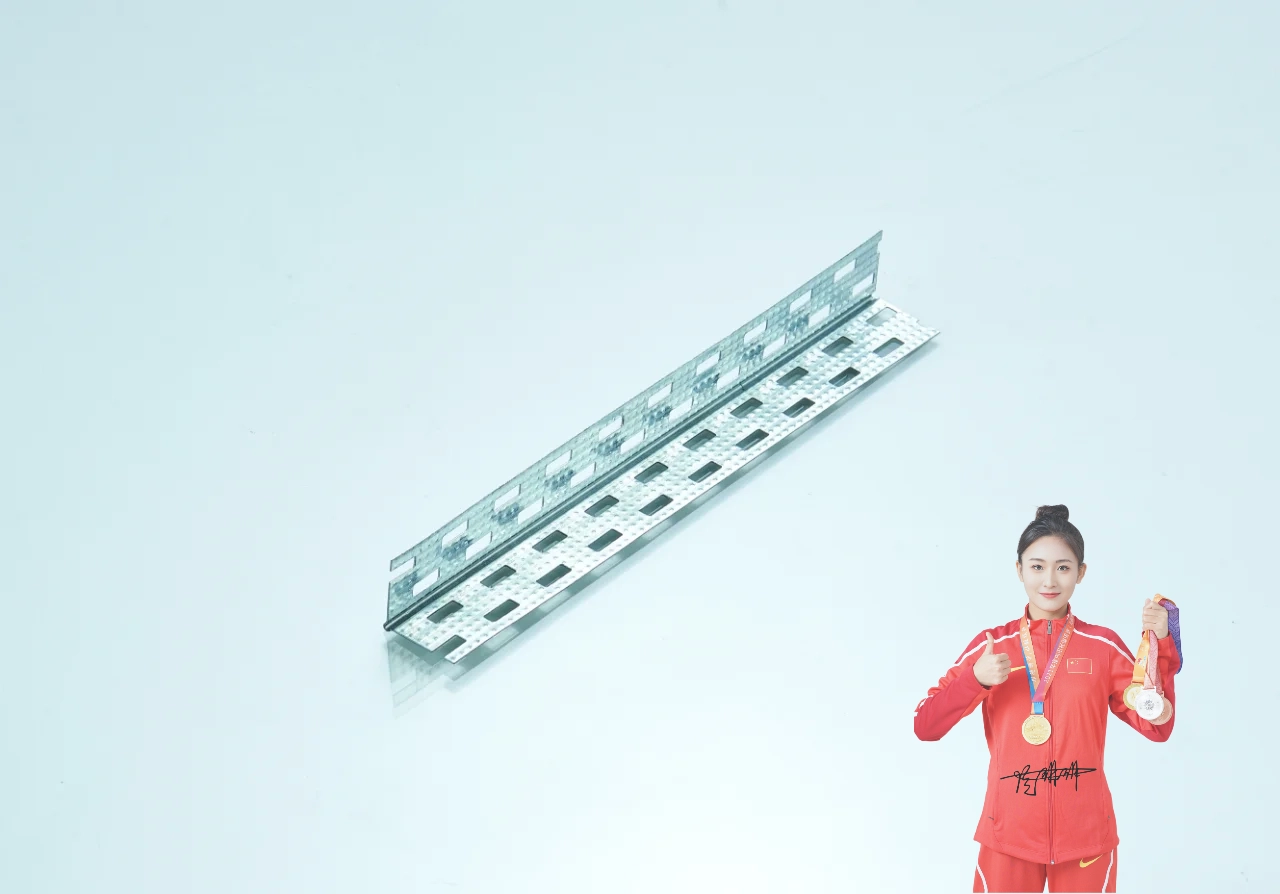
Understanding Perforated Metal Sheet Price: Why It Matters to Industry and Infrastructure Worldwide
Perforated metal sheets aren’t just some niche building material — they’re quietly woven into the fabric of modern industry, design, and infrastructure. What makes their perforated metal sheet price so interesting (and sometimes tricky) is how this cost point directly influences everything from architectural projects to filtration systems and even humanitarian relief efforts.
Globally, with ongoing urbanization and infrastructure development, understanding the pricing dynamics behind perforated metal sheets helps planners and engineers deliver resilient, cost-effective solutions. Oh, and it’s not just about cost—there are benefits stretching from sustainability angles to enhanced durability.
The Global Context: Why Perforated Metal Sheets and Their Price Matter
Did you know that the global metal fabrication market is projected to surpass USD 45 billion by 2027 according to several industry reports? The price of metals, including perforated variants, is influenced by raw material costs, energy prices, geopolitical factors, and demand—plus local manufacturing capabilities. The UN’s push for sustainable infrastructure also means these materials are under scrutiny for environmental impact.
Now, here’s the challenge: fluctuations in perforated metal sheet price can delay projects or force compromises on quality. For industries that depend on precise specifications—from automotive to HVAC to architectural facades—price stability is crucial. It’s a bit like a domino effect, really.
What Exactly Is Perforated Metal Sheet Price?
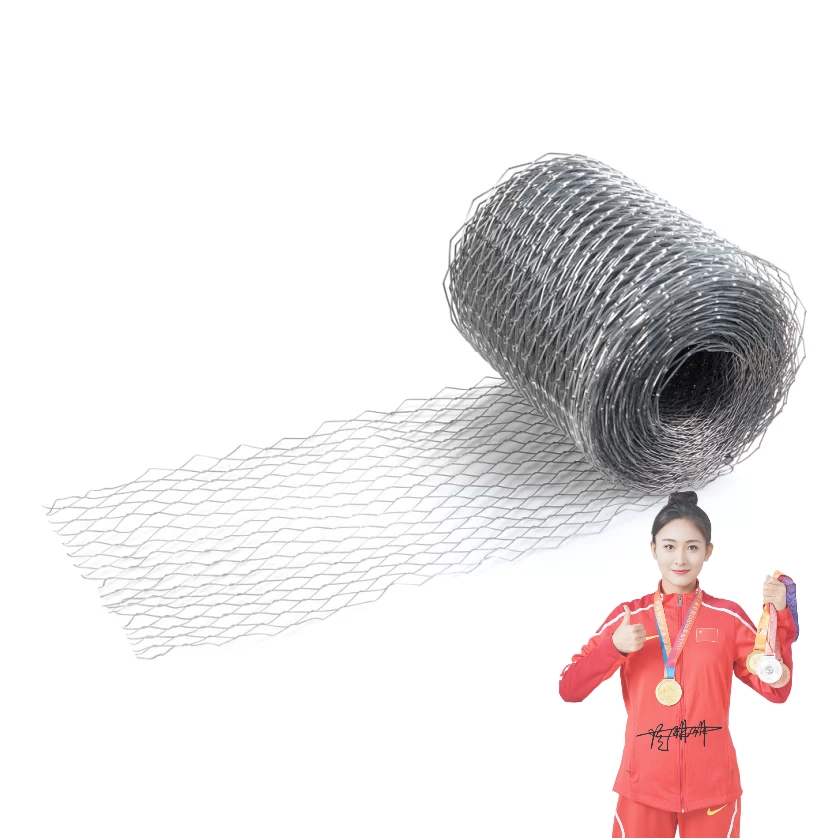
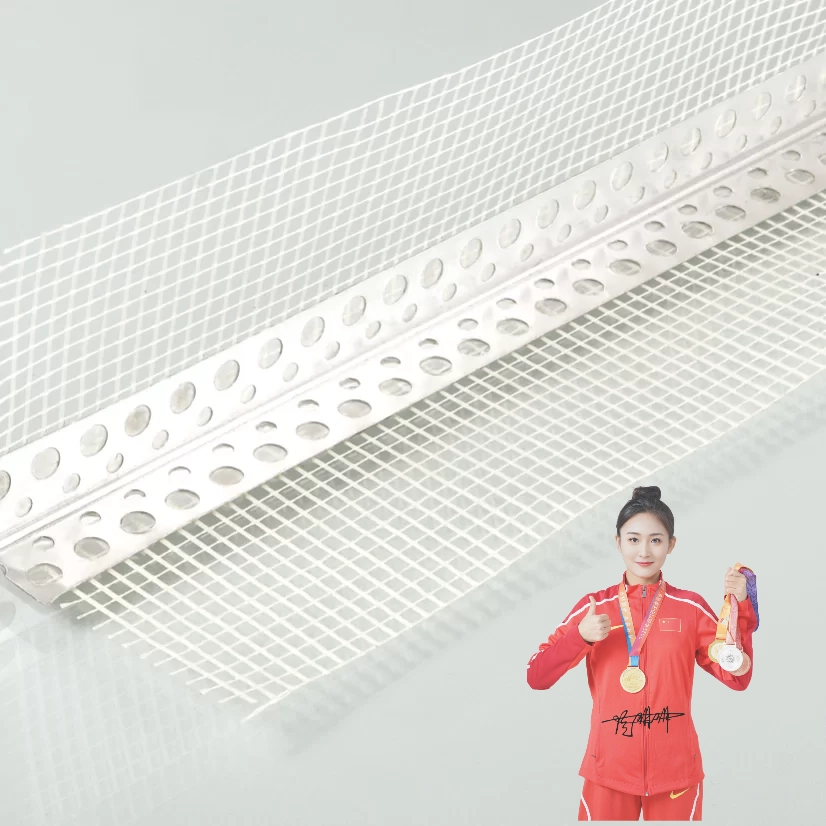
Let’s keep it simple: the perforated metal sheet price refers to the cost of metal sheets that have been mechanically stamped or punched with holes in patterns to serve specific functions. These holes can range in size, shape, and density, impacting both performance and, of course, price.
Functionally, these sheets are prized for their versatility — think filtering, noise reduction, architectural cladding, and even artistic installations. In humanitarian contexts, say post-earthquake shelters or modular medical facilities, knowing the cost helps NGOs plan scalable, durable solutions.
Key Factors Affecting Perforated Metal Sheet Price
Material Type and Quality
Stainless steel, aluminum, galvanized steel—all come at different price points and have varying durability. High-grade stainless steel is pricier but offers corrosion resistance, crucial in coastal regions or chemical plants.
Hole Pattern and Density
The complexity of the perforation—size, shape, spacing—directly affects manufacturing costs. Fancy geometries or higher hole densities require more production time and tooling precision.
Sheet Thickness
Thicker sheets naturally cost more due to heavier raw material use and machining effort, but they offer better structural strength.
Production Scale & Location
Manufacturers closer to raw material sources or with modern automation may provide better deals. Conversely, import tariffs or logistics challenges can spike prices unexpectedly.
Market Demand & Metal Prices
Global metal market trends, energy costs, and seasonal demand surges can cause short-term price hikes.
Customization & Finishing
Surface treatments like powder coating or anodizing add to the cost but enhance longevity and aesthetics.
Mini takeaway: Price isn’t just a number. It encapsulates raw material, design complexity, manufacturing and finishing — all layers interacting in sometimes surprising ways.
Practical Uses of Perforated Metal Sheets in Industry and Beyond
Perforated metal sheets pop up in a surprising range of places:
- Architectural Facades: Allowing light, airflow, and beauty—all at once. Significant in urban centers like Dubai and New York.
- Industrial Filtration: Mining and chemical plants filter particulates with precision-engineered sheets.
- Automotive Applications: Grilles, sound dampening panels, and safety guards rely on these sheets.
- Emergency and Modular Housing: Lightweight, sturdy perforated sheets offer durable, ventilated shelter walls—critical in disaster zones like South East Asia.
- HVAC Systems: Used extensively for noise control and air distribution.
Oddly enough, even art galleries have jumped on this, using perforated metal as an ambient lighting filter, blending function with design.
Typical Perforated Metal Sheet Specifications
| Specification |
Range/Value |
Impact on Price |
| Material |
Stainless Steel, Aluminum, Galvanized Steel |
Medium to High |
| Sheet Thickness |
0.5 mm to 6 mm |
Directly proportional |
| Hole Diameter |
0.5 mm to 25 mm |
Smaller holes = higher cost |
| Pattern Type |
Round, Square, Slotted |
Complex shapes cost more |
| Finishing |
Powder Coating, Anodizing, Galvanizing |
Adds 10–25% |
Long-Term Value of Choosing the Right Perforated Metal Sheet
While price comparisons are tempting, the smartest buyers look deeper. Investing in high-quality perforated metal sheets means fewer replacements and lower maintenance. There’s a knock-on effect for sustainability—you’re not perpetually dumping scrap metal or repainting damaged panels.
Emotionally, it boosts trust in your brand or project. On a building site or a refugee shelter, knowing the materials won’t give up prematurely offers peace of mind. For industries innovating to reduce carbon footprints, these materials are part of the puzzle.
Innovation and Future Trends Affecting Perforated Metal Sheet Price
The pace of change is quite fascinating. Advanced robotics and laser-cutting tech are making custom perforation quicker and cheaper. That robotic automation helps drive down labor costs and reduces material waste. Look out also for smart coatings—those with self-cleaning, antimicrobial, or energy-reflective properties.
On the material front, composite metals and recycled alloys are gaining traction, aligning with ISO sustainability standards and global net-zero goals. All of which may cause some short-term price volatility but will likely stabilize and even reduce costs long-term.
Challenges Around Pricing and How Industry Is Overcoming Them
Two big stumbling blocks come to mind:
- Raw Material Volatility: Steel and aluminum prices swing dramatically due to global trade and energy prices. Some manufacturers use forward contracts or regional sourcing to soften blows.
- Customization Costs: Unique hole patterns can spike prices, but digital patterning and modular tooling reduce setup times and prices over bulk orders.
Frankly, the best experts recommend working with trusted suppliers and planning purchases well in advance—if you can avoid last-minute spikes, you save big.
Perforated Metal Sheet Vendors Comparison
| Vendor |
Price Range (per sqm) |
Customization Options |
Lead Time |
Geographical Reach |
| Global Metals Inc. |
$20 - $35 |
Standard & custom hole patterns |
2-4 weeks |
North America, Europe |
| Asia Perforations Ltd. |
$15 - $28 |
High customization, laser cut |
3-5 weeks |
Asia-Pacific, Middle East |
| Corner Bead Manufacturing |
$18 - $30 |
Extensive standard options with custom capabilities |
1-3 weeks |
Global |
Frequently Asked Questions About Perforated Metal Sheet Price
1. What determines if a perforated metal sheet is high cost or affordable?
Material quality, hole size and pattern complexity, thickness, finishing, and volume of order play key roles. For premium stainless steel with dense perforations, expect higher prices versus simple galvanized sheets with large holes.
2. Can perforated metal sheets be tailored for specialized industrial applications?
Absolutely. Modern machinery supports laser cutting complex patterns, and vendors often offer customization based on exact engineering requirements, affecting the overall price accordingly.
3. How do geopolitical factors affect perforated metal sheet prices?
Tariffs, import/export restrictions, and global steel market shifts can fluctuate raw material availability and cost, sometimes leading to supply delays and price spikes.
4. Are there eco-friendly options that balance price and sustainability?
Yes. Recycled metals and green finishing processes can reduce environmental impact. Though these might carry a modest premium, they often pay off with longer asset lifespans and regulatory incentives.
5. How can businesses manage fluctuating perforated metal sheet price in their supply chain?
Forward purchasing agreements, working closely with trusted suppliers, and bulk ordering are typical strategies. Digital ordering platforms also help forecast and lock in prices.
Wrapping It Up: Why Tracking Perforated Metal Sheet Price Is a Smart Move
At the end of the day, perforated metal sheet price is a lens into the complex world of metals, manufacturing, and global market forces. It’s not some static figure but a dynamic factor influencing project reliability, cost efficiency, and sustainability. Whether you’re designing a skyscraper facade or outfitting a mobile health clinic in a remote region, knowing these costs upfront arms you with choice and confidence.
For more detailed pricing and customization options, visit our site today. Because understanding is the first step to innovation.
References
- Wikipedia: Perforated Metal
- World Bank: Urban Development Overview
- ISO: Sustainability Standards