Understanding 4x8 Expanded Metal Price: Why It Matters Now
Whether you’re in construction, industrial design, or sourcing materials for large projects, the 4x8 expanded metal price is more than just a figure on a quote sheet — it’s a key indicator of cost-efficiency, quality, and project viability. Expanded metal sheets sized 4 feet by 8 feet are standard in many industries worldwide, essentially serving as versatile building blocks for everything from safety barricades to architectural facades. Knowing why the price fluctuates and what influences it doesn’t just save money, it drives smarter, sustainable decision-making on a global scale.
In today’s fast-evolving supply chains, fluctuating metal prices ripple through industries far beyond construction — impacting manufacturing, infrastructure development, and humanitarian projects alike. Understanding the nuances of the 4x8 expanded metal price can unlock better planning and healthier budgets, especially when orders run large or deadlines are tight.
Mini takeaway: The cost of 4x8 expanded metal sheets plays a crucial role globally, affecting industries from infrastructure to aid relief. Recognizing price drivers empowers smarter procurement.
Global Context: Why 4x8 Expanded Metal Price Grabs Attention
It might surprise some that a single dimension sheet of expanded metal, 4 by 8 feet, can reflect broader economic trends. Data from the World Bank shows global steel prices experienced significant volatility over the past decade — partly due to trade policies, raw material costs, and demand shifts in sectors like automotive and construction. The International Organization for Standardization (ISO) also highlights how standardized metal sheet sizes help stabilize pricing and streamline trade globally.
But here’s the rub: sudden spikes in raw material costs, like scrap metal or zinc (for galvanized sheets), create a domino effect— price unpredictability makes budgeting and scaling projects challenging. This is especially critical for developing regions where such metals form the backbone of affordable infrastructure solutions.
Coming at it from a different angle, humanitarian efforts rely heavily on predictable costs to deploy shelters, fencing, or sanitation infrastructure quickly after disasters. Fluctuations in the 4x8 expanded metal price can delay or reduce the scope of aid, which frankly, makes understanding these costs not just an economic concern but a social one.
Mini takeaway: Metal price shifts, tracked globally, influence development and humanitarian sectors alike, underscoring the need for price awareness.
What Exactly Is the 4x8 Expanded Metal Price?
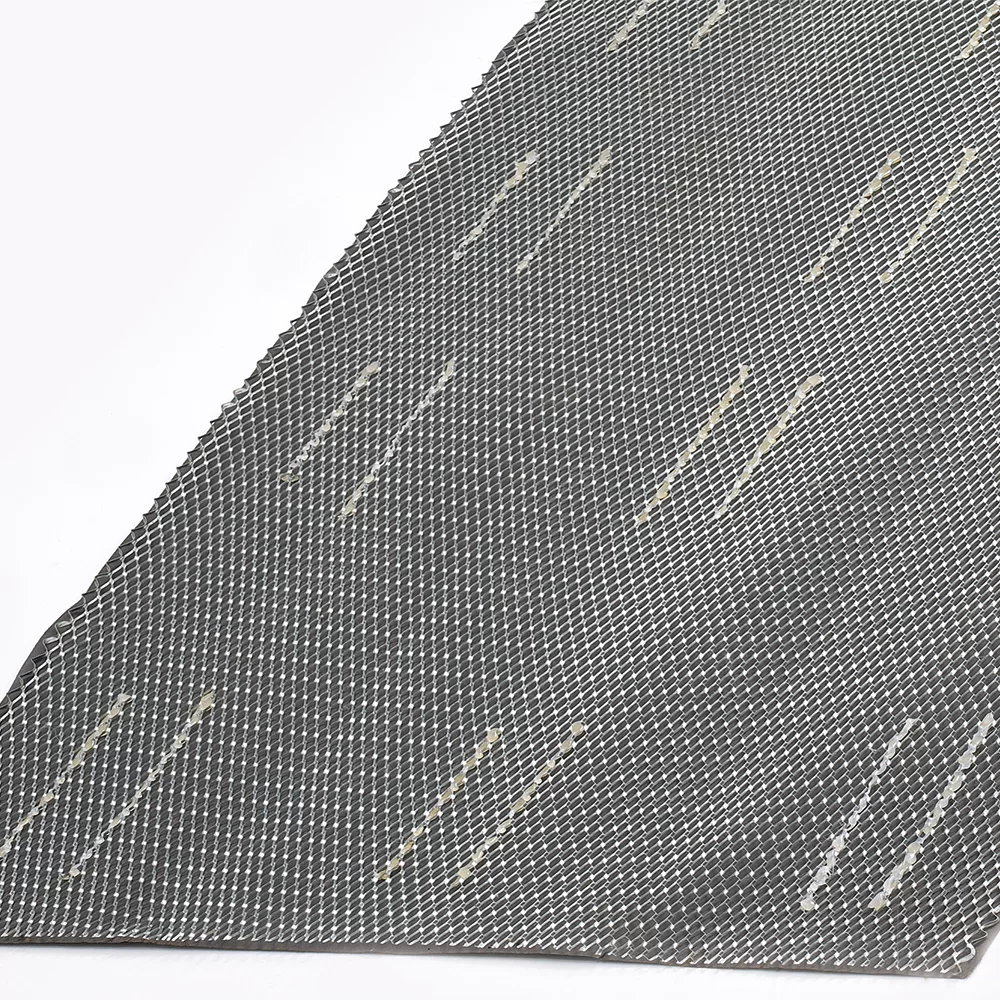
Put simply, the 4x8 expanded metal price refers to the cost of a sheet of expanded metal measuring 4 feet by 8 feet — a common size for many applications. Expanded metal itself is a single piece of metal sheet that’s been slit and stretched into a diamond-shaped mesh pattern. This method avoids waste since no metal is removed (unlike perforated sheets).
The price tag on these sheets incorporates raw material costs (mostly steel or aluminum), manufacturing processes like flattening and galvanization, labor, and sometimes shipping or tariffs. Because the sheets serve as durable yet lightweight reinforcements, their pricing ties directly to industrial needs where strength-to-weight ratios matter — think walkways, machine guards, and exterior architectural panels.
On a more global stage, these metal sheets provide affordable, robust solutions for humanitarian shelter, fencing for crude camps, and countless other use cases where quick installation plus longevity equals safety and dignity for vulnerable populations.
Mini takeaway: The 4x8 expanded metal price reflects complex manufacturing and material costs but ultimately feeds into many critical, real-world applications worldwide.
Key Factors Affecting 4x8 Expanded Metal Price
1. Raw Material Quality & Type
Steel tends to dominate here, but suppliers vary grades based on tensile strength and corrosion resistance. Galvanized options or aluminum sheets usually command higher prices. The market price of these metals at the moment of purchase is the biggest driver.
2. Manufacturing Process
Slitting, stretching, flattening, and optional finishing processes like zinc coating add to costs. Advanced facilities that automate these steps may offer more consistent pricing but typically at a premium.
3. Sheet Thickness (Gauge)
Heavier gauges translate to stronger but more expensive sheets. Many engineers say choosing an optimal gauge can mean the difference between overpaying or compromising structural integrity.
4. Mesh Size & Pattern
The dimension of the diamond openings affects material usage and ultimately price. Finer meshes use more metal, thus raising costs.
5. Global Supply Chain & Shipping
Freight challenges, trade tariffs, and regional demand surges impact the delivered price significantly—especially for international buyers.
6. Currency Fluctuations
Because raw materials and sheets often trade in USD or Euros, exchange rates influence local pricing, often subtly but cumulatively.
| Specification |
Details |
| Sheet Dimensions |
4 feet x 8 feet (1219 mm x 2438 mm) |
| Material |
Steel (commonly), Aluminum (alternate) |
| Gauge Range |
10 to 16 gauge typical |
| Mesh Opening Size |
Variable, commonly 1” diamond pattern |
| Finish |
Mill finish, hot-dip galvanized, powder coated |
| Typical Price Range (USD/sheet) |
$40 - $120 depending on specs & market |
Mini takeaway: Multiple intertwined factors, from raw materials to logistics, shape the 4x8 expanded metal sheet price — making it a bit of an art and science balancing act.
Global Applications and Real-World Use Cases
Expanded metal sheets sized 4x8 play pivotal roles worldwide. For instance:
- Construction & Architecture: Façade cladding, walkways, mezzanines, and security fencing.
- Industrial Safety: Machine guards, ventilation panels, and filtration frameworks.
- Humanitarian Aid: Rapidly deployable fencing, shelter reinforcements, and temporary infrastructure — especially in regions affected by conflict or natural disasters.
- Agriculture: Animal cages, storage containment, and protective enclosures.
- Transportation: Truck and trailer flooring, grating, and flooring platforms for maintenance work.
Regions like Southeast Asia and Sub-Saharan Africa rely heavily on durable, affordable expanded metal solutions to uplift infrastructure without exorbitant investment. In remote industrial zones, these sheets balance ruggedness with weight savings, vital where transport costs are sky-high.
One notable story comes from a post-flood relief operation in the Philippines, where NGOs sourced galvanized 4x8 expanded metal sheets to quickly erect perimeter fencing, thus ensuring safety and simplifying logistics in crowded camps. Prices fluctuated during the crisis, and yet the teams managed to secure fair rates by understanding market patterns deeply.
Mini takeaway: Across continents and industries, the versatility and cost points of 4x8 expanded metal sheets make them an unsung hero of infrastructure and aid work.
The Advantages & Long-Term Value of Smart Purchasing
Choosing the right 4x8 expanded metal sheet at the right price delivers tangible benefits:
- Cost Efficiency: Durable sheets reduce maintenance needs and replacements.
- Sustainability: Expanded metal uses less material than solid sheets for similar strength, trimming resource consumption.
- Reliability: Trusted performance under stress adds peace of mind for engineers and architects.
- Safety & Dignity: In humanitarian contexts, solid fencing and shelter materials protect vulnerable communities.
- Innovation Potential: Modern coatings and design tweaks increase corrosion resistance and aesthetics.
Frankly, it’s hard to overstate how this simple metal sheet supports so many layers of safety, innovation, and environmental consciousness worldwide.
Future Trends & Innovations Shaping the Market
Looking ahead, the 4x8 expanded metal price will likely reflect advances in:
- Green Steel Production: Low-carbon steelmaking aiming to reduce carbon footprints around manufacturing.
- Smart Coatings: Nanotechnology-based anti-corrosion layers extending lifespan dramatically.
- Automation: Smarter manufacturing plants reduce labor costs and errors, improving price stability.
- Digital Supply Chains: Blockchain and AI-driven procurement forecasts may smooth out price volatility.
Oddly enough, while the global push for sustainability intensifies, demand for efficient, light-weight expanded metal is climbing, driven by renewable energy infrastructure like solar panel mounts and wind turbine platforms.
Overcoming Common Challenges
Price fluctuations and supply chain delays often hamper timely procurement. Some suppliers offer long-term contracts locking in prices, while others focus on better inventory management to assure availability. Manufacturers also experiment with hybrid materials blending metals for cost and performance balances.
Import taxes and tariffs pose hurdles for international buyers, but savvy negotiation and regional partnerships sometimes circumvent these issues, leading to win-win pricing strategies. For example, smaller batch orders coordinated through consolidators can reduce shipping overheads.
Frequently Asked Questions About 4x8 Expanded Metal Price
- What affects the price difference between galvanized and plain steel expanded metal sheets?
- Galvanized sheets cost more due to the protective zinc coating process, which extends corrosion resistance and lifespan, reducing long-term maintenance costs. Material and coating method prices also fluctuate with zinc market trends.
- How can I estimate the weight of a 4x8 expanded metal sheet for shipping cost calculations?
- The weight depends on the gauge and material. For example, a 12-gauge steel sheet (about 3.75mm thick) typically weighs approximately 33-38 pounds (15-17 kg). Most suppliers provide exact weight per sheet in specs.
- Are there bulk purchase discounts when buying expanded metal sheets?
- Yes. Vendors often offer tiered pricing based on volume, with larger orders receiving lower unit costs. Negotiations factoring in delivery timing and payment terms also influence final prices.
- How does currency fluctuation impact my local pricing when buying imported sheets?
- Since most metal trades occur in USD or Euros, a weaker local currency may increase cost, while a stronger one reduces it. Forward contracts or currency hedging strategies help mitigate this risk for larger buyers.
- Can I customize the mesh size or thickness in a standard 4x8 sheet?
- Many manufacturers allow customization of mesh pattern and gauge, sometimes at additional cost or minimum order quantities. It’s worth discussing specifications early to align price and functionality.
Final Thoughts: The Long Game with 4x8 Expanded Metal
While the 4x8 expanded metal price might seem like just numbers on a purchase order, it represents a rich interplay of materials science, economics, and global logistics. Keeping abreast of price influencers leads to smarter decisions that ripple out to improved safety, better resource use, and more reliable infrastructure worldwide.
If you’re sourcing these sheets for your next project, whether industrial or humanitarian, diving into market insights can make all the difference. For up-to-date pricing and options, feel free to visit 4x8 expanded metal price — a great resource to start.
There’s always more beneath the surface than a first glance shows — and that’s kind of the fun of it.
| Vendor |
Price Range (per 4x8 sheet) |
Material Options |
Lead Time |
Additional Services |
| Corner Bead Mfr |
$45 - $110 |
Steel, Galvanized, Aluminum |
1-2 weeks |
Customization, Volume Discounts |
| Global Metal Supply |
$50 - $115 |
Steel, Galvanized |
2-3 weeks |
Bulk Orders, Shipping Support |
| MetalWorks Co. |
$40 - $100 |
Steel, Aluminum |
1 week |
Rapid Delivery, Custom Sizes |
References:
1. World Bank. "Global Steel Market Dynamics." worldbank.org
2. ISO Standards for Expanded Metal Sheets (ISO 9043-3). iso.org
3. Wikipedia. "Expanded Metal." en.wikipedia.org