Understanding Metal Mesh Sheet Price: Why It Matters Worldwide
If you've ever dealt with construction, manufacturing, or even protective fencing, chances are you've come across metal mesh sheets. But beyond their look and feel, understanding the metal mesh sheet price is surprisingly important, especially in today’s interconnected world where materials impact everything from infrastructure resilience to humanitarian aid. Frankly, metal mesh sheets are like the unsung heroes in many industries — flexible, durable, and often cost-effective — and knowing the pricing trends can unlock better project planning and resource management.
The global market for metal mesh is tied tightly to economic waves, material availability, and technological innovation — think of it as a quiet pulse beneath big construction booms or disaster relief efforts. So, diving into metal mesh sheet prices is more than just a budgeting exercise; it’s about understanding a foundational material that supports modern life across continents.
Quick takeaway:
- Metal mesh sheets are vital across industries, from construction to aid.
- Knowing price variability helps plan smarter and save resources long-term.
Global Context: Metal Mesh Sheet Price in Today’s Economy
Globally, metal mesh sheet price fluctuations reflect broader shifts. According to
World Bank data, raw material prices like steel have touched new highs and lows, influenced by supply chain hiccups, energy costs, and geopolitical factors. Industries from automotive to agriculture feel the ripple. The
International Organization for Standardization (ISO) also highlights the importance of standardized metal products for safety and trade.
The cost factor gets tricky when projects aim to be both sustainable and affordable. A humanitarian organization wanting mesh sheets for flood barriers, for example, needs to balance price with durability and speed of delivery — which is often a headache, given volatile prices and logistic challenges. Are metal mesh sheets affordable enough to keep rebuilding going? That's the big question.
Mini summary:
- Metal mesh pricing reflects global materials markets and energy supply.
- Standardization efforts play a big role in ensuring reliable quality and pricing.
What Does "Metal Mesh Sheet Price" Really Mean?
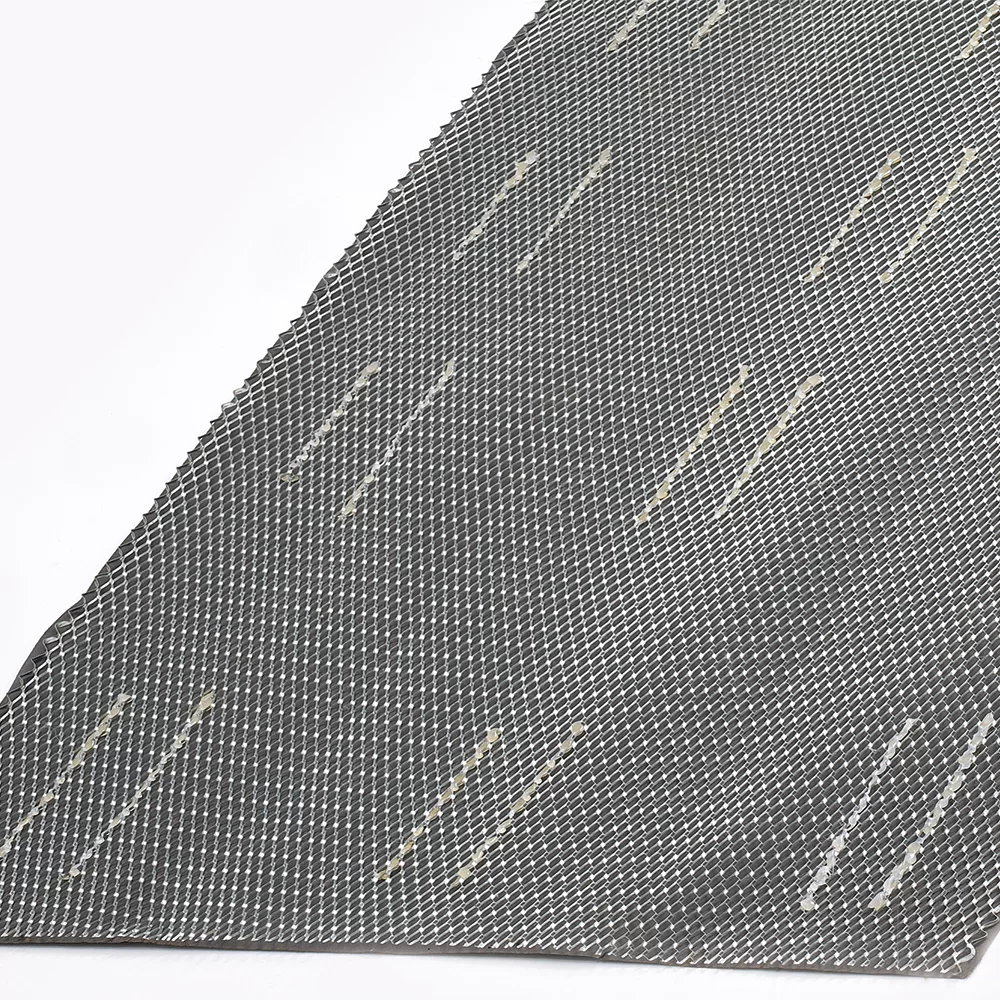
In the simplest terms, metal mesh sheet price refers to the cost per unit (square foot, meter, or sheet) of woven or welded metal grids typically made from steel, aluminum, or other alloys. These sheets vary in wire diameter, aperture size (the gaps between wires), and coating (galvanized, PVC-coated, stainless, etc.), all influencing the final price tag.
Beyond raw numbers, this price signals availability, quality, and intended application. For instance, a galvanized steel mesh sheet for industrial use might cost more than a plain steel version for agricultural fencing. But oddly enough, sometimes local demand or import tariffs can skew these costs more significantly than the type of mesh itself.
From a humanitarian angle, knowing the metal mesh sheet price is crucial for NGOs when sourcing materials for shelter, protective barriers, or water filtration projects. These applications demand a delicate balance between cost and performance, especially when budgets are tight and stakes are high.
In essence:
- Price depends on material, mesh design, coating, and region.
- Varies widely based on intended use — from rough fencing to precision industrial filters.
Essential Factors Determining Metal Mesh Sheet Price
1. Material Composition
Steel mesh sheets generally cost less than aluminum or stainless steel. Steel is strong, affordable, but can rust unless coated. Stainless steel offers corrosion resistance — perfect for humid or chemical environments — but is pricier by about 30–50%.
2. Wire Diameter and Aperture Size
Thicker wires mean sturdier mesh sheets, which ups the price due to more raw metal content. Similarly, smaller apertures (tighter mesh) require more precise manufacturing — that precision adds to cost.
3. Surface Treatment and Coating
Galvanized coating can add a modest premium but extends longevity. PVC coatings, often colorful, add more cost but protect in harsh environments. Powder-coated mesh sheets sit at the higher end.
4. Supply Chain and Local Availability
Logistics count here. A supplier closer by can offer better prices simply because freight costs drop. Import taxes and tariffs also impact the final metal mesh sheet price, particularly in emerging markets.
5. Order Volume and Customization
Bulk orders tend to lower unit costs. Custom sizes or specialized meshes (e.g., anti-slip or electro-polished) can increase prices significantly.
6. Technological Advances
Modern manufacturing methods such as robotic weaving or laser-cut mesh sheets can reduce waste and improve precision but may add marginally to cost.
Quick insight:
- Price is a dance between material choice, quality, and logistical factors.
- Customization and coatings often dictate premium pricing brackets.
Where Metal Mesh Sheets Come to Life: Applications Worldwide
Industries really lean on metal mesh sheets:
- Construction: Reinforcing concrete, fencing, and cladding across Europe, Asia, and the Americas.
- Agriculture: Protecting crops and livestock with cost-effective fencing especially in Australia and South America.
- Industrial filtration: Chemical plants and food processing companies in North America rely on precision mesh sheets to filter solids and liquids.
- Disaster response: NGOs use metal mesh in quickly assembled shelters or flood barriers in Southeast Asia and Africa.
- Automotive and aerospace: Specialized mesh for ventilation and safety components, mainly in developed economies.
Take remote mining operations in Africa, where wire mesh sheets priced competitively are essential to erect sturdy screening structures that protect equipment and workers from debris and wildlife.
In post-disaster relief efforts, metal mesh sheet price directly influences how rapidly organizations can secure safe perimeters and infrastructure — sometimes every dollar counts. Communities rebuilding after hurricanes or floods often rely on affordable, durable mesh solutions to restore normalcy.
Key takeaway:
- Metal mesh sheets are quietly foundational across diverse global scenarios.
- Price sensitivity is elevated in aid and resource-poor settings.
Why Knowing Metal Mesh Sheet Price Pays Off in the Long Run
It boils down to more than dollars and cents. For one, sensible pricing encourages wider use in sustainable construction projects — cheaper but low-quality meshes often fail early, driving up long-term costs through repairs. Durability speaks safety and trust — critical in public spaces or hazardous industrial zones.
Sustainability efforts increasingly highlight recyclable metal mesh options that reduce waste. Smart buyers consider lifecycle cost, not just upfront price. That’s emotional too — feeling secure in a safe environment created by metal mesh you can trust.
Innovation in applications also perks up when price points align with budgets — like modular fencing or adaptable industrial shelters. Trust grows when materials and prices are transparent. And frankly, anyone who’s worked in cost-sensitive environments knows how sometimes "the cheapest” isn’t really cheap.
In summary:
- Cost-effective purchases unlock long-term safety and sustainability.
- Transparent pricing builds trust for repeat buyers.
The Road Ahead: Future Trends Impacting Metal Mesh Sheet Price
The conversation now includes:
- Green manufacturing: Using recycled metals and less energy-intensive processes could stabilize prices and attract eco-conscious buyers.
- Digital automation: Precision cutting and weaving via robotics reduce material waste, potentially lowering costs.
- Smart materials: Development of coatings that self-heal or resist grime might command premium prices but cut maintenance costs.
- Supply chain digitization: Blockchain technologies promise more transparent pricing and less fraud.
- Regulatory shifts: New trade policies or material standards could alter metal mesh sheet pricing landscapes globally.
So, it feels like we’re on the brink of a new era where price might become less volatile as newer technologies and eco initiatives mature.
Quick thought:
- Future trends hint at steadier prices and smarter mesh sheets.
- Sustainability and tech will shape cost and quality alike.
Common Challenges and How Industry Experts Tackle Them
Price spikes caused by raw material scarcity or tariff changes often hit projects hard. Also, the sheer variation in quality among suppliers creates uncertainty. Many engineers complain about mismatched specs leading to cost overruns.
Experts recommend:
- Building relationships with trusted suppliers.
- Leveraging bulk or long-term contracts to lock in prices.
- Using standardized specs to reduce the risk of hidden cost triggers.
- Exploring local manufacturing to offset shipping and customs fees.
Occasionally, material innovations like composites or hybrid meshes offer cost benefits — but these require rigorous testing before wide adoption.
Summary note:
- Supply chain unpredictability is a major pricing challenge.
- Smart procurement and local sourcing soften impact.
FAQ: Quick Answers About Metal Mesh Sheet Price
Q1: What factors most affect metal mesh sheet price fluctuations?
A: Primary drivers include raw material costs (steel, aluminum prices), supply chain disruptions, tariff changes, and demand spikes in construction or industrial sectors. Coating and customization add secondary costs.
Q2: Can I get discounts on metal mesh with bulk orders?
A: Yes, suppliers generally offer lower unit prices for larger orders, often above 100 sheets or based on tonnage. Negotiating contracts for repeat orders also helps reduce cost.
Q3: How does surface treatment impact pricing?
A: Treatments like galvanization or PVC coating add protective value but increase manufacturing complexity, thus increasing cost roughly 15–40% depending on method.
Q4: Are metal mesh sheets eco-friendly?
A: Many mesh sheets are recyclable and increasingly made from recycled metals. Eco-friendly coatings and green manufacturing reduce environmental impact, though cost may be slightly higher.
Q5: How to choose the right metal mesh for disaster relief with tight budgets?
A: Focus on durable steel mesh with basic galvanization to prevent rust, prioritize suppliers with local stock to avoid shipping delays, and weigh upfront cost against longevity to maximize value.
Comparing Popular Metal Mesh Sheet Products
| Specification |
Basic Steel Mesh |
Galvanized Mesh |
Stainless Steel Mesh |
| Material |
Mild Steel |
Steel + Zinc coating |
304 Stainless Steel |
| Wire Diameter |
3 mm |
3 mm |
2.5 mm |
| Aperture Size |
25 mm x 25 mm |
20 mm x 20 mm |
15 mm x 15 mm |
| Coating |
None |
Hot-Dip Galvanized |
Mill Finish + Passivation |
| Price (per sheet) |
$30 |
$40 |
$65 |
| Best Use |
Temporary fencing, low-budget projects |
Outdoor fencing, agriculture |
Chemical plants, food processing |
Vendor Comparison: Top Metal Mesh Sheet Suppliers
| Vendor |
Product Range |
Price Range (per sheet) |
Lead Time |
Shipping Coverage |
| GlobalMesh Inc. |
Steel, galvanized, stainless |
$25–$70 |
3–5 days |
Worldwide |
| MeshMasters |
Custom mesh, specialized coatings |
$35–$90 |
5–10 days |
North America, Europe |
| EcoWire Supplies |
Recycled and eco-conscious meshes |
$40–$75 |
7–14 days |
Europe, Asia |
Bringing It All Together
Understanding metal mesh sheet price is more than a cost assessment — it’s a window into how raw materials, manufacturing advances, and global logistics shape the infrastructure that surrounds us. Whether you’re coordinating a large industrial project or an emergency shelter build, knowing these price drivers can save money, time, and often, stress. Plus, it opens a conversation about sustainability and innovation that’s only getting richer.
If you’re in the market for reliable, competitively priced metal mesh sheets, I recommend checking out current pricing and offers at
metal mesh sheet price suppliers. Sometimes, just a little research upfront changes everything.
---
References:
- World Bank - Commodities Markets
- Wikipedia - Metal mesh
- ISO - International Standards for Metal Mesh