The Economics of Metal Net Sheet Price: Why It Matters Worldwide
If you’ve ever paused to consider why something as straightforward as a metal net sheet can cause quite the stir in industries around the globe, you’re in for an interesting ride. Metal net sheets are simple in design but crucially important in applications ranging from construction scaffolding to filtration systems and security barriers. Now, the metal net sheet price — essentially the cost you pay for these valuable materials — isn’t just about numbers on a tag. It directly influences supply chain efficacy, project budgets, and even humanitarian efforts in disaster zones. In real terms, understanding what sets the price is critical for businesses looking to optimize cost without compromising quality.
Globally, access to affordable and reliable metal netting impacts industries such as manufacturing, agriculture, and infrastructure. With supply chains disrupted by fluctuating raw material costs and geopolitical factors, knowing metal net sheet price trends helps companies make better purchasing decisions and plan projects more effectively.
Mini takeaway: Metal net sheet price shapes not only budgets but the very feasibility of projects worldwide, especially in emerging and disaster-prone regions.
Global Context: Why Metal Net Sheet Price Is More Than Just a Number
The importance of metal net sheet price can’t be overstated. According to the International Organisation for Standardization (ISO), metals like steel and aluminum — the primary materials for net sheets — are integral to roughly 80% of infrastructure projects worldwide. The World Bank reports that global metal prices have seen a 20% volatility just in the past two years because of supply chain challenges and rising demand in countries like China and India. This ripple effect means metal net sheet prices aren’t immune.
Now, imagine a remote industrial zone in Africa trying to build fencing or safety nets for heavy machinery but facing skyrocketing prices. Or a humanitarian NGO struggling to procure fencing to protect refugee camps. The metal net sheet price is a problem with a direct link to sturdy safety, development, and even human dignity.
Mini takeaway: Fluctuations in metal net sheet price reflect larger economic and political trends — understanding them empowers smarter purchasing and project planning worldwide.
What Does Metal Net Sheet Price Actually Mean?
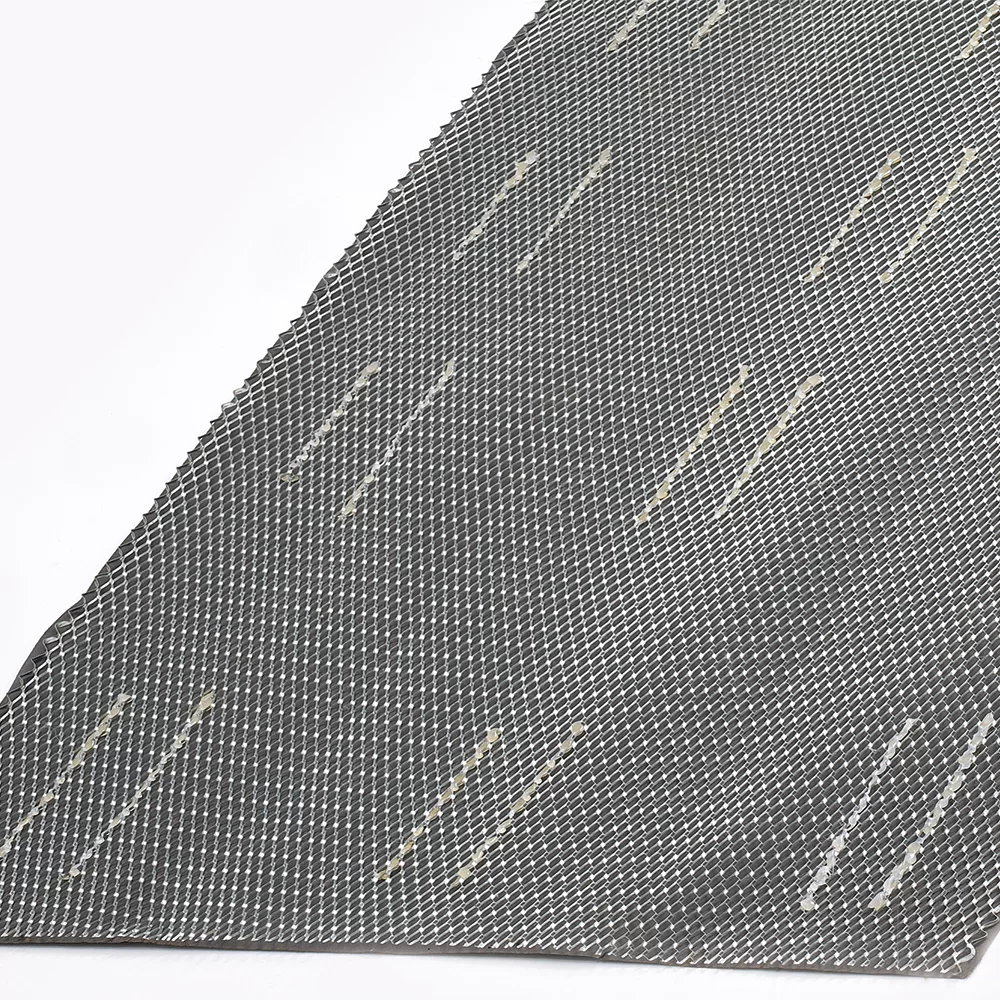
Simply put, metal net sheet price refers to the cost per unit (usually per square meter or kilogram) of metal netting products. These sheets are produced by weaving, welding, or expanding metal to form a grid or mesh structure.
These materials are indispensable — they reinforce concrete, provide security barriers, serve as filters in industrial plants, and more. The price indicates not only the metal's raw material cost but also manufacturing techniques, sheet size, mesh opening size, and surface treatments.
More interestingly, this price reflects the connection between material science and practical industry needs — balancing strength, flexibility, corrosion resistance, and cost. It also plays an unsung role in humanitarian logistics involving shelters and fencing solutions where cost efficiency and reliability must walk hand-in-hand.
metal net sheet price tags usually bundle multiple cost factors — metal type, sheet thickness, mesh pattern, and supplier margins.
Key Factors That Shape Metal Net Sheet Pricing
1. Material Type and Quality
The majority of metal net sheets are made from galvanized steel, stainless steel, or aluminum. Galvanized steel is cheaper due to its corrosion-resistant zinc coating, while stainless steel offers premium durability and rust resistance, hiking the price accordingly. Meanwhile, aluminum nets can be lightweight and corrosion-proof, but usually cost the most, especially for thicker sheets.
2. Mesh Size and Thickness
Smaller mesh openings and thicker metal strands naturally use more material and take longer to manufacture, driving up costs. Engineers often need to balance mesh size for practical utility — a finer mesh filters better but also costs more.
3. Production Technique
Whether it’s welded mesh, expanded metal, or woven wire netting, each production style demands different levels of precision and labor. Welded mesh is popular but may be costlier than mechanically expanded sheets which are quicker to produce.
4. Surface Treatment
To increase longevity, coatings like galvanization or powder coating are common. These treatments add layers of expense but protect nets from the elements, ultimately improving lifecycle value.
5. Scale and Vendor Location
Bulk purchases reduce unit price, and proximity to suppliers cuts shipping fees. Vendors in industrial hubs may offer sharper prices, but sometimes local supply constraints can raise costs unexpectedly.
Mini takeaway: Metal net sheet price isn’t arbitrary; it blends raw materials, design complexity, manufacturing methods, and logistics — all of which you should weigh when choosing the right product.
Applications Around the Globe: Where Metal Net Sheets Matter Most
Metal net sheets pop up everywhere — from Europe’s construction sites where they reinforce concrete, to Asia’s food processing plants where fine mesh filters liquids. In post-disaster relief operations, especially in Southeast Asia, metal net sheets create quick protective fencing around temporary relief shelters.
Remote industrial zones in South America rely heavily on affordable metal nets to build safety barriers around hazardous areas, reducing accidents. Agricultural regions in Australia install expanded metal sheets for durable fencing protecting livestock from wild predators. Even urban planners in North America incorporate these materials for decorative yet functional safety barriers on pedestrian bridges.
Major organizations like the United Nations Development Programme (UNDP) often specify metal net sheets in their infrastructure kits because of their adaptability and cost-effectiveness.
Advantages of Knowing and Managing Metal Net Sheet Price
- Cost Efficiency: Avoid overpriced buying by understanding price drivers and timing purchases during market dips.
- Durability & Sustainability: Choosing the right materials saves money long-term—less maintenance, fewer replacements.
- Social Impact: Lower prices facilitate large scale fencing or safety nets in humanitarian projects, protecting lives and livelihoods.
- Innovation & Trust: Transparent pricing fosters trust between vendors and buyers, encouraging innovation in material technology.
Frankly, when you get metal net sheet price right, it means safer workplaces, better infrastructure, and sometimes, quite literally, saved lives.
Emerging Trends and Innovations in Metal Net Sheet Pricing
Looking forward, two big influences shape metal net sheet prices: green technologies and digital automation. Eco-friendly coatings that reduce pollution during production are gaining traction, slowly influencing costs. Also, automation in manufacturing is slashing labor costs — suppliers embracing Industry 4.0 concepts tend to offer more competitive prices.
Further, blockchain is beginning to track supply chain provenance, promising more pricing transparency. Additionally, 3D metal printing, though nascent in net sheet manufacturing, could disrupt pricing models by reducing waste and tailoring sheets for specific applications.
Challenges in Managing Metal Net Sheet Price and How to Beat Them
Price volatility remains a headache — sharp swings in raw metal costs can blindside buyers. Plus, import tariffs, shipping bottlenecks, and quality inconsistencies sometimes push costs beyond budget.
Experts often advise diversifying suppliers and locking in long-term contracts to stabilize metal net sheet price exposure. Leveraging digital marketplaces to compare prices and certifications helps too. Another promising approach is investing in modular net sheet designs that can be repaired rather than replaced, stretching product life and easing budget pressures.
FAQ: Your Top Questions About Metal Net Sheet Price
- Q: What influences the metal net sheet price the most?
- A: The biggest factors are raw metal prices, mesh type, thickness, and surface treatments. Global metal market fluctuations often have the largest immediate impact.
- Q: Are cheaper metal net sheets always lower quality?
- A: Not necessarily. Some cost savings come from efficient manufacturing or bulk orders. But extremely low prices can signal thinner wires or minimal coating, which may reduce durability.
- Q: How can I get the best metal net sheet price for a large project?
- A: Negotiate bulk pricing, procure through trusted suppliers with transparent pricing, and consider local manufacturers to minimize logistics costs.
- Q: Do environmental regulations affect metal net sheet price?
- A: Yes, stricter environmental rules can increase production costs, especially for coatings and emissions compliance, which may push prices up.
- Q: Where can I check current metal net sheet price?
- A: Industry portals and market reports often provide up-to-date pricing trends. For detailed quotes, contacting specialized suppliers like those found at metal net sheet price listings is best.
Product Specification Table: Typical Metal Net Sheet Options
| Specification |
Galvanized Steel Mesh |
Stainless Steel Mesh |
Aluminum Expanded Mesh |
| Material Thickness |
1.0 – 3.0 mm |
0.8 – 2.5 mm |
1.2 – 3.5 mm |
| Mesh Opening Size |
5 – 50 mm |
1 – 20 mm |
10 – 60 mm (expanded) |
| Corrosion Resistance |
Moderate (Zinc Coating) |
High |
High (Natural Oxide Layer) |
| Typical Price Range (per m²) |
$8 – $15 |
$20 – $35 |
$25 – $40 |
| Common Uses |
Construction, Fencing |
Industrial Filters, Safety Nets |
Architectural, Lightweight Barriers |
Vendor Comparison: Metal Net Sheet Price and Quality
| Vendor |
Price per m² (Galvanized) |
Lead Time (Days) |
Customization Options |
Warranty/Support |
| MetalPro Supplies |
$10.50 |
7 - 10 |
Mesh size, thickness |
2 years |
| SteelNet Co. |
$9.75 |
14 - 21 |
Color coating, sizes |
1 year |
| Global Mesh Ltd. |
$11.20 |
5 - 7 |
Custom patterns & coatings |
3 years |
| CornerBead Manufacturing |
$10.00 |
10 - 14 |
Bulk discounts, custom cuts |
2 years |
Wrapping It Up: Why Paying Attention to Metal Net Sheet Price Pays Off
To circle back, metal net sheet price isn’t just a tag on wire mesh — it’s a dynamic figure with real consequences for world infrastructure, industrial safety, and even social welfare. Whether you’re planning a remote construction project or sourcing materials for humanitarian aid, having a grip on what influences metal net sheets prices and how to navigate them means better planning, less waste, and ultimately, more resilient outcomes.
Next time you browse options or negotiate with vendors, you might appreciate the subtle complexities behind that simple metal net sheet price figure. And if you want to dive deeper or get customized quotes, visit our website — there’s a whole world of smart solutions just waiting.
References
- International Organisation for Standardization (ISO)
- World Bank - Metal Prices Report
- Wikipedia - Metal Mesh