Understanding Stainless Steel Brick Reinforcement Mesh: A Global Overview
When you think about durable, resilient infrastructure — especially in places prone to natural disasters or rapid urban expansion — the materials behind the scenes matter a ton. Enter stainless steel brick reinforcement mesh. Oddly enough, this mesh is one of those unsung heroes in modern construction, offering benefits that stretch beyond just strength. Understanding this material isn’t just for engineers; it matters globally for sustainability, safety, and innovation.
Why It Matters Globally
Infrastructure underpins economies. According to the World Bank, inadequate infrastructure slows economic growth and disproportionately impacts vulnerable populations. Using materials like stainless steel brick reinforcement mesh can make buildings more reliable and long-lasting, especially in emerging markets or environmentally challenging regions. The global push towards sustainable, resilient infrastructure aligns with the innovative use of this mesh, which improves load-bearing capacity and prevents long-term damage. In real terms, for regions with frequent earthquakes or flooding, it’s a small change with huge impact.
Mini takeaway: Stainless steel brick reinforcement mesh plays a vital role in building resilient infrastructure worldwide, supporting sustainable development goals.
What Exactly Is Stainless Steel Brick Reinforcement Mesh?
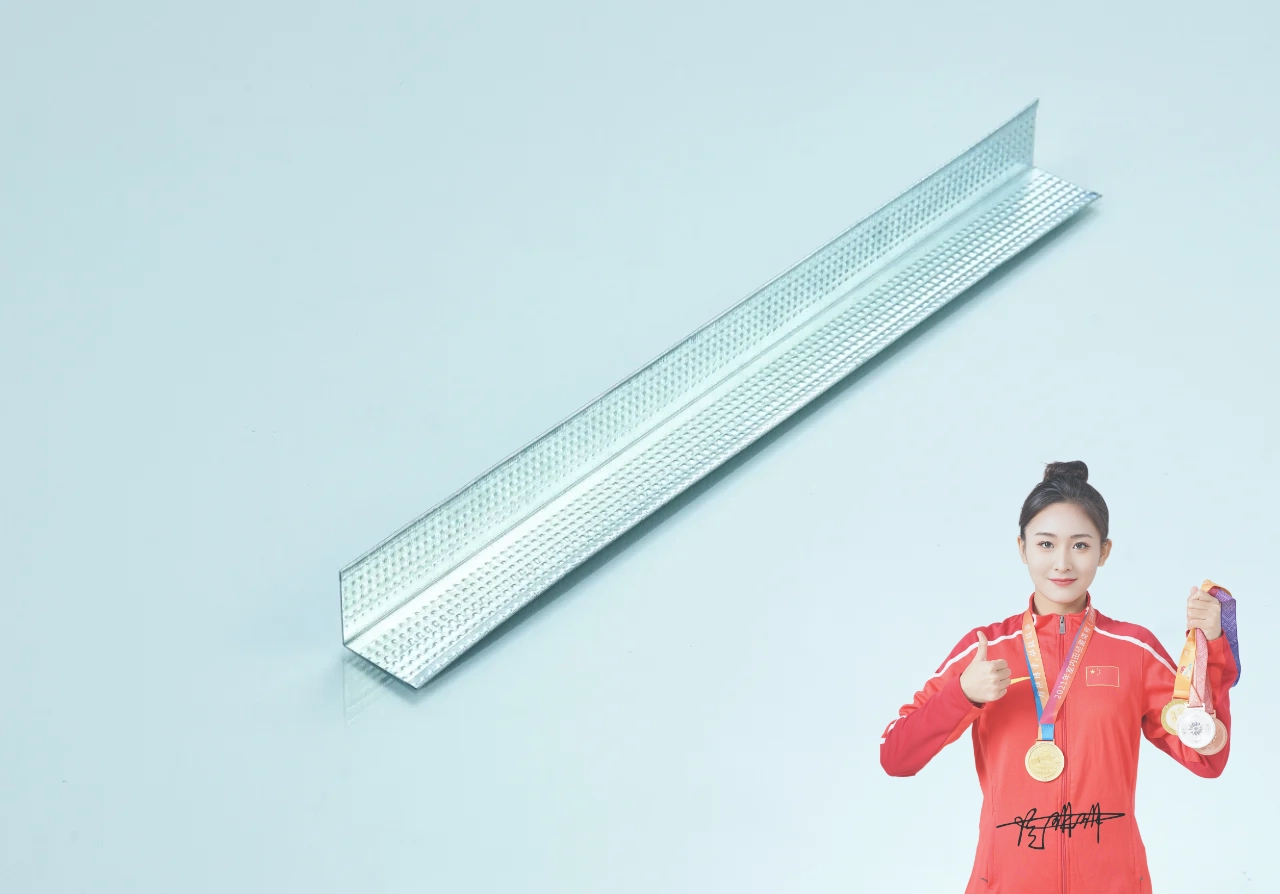
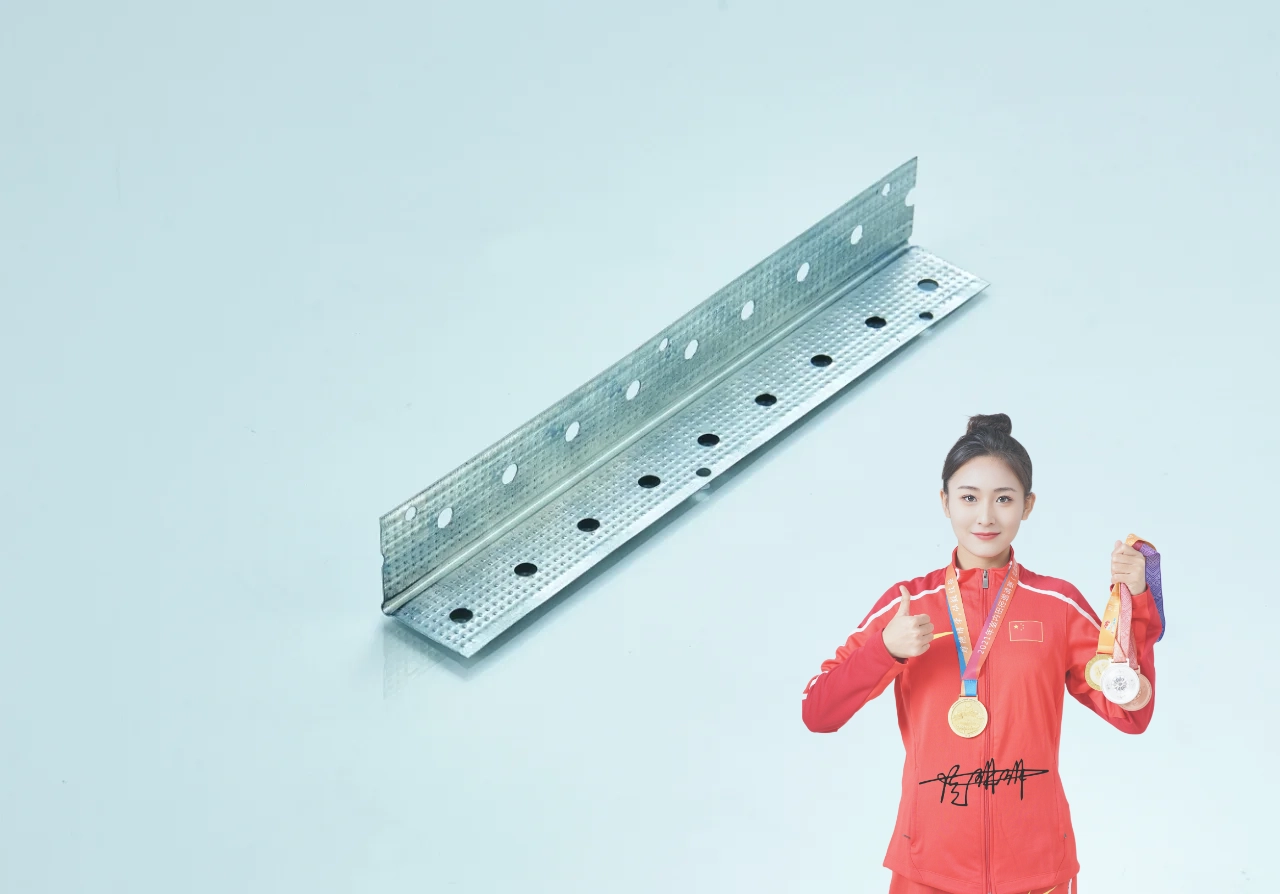
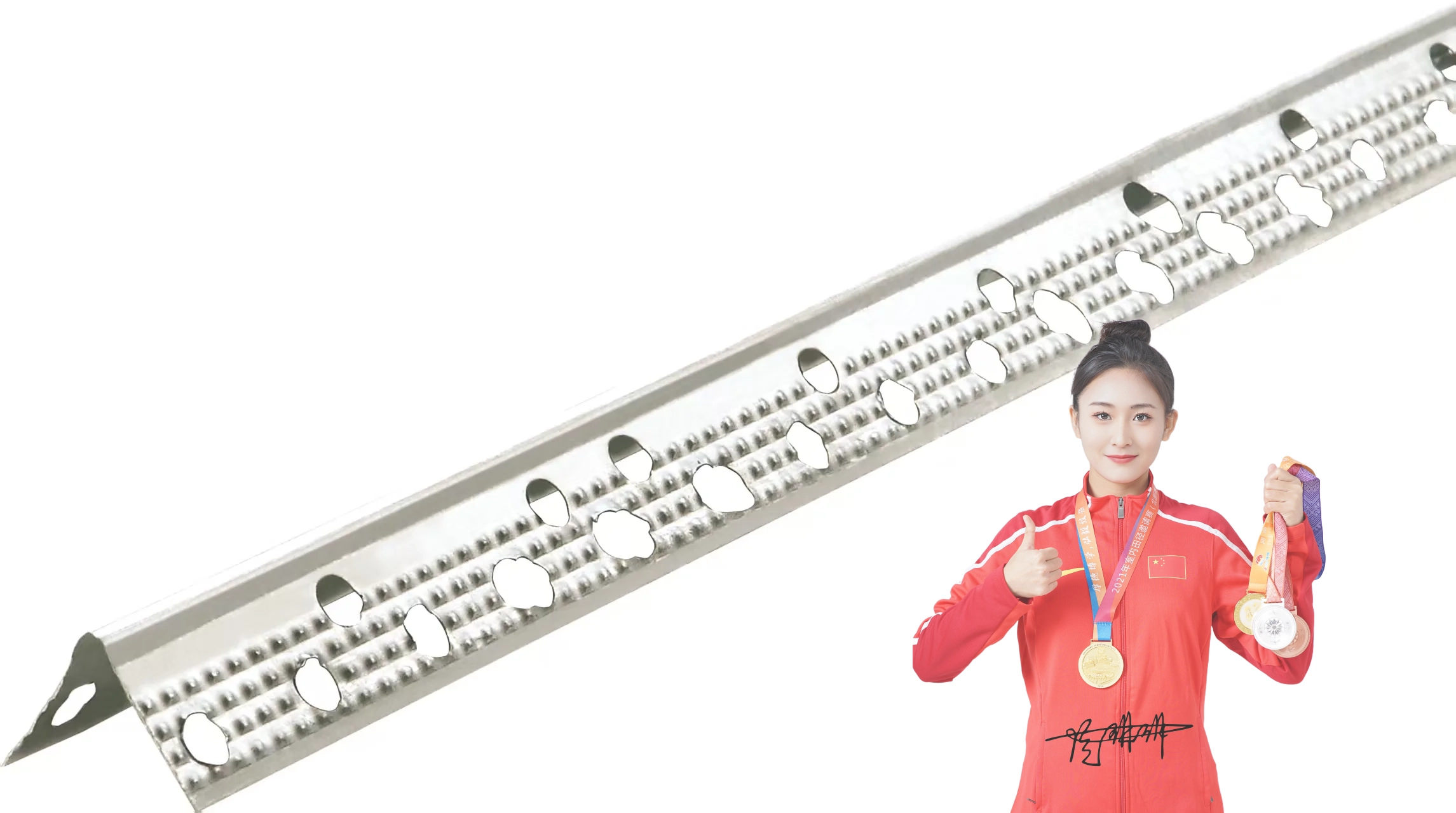
Think of this mesh as a grid made from stainless steel wires or rods, crafted specifically to reinforce brickwork and masonry. It’s embedded in brick walls or concrete to provide extra tensile strength, reducing cracks and structural failures. Compared to traditional steel reinforcement, stainless steel resists corrosion, which means longer service life and fewer costly repairs — especially in humid or salty environments.
In modern industry, stainless steel brick reinforcement mesh connects the dots between raw material science and practical engineering needs. Plus, it plays an increasingly important role in humanitarian construction, supporting fast, durable housing in disaster recovery efforts or low-income urban housing projects.
Mini takeaway: Stainless steel brick reinforcement mesh combines corrosion resistance with structural support, making it essential for long-lasting masonry.
Key Components and Factors
1. Durability
The stainless steel alloys used are typically grades 304 or 316, chosen for their resistance to rust and oxidation — a game changer in coastal or industrial zones. Durability extends not just to chemical properties, but also mechanical: the mesh maintains integrity under loads and vibration.
2. Scalability and Customization
This mesh comes in various sizes, wire gauges, and grid spacings, depending on project requirements — from tiny residential repairs to huge commercial buildings. You can even specify coatings or finishes for extra protection.
3. Cost Efficiency
At first glance, stainless steel might seem pricier than galvanized or mild steel meshes. But the long-term savings on maintenance, avoided failures, and extended lifespan often outweigh upfront costs.
4. Sustainability
Because stainless steel is 100% recyclable and matches with green building certifications (think LEED), using this mesh supports environmental goals. Plus, durability means fewer rebuilds = less waste.
5. Installation Ease
The mesh is relatively lightweight and flexible, allowing faster installation times compared to traditional reinforcing bars, helping reduce labor costs.
Mini takeaway: Combining strength, longevity, and eco-friendly properties, stainless steel brick reinforcement mesh fits diverse needs.
Global Applications & Real-World Use Cases
- Post-Disaster Housing: In earthquake-hit zones like Nepal, stainless steel reinforcement mesh helps rebuild stronger brick homes quickly. Its corrosion resistance is a bonus for humid climates.
- Industrial Facilities: Remote mining operations in Australia embed this mesh into brick protective walls exposed to harsh chemicals, ensuring long-term safety.
- Urban Development: Rising coastal cities in Asia incorporate reinforced brickwork for flood resilience, minimizing downtime after storms.
- Humanitarian NGOs: Organizations rebuilding refugee housing in the Middle East value mesh’s lightweight transportability combined with robust protection.
Mini takeaway: Stainless steel brick reinforcement mesh proves versatile — from disaster zones to industrial complexes around the globe.
Advantages & Long-Term Value
Let’s break it down — logic and feeling combined. Logically, you save money as this mesh reduces repairs, prevents hazardous cracks, and prolongs building life. Emotionally, it’s about safety and dignity: people deserve homes that don’t crumble or rot within years. In social impact terms, safer houses mean fewer injuries and enhanced community stability.
Technical advantages include:
- Exceptional corrosion resistance
- Improved tensile strength of brick masonry
- Lower thermal conductivity than traditional reinforcements
- Contribution to LEED and other green building standards
But beyond specs, many engineers I’ve talked with say the peace of mind is priceless when recommending stainless steel reinforcement mesh.
Product Specifications Snapshot
| Specification |
Detail |
| Material Grade |
304 / 316 Stainless Steel |
| Wire Diameter |
0.8 mm - 2.0 mm |
| Mesh Size |
25 mm x 25 mm to 50 mm x 50 mm |
| Tensile Strength |
> 500 MPa |
| Coating |
Plain / Passivated / Electropolished |
Vendor Comparison: Choosing the Right Supplier
| Vendor |
Price Range |
Customization Options |
Lead Time |
Sustainability Certification |
| Corner Bead Mfr |
$$-$$$ |
Wire gauge, mesh size, finishing |
2-3 weeks |
ISO 14001 |
| SteelMesh Co |
$-$$ |
Standard sizes only |
1-2 weeks |
None |
| Reinforce Solutions |
$$$ |
Fully bespoke options |
3-5 weeks |
Cradle to Cradle Certified |
Future Trends and Innovations
The move towards sustainability is nudging manufacturers to explore recycled stainless steel sources for mesh production. Digital tools like BIM (Building Information Modeling) integration are helping architects specify the optimal mesh configurations before production, reducing waste and errors. Automation in manufacturing promises quicker turnaround with consistent quality.
Oddly enough, some innovators are even combining stainless steel mesh with fiber optics to monitor structural stress or corrosion in real time — a sort of “smart reinforcement” that could revolutionize maintenance.
Mini takeaway: Advances in materials science and digital tech will make stainless steel reinforcement mesh smarter, greener, and more cost-effective.
Challenges & Expert Solutions
While stainless steel mesh offers many perks, challenges remain. The initial cost can be a barrier, especially in developing regions. Installation requires some training to avoid improper embedment that negates benefits. Also, supply chain disruptions occasionally impact availability.
Experts suggest sourcing from trusted vendors like stainless steel brick reinforcement mesh specialists and investing in workforce training. Modular pre-fabricated mesh panels can simplify installation and minimize field errors, making deployment faster and more reliable.
Frequently Asked Questions About Stainless Steel Brick Reinforcement Mesh
- Q1: How does stainless steel mesh improve brick wall strength?
- A1: The mesh distributes tensile stresses across the masonry, preventing cracks and improving overall structural integrity. Its corrosion resistance ensures consistent performance over many years.
- Q2: Is stainless steel reinforcement suitable for coastal environments?
- A2: Absolutely. The alloy resist corrosion from salt and moisture, making it ideal for coastal construction where traditional steel would quickly degrade.
- Q3: Can I source customized mesh sizes?
- A3: Yes, many vendors offer bespoke customization, including wire diameter and mesh spacing, to fit project-specific engineering requirements.
- Q4: How does stainless steel mesh impact building sustainability certifications?
- A4: Using stainless steel mesh supports certifications like LEED due to its recyclability and contribution to durable, low-maintenance structures.
- Q5: What are common installation mistakes to avoid?
- A5: Improper placement depth or insufficient overlap of mesh panels can reduce effectiveness. Following supplier guidelines and training installers is essential.
Conclusion
In summary, stainless steel brick reinforcement mesh isn’t just a fancy upgrade — it’s a practical, reliable, and sustainable solution addressing critical construction challenges worldwide. Whether you’re building resilient homes in disaster zones or industrial facilities in harsh environments, this mesh delivers long-term value.
If you’re looking to explore high-quality options, visit Corner Bead Mfr for a trusted range of stainless steel brick reinforcement mesh tailored to your needs.
Final takeaway: Durable, sustainable, and adaptable — stainless steel brick reinforcement mesh supports safer futures in masonry construction.
References
- World Bank - Infrastructure & Cities
- Wikipedia - Stainless Steel
- ISO 14001 Environmental Management