Understanding Drywall Corner Bead Types: Essentials for Industry and Innovation
If you've ever wandered through a newly finished building or admired a smooth, flawless wall corner, you’ve encountered the often-overlooked hero of drywall construction: corner beads. The drywall corner bead types are vital not only for aesthetic polishing but also for protecting wall edges from wear and tear. Globally, in construction industries ranging from residential development to humanitarian relief projects, the choice of drywall corner bead type can influence durability, cost, and even environmental impact.
But why exactly does this seemingly small piece of hardware matter on a global scale? From urban expansions in Asia and Africa to post-disaster rebuilds in hurricane and earthquake zones, selecting the right corner bead type affects both short-term productivity and long-term resilience of structures.
Global Relevance: Drywall Corner Bead Types in Industry and Development
According to the United Nations Human Settlements Programme (UN-Habitat), rapid urbanization requires building solutions that combine speed, safety, and sustainability. Corner beads, while modest, contribute directly to these goals by ensuring walls resist damage, retain structural integrity, and require less maintenance. Data from the World Bank estimates that improper finishing leads to upwards of 15% annual increase in repair costs across developing markets—expenses often passed to homeowners or humanitarian agencies operating on tight budgets.
In this context, the challenge is clear: finding drywall corner bead types that balance affordability, durability, and ease of installation while meeting diverse environmental conditions worldwide.
What Exactly Are Drywall Corner Bead Types?
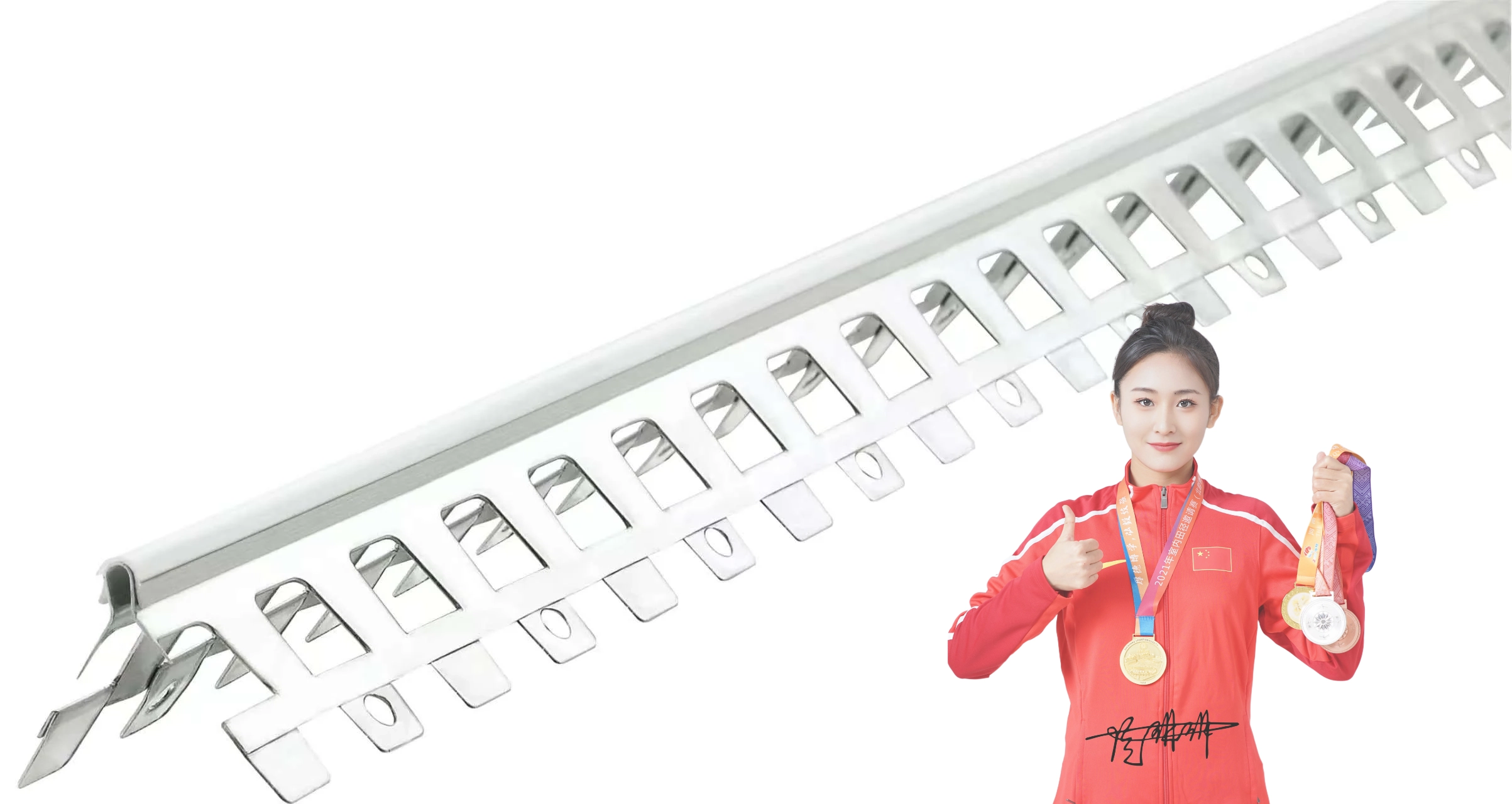
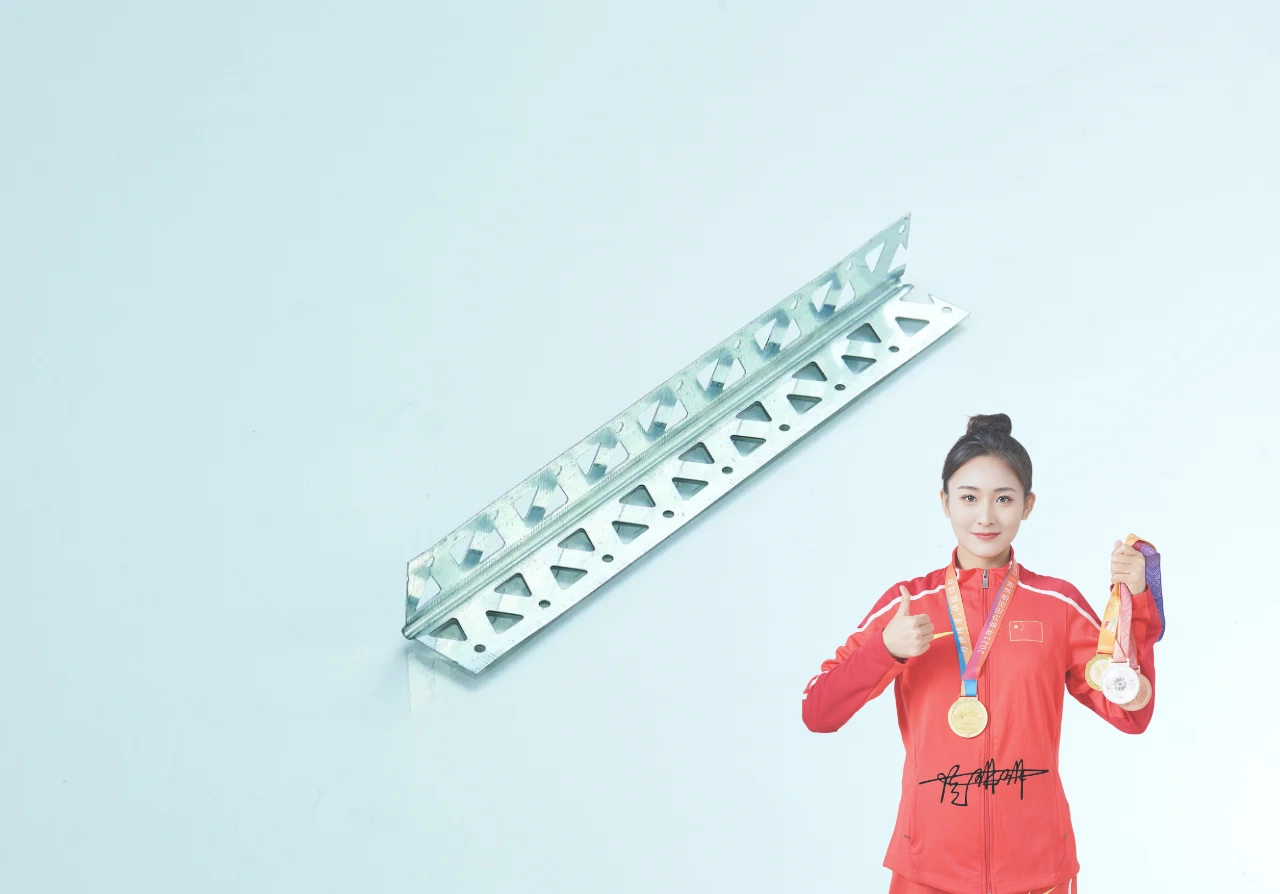
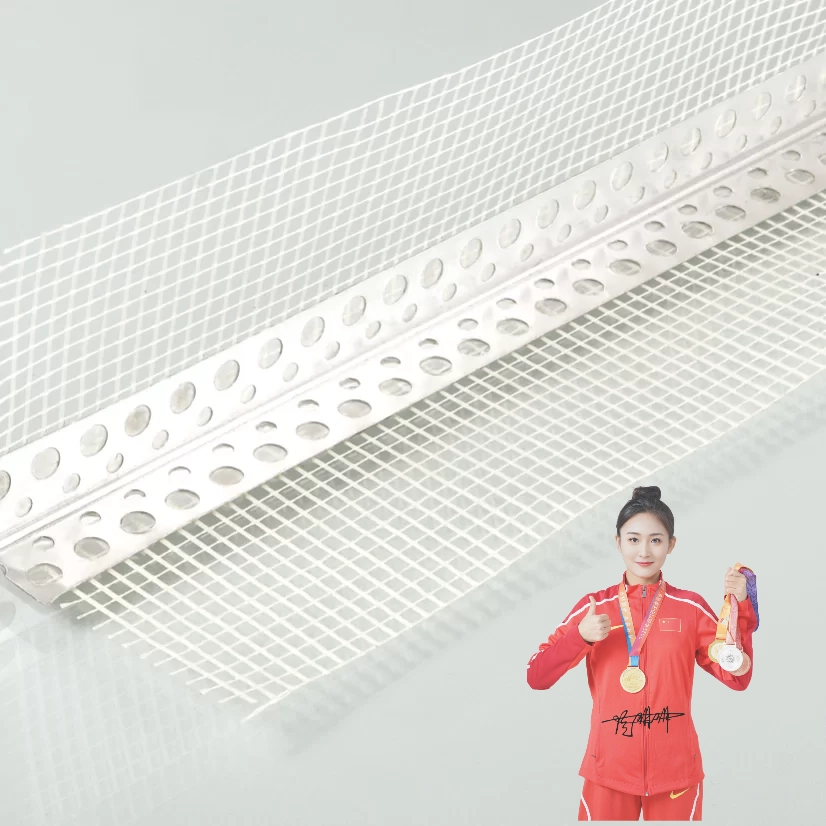
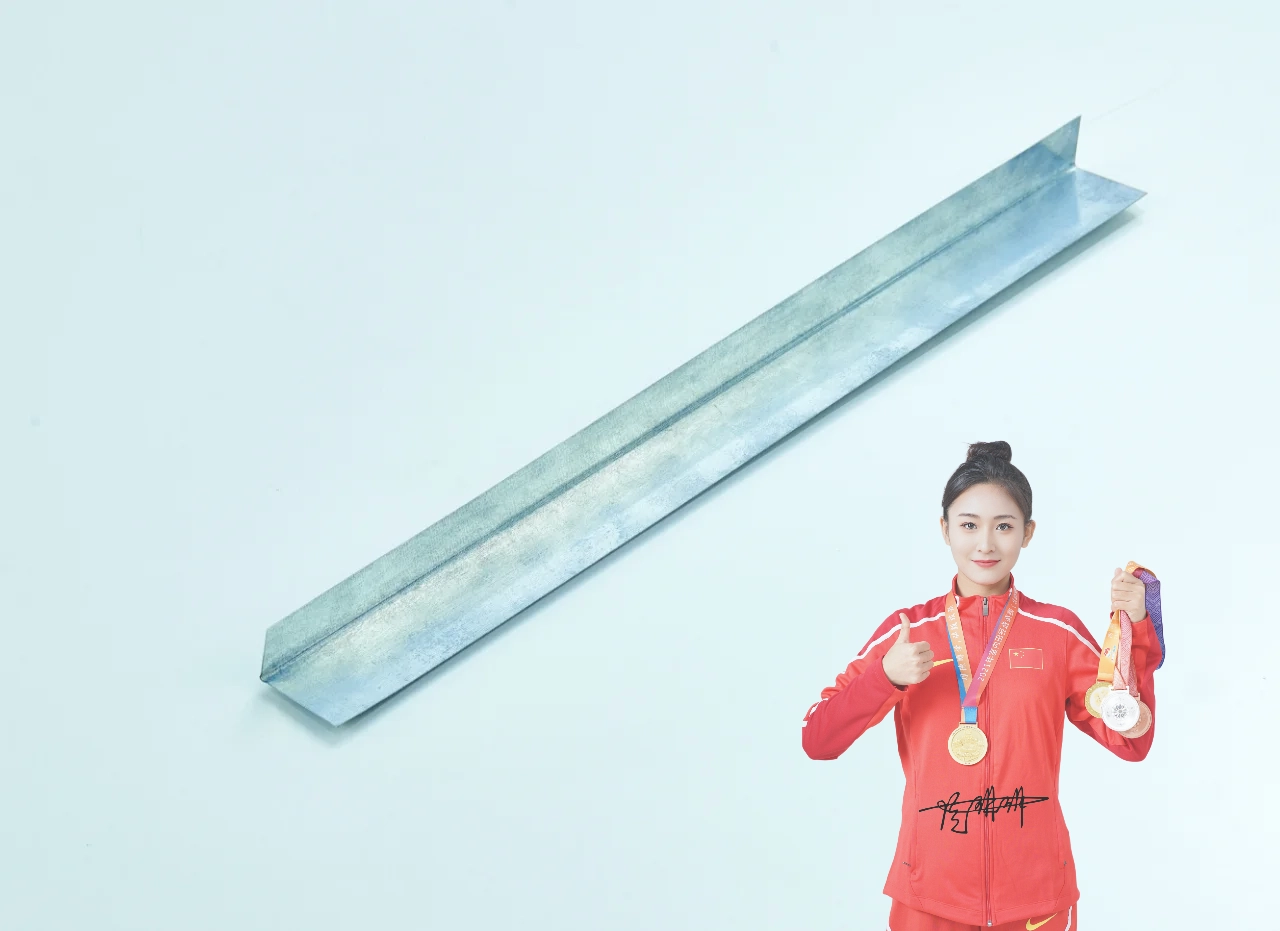
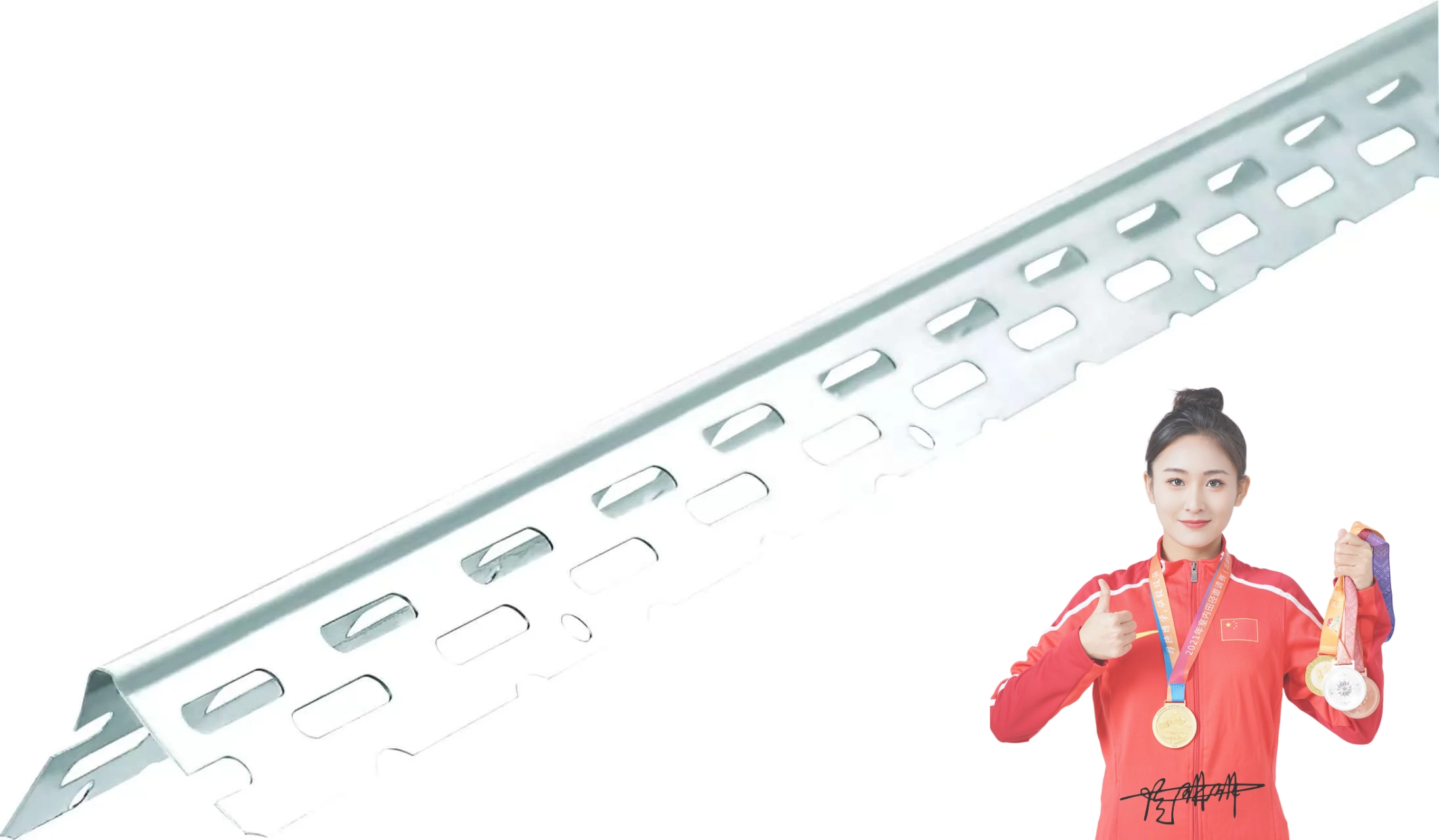
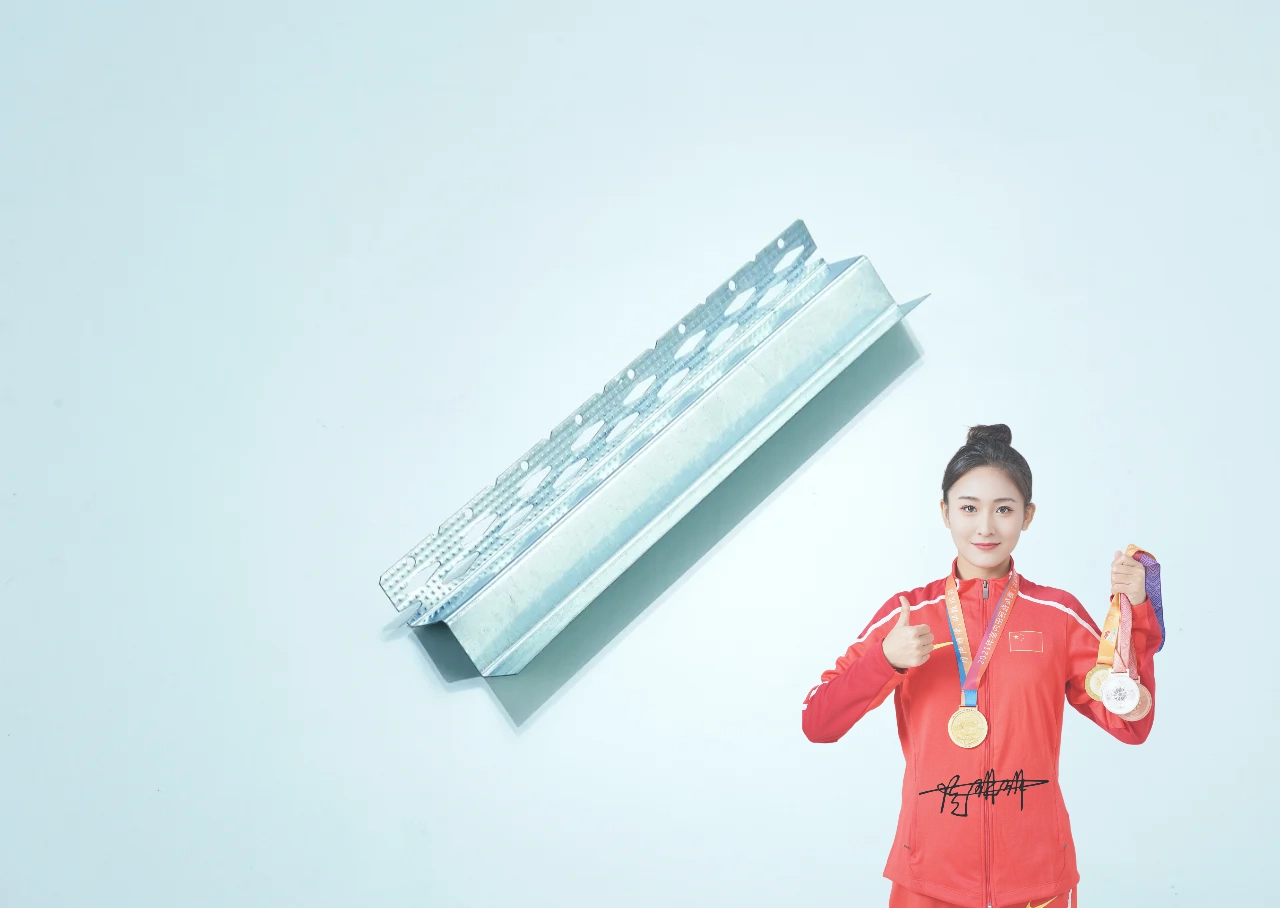
At their core, drywall corner beads are narrow strips applied to the external corners of drywall installations. They create a straight, clean edge and protect drywall corners from chipping or cracking. The term “drywall corner bead types” refers to the variety of materials and shapes these strips come in—each tailored for specific applications or preferences.
From the traditional metal varieties to PVC and paper-faced types, these components intersect with modern industry demands for low-maintenance, longevity, and environmental ethos. For humanitarian efforts, they provide a means to reinforce structures quickly and with less skilled labor, vital in resource-constrained settings.
Key Factors in Choosing Drywall Corner Beads
1. Durability
The ability to withstand knocks, impacts, and moisture is critical. Metal beads tend to be strong but can corrode if unprotected, while PVC beads resist moisture but may be less impact-resistant.
2. Installation Ease
Time is money in construction. Some corner beads require advanced tools; others are simple nail-up or adhesive-backed. This factor can influence labor costs significantly.
3. Cost Efficiency
Prices vary based on materials and finish. Paper-faced beads, for example, are often cheaper but might not last as long outdoors, while galvanized steel versions, though pricier, offer longevity.
4. Environmental Impact
With sustainability rising on the agenda, recyclable materials or those made from post-consumer content gain favor.
5. Aesthetic Flexibility
Certain corner bead profiles accommodate decorative molding or curved edges, providing architects and designers more freedom.
6. Compatibility with Finishing Materials
The ability to blend seamlessly with plaster, paint, and joint compounds affects the final look and performance.
Typical Specifications of Drywall Corner Bead Types
| Type |
Material |
Common Length |
Durability Rating |
Price Range (USD) |
| Galvanized Steel |
Steel with zinc coating |
8-10 ft |
High |
$2.50–$4.00 |
| PVC |
Rigid plastic |
8-12 ft |
Medium-High (moisture resistant) |
$1.80–$3.20 |
| Paper-Faced |
Paper bonded to metal lath |
8 ft |
Medium |
$1.50–$2.50 |
| Bullnose (Curved) |
Metal or PVC |
8 ft |
High |
$3.00–$5.00 |
Mini takeaway: The choice boils down to assessing your project’s needs for durability, moisture resistance, budget constraints, and even design preferences. It’s a balance, not a one-size-fits-all.
Global Applications and Use Cases
In North America and Europe, drywall corner beads are standard in residential and commercial development, where aesthetic quality and building codes push for high-performance components. Meanwhile, in rapidly urbanizing regions like Southeast Asia and parts of Africa, affordability and speed matter more, making lighter PVC or paper-faced beads more popular.
Oddly enough, humanitarian and post-disaster relief operations rely on these beads to patch or build temporary facilities quickly. For example, after the 2010 Haiti earthquake, NGOs implemented rapid drywall rehabs using galvanized steel beads to reinforce schools and clinics. Similarly, industrial zones in remote regions use corrosion-resistant PVC beads to combat humid environments where metal might degrade too quickly.
Comparing Leading Corner Bead Vendors
| Vendor |
Material Range |
Pricing |
Industry Focus |
Customization Options |
| CornerBeadPro |
Steel, PVC, Paper-faced |
Mid-Range |
Residential & Commercial |
Color finishes, sizes |
| EdgeCraft Solutions |
Galvanized Steel only |
Premium |
High-end Construction |
Curved & custom angles |
| EcoBead Manufacturing |
Recycled PVC & Paper-faced |
Economical |
Sustainable Projects & NGOs |
Standard sizes only |
Advantages and Long-Term Value
- Cost Savings: Using durable corner beads reduces repair frequency, which pays off over years.
- Environmental Benefits: Increased use of recyclable materials aligns with global sustainability goals.
- Social Impact: Strengthening corner edges can improve safety and longevity in low-income housing.
- Innovation & Aesthetics: New bead profiles enable sleek, modern designs without compromising protection.
To put it simply, these tiny strips add up to significant improvements—not just in walls but in how communities experience safe, comfortable spaces.
The Future of Drywall Corner Bead Types
Technology and green initiatives are pushing materials science forward. We’re seeing emerging strands like bio-based polymers replace conventional PVC, and even IoT-enabled corner beads that can monitor structural shifts or moisture levels—oddly enough, a kind of “smart corner.” Plus, 3D printing of custom bead profiles is on the horizon, promising tailored fits for unique architectural needs.
Challenges and Solutions
Despite advances, challenges persist. Moisture damage and corrosion remain problematic in extreme climates, and supply chain volatility can affect access, especially for NGOs or smaller contractors. The practical solution often involves hybrid approaches: combining metal frames with PVC coatings or investing in training to ensure correct installation and maintenance.
FAQ: Common Questions About Drywall Corner Bead Types
- Q: What is the most durable drywall corner bead for humid environments?
- A: PVC corner beads are typically best for moist conditions due to their resistance to corrosion and mold, unlike metal types which may rust without proper coating.
- Q: Can corner beads be reused in temporary construction?
- While possible, it's generally not recommended as beads can bend or chip during removal, affecting future performance and finish.
- Q: How does the installation method affect drywall corner bead performance?
- Proper installation—whether nailed, screwed, or glued—ensures the bead stays flush and secure, minimizing cracking risks. Skilled labor and quality tools make a significant difference.
- Q: Are biodegradable corner beads available?
- Biodegradable corner beads are rare but emerging, especially in paper-faced or biopolymer versions, aligning with sustainability goals for eco-conscious builders.
Conclusion & Call to Action
Understanding the full spectrum of drywall corner bead types equips professionals and DIYers alike to make smarter choices that save money, protect structures, and support sustainable construction worldwide. Whether for a skyscraper in Dubai or a recovery shelter in Nepal, these simple components shape the durability and dignity of the built environment. For more tailored advice and quality products, visit our site at https://www.cornerbeadmfr.com and explore the options.
In the end, the right corner bead isn’t just hardware. It’s part of a bigger story about building better, lasting spaces—in every corner of the globe.
Reflecting on the nuances of drywall corner beads, it’s clear how even the smallest details can ripple through industries and communities alike. Curious about the topic? Dive deeper and perhaps you’ll see those edges in a new light.
References
- UN-Habitat Official Site
- World Bank Data on Construction Costs
- Wikipedia: Drywall