Corner Bead for Stucco: What It Is and Why You Should Care
If you’ve ever admired a crisp, clean edge on a stucco wall, chances are there’s a humble hero behind the scenes: the corner bead for stucco. This simple component might sound mundane, but globally, it plays a crucial role in protecting buildings from wear, weather, and time itself. Stucco corners get the brunt of impact damage and exposure, so the corner bead is the unsung guardian that keeps structures looking sharp and lasting longer. Understanding its benefits isn't just for builders or architects—it matters for sustainability, cost savings, and even humanitarian efforts in rebuilding disaster-stricken areas.
Introduction: Why Corner Beads Matter Globally
Global construction continues to rise year-on-year. The World Bank estimates that by 2050, nearly 70% of the world’s population will live in urban areas, increasing the demand for resilient building materials. Stucco, famously versatile and durable, is a go-to exterior finish in many regions. However, its weak spots—namely corners—are vulnerable, leading to cracking and water intrusion, a headache worldwide.
Enter the corner bead for stucco, designed to reinforce these stress points. By protecting corners, this small but mighty component reduces costly repairs, improves safety, and extends building life spans. Oddly enough, despite its simplicity, awareness of corner beads is surprisingly low outside construction circles.
What Exactly Is a Corner Bead for Stucco?
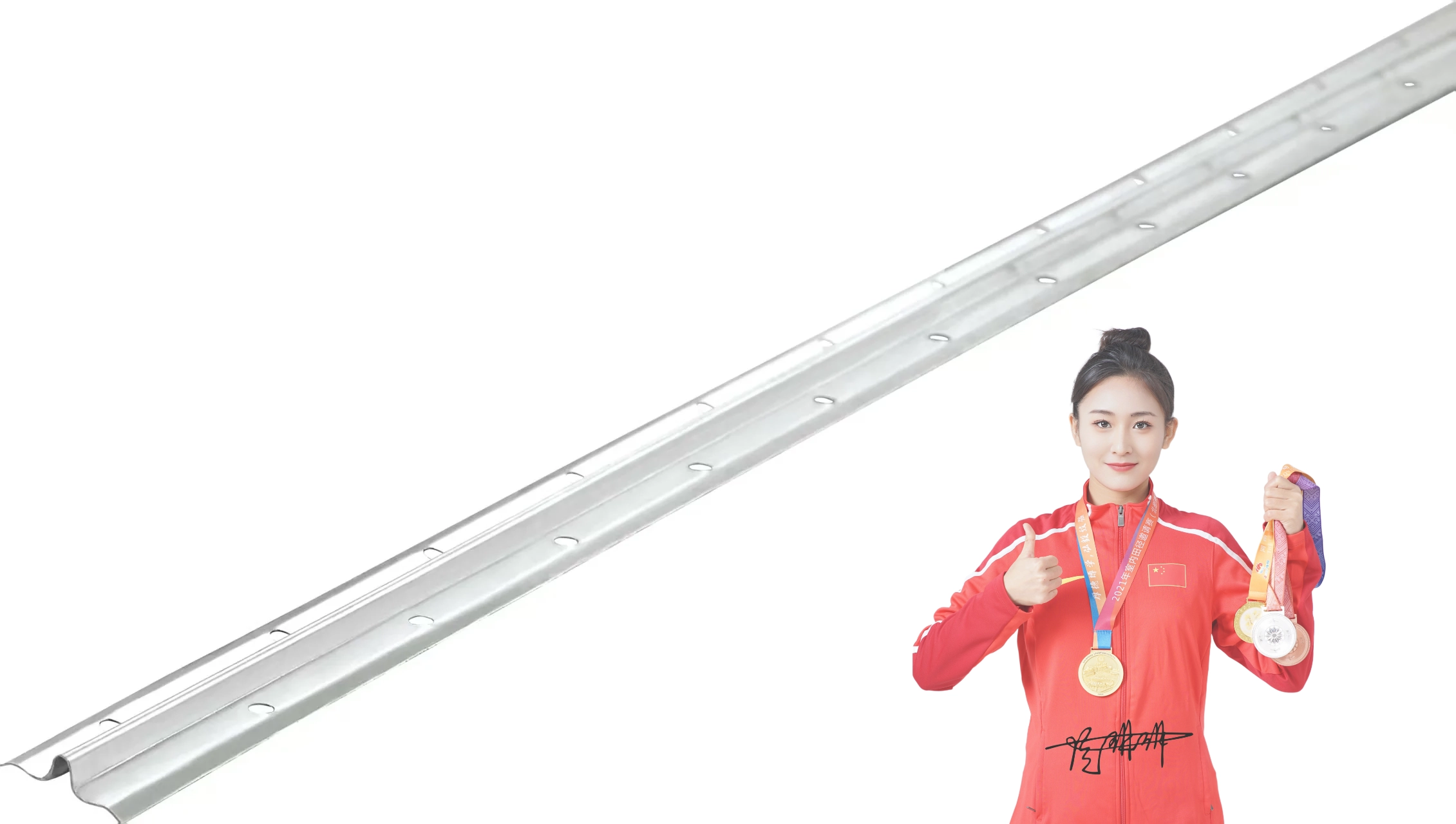
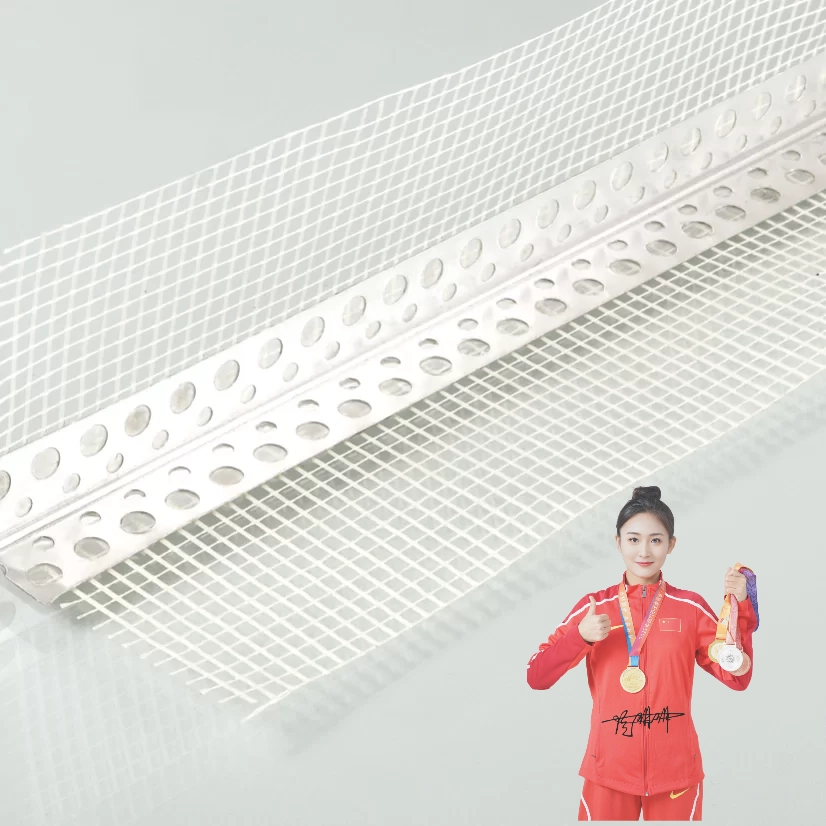
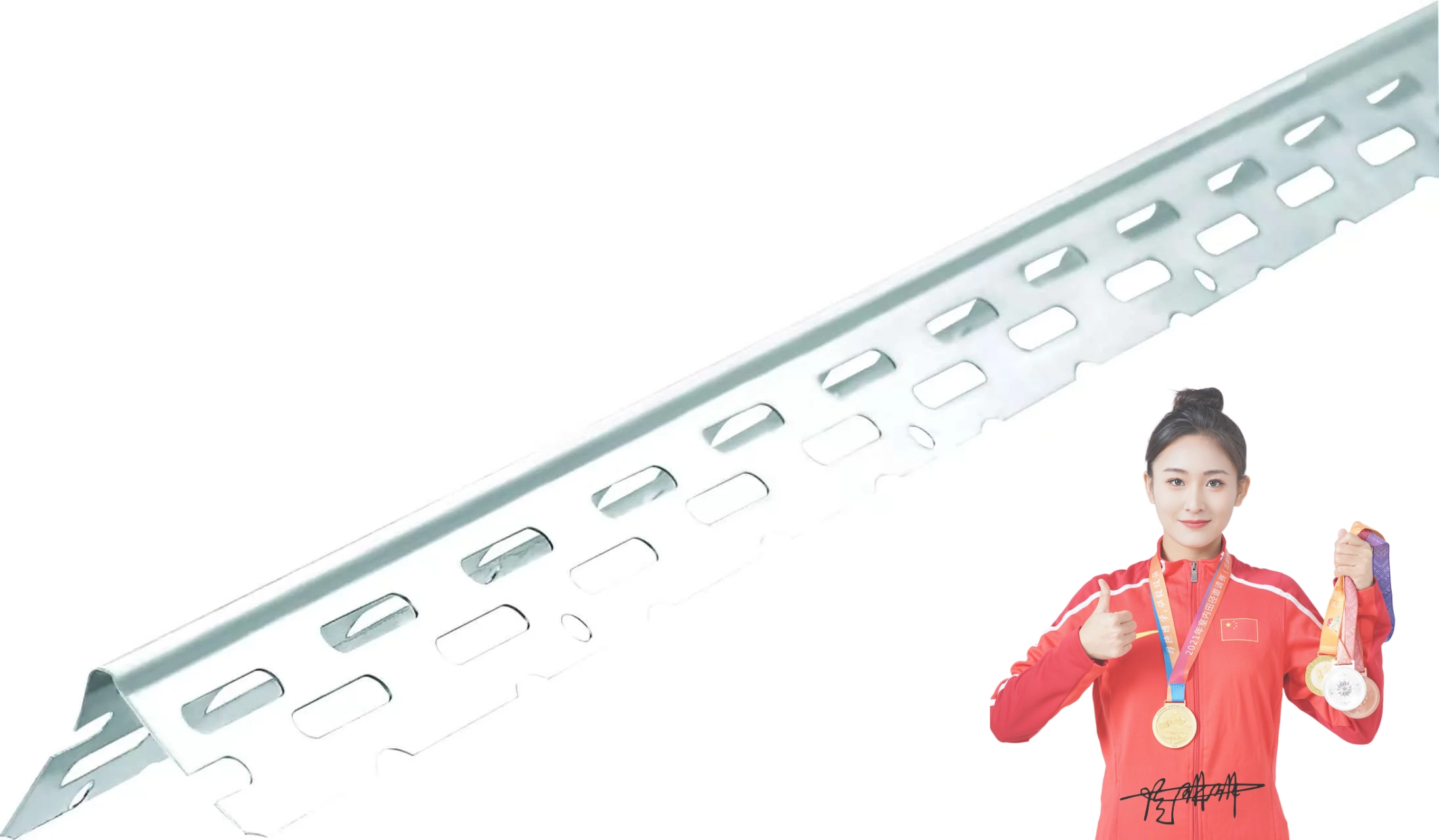
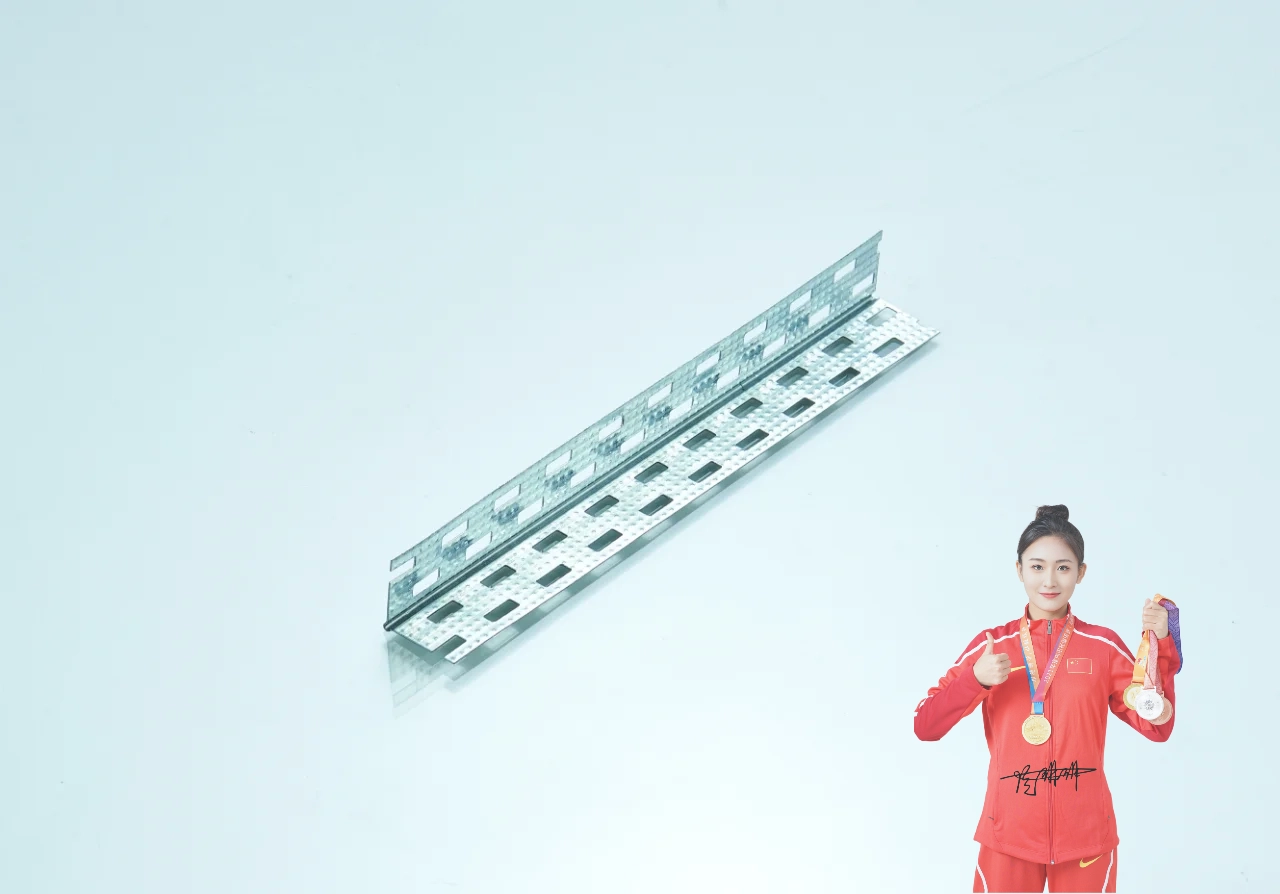
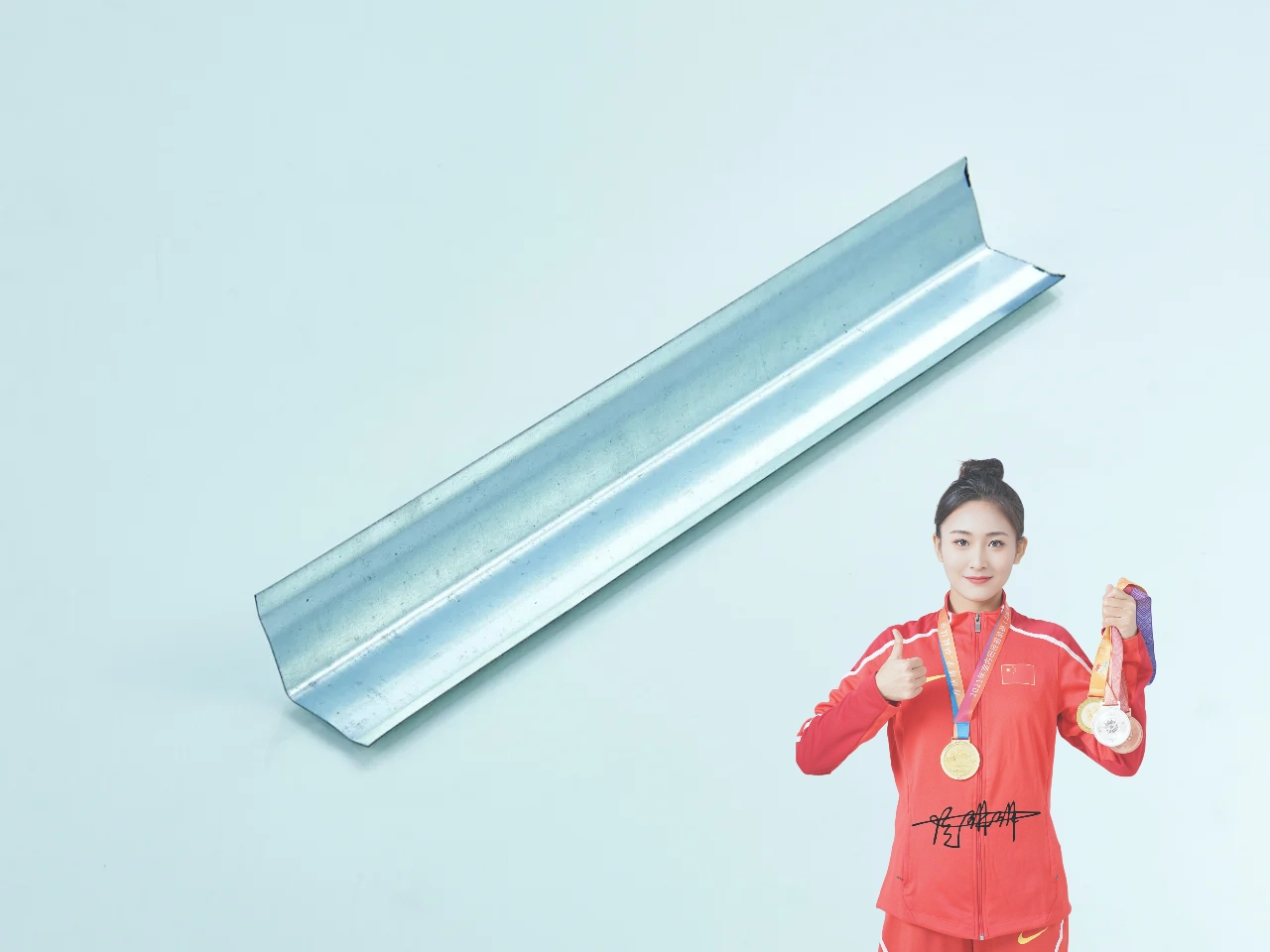
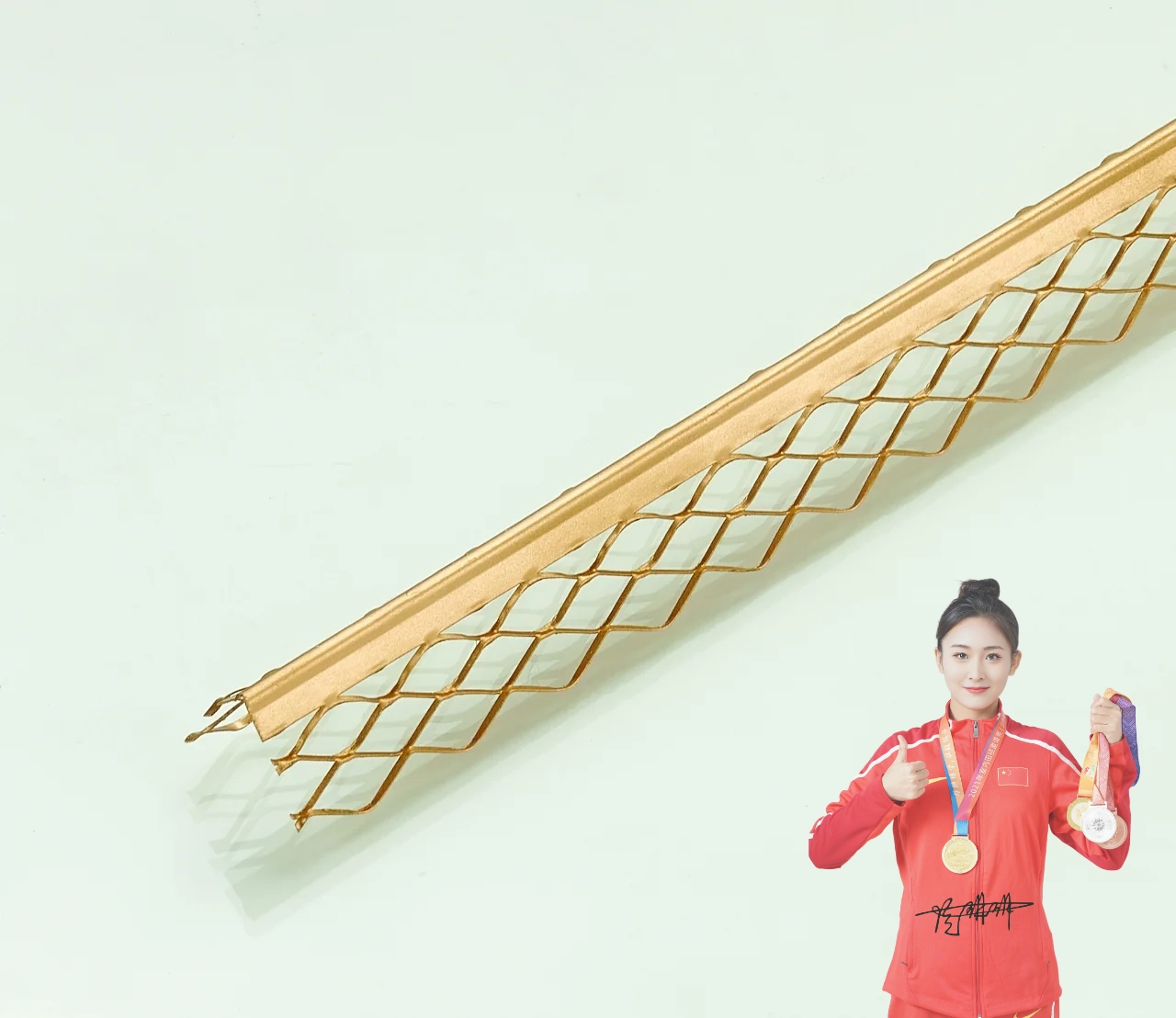
Simply put, a corner bead for stucco is a strip, often made of galvanized metal, PVC, or composite materials, that reinforces external corners. Comparable to a spine in the corner’s structure, it ensures the stucco finishes straight edges correctly while strengthening resistance to impacts and weather effects. In modern building, it bridges traditional craftsmanship with industrial precision, ensuring walls remain neat and durable.
On a broader scale, corner beads contribute to humanitarian rebuilding projects, where fast, reliable construction is critical. Reinforced corners help shelters and community buildings withstand harsh environments—from hurricane zones in the Caribbean to earthquake-prone areas in Asia.
Key Features of Corner Beads for Stucco
1. Durability and Material Composition
Most corner beads are galvanized steel for rust resistance or PVC for corrosion-free performance. Selecting the right material depends on local climate and application. For coastal areas, PVC is often preferred to avoid saltwater corrosion.
2. Scalability and Installation Ease
Corner beads come in standardized lengths that can be cut on-site to fit different projects. Their design allows quick installation, which is vital in large-scale construction or emergency builds.
3. Cost Efficiency Over Time
An upfront investment in a quality corner bead reduces maintenance frequency. By preventing cracks and moisture penetration, it lowers long-term repair costs dramatically, an advantage especially for budget-conscious projects.
4. Aesthetic Appeal
By ensuring edges remain sharp, corner beads maintain stucco’s visual appeal throughout the building’s lifespan. This helps preserve property values and provides a professional finish.
Product Specifications at a Glance
| Feature |
Specification |
| Material |
Galvanized steel / PVC / Composite |
| Length |
8 ft (standard), customizable |
| Width |
Commonly 1¼ inch per flange |
| Coating |
Galvanization or UV-stabilized PVC |
| Use Case |
External corner reinforcement for stucco walls |
Real-World Applications: Where Do These Make a Difference?
Regions prone to intense weather—think hurricane-hit Florida or seismic zones in Japan—use corner beads heavily to protect buildings. Construction companies supplying modular housing and relief shelters depend on them to ensure rapid and reliable build quality. Industrial facilities also benefit, especially where mechanical wear and tear is a risk around edges.
The practical effect? Buildings last longer and look better. An interesting case: after Hurricane Maria devastated Puerto Rico, many reconstruction teams relied on stucco walls with reinforced corners to speed up durable housing deployment.
corner bead for stucco products also find applications in residential homes, commercial buildings, and even specialty projects like schools or hospitals. Where safety and durability meet aesthetics, these beads play an integral role.
Benefits & Long-Term Value of Using Corner Beads
- Cost Savings: Reduced crack repair, fewer water damages, less frequent repainting.
- Sustainability: Longer building lifespan—cutting down material waste and carbon footprint.
- Safety & Trust: Reinforced edges protect occupants by maintaining structure integrity.
- Innovative Edge Finishes: Compatibility with textured and smooth stucco finishes.
Future Trends in Corner Bead Technology
Materials science is making waves here. For instance, some manufacturers are exploring biodegradable composites or recycled polymers to meet sustainability targets. Digital fabrication techniques—like 3D printing corner beads tailored to unique buildings—are in early stages. Also, regulatory bodies increasingly mandate energy-efficient and durable building methods, nudging innovation forward.
Challenges and How to Overcome Them
Despite many pros, corner beads can have installation difficulties if handled poorly—leading to misalignment or weak adhesion. Moisture can still infiltrate if improper sealing occurs. Experts suggest combining corner bead installation with high-quality waterproofing membranes and careful stucco application as the best defense.
Vendor Comparison: Popular Corner Beads on the Market
| Vendor |
Material(s) |
UV Resistance |
Price Range |
Delivery Options |
| StuccoGuard Pro |
Galvanized steel |
Yes |
$$ |
Worldwide |
| EcoCorner Beads |
Recycled PVC composite |
High |
$$$ |
North America |
| BudgetBuild |
PVC only |
Moderate |
$ |
Limited regions |
FAQs: Quick Answers About Corner Bead for Stucco
- Q1: How do I choose the right corner bead material for my project?
- A1: Consider your climate first. Galvanized steel suits most environments, but coastal or high-moisture settings benefit from PVC or composite beads to avoid rust and corrosion. Also, think about UV exposure and compatibility with your stucco finish.
- Q2: Can corner beads be customized for unusual building designs?
- A2: Yes! While standard sizes are common, many vendors offer custom lengths or bends. Advances in digital cutting also allow precise shapes for complex architectural features.
- Q3: How important is a corner bead for long-term building durability?
- A3: It’s very important. Without a corner bead, stucco corners are prone to cracking, chipping, and water damage, which shortens the lifespan and raises maintenance costs drastically.
- Q4: Is installation complicated for novice builders?
- A4: Not really, but care is critical. Proper alignment and fastening, followed by good stucco application over the bead, ensure performance. Training videos and manuals are widely available online.
Wrapping It Up: The Unsung Cornerstone of Stucco Longevity
In real terms, a corner bead for stucco might seem like a small piece of the building puzzle, yet its impact on durability, aesthetics, and cost-effectiveness is profound. Whether you’re in residential construction or working on international relief efforts, the right corner bead can save thousands in repairs and give occupants safer, longer-lasting spaces. Curious to see which corner bead fits your projects? Visit our website: https://www.cornerbeadmfr.com for expert advice and quality products.
Takeaway: Don’t underestimate the power of a well-chosen corner bead—it’s the finish that truly protects and perfects your stucco walls.
References:
1. World Bank Urban Development Statistics – Source
2. Stucco Wikipedia – https://en.wikipedia.org/wiki/Stucco
3. ASTM International Building Material Standards – ASTM Website