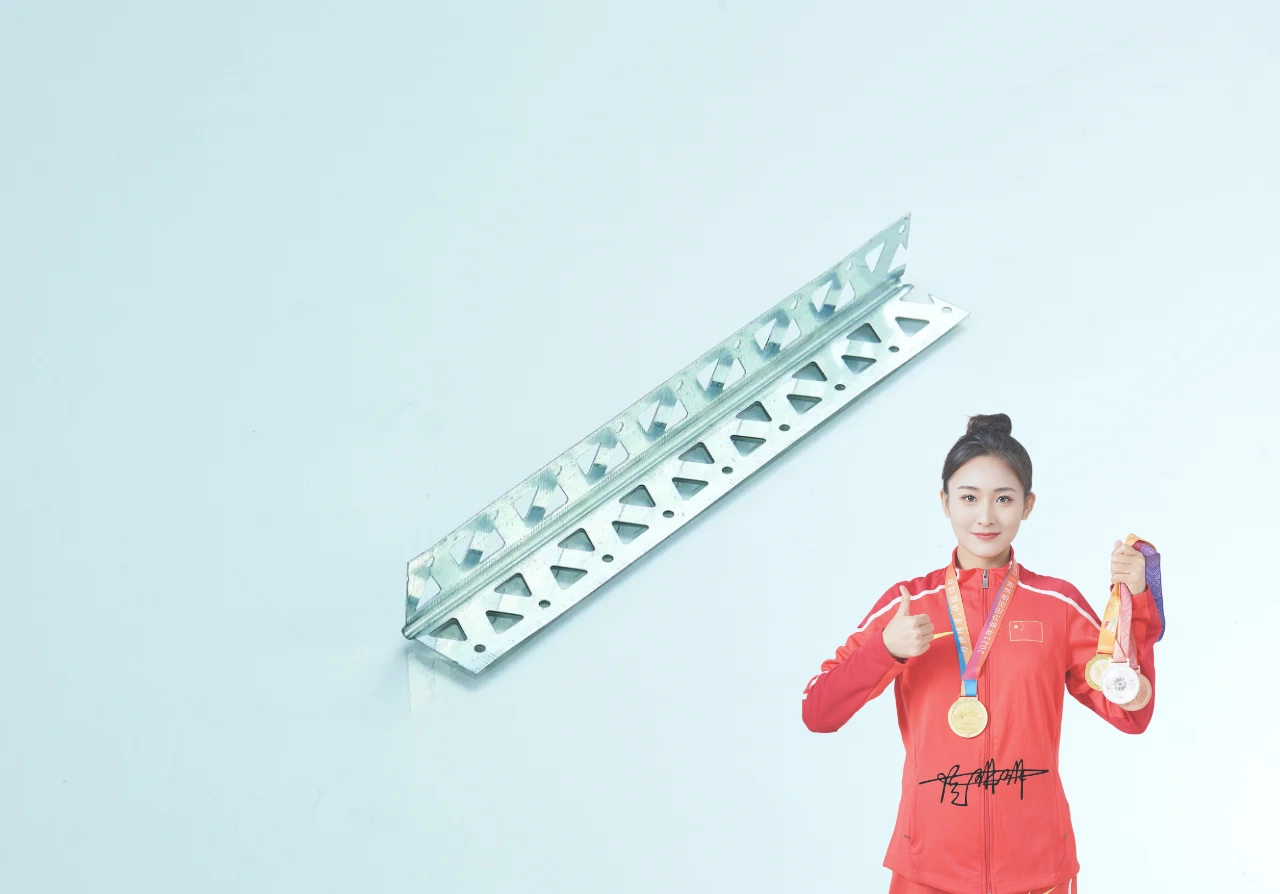
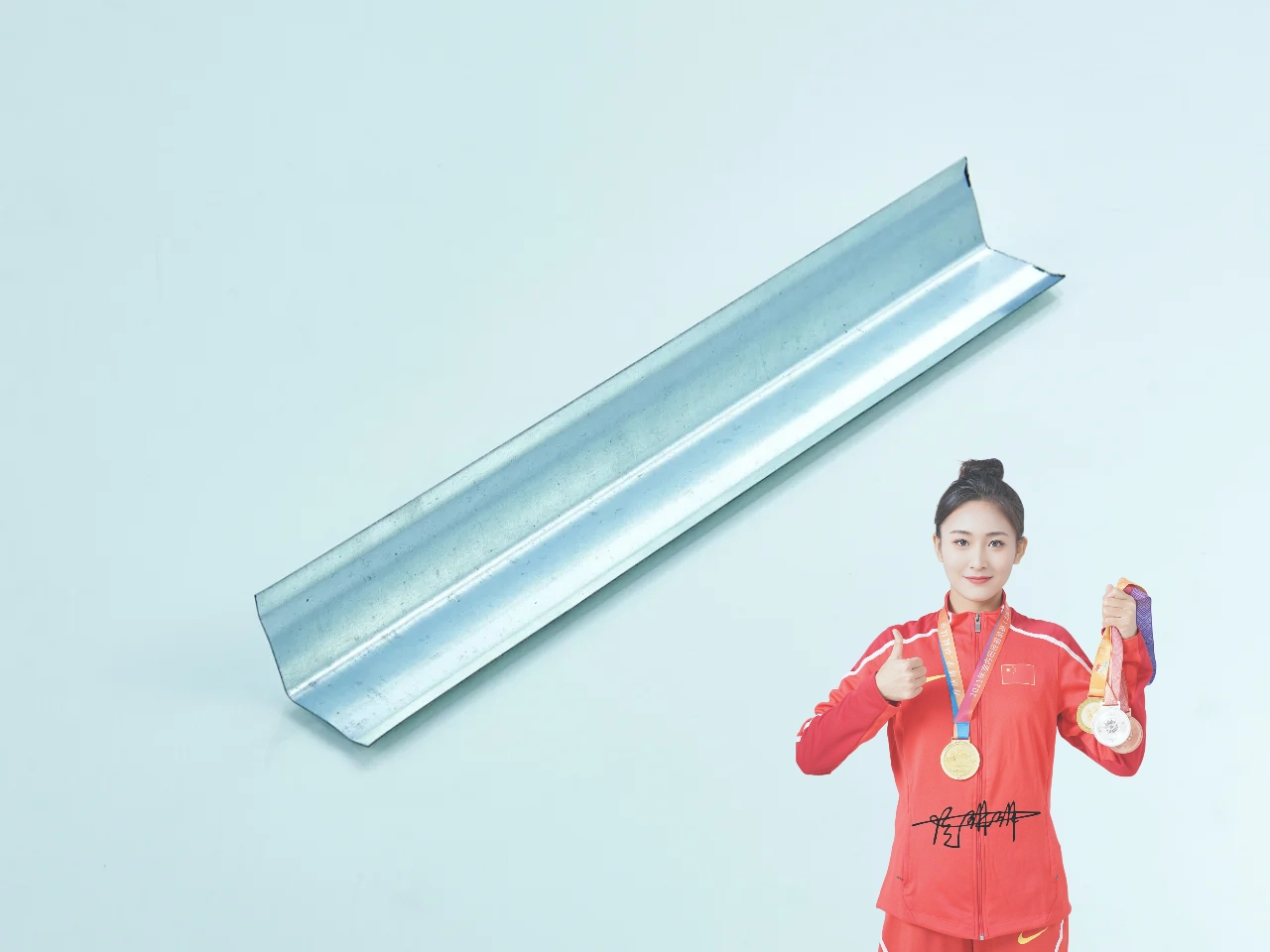
Corner Bead Molding: Essential Insights into a Construction Staple
At first glance, corner bead molding might seem like a small, almost invisible detail in construction projects. But its role? Absolutely crucial. Worldwide, these thin strips elegantly reinforce and protect drywall edges—the sharp corners that otherwise remain vulnerable to damage. Why does this matter on a global stage? Well, improved building durability means fewer repairs, safer spaces, and smarter use of materials, all of which resonate deeply in both developed urban environments and rapidly growing regions. Understanding corner bead molding reveals how a discreet construction component contributes to the broader goals of efficiency, safety, and sustainability.
Introduction: The Global Context of Corner Bead Molding
Construction industries across continents are experiencing rapid growth, fueled by urbanization and infrastructure development. According to the United Nations, nearly 68% of the world’s population is projected to live in urban areas by 2050[1]. With this surge comes an increased demand for durable, cost-effective, and easy-to-install materials — corner bead molding fits snugly into this niche.
But it’s not just about building quickly. Corner bead molding addresses a very practical problem: protecting wall corners from impacts, moisture, and everyday wear. This vulnerability contributes disproportionately to repair costs in buildings globally. Frankly, failing to invest in quality corner beads is like building a house on shaky foundations. Industry-wide, the challenge is to balance affordability with long-term performance and environmental responsibility.
What Is Corner Bead Molding?
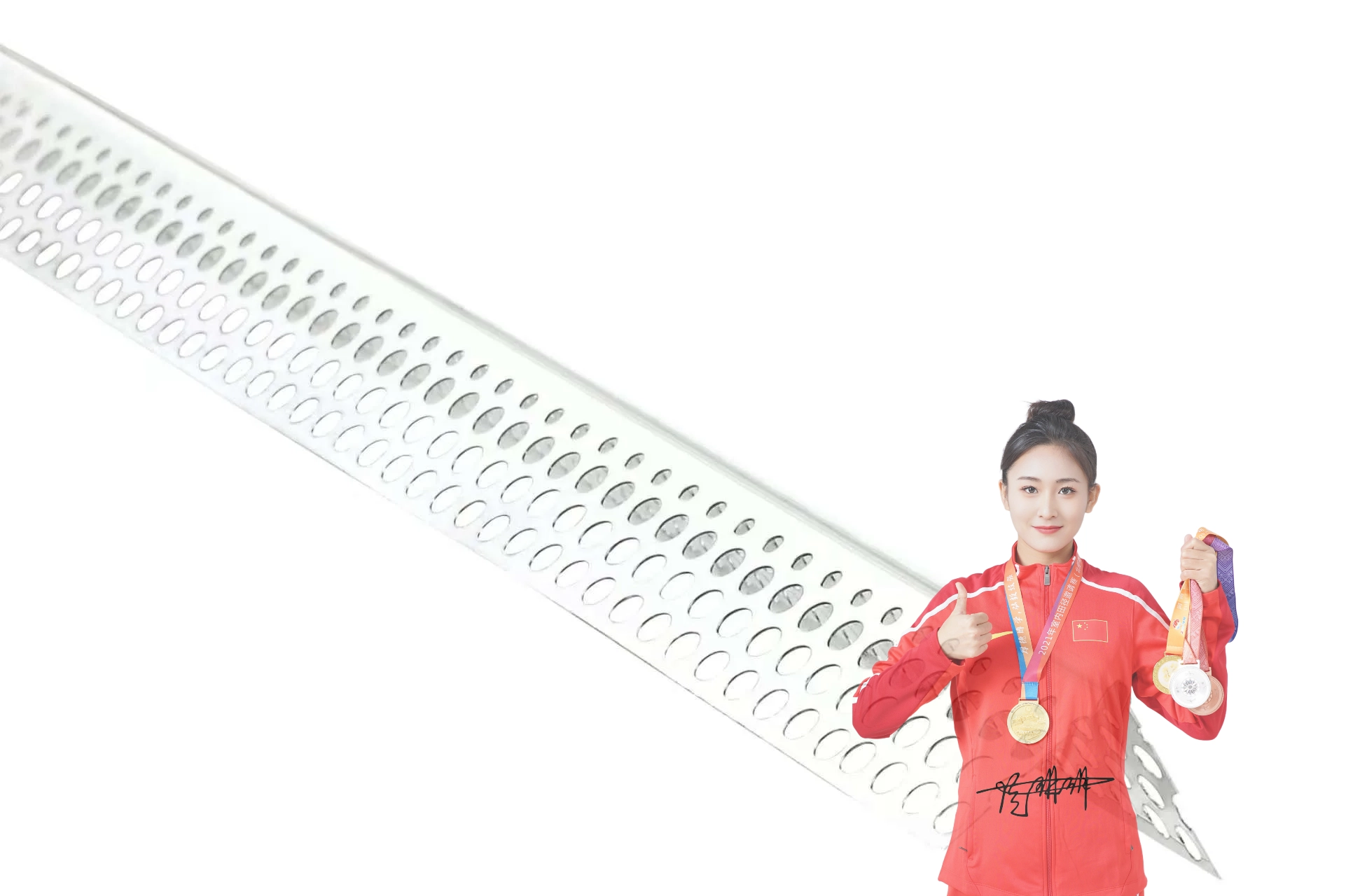
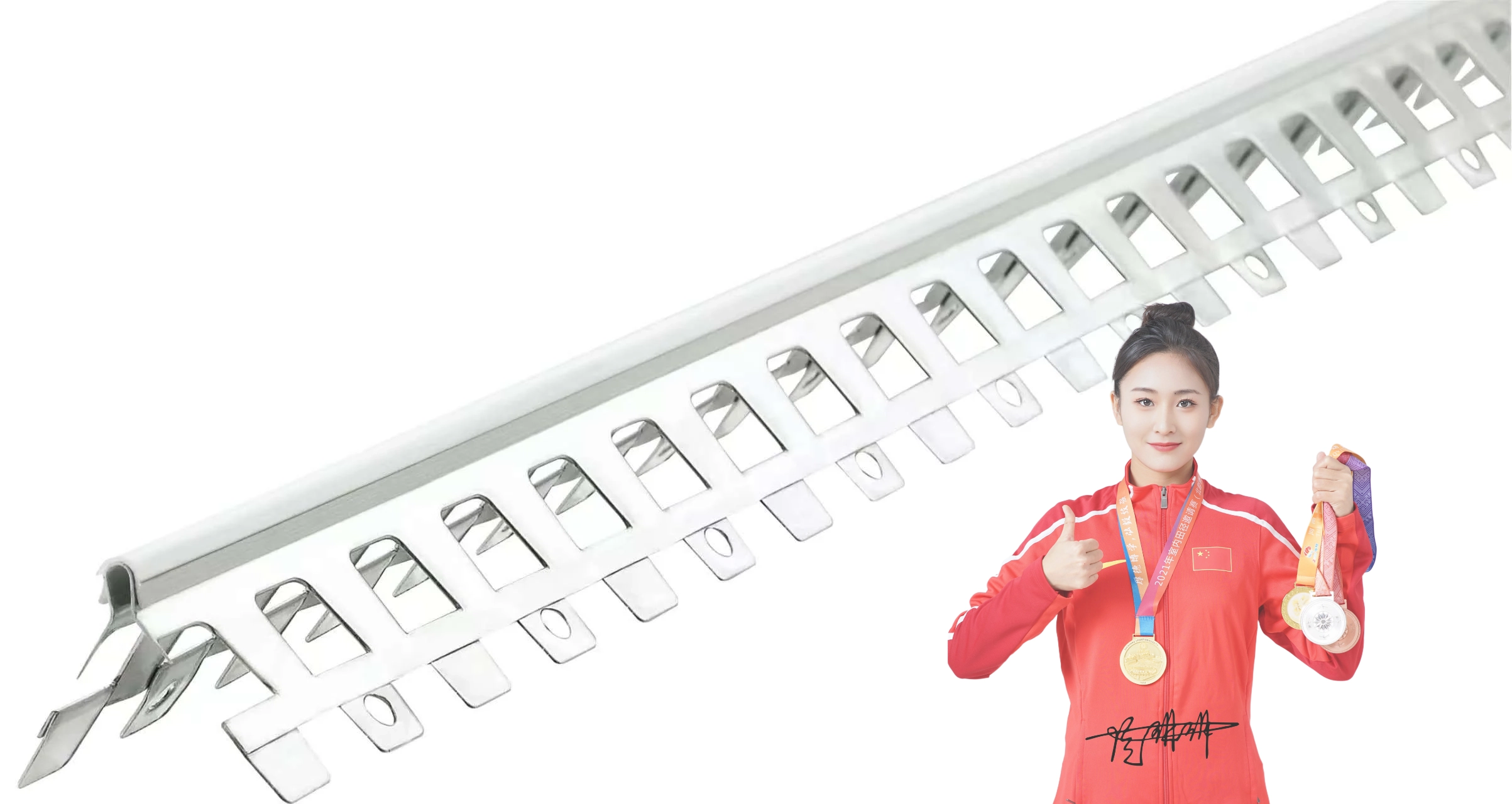
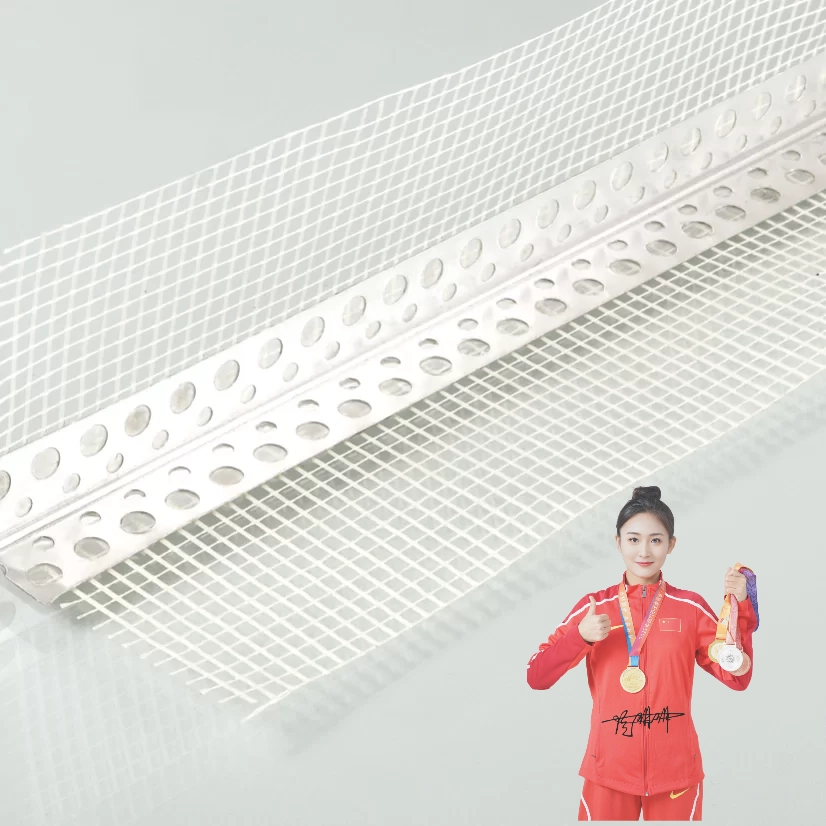
Simply put, corner bead molding is a narrow strip made of metal, vinyl, or sometimes paper-faced metal, applied to drywall corners before plastering or paint finishes. It reinforces the often-fragile drywall edges, ensuring clean lines and reducing cracks or chips. In humanitarian efforts, where temporary or quickly constructed shelters must hold up against harsh conditions, corner bead molding transforms flimsy walls into something reliable and resilient.
Core Components and Key Factors
Durability
The durability of corner bead molding depends on materials used. Metal corner beads—often galvanized steel or aluminum—offer superior impact resistance, while vinyl beads resist rust and corrosion, important for humid climates. Paper-faced beads combine flexibility with ease of mudding, favored in smooth finish projects.
Cost Efficiency
Choosing the right corner bead affects both upfront and lifecycle costs. Vinyl options are budget-friendly and easier to install for non-professional crews, whereas metal beads might cost more initially but reduce maintenance costs. Oddly enough, the cheapest solution isn’t always the best in long haul.
Installation Ease
A quality corner bead not only offers protection but installation ease. Snap-on or flexible varieties cater to complex building geometries. Some modern designs even feature self-adhesive backings, cutting labor time significantly.
Aesthetic Finish
Visible corners define interior aesthetics. A well-applied corner bead molding allows for crisp, straight lines and smooth finishing, enhancing the final appearance—a subtle detail but one that can make or break a room’s vibe.
Environmental Impact
Many manufacturers now prioritize eco-friendly materials or recycled content in molding production, aligning with global pushes for green building practices certified by standards like ISO 14001[2].
Typical Corner Bead Molding Specifications
| Material |
Thickness |
Length |
Finish |
Installation |
| Galvanized Steel |
0.3 mm |
8 ft / 10 ft |
Galvanized / Painted |
Nail / Screw / Mud embed |
| Vinyl |
2 mm |
8 ft / 10 ft |
White / Flexible |
Snap-On / Adhesive |
| Paper-faced Metal |
0.25 mm metal core |
8 ft |
Paper-faced for mudding |
Embed in joint compound |
Global Applications and Use Cases
Corner bead molding finds its way into countless environments. In North America and Europe, it’s standard for commercial and residential buildings to ensure clean finishes and strong corners. In countries like India or Brazil, fast urban growth demands durable, affordable construction methods—vinyl and paper-faced corner beads are often preferred for their cost-effectiveness.
Oddly enough, the humanitarian sector also leans on corner bead molding. In post-disaster relief operations, temporary shelters equipped with metal corner beads resist damage from transport and harsh weather better than unprotected drywall corners. Even industrial zones—think mining camps or offshore platforms—rely on tougher corner bead variants given exposure to rough treatment.
Advantages and Long-Term Value
- Cost savings: Fewer repairs and longer-lasting corners save money.
- Safety: Smooth, intact corners reduce injury risk in homes and workplaces.
- Sustainability: Use of eco-designed molding reduces waste.
- Trust: Builders and occupants appreciate the subtle yet vital quality assurance.
When you look beyond the surface, corner bead molding enhances building integrity, contributing to occupant dignity and comfort, which—frankly—is often overlooked.
Future Trends and Innovations
Manufacturers now explore bio-based plastics and recyclable composites to improve sustainability. Digital fabrication techniques, including CNC cutting and smart adhesive backing, facilitate personalized molding shapes fitting unconventional spaces. As automation and smart buildings rise, expect corner bead installations linked with sensors that detect wall stress or damage before visible cracks appear.
Challenges and Solutions
Despite its benefits, corner bead molding faces issues like improper installation, incompatible finishing materials, and supply inconsistencies. Skilled labor shortages exacerbate these problems globally. Experts recommend robust training, standardized installation protocols, and modular product lines that simplify choices for builders under pressure.
Vendor Comparison: Corner Bead Molding Providers
| Company |
Material Focus |
Eco-Friendly Options |
Global Reach |
Price Range |
| CornerBeadPro |
Steel, Vinyl |
Yes (Recycled Vinyl) |
North America, Europe |
Mid to High |
| GlobalBead Solutions |
Paper-faced Metal, Vinyl |
No |
Asia, Africa |
Low to Mid |
| EcoEdge Molding |
Bioplastic, Aluminum |
Yes (Biodegradable) |
Global Distribution |
High |
FAQ: Frequently Asked Questions About Corner Bead Molding
Q1: What types of corner bead molding are best for humid climates?
A1: Vinyl and galvanized steel corner beads perform well in humid environments due to their resistance to rust and moisture damage. Vinyl’s plastic composition prevents corrosion, making it a popular choice for bathrooms or coastal buildings.
Q2: How difficult is it to install corner bead molding for a DIY project?
A2: Vinyl snap-on corner beads with adhesive backing simplify installation, ideal for non-professionals. However, metal beads require nails or screws and careful finish work, so if you’re new to drywall, vinyl might be your friend.
Q3: Can corner bead molding be recycled?
A3: Metal corner beads are typically recyclable through standard scrap metal channels. Some vinyl beads incorporate recycled content, but vinyl recycling is less straightforward. Eco-focused manufacturers now offer options designed with recyclability in mind.
Q4: Are corner bead moldings standardized globally?
A4: Standards vary by country and construction codes. Organizations like ISO provide general guidance on materials and safety, but local building codes often dictate specific product requirements for corner beads.
Q5: How long can corner bead molding last in harsh environments?
A5: Properly installed metal corner beads can last decades, even in challenging settings, though ongoing maintenance helps. Vinyl versions may degrade under UV exposure unless specifically UV-stabilized.
Conclusion: A Small Detail With Big Impact
In the end, corner bead molding proves to be a quiet hero of construction. It combines practicality, durability, and sustainability, wrapping up sharp corners into safe, neat, and lasting finishes. Whether you’re working on a luxury condo or emergency shelter, investing in the right corner bead pays off — structurally and emotionally.
For more information on product selection and expert advice, visit our website: corner bead molding.
Mini takeaway: Never underestimate the power of well-chosen corner bead molding; it’s the unsung guardian of your project’s edges.
References:
- UN World Urbanization Prospects 2018
- ISO 14001 Environmental Management
- Wikipedia: Drywall