White Plastic Angle Bead: An Essential Component in Modern Construction and Finishing
In the wide world of construction and interior finishing, the white plastic angle bead is often an unseen hero. But why does this seemingly simple component matter so much on a global scale? Frankly, it’s indispensable when it comes to protecting and enhancing the edges of drywall, plaster, and other surfaces, ensuring durability and a clean finish that lasts for years. Understanding this product helps professionals optimize both the look and longevity of their work — plus, it addresses challenges like cracking and wear in high-impact areas.
Introduction: Why White Plastic Angle Beads Matter Globally
The construction industry, which accounted for nearly 7% of global GDP in 2023 according to the World Bank, carries a hefty responsibility for sustainable and resilient buildings. White plastic angle beads, often made from PVC, contribute significantly by improving wall corner durability and appearance while being cost-effective and lightweight. In regions prone to natural disasters or with high urban population growth — think Southeast Asia or parts of Africa — quick, reliable wall finishing solutions are crucial to maintaining building integrity. Unfortunately, many construction sites still witness common issues like chipping corners and inefficient finishes, problems that these beads tackle effectively.
What Exactly Is a White Plastic Angle Bead?
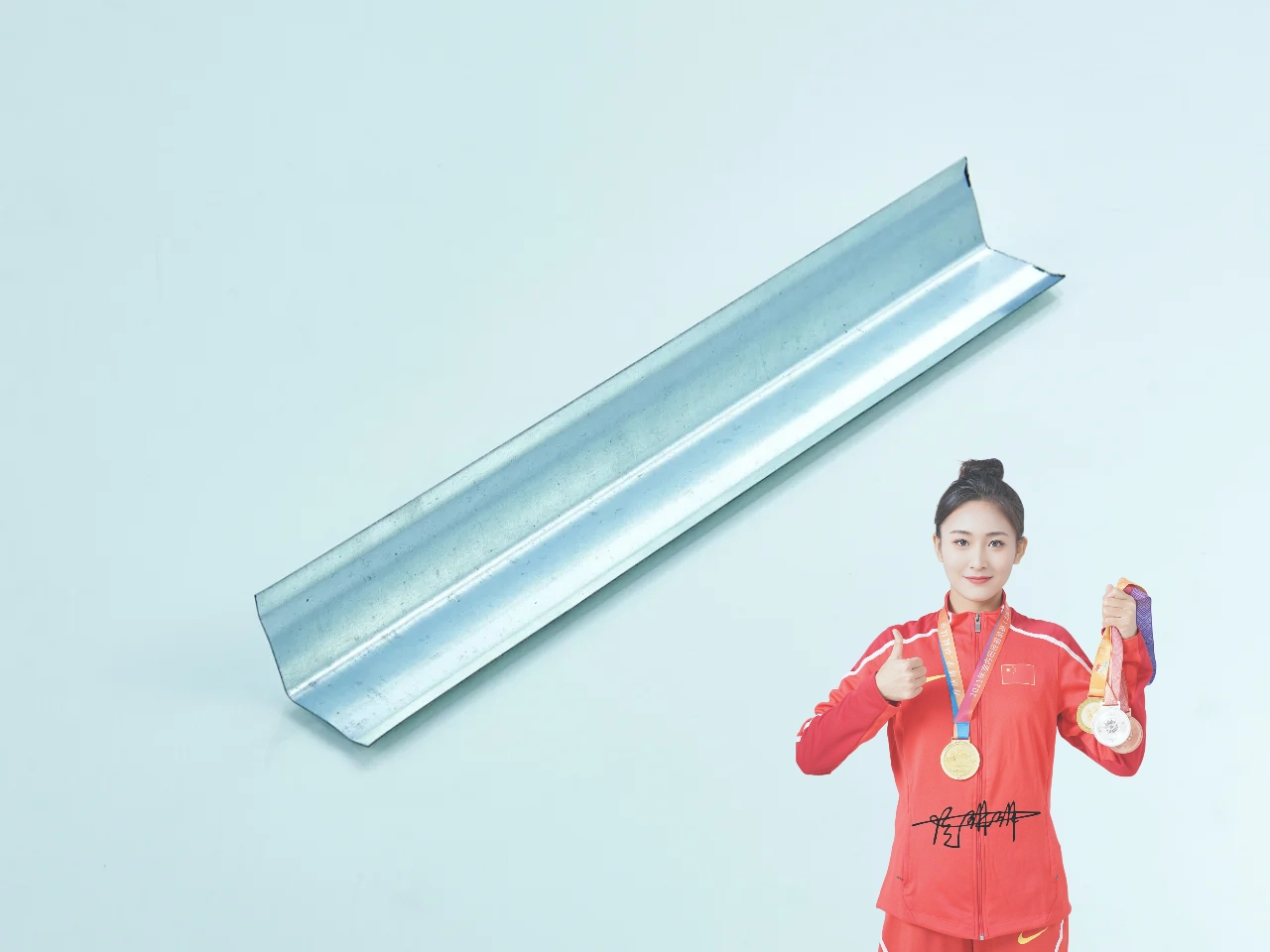
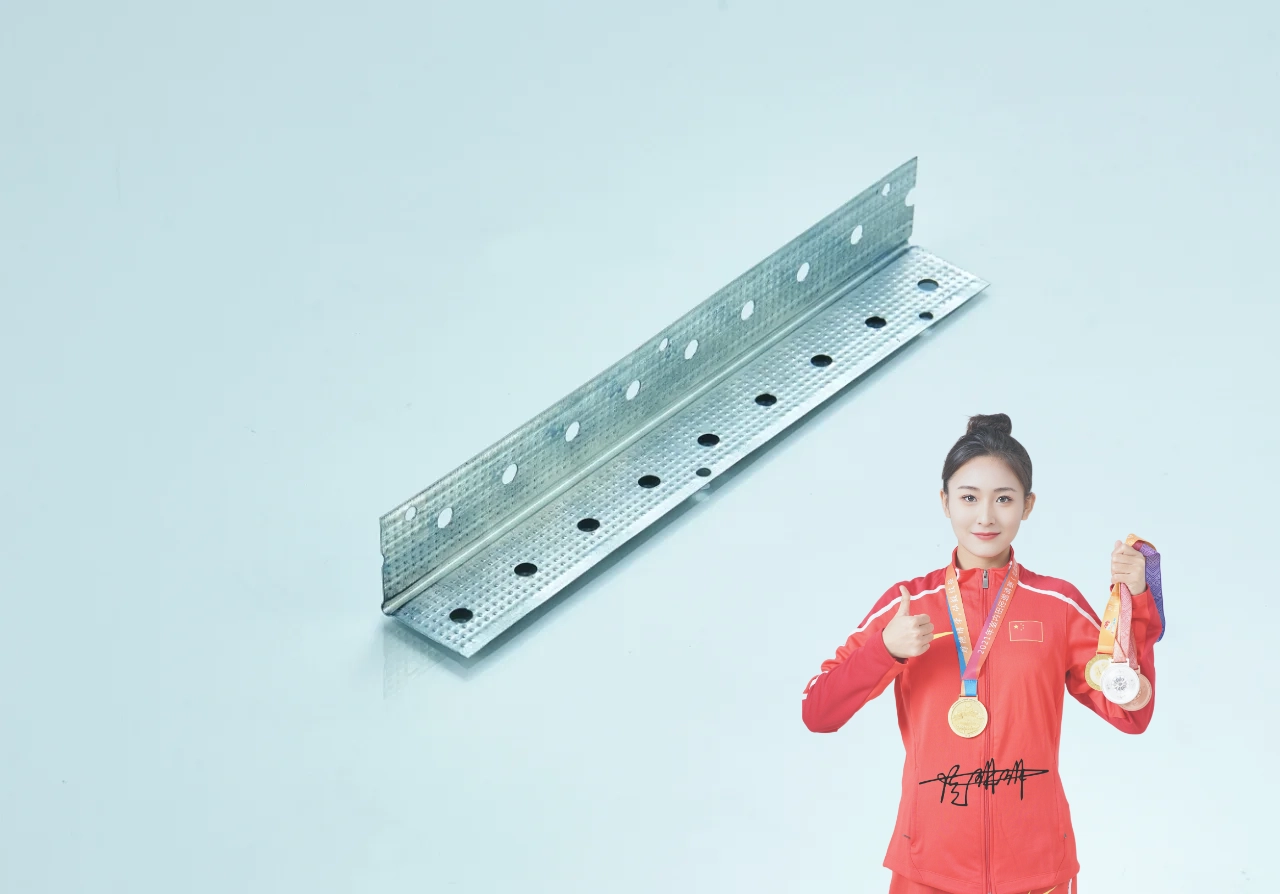
In simplest terms, a white plastic angle bead is a robust, L-shaped profile used to cover and protect the external corners of plasterboard or drywall surfaces. This bead reinforces vulnerable edges, preventing cracks and wear — especially important in busy commercial buildings or homes with children and pets. Unlike metal variants, white plastic beads resist rust and corrosion, which makes them a favorite in humid or coastal environments. Used in both residential and industrial settings, these beads are a perfect marriage of form and function in contemporary construction.
Core Features of White Plastic Angle Beads
Durability
Made primarily from PVC, these beads are designed to endure impacts and resist cracking. Their flexibility also enables them to accommodate slight building movements without damage, which is pretty crucial in earthquake-prone zones.
Ease of Installation
Most white plastic angle beads feature perforated flanges, making it easy to embed them flush into plaster or drywall mud. This speeds up finishing processes significantly and improves adherence.
Cost Efficiency
Compared to metal alternatives, these beads offer long-term savings through durability and less maintenance. They’re also less prone to denting on site, reducing material waste.
Moisture Resistance
Unlike steel beads that can rust, white plastic beads perform wonderfully even in moist environments—from bathrooms to coastal constructions—helping avoid unsightly stains and structural damage.
Customization
They can be cut and shaped easily onsite, available in various lengths and angles. This flexibility allows for complex architectural designs or quick repairs without ordering bespoke pieces.
Typical Product Specifications
| Specification | Detail |
|---|
| Material | PVC (Polyvinyl Chloride) |
| Length | 2.5 meters (standard) |
| Width of Flanges | 20 - 25 mm |
| Color | White (can be painted) |
| Weight | Approx. 200 grams per 2.5m length |
| Fire Rating | Class B1 (flame retardant options available) |
Global Applications & Use Cases of White Plastic Angle Beads
From sprawling new cities to quick post-disaster reconstructions, white plastic angle beads find their place everywhere. For example:
Post-disaster relief: In regions recovering from earthquakes or floods, durable and easy-to-install finishing components speed up the rebuilding of shelters and public buildings.
Coastal developments: Areas with salty air benefit from the corrosion-resistant nature of these plastic beads over metal alternatives.
Commercial spaces: Retail stores and schools often use these beads to protect heavily trafficked corners.
Residential buildings: Families appreciate how these beads reduce maintenance costs and prevent unsightly damage in everyday life.
Oddly enough, the benefits often go unnoticed by end-users but are well appreciated by architects and contractors who understand long-term building performance.
Vendor Comparison: Leading White Plastic Angle Bead Providers
| Vendor | Material Quality | Price Range | Customization Options | Shipping & Availability |
|---|
| CornerBeadMfr | High-grade PVC, UV resistant | $$ | Custom lengths & profiles | Global, quick lead times |
| BuildEdge Supplies | Standard PVC blend | $ | Limited | North America only |
| PlastCorner Inc. | Recycled PVC options | $$$ | Wide range, eco-friendly colors | Europe, Asia |
Advantages & Long-Term Value of White Plastic Angle Beads
The benefits are numerous — you save money, reduce maintenance headaches, and achieve a polished, professional look that endures. Plus, from a sustainability angle, many modern beads incorporate recycled plastics, supporting circular economy goals. Emotionally, it feels reassuring to know that your carefully constructed walls won’t quickly fall prey to cracks or chips that diminish a space’s dignity and safety. Trustworthiness in material choice mirrors trust in the entire building’s quality.
Future Trends & Innovations in White Plastic Angle Beads
The construction materials world is evolving fast. We’re seeing innovations like UV-stabilized, flame retardant plastics tailored for green building certifications. Digital automation helps custom-profile manufacturing, making onsite adjustments smarter and faster. And as sustainability becomes non-negotiable, expect more biodegradable or bio-based options edging ahead, though these still have to prove long-term durability. Some vendors are even exploring integrated sensors in corner beads — an odd idea, but potentially useful for structural health monitoring.
Challenges & Solutions in Using White Plastic Angle Beads
Plastic beads, despite being versatile, sometimes face criticism — for example, in fire safety concerns or where extreme cold-weather brittleness might appear. Nonetheless, selecting certified flame-retardant options and proper installation practices can easily counter these risks. Also, there’s the challenge of disposal and plastic pollution, which forward-thinking manufacturers are addressing with recycled content and take-back programs.
FAQ: Frequently Asked Questions About White Plastic Angle Bead
Q: Can white plastic angle bead be painted to match my wall color?
A: Absolutely! Most white plastic beads are designed to accept water-based paints after proper priming, allowing you to blend them seamlessly with wall finishes.
Q: How do white plastic beads compare to metal ones in terms of durability?
A: Plastic beads resist rust and corrosion, making them superior for moist environments. While metal ones might be stronger against physical hits, PVC often flexes rather than cracks.
Q: Are these beads suitable for outdoor use?
A: Yes, UV-resistant variants are available specifically for outdoor or exposed areas, ensuring color retention and structural integrity under sunlight.
Q: How easy is it to install white plastic angle beads?
A: They are generally lightweight with perforated flanges for seamless embedding into plaster, enabling quick, cost-effective installations even for novices.
Q: Can I order custom sizes or angles?
A: Many suppliers, including CornerBeadMfr, provide customizable options, helping you meet unique architectural needs efficiently.
Conclusion: Secure Your Walls and Your Investment
Bottom line: white plastic angle beads are small but mighty components in the building ecosystem. They offer protection, longevity, and aesthetic polish while adapting to diverse environments worldwide. For contractors, architects, or DIY enthusiasts, embracing quality angle beads is a no-brainer — it’s about safeguarding the structure and the people inside. If you want to explore reliable, customizable options, be sure to visit our website today.
So, next time you admire a flawless corner, remember the humble plastic angle bead quietly doing its job behind the scenes...
Quick Takeaway: Integrating quality white plastic angle beads ensures durable, visually appealing corners while contributing to sustainable building practices.
Wikipedia: Plasterboard
World Bank: Industry Value Added (% of GDP)
ISO Standards for Construction Materials