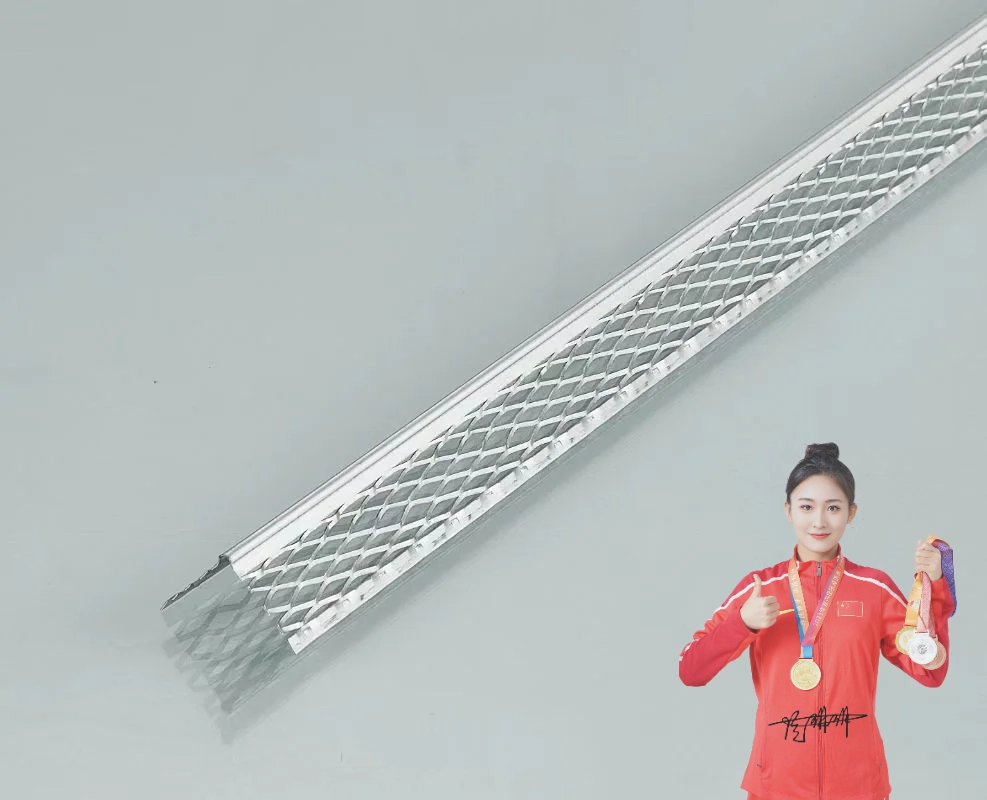
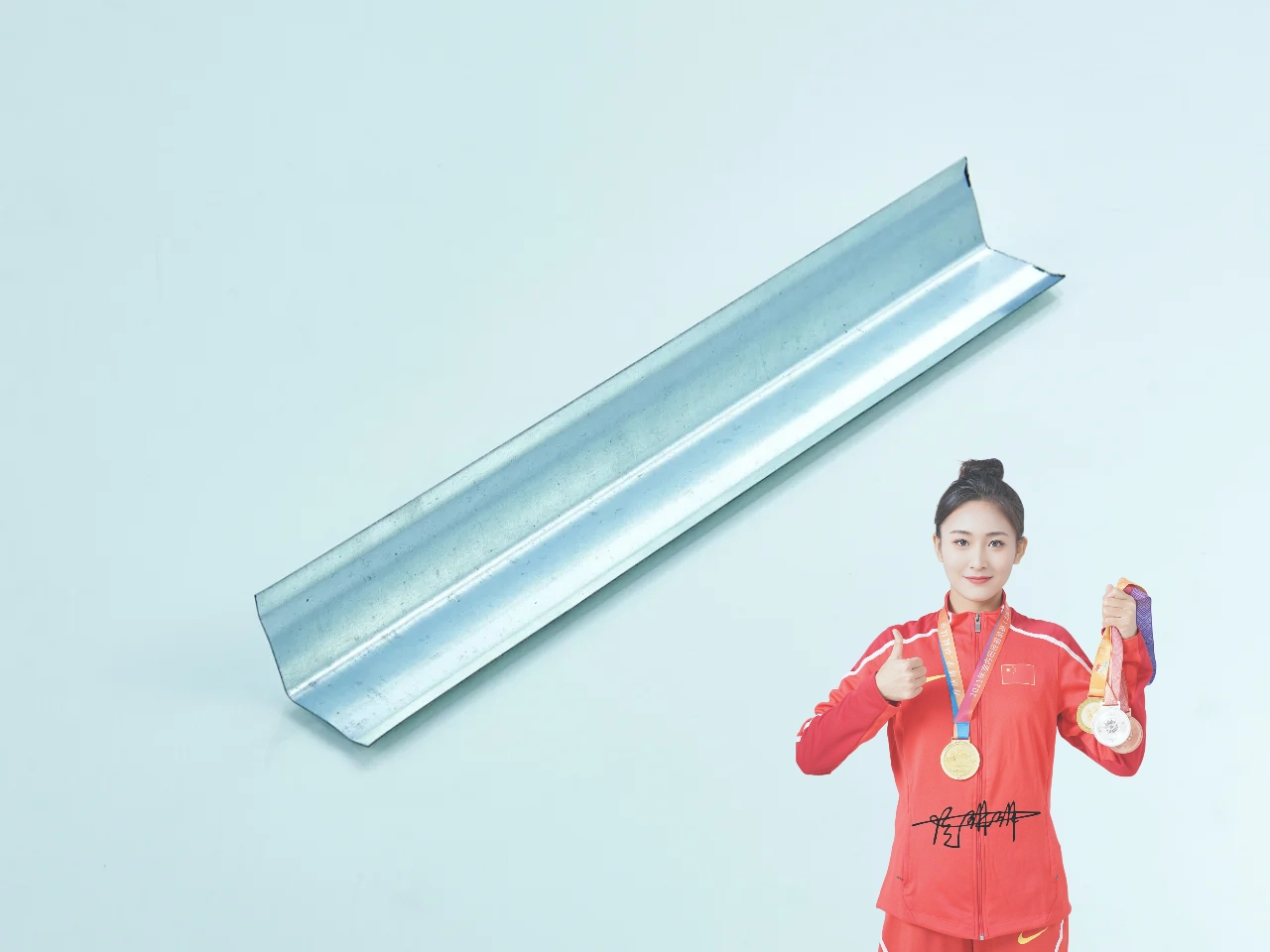
Understanding the Corner Edge for Drywall: Why It Matters Globally
If you've ever walked into a freshly renovated office or home, chances are you’ve noticed the crisp, defined edges where walls meet — the corner edges for drywall. They might seem like a small detail at first glance, but honestly, they're quite pivotal in construction globally. These edges don’t just add to the aesthetics; they reinforce, protect, and prolong the life of walls. With rapid urbanization and reconstruction demand skyrocketing worldwide, understanding drywall corner edges is more than a niche concern—it's key for durable and cost-effective building.
From bustling cities in Asia to rural rebuilding projects in Latin America, the use of practical corner edges in drywall installation touches millions. The benefits? They improve structural integrity, reduce maintenance costs, and ensure safety. Simply put, mastering this component helps builders meet international quality standards, as outlined by bodies like ISO and even guidelines from the UN for rebuilding efforts.
Mini Takeaway: Corner edges for drywall might sound trivial, but they are a foundational element to global construction quality and durability.
Global Industry Context: Why Corner Edge for Drywall is Gaining Traction
According to the United Nations, the world's urban population is expected to increase by 2.5 billion by 2050. This surge in construction activities naturally drives greater demand for elements like drywall systems and their corner trims. The drywall market alone is projected to reach $XX billion in the next decade. However, a persistent challenge remains: maintaining the strength and finish of drywall corners under constant wear and tear.
Enter the corner edge for drywall — an often overlooked but essential solution. These edges address problems like chipping, cracking, and moisture damage, especially in high-traffic or humid environments. Engineering teams and builders worldwide are continually seeking durable and scalable corner edge solutions to meet the demands of industrial and humanitarian projects alike.
Mini Takeaway: The corner edge for drywall is more than a finishing touch; it’s a response to global construction challenges involving durability and scalability.
What is a Corner Edge for Drywall?
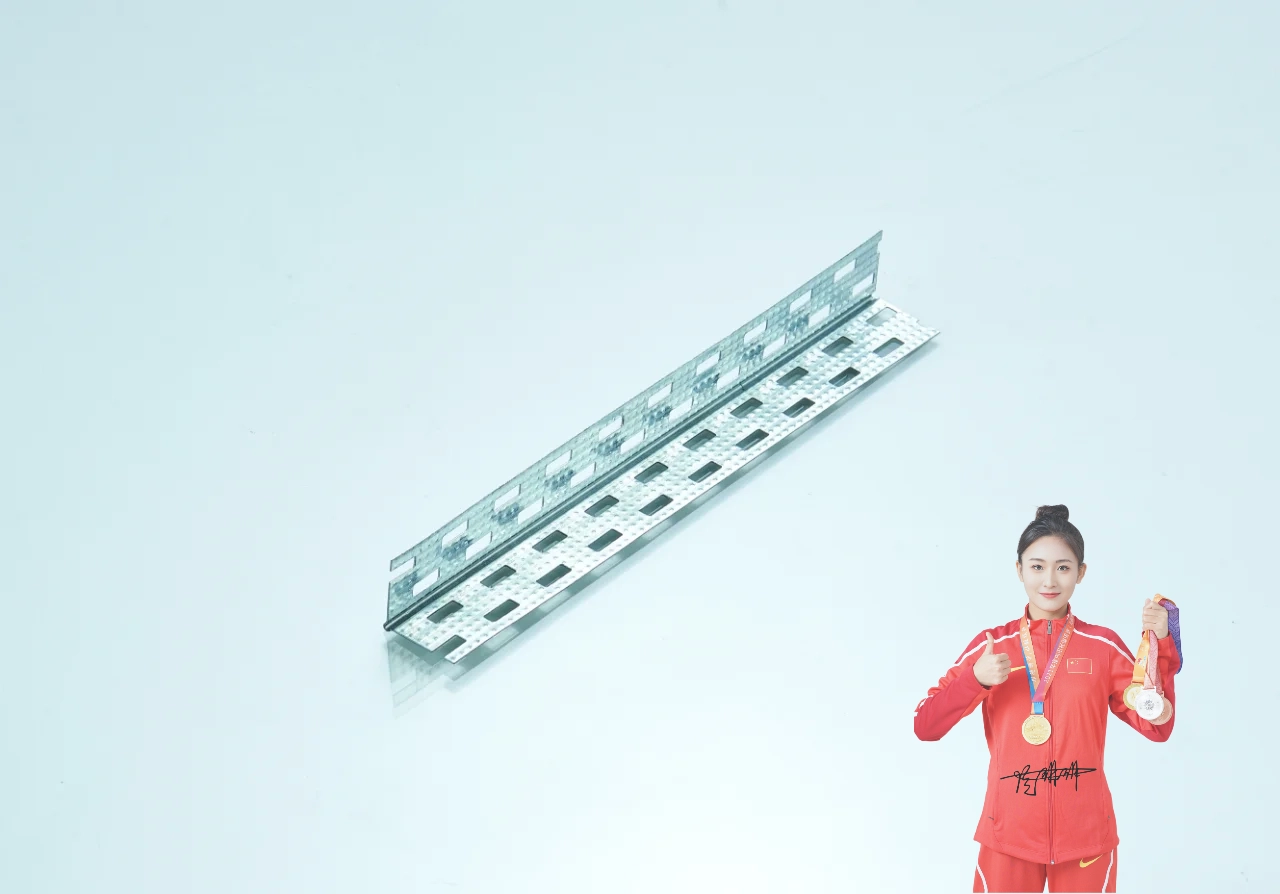
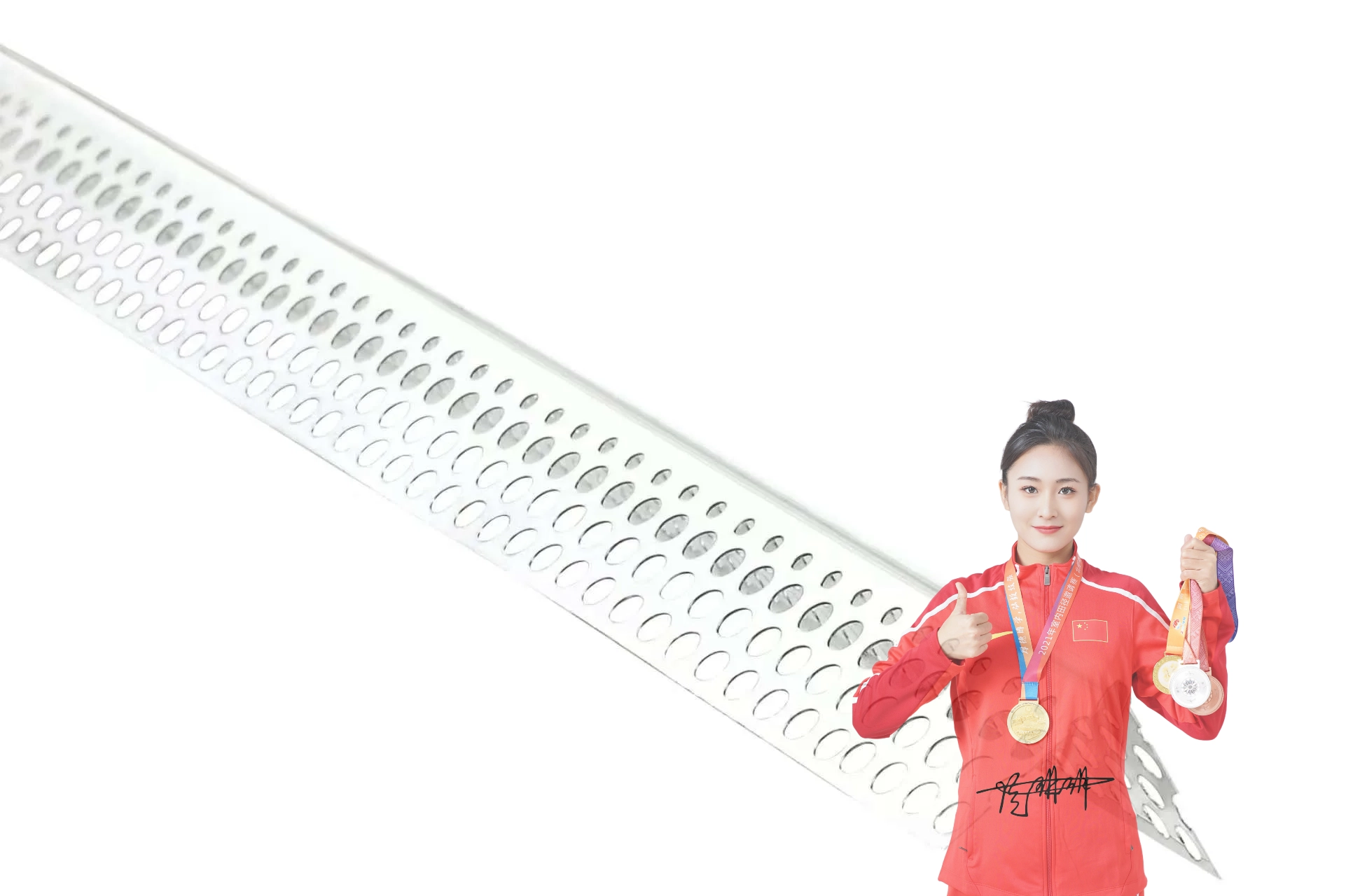
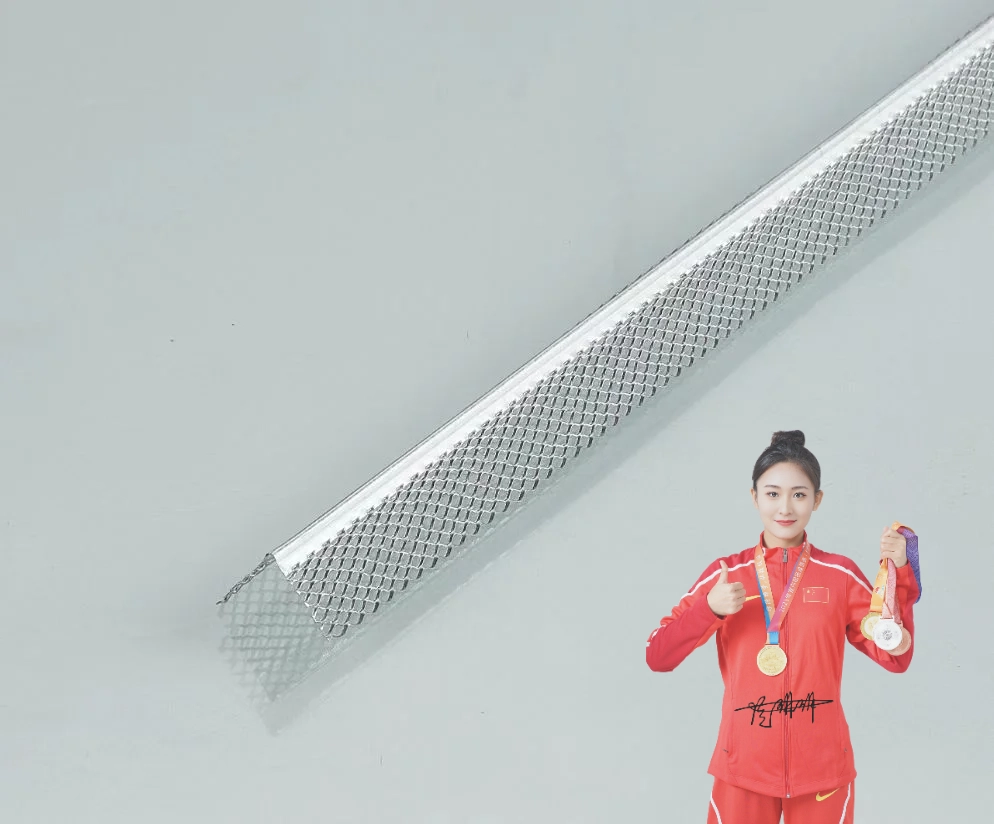
Simply put, a corner edge for drywall is a protective trim piece that reinforces the external corners of drywall panels. Typically made from materials like galvanized steel, PVC, or metal alloys, these profiles prevent damage caused by impact or moisture. They also provide a clean, straight line, improving wall aesthetics.
In modern construction, they’re basically the unsung heroes that safeguard walls from everyday bumps and scrapes, making them vital in everything from residential builds to emergency shelters. For humanitarian organizations rebuilding after disasters, sturdy corners mean structures last longer under rough conditions, preserving both dignity and safety for survivors.
Mini Takeaway: At its core, the corner edge is about durability and neatness but serves a much larger role in construction resilience worldwide.
Core Components of Quality Corner Edges for Drywall
Durability: Materials like galvanized steel and impact-resistant PVC resist corrosion, cracking, and denting, crucial in humid or industrial environments.
Ease of Installation: Pre-perforated edges and flexible profiles make fitting simpler and reduce labor costs on-site.
Aesthetic Finish: Smooth, sharp lines ensure corners look professional, important in commercial and residential settings.
Cost Efficiency: Balancing upfront costs with long-term maintenance savings — choosing the right profile means fewer repairs.
Sustainability: Recyclable materials and coatings that reduce VOC emissions reflect growing trends in green building.
Customization: Options in sizes, colors, and shapes allow tailored solutions for various architectural needs.
Mini Takeaway: A corner edge isn’t just a standard part — it combines material science, aesthetics, and economics to meet diverse building needs.
Global Applications & Use Cases
Oddly enough, you’ll find corner edges in everything from high-rise offices in Europe to temporary clinics in war zones. For example, in post-earthquake Nepal, rapid reconstruction demanded corner edge trims that could be deployed quickly and withstand rough handling. Similarly, industrial facilities in the Gulf select corrosion-resistant profiles to combat harsh climatic conditions.
In refugee camps run by NGOs, corner edges form part of modular housing kits to accelerate setup times while improving safety and privacy. Drywall corners in schools, hospitals, and warehouses benefit from these trims too, particularly where children or heavy equipment cause constant wear.
Typical Product Specifications for Corner Edge for Drywall| Specification | Value / Feature | Details |
|---|
| Material | Galvanized Steel, PVC | Corrosion resistant and impact proof options |
| Length | 8-12 feet | Standard lengths for ease of transport and cutting |
| Width | 25-35 mm flange | Coverage to match drywall thickness |
| Finish | Pre-painted or coated | Improves aesthetics & prevents rust |
Advantages & Long-Term Value
In real terms, the investment in quality corner edges pays off through fewer repairs, longer wall life, and better safety — especially in schools, hospitals, or public buildings. Emotionally, they contribute to a sense of stability; clean, undamaged corners look cared for, which in itself builds trust in a facility.
Environmentally, choosing recyclable or PVC-free trims aligns with growing sustainability mandates. And cost-wise, these trims reduce the need for frequent repainting or patching — boosting ROI for builders and managers alike.
Mini Takeaway: The right corner edges do more than protect—they build confidence, preserve budgets, and support sustainable building.
Vendor Comparison of Popular Corner Edge for Drywall Suppliers
Top Vendors Comparison| Vendor | Material Options | Price Range (per 10 ft) | Lead Time | Key Feature |
|---|
| CornerBead Inc. | Galvanized Steel, PVC | $12 - $20 | 1-2 weeks | Custom lengths & pre-painted options |
| EdgeMasters | PVC only | $10 - $15 | 3-4 days | Fast shipping & flexible order sizes |
| SteelTrim Solutions | High-grade galvanized steel | $18 - $25 | 2 weeks | Superior rust protection technology |
Future Trends & Innovations in Corner Edges for Drywall
The corner edge industry isn’t exactly tech-heavy, but it’s evolving. I’ve noticed a push toward eco-friendly materials, like biodegradable PVC alternatives and recycled metals. Digital fabrication methods now allow suppliers to offer precision laser-cut edges, reducing waste. Automated installation tools are also emerging, which can lower labor time drastically.
Policies are nudging construction toward higher sustainability scores, which means the materials chosen for corner edges must align with LEED or WELL certifications. Oddly enough, these small pieces become part of the big green building puzzle.
Mini Takeaway: Innovation in materials and automation is quietly reshaping this tiny yet crucial construction detail.
Challenges & Solutions in Implementing Drywall Corner Edges
One tricky part is installation errors—wrong measurements or poor fastening can defeat even the best corner edge’s purpose. Moisture can also infiltrate edges if not sealed well, causing mold or corrosion.
Many engineers recommend combining corner edges with modern vapor barriers and using specialized plasters for high-humidity zones. Training installers and selecting supplier-certified products is often the best way to reduce failures.
Mini Takeaway: Proper installation and material compatibility are as important as the edge profile itself.
FAQ: Frequently Asked Questions About Corner Edge for Drywall
Q: What materials are best for corner edges in humid climates?
A: Galvanized steel or PVC corner edges with corrosion-resistant coatings work best, as they resist moisture and prevent rust or mold buildup.
Q: How do corner edges improve drywall durability?
A: They protect vulnerable wall corners from damage caused by impacts or abrasion, reducing cracks and maintenance over time.
Q: Are pre-painted corner edges better than uncoated ones?
A: Pre-painted or coated edges offer extra rust protection and require less finishing work, particularly important in commercial projects needing fast turnaround.
Q: Can corner edges be customized for unusual architectural designs?
A: Yes, many manufacturers offer custom lengths, shapes, and even colored finishes to match design specifications.
Q: How do I choose a reliable corner edge supplier?
A: Look for vendors with strong product warranties, fast lead times, and certifications meeting local building codes.
Conclusion + Call to Action
Looking at corner edges for drywall, it’s clear they’re far more than a minor trim. They contribute significant long-term benefits — from protecting investments and improving building safety to supporting environmental commitments. If you’re involved in construction or renovation, considering the right corner edge can save headaches down the road.
For more info on finding quality corner edge solutions, visit our trusted partner corner edge for drywall. Their extensive product range and expertise can guide you to the perfect fit.
Stay tuned for future insights as this quiet but critical building element continues evolving.
In my years working on construction projects worldwide, few realize how much the small details like drywall corner edges matter — they quietly hold everything together.
Wikipedia: Drywall
ISO Standards in Construction
United Nations Department of Economic and Social Affairs