Mastering Mudding Drywall Corner Bead: A Comprehensive Guide
Achieving a professional-looking drywall finish relies heavily on the proper installation of corner bead. This guide will delve into the intricacies of mudding drywall corner bead, covering everything from choosing the right type to expert application techniques. We'll explore different methods, common mistakes, and how to ensure a seamless, durable finish. Whether you're a seasoned contractor or a DIY enthusiast, this resource will empower you with the knowledge to tackle this essential drywall step.
Understanding Different Types of Corner Bead
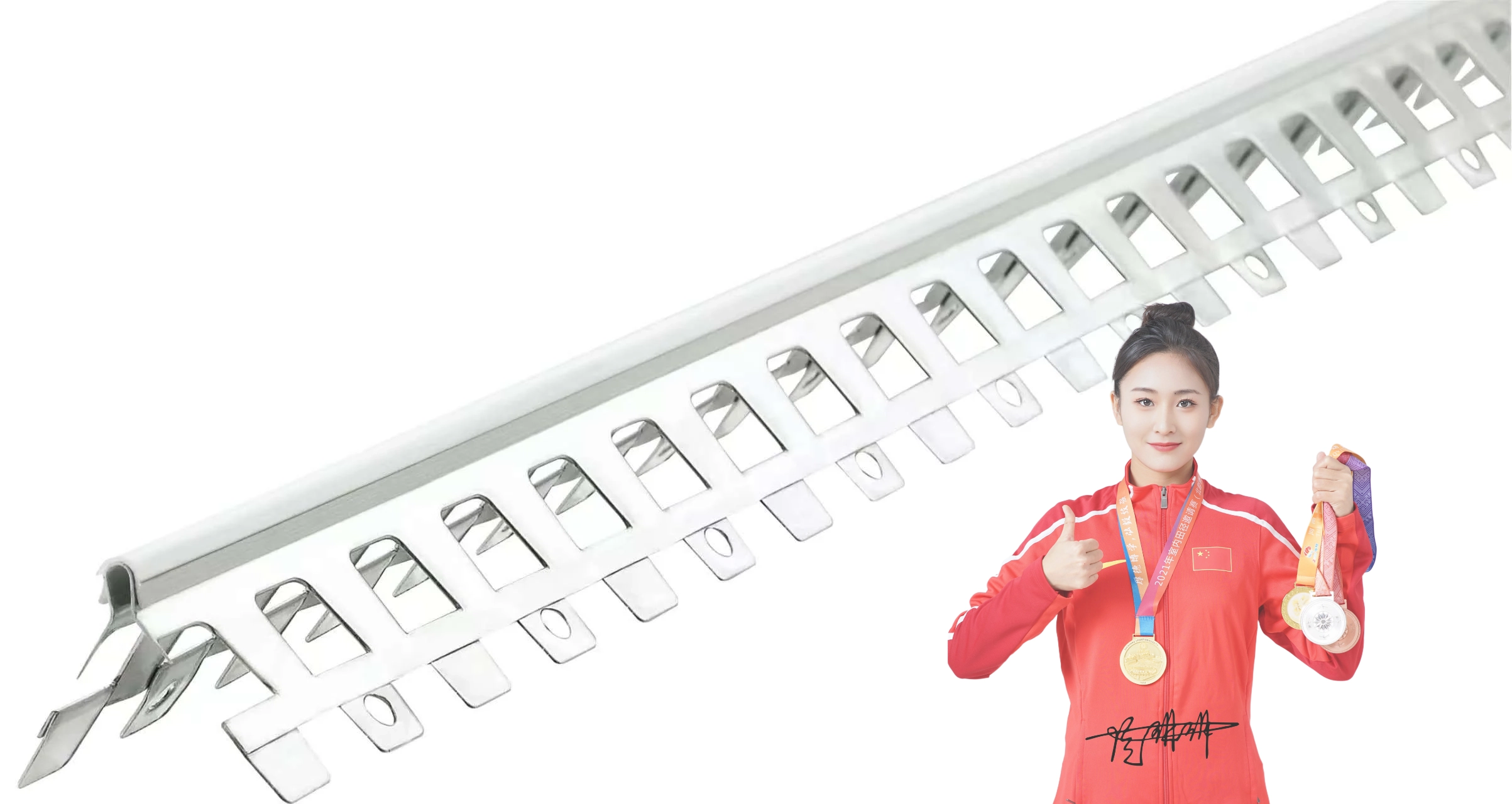
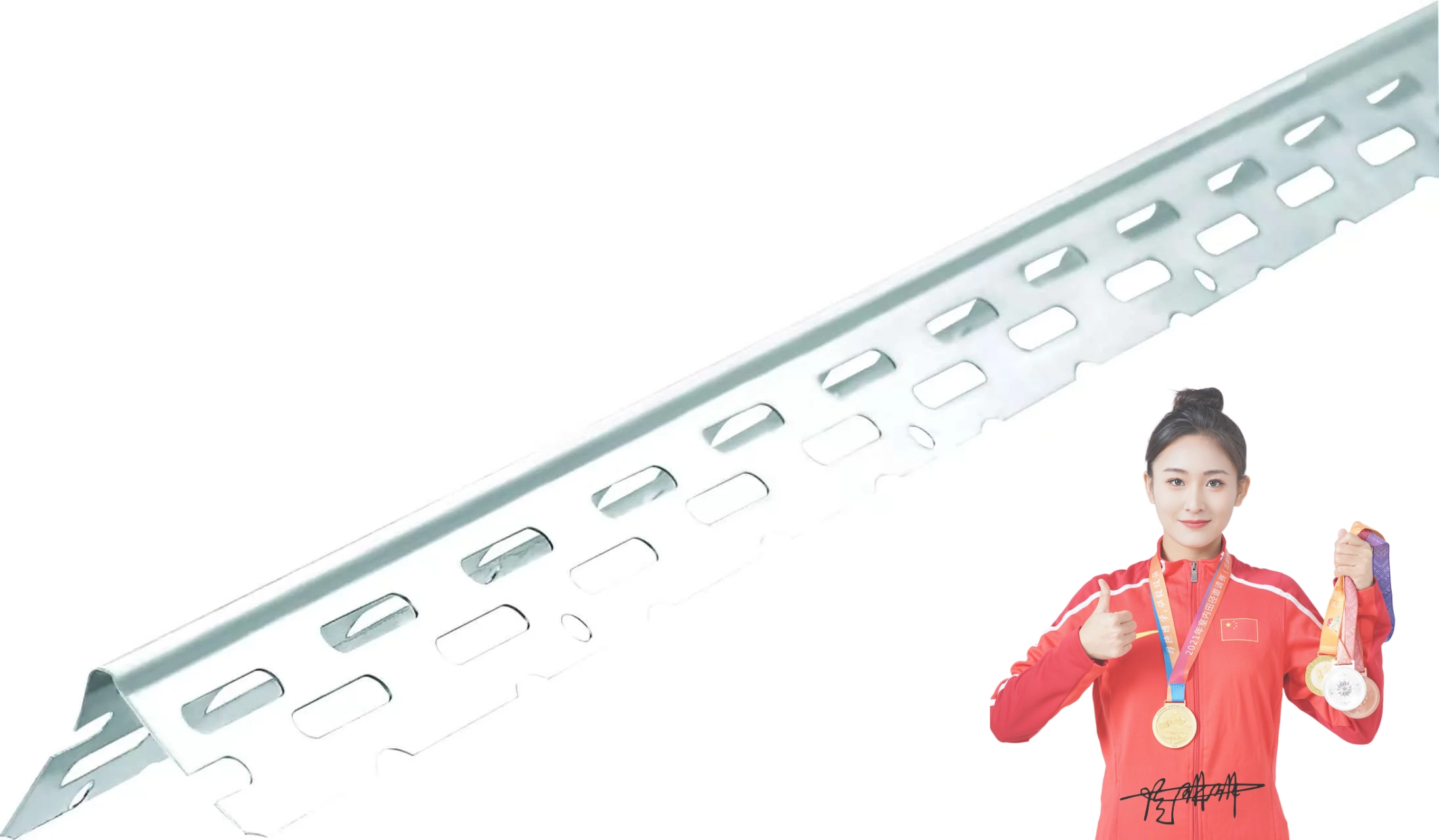
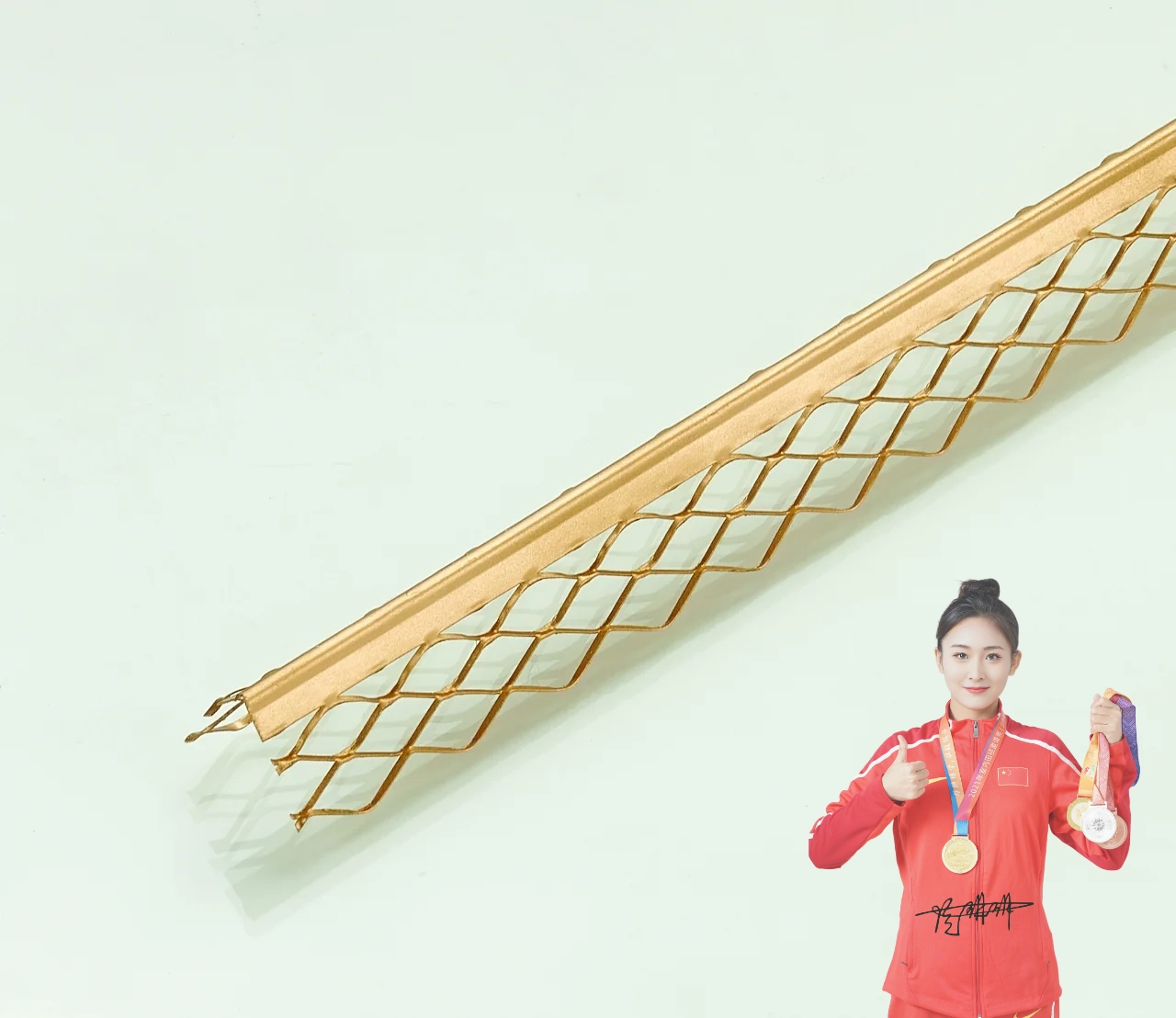
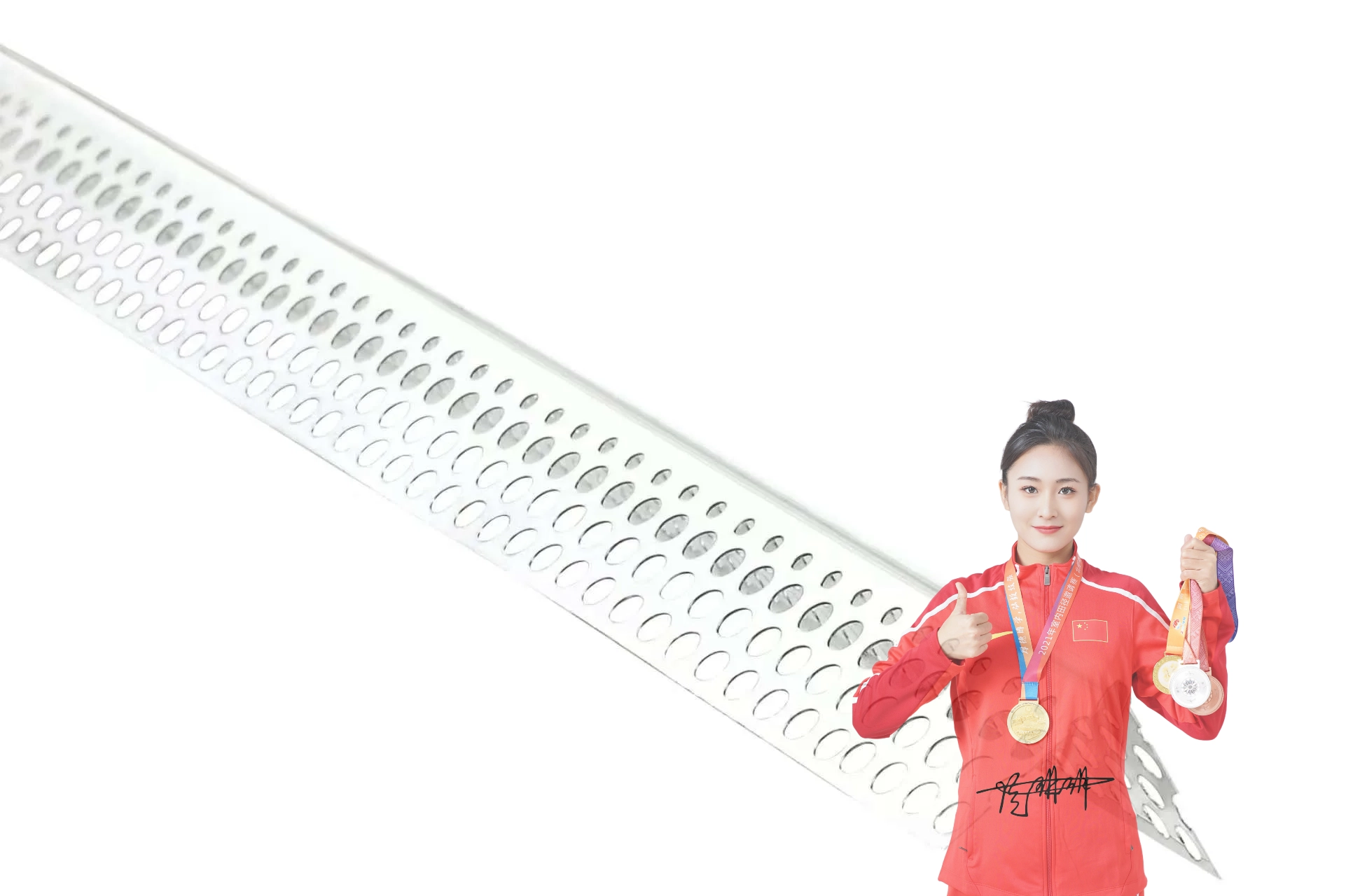
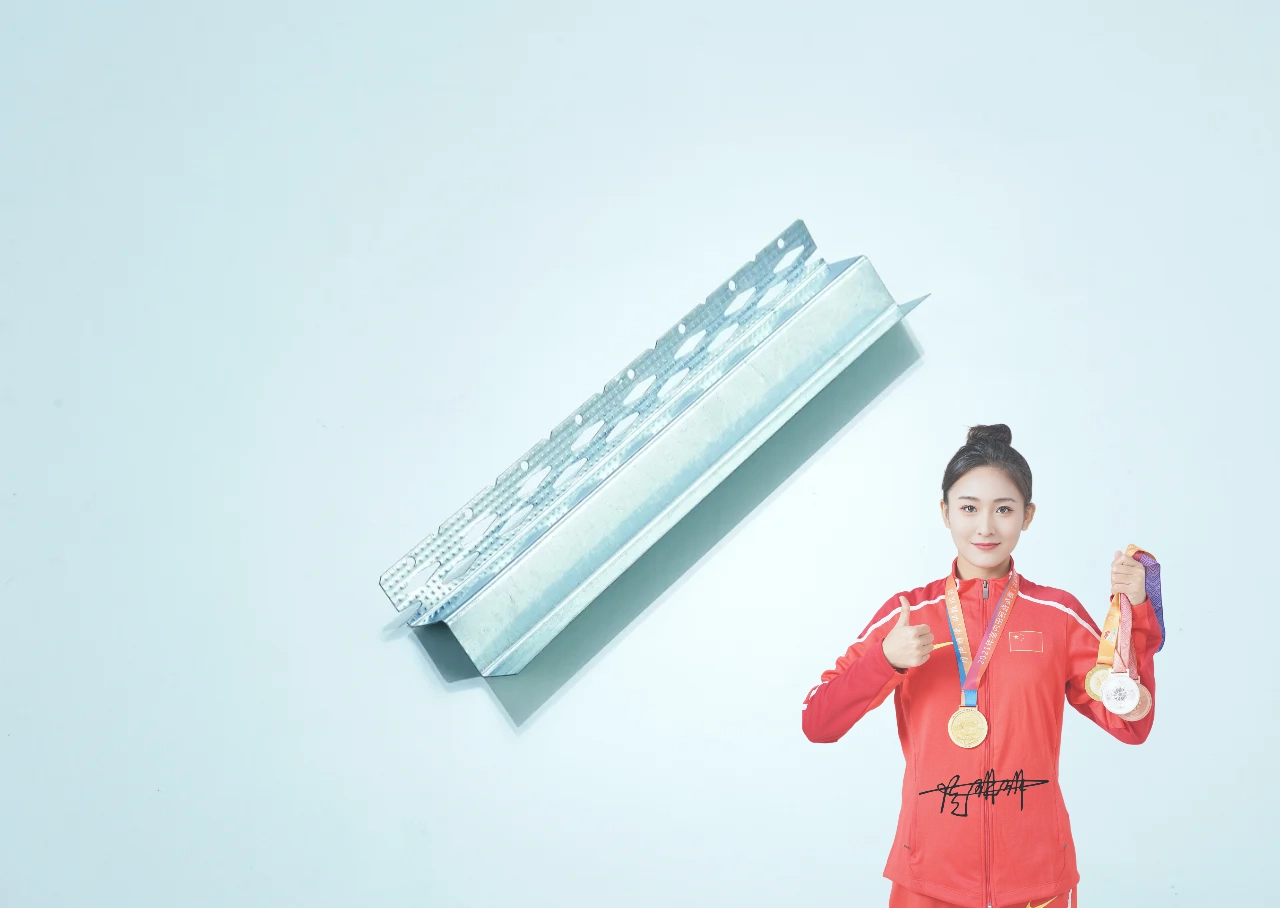
Before you begin mudding, it's crucial to select the appropriate corner bead for your project. Different types are available, each suited for specific applications. Paper-faced bead is cost-effective and easy to work with, ideal for smooth finishes. Metal corner bead provides superior durability and is best for high-traffic areas. Vinyl corner bead is resistant to dents and rust, making it suitable for bathrooms and kitchens. Choosing the right type ensures a long-lasting and aesthetically pleasing result. Visit Corner Bead Mfr to explore our extensive selection.
Key Takeaway: Selecting the correct corner bead material directly impacts the durability and finish quality of your drywall project.
Preparing the Corner Bead for Mudding
Proper preparation is paramount for a successful mudding application. Ensure the corner bead is firmly secured to the drywall with nails or screws, driven flush with the surface. Inspect for any protruding fasteners and countersink them slightly. Clean the corner bead thoroughly to remove dust, debris, and any loose paper. Applying a primer specifically designed for drywall can improve adhesion and prevent the mud from drying out too quickly. Taking these preliminary steps will significantly enhance the final finish.
Preparation Checklist:
• Securely fasten corner bead
• Countersink protruding fasteners
• Clean surface thoroughly
• Apply drywall primer (optional)
Mudding Drywall Corner Bead: Step-by-Step
Mudding corner bead involves applying multiple coats of drywall compound (mud) to create a smooth, seamless transition. Start with a thin coat of "setting-type" compound, embedding the corner bead entirely. Allow it to dry completely before applying the first coat of "all-purpose" compound. Feather the edges of each coat, extending the mud further with each application. Use a wide taping knife to achieve a smooth, even surface. Repeat this process – apply, dry, feather – until the corner is flawlessly blended with the surrounding drywall. Professional results require patience and attention to detail.
| Step |
Compound Type |
Application |
| 1 |
Setting-Type |
Embed corner bead completely |
| 2 |
All-Purpose |
First coat, feather edges |
| 3-4 |
All-Purpose |
Additional coats, feathering wider each time |
Troubleshooting Common Mudding Issues
Even with careful preparation, you may encounter issues like bubbling, cracking, or uneven surfaces. Bubbling often indicates trapped air; use a taping knife to gently break them before the mud dries. Cracking typically results from applying the mud too thickly or allowing it to dry too quickly. Thin, multiple coats are key. Uneven surfaces can be corrected with additional feathering and sanding. Don't hesitate to seek advice or watch instructional videos if you're struggling. The right corner bead, sourced from Corner Bead Mfr, can also contribute to a smoother application.
Sanding and Finishing for a Professional Look
Once the final coat of mud is completely dry, sanding is essential for achieving a perfectly smooth surface. Use a sanding sponge or pole sander with fine-grit sandpaper (120-150 grit). Apply gentle, even pressure to avoid damaging the drywall paper. Vacuum up the dust thoroughly. Finally, apply a coat of primer before painting to seal the surface and ensure optimal paint adhesion. A well-mudded and sanded corner bead will be virtually invisible, contributing to a polished, professional finish.
Conclusion: Mastering the Art of Mudding Corner Bead
Successfully mudding drywall corner bead requires careful preparation, proper technique, and patience. By following the steps outlined in this guide and utilizing quality materials, such as those available at Corner Bead Mfr, you can achieve professional-level results and create a flawless finish. Don't be afraid to practice and refine your skills – the rewards of a beautifully finished drywall project are well worth the effort.
Frequently Asked Questions (FAQs)
How many coats of mud should I apply to corner bead?
Typically, 3-4 coats of mud are recommended for optimal results. The first coat should be a thin layer of setting-type compound to embed the bead. Subsequent coats of all-purpose compound should be applied in thin layers, feathering the edges wider with each application. The number of coats may vary depending on the type of corner bead used and the desired level of smoothness. Remember, thin coats are always better than thick ones to prevent cracking and ensure proper adhesion.
What grit sandpaper should I use for sanding drywall mud?
For sanding drywall mud, a fine-grit sandpaper is essential to avoid damaging the drywall paper. A grit between 120 and 150 is generally recommended. Start with the coarser side of 120-grit if there are significant imperfections, then switch to the finer 150-grit for a smooth finish. Always use a sanding sponge or pole sander for even pressure and consistent results.
Can I use all-purpose compound for the first coat?
While it's tempting, it’s not recommended to use all-purpose compound for the first coat. Setting-type compound, often called "hot mud," dries much faster and harder, providing a solid base for embedding the corner bead and creating a strong bond. All-purpose compound is better suited for subsequent coats where a slower drying time allows for more feathering and blending.
How do I prevent cracking in the drywall mud?
Cracking in drywall mud is often caused by applying the mud too thickly or allowing it to dry too quickly. To prevent this, apply thin, even coats and feather the edges generously. Avoid working in direct sunlight or near heat sources that can accelerate drying. Proper preparation, including priming the drywall, can also help reduce the risk of cracking. If cracks do appear, use a taping knife to smooth them out before applying another coat.